

 Küldés
 Megosztás
 Részletek
 Útmutató

 Letöltés
 Hasonló darabok
 Diavetítés
 Statisztika
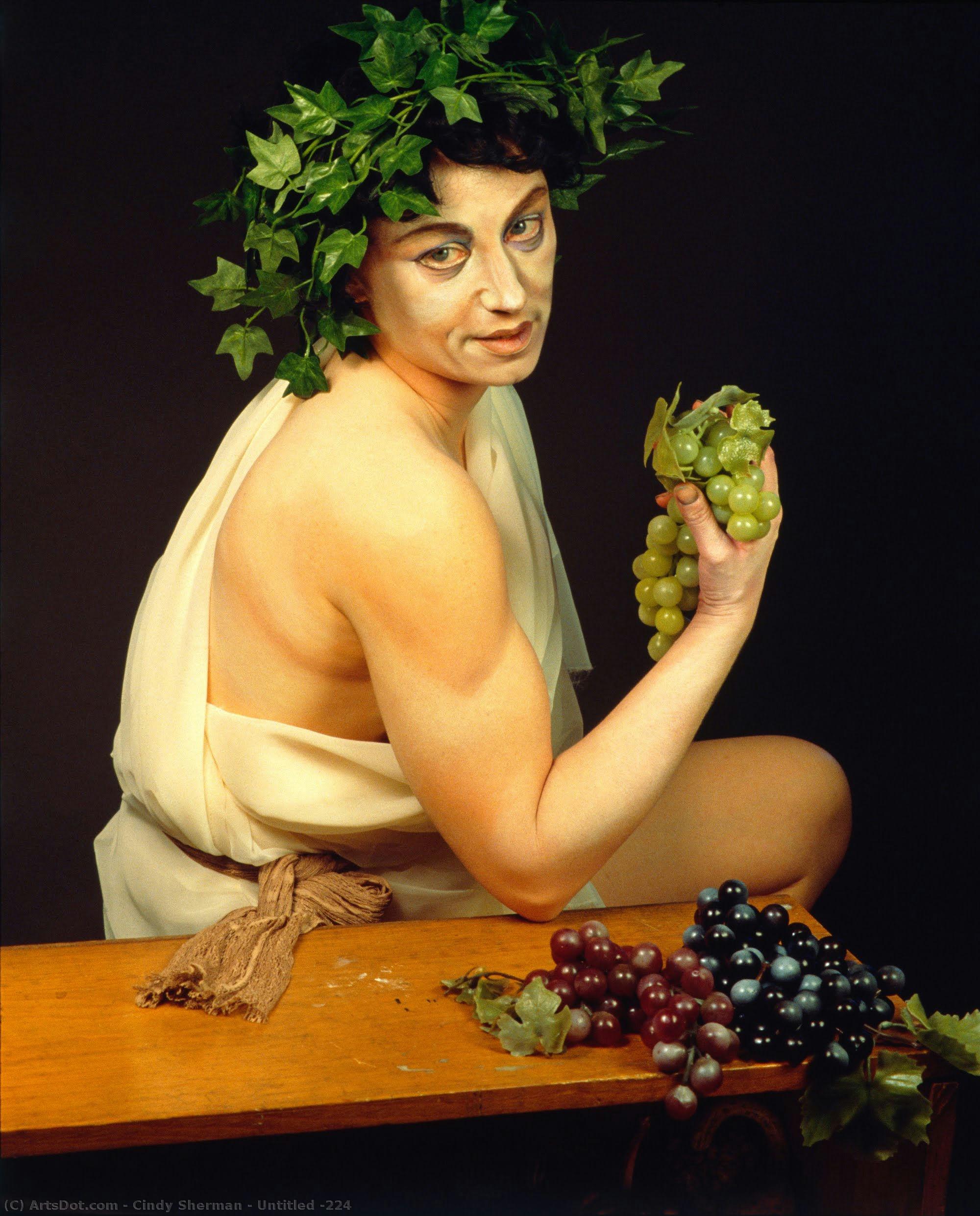
Untitled #224
 Black and White Photography
- Photo
- Contemporary Art
 1990
1990- Contemporary
 121.0 x 96.0 cm
 The Feminist Institute
A haunting black and white photograph of a woman with a crown of leaves and grapes by Cindy Sherman captures a sense of profound unease, inviting you to explore this powerful deconstruction of identity.
 Összes részlet megjelenítése
Cindy Sherman: A magyar művészettörténeti ikon, aki a fotóval bontogatja az identitás rejtélyeit, a szerepjátékokat és a média hatását vizsgálva. Egyedi önképző portréinak köszönhetően a képviseltettség kérdése új értelmet nyert.
Az ezen az oldalon megjelenített műalkotások szerzői jogi védelem alatt állnak, ami azt jelenti, hogy törvényileg nem készíthetünk és nem adhatunk el belőlük pontos másolatokat. Ez a védelem olyan nemzetközi megállapodások alapján érvényesül, mint például a Berni Egyezmény és a nemzeti jogszabályok által, beleértve azokat is, amelyeket meghatározott Az USA szerzői jogi törvénye – 17. cím.
Mint tiszteletes és törvényes alternatívát, olyan egyedi, kézzel festett alkotásokat kínálunk, amelyek az eredetiből merítnek inspirációt. Tapasztalt és professzionális művészeink alaposan tanulmányozzák az eredeti stílusát, hangulatát és művészeti esszenciáját, hogy egy olyan új, egyedi alkotást hozzunk létre, amely ugyanazt az érzést kelti – miközben önálló, eredeti alkotásként létezik.
Ez a módszer teljes mértékben megfelel a szerzői jogi szabályozásnak, mivel nem tartalmazza a védett műalkotás másolását vagy duplikálását. Ehelyett ez egy kreatív újinterpretáció – egy új festmény, amely az eredetivel való összefüggései miatt hatással van rá, de nem az az.
Kézzel készített olajfestmény reprodukció
Kézzel festett olajvastú vászon, az Ön által választott méretben és keretben, művészeink készítik meglévőre. ( Váltás nyomtatványra Áttérés digitális képre)




































Standard méret
egyedi méretű
CM
INCH
Válasszon előre meghatározott méreteink közül, amelyek megfelelnek a műalkotás eredeti arányainak.
Loading sizes...

szélesség
magasság
Írja be a kívánt szélességet és magasságot, hogy illeszkedjen a keretéhez vagy a falához. Mivel ez kézzel festett alkotás, egy eltérő formájú méret esetén a művész akár festhet is valamivel többet a kép körül, vagy korolathat is belőle — az Ön döntésének megfelelően. A festés megkezdése előtt küldünk egy digitális tervezetet jóváhagyásra. Az oldalon látható kép nem tartalmazza a végeredményt — csak a tervezet mutatja meg a valódi eredményt.
Példák arra, mit lehet módosítani: az arc kicserélése az ügyfél fotójára; háziállat hozzáadása (pl. macska helyett kutya); rejtett üzenet elhelyezése a háttérben; a háttér tájának vagy elemeinek megváltoztatása.
A rendelést követően a TopImpressionists.com csapata e-mailt küld az ügyfélnek az instrukciókért, és biztosít egy előnézeti képet (mockup).
A rendelést követően a TopImpressionists.com csapata e-mailt küld az ügyfélnek az instrukciókért, és biztosít egy előnézeti képet (mockup).
Világszerte elérhető szállítás () 3-4 hét alatt a szokásos 5 hét helyett. (26 október). A minőség nem kérdőjelezhető.

Ingyenes globális expressz szállítás

Prémium minőségű len vászon

Teljes körű szállítási biztosítás

Vámvisszatérítési Garancia

Hiteles színarányosság garancia

100 napos visszaküldési lehetőség (csak hibás termékek esetén)

100% pénzvisszatérítési garancia

Több darab vásárlásakor kedvezmény
 Az üvegkeretes opció csak 110 cm alatti méretben érhető el

Untitled #224
Reprodukciós technika
Reprodukció mérete
-


Összesített ár
Ft 86353
A Shadowed Feast
The camera captures a moment frozen in monochrome, where a woman sits amidst an abundance of fruit that feels both heavy and unsettling. A crown of leaves rests upon her head, its organic edges pressing against her brow as she holds clusters of grapes with a grip that seems more burdened than celebratory. Around her, the table is scattered with more dark, ripe bunches, their textures rendered in sharp, silvered tones. There is a palpable sense of unease in her gaze, an expression that drifts away from the viewer toward something unseen and perhaps troubling. The light falls across the scene in stark contrasts, highlighting the smooth skin of the fruit against the deeper shadows of the composition.
Every element in this frame feels carefully placed to disrupt a sense of classical peace. While the presence of grapes and leaves suggests a pastoral or mythological setting, the atmosphere remains thick with tension. The woman does not appear as a figure of leisure, but rather as someone caught in a state of profound discomfort. This tension pulls at the edges of the image, making the natural elements feel strangely artificial, as if the entire scene is a carefully constructed stage where the actors are momentarily lost in their own private anxieties.
The Weight of Representation
This work emerges from a period of intense exploration into how images are built and perceived. Created in 1990, it belongs to a series that looks back at the traditions of historical portraiture only to pull them apart. The composition alludes to much older visual languages, specifically referencing the way masters like Caravaggio depicted figures such as his Young Sick Bacchus. By using these familiar motifs—the crown, the fruit, the classical arrangement—the photograph engages with a long history of painting, yet it does so through the lens of contemporary photography and deliberate artifice.
The use of black and white strips away the distraction of color, forcing the eye to focus on the raw textures of the leaves, the skin, and the woman's face. This technique emphasizes the construction of the scene, making the props and costumes feel visible and intentional. It is a study in how identity can be performed through external objects. The discomfort felt by the subject becomes a tool to question the very idea of the portrait, turning a moment that looks like a classical painting into a modern interrogation of what it means to be seen.
Kérdések és válaszok
Hol vásárolható „Untitled #224”, Cindy Sherman alkotása kézzel festett másolata?
A "Untitled #224" kézzel festett olajfesték reprodukció lino vászonon formátumban is elérhető. A rendelés a Kézzel festett másolat oldalon adható le, különböző méretválasztékban.
Milyen stílusba tartozik a "Untitled #224"?
A "Untitled #224" a Contemporary Art egyik alkotása. A művészeti irány meghatározza azt a művészeti hagyományt, amelybe a mű beágyazódik.
Milyen színharmóniát mutat be „Untitled #224”, Cindy Sherman alkotása?
A „Untitled #224”, Cindy Sherman alkotása egy Strong Color Unity színharmóniát mutat be.
A művész életrajza
A Deconstruction of Identity: The World of Cindy Sherman
Cindy Sherman, amerikai fotós, aki a 20. század végén és a 21. elején jelent meg a művészeti világban, nem hagyományos portrék készítésével, hanem azok szándékos felbontásával. Többek között Cindy Sherman néven ismert, nem próbált hasonlóságot ábrázolni; inkább az azonosítást dönnegte – annak formálódását a média által, társadalmi elvárások és maga a létezés cselekedete révén. Művei nem *ki* valakinek vannak, hanem *hogy* mihez látjuk őket, és milyen szerepeket jelölünk meg velük felületes jelek alapján. Glen Ridge-ben, New Jerseyben született 1954-ben, Cynthia Morris Sherman gyermekkorának csendes háttere volt egy olyan eszméletlen, aki később intenzíven fordult az elemzésre és a performanszra. Ez a formáló időszak beépítette iránta a társadalmi dinamikák és a szorongás nyomát – témákat, amelyek áthatották művészi gyakorlatát.A Festéstől a Fotográfiai Performancig
Sherman művészeti útja 1972-ben kezdődött a Buffalo State College-ban, ahol festéssel foglalkozott, de hamarosan elkeseredett a médium korlátozásai miatt. Nem volt elég egyszerűen *megfelelni* a valóságnak; hanem azt akarta feltárni, kitaposni annak alátáratlan mechanizmusait. A fotográfia új nyelvet kínált számára – egyet, amely lehetővé tette közvetlen bevonást a reprezentációba és az kép manipulálásába. Ez a váltás jelentős fordulópontot jelentett, ami aBus Riders (1976) című, innovatív sorozathoz vezetett, ahol diszkréciót és karaktereket kezdett alkalmazni, megfigyelve és éltetve hétköznapi embereket a tömegközlekedésben. Azonban az Untitled Film Stills (1977-1980) sorozat catapultált őt nemzetközi elismertségre. Ez a sorozat 70 fekete-fehér fotókból áll, amelyek Sherman-t archetipikus női karaktereként mutatnak be, közvetlenül a B-filmek és televíziós műsorok vizuális szókincséből kivontak. Ezek nem másolatok voltak, hanem evokációk – gondosan megtervezett forgatókönyvek, amelyek utalnak történetekre anélkül, hogy teljesen feltárnák őket. Minden kép egyszerre ismerős és zavaró volt, ami arra ösztönözte a nézőket, hogy kérdőjelezze saját elképzeléseiket a nemekrol és a filmográfiai klisékkel kapcsolatban. A sorozat nem *részben* ezekről a karakterekről szólt; hanem az evokáció cselekedetéről, ami felfedezte, hogyan formálják az ábrák megértésünket az identitetről.Identitások és Társadalmi Szerepek Kiválasztása
A 1980-as években és később Sherman folyamatosan kutatta a konstruált identitás és társadalmi elvárások témáit különböző sorozatokon keresztül. A Centerfolds & Fashion Series közvetlenül foglalkozott a nő objektifikációjával a médiában, másolatokat készítve olyan képekből, amelyek emlékeztetnek a magazintartalmakra kritikai szemszögből. A Fairy Tales and Disasters (a 1980-as évek közepén és végén) egy fantasztikusabb és groteszkebb területtel foglalkozott, ahol protéziseket és bonyolult sminket alkalmazott, hogy zavaró képeket hozzon létre a hagyományos szépség és narratívák ellensúlyozására. A History Portraits (a 1990-as évek elején) különösen figyelemre méltóak voltak – történelmi festmények rekonstrukciói, amelyek finom, de jelentős módosításokat tartalmaznak, megkérdőjelezve a hagyományos portrék hitelességét és hatalmi dinamikáit. Nem egyszerűen másolt ezeket a műveket; hanem feltárta azok konstruált jellegét és kihívta az alkotás "művészettörténeti" értékének fogalmát. Későbbi munkái folytatták ezt a kutatást, gyakran nagyformátumú fotókat és digitális manipulációt alkalmazva, hogy még tovább zavarják a valóság és az illúzió határát.Hatások és Örökség
Sherman művészete mélyen gyökerezik a koncepciószerte a művészetben, ahol az ötletek előtérbe kerülnek a hagyományos művészi készségek helyett. Nagyon erős a feminista elmélet iránti érdeklődése, amely foglalkozik a reprezentáció kritikájával és a férfiak pillantásával, különösen Laura Mulvey munkásságának befolyásával, aki "A látvány öröme és narratív film" című befolyásos esszéjében. Mulvey fogalma – a nő objektifikációja a filmes struktúrákban – lett Sherman művészetének központi kérdése. Bár nehéz pontosan meghatározni a közvetlen hatásokat, a surrealizmus szellemet is felfedezhető a tudatosság és az összeütköző képek zavaró megjelenítésében. A művésznem hatása a mai művészetre jelentős volt. Egy kulcsembereként tekintik a "Pictures Generation"-hez, egy olyan csoportba tartozott, akik megvizsgálták a masszmédia hatását a kultúrára. Elismerést nyert a MacArthur Fellowship (1995), és fotói ma világszerte nagy múzeumokban találhatók, beleértve a MoMA-t és az Nelson-Atkins Művészeti Múzeumot. Cindy Sherman innovatív önportré készítése nemcsak újította meg a műfajt, hanem továbbra is provokálja a kritikus párbeszédet az identitetről, a reprezentációról és a képek terjeszkedő erejéről, amely formálja a percepcióinkat magunkról és a körülöttünk lévő világról. Művei ma is rendkívül relevánsak, ami folyamatos vitákat vált ki az autenticitásról, a performanssről és a selfhood folyamatos fejlődéséről egy média-szürke világban.
Cindy Sherman
1954 - , Egyesült Államok
Rövid információk
- Artistic Movement Or Style: Koncepció
- Artists Or Movements Influenced By This Artist: ['Pictures Generation']
- Artists Who Influenced This Artist: ['Laura Mulvey']
- Date Of Birth: 1954-01-19
- Full Name: Cindy Sherman
- Nationality: Amerikai
- Notable Artworks:
- Untitled Film Stills
- Bus Riders
- Centerfolds
- Place Of Birth: Glen Ridge, USA
Kapcsolódó cikkek

Shadow & Soul: Why Black & White Photography Remains the Ultimate Power Move in Modern Art
Discover why black & white photography remains a powerful force in contemporary art. Explore the impact of light, shadow, and texture through a visual journey of monochrome mastery and learn how to elevate your space with timeless grayscale aesthetics.

Monochrome Visions: Exploring the Aesthetic & Historical Significance of Black & White Photography
Explore the rich history & artistic power of black and white photography. From early techniques to iconic masters like Ansel Adams, discover why monochrome continues to captivate art lovers today. Expert insights for collectors.

A Fehér Szín Mesterei: 10 Híres Festmény, Amelyek Elvarázsolnak – TopImpressionists.com
Fedezze fel a 10 legikonikusabb fehér tónusú festményt! Monet, Van Gogh és más mesterek alkotásainak története. Vászonképek, reprodukciók – inspiráció otthonába. TopImpressionists.com: minőségi művészet online.

A sötét szépség: 10 híres festmény a 'Mars Black' árnyalataiban | TopImpressionists
Fedezze fel a 10 leghíresebb festményt, melyeket a 'Mars Black' mély árnyalatai dominálnak! Rembrandt, Goya és Picasso remekművei – történetük, technikájuk és időtlenségük. Múzeumi minőségű művészeti reprodukciók otthonába. Fedezze fel a teljes gyűjteményt a TopImpressionists.com-on!

A Fekete Szín Mesterei: 10 Híres Festmény, Amelyek Elvarázsolnak – TopImpressionists.com
Fedezze fel a 10 leghíresebb, fekete tónusú festményt! Rembrandt, Goya és Manet remekművei elvarázsolják. Művészettörténet, inspiráció otthonába – TopImpressionists.com kínálatából. Fedezze fel a teljes gyűjteményt online!
Fedezze fel a műalkotásokat témák, stílusok és jellemzők szerint csoportosítva.


