

 Megtekintés
 Küldés
 Megosztás
 Részletek
 Útmutató

 Letöltés
 Hasonló darabok
 X-ray felvétel
 Diavetítés
 Kérdések és válaszok
 Statisztika
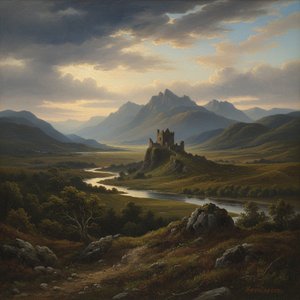
Edinburgh from the Castle

- 122.0 x 213.0 cm


David Roberts (1796-1864) was a Scottish painter celebrated for his detailed Orientalist scenes and meticulous lithographs. His work provides invaluable visual documentation of the Middle East during the 19th century, bridging artistic representation with historical record.
 Összes részlet megjelenítése
David Roberts: Egy lenyűgöző orientalista festő! Fedezd fel részletes egyiptomi és közel-észeki tájképeit, valamint a római akadémikus címet szerető művészi örökségét!
Giclée / Műnyomat
Múzeumi minőségű giclée vagy vászonnyomat, gyors gyártással és rugalmas finomítási lehetőségekkel. ( Kézzel festett másolat rendelése Áttérés digitális képre)




P118B Ft10

P118H Ft10

P118W Ft10

P438Z Ft10

P508JH Ft12

P508YH Ft12

P805H Ft10

P805Z Ft10

P919BZ Ft10

P919G Ft10

P919XJ Ft10

P959ZH Ft10

P968JZ Ft12

W106C Ft8

W218G Ft10

W218JH Ft8

W218Y Ft10

W307PJ Ft10

W316G Ft10

W316PJ Ft8

W316Y Ft10

W398PJ Ft8

W4111J Ft10

W500HY Ft15

W500JH Ft15

W692G Ft12

W849H Ft8

W940BG Ft15

W953PJ Ft8




Standard méret
egyedi méretű
CM
INCH
Válasszon előre meghatározott méreteink közül, amelyek megfelelnek a műalkotás eredeti arányainak.
Loading sizes...

szélesség
magasság
Írja be a keretének vagy a falának megfelelő szélességet és magasságot. A nyomatot csak le lehet vágni, soha nem tehető nagyobbá, mint az eredeti kép, így egy eltérő alakú méretnél a kép egy része elveszik. Mielőtt bármit kinyatintanánk, küldünk egy digitális próbamodellt jóváhagyásra. Az oldalon látható kép nem tartalmazza a valós levágást — ezt csak a próbamodell mutatja meg.
Világszerte történő kiszállítás területére mindössze 2 hét alatt, a szokásos 4-5 hét helyett. (7 november)

Ingyenes globális expressz szállítás

Prémium minőségű len vászon

Teljes körű szállítási biztosítás

Vámvisszatérítési Garancia

Hiteles színarányosság garancia

100 napos visszaküldési lehetőség (csak hibás termékek esetén)

100% pénzvisszatérítési garancia

Több darab vásárlásakor kedvezmény
 Az üvegkeretes opció csak 110 cm alatti méretben érhető el

Edinburgh from the Castle
Giclée / Műnyomat
Reprodukció mérete
-


Összesített ár
Ft 22811
Edinburgh from the Castle by David Roberts
David Roberts’s “Edinburgh from the Castle” stands as a cornerstone of Victorian landscape painting and a testament to the artist's meticulous observation and masterful execution. Completed in 1847, this monumental oil on canvas captures a panoramic vista of Edinburgh city viewed from Arthur’s Seat, offering viewers an unparalleled glimpse into Scotland’s capital during a period of significant urban expansion and artistic fervor.A Vision of Victorian Grandeur
Roberts's style embodies the Romantic spirit tempered by scientific accuracy—a hallmark of the era. He eschewed fantastical embellishments in favor of a rigorously detailed depiction of the cityscape, prioritizing topographical precision alongside atmospheric perspective. The painting’s ambition wasn’t merely to record what was seen; it aimed to convey the grandeur and dynamism of Edinburgh's burgeoning industrial age against the backdrop of Scotland’s ancient hills. This juxtaposition speaks volumes about Victorian sensibilities – a fascination with both progress and heritage.Technique and Detail: Roberts's Legacy
Roberts employed a technique characterized by smooth, blended brushstrokes—a hallmark of his style—allowing him to achieve remarkable tonal gradation and convincingly simulate the hazy air of the Scottish highlands. Layers upon layers of pigment were applied with painstaking care, capturing the subtle nuances of light and shadow across the castle walls and rooftops. The artist’s meticulous attention to detail extends beyond mere representation; it imbues the scene with a palpable sense of presence, inviting contemplation on the scale and beauty of the natural world alongside human settlement. Roberts's use of glazing techniques further enhanced the luminosity and depth of color, resulting in an image that glows with warmth and vibrancy.Symbolism Within the Landscape
Arthur’s Seat dominates the composition, representing Scotland’s geological history and serving as a visual anchor for the viewer’s gaze. The castle itself symbolizes power, authority, and tradition—elements crucial to understanding Victorian Britain's social and political landscape. Furthermore, the scattered figures within the painting – laborers, merchants, and tourists – embody the diverse population of Edinburgh at the time, reflecting the city’s role as a hub of commerce and culture. Roberts subtly communicates these ideas through his careful positioning of elements within the frame.Emotional Resonance: Capturing the Spirit of Place
“Edinburgh from the Castle” transcends mere visual representation; it evokes a profound emotional response. The painting's expansive scale inspires awe, while its luminous colors convey a sense of optimism and vitality. It captures not only the physical beauty of Edinburgh but also its spirit—a blend of rugged wilderness and civilized sophistication. This artwork continues to resonate with audiences today because it successfully communicates the grandeur of Victorian Scotland and remains an enduring symbol of artistic excellence. Its impact on subsequent landscape painters is undeniable, cementing Roberts’s place as one of Scotland's most celebrated artists.Kérdések és válaszok
A "Edinburgh from the Castle" egy híres Oriental Romanticism művészeti alkotás?
A „Edinburgh from the Castle”, David Roberts (festő) alkotása a Recognized kategóriába tartozik, és a Oriental Romanticism irányzat részeként tekinthető.
Milyen reprodukciós méretet javasol a „Edinburgh from the Castle”, David Roberts (festő) alkotása alkotáshoz?
A „Edinburgh from the Castle”, David Roberts (festő) alkotása alkotáshoz egy Large méretű reprodukciót javasolunk. A méret az arányok megőrzésével módosítható.
Hol találhatók statisztikák a(z) „Edinburgh from the Castle”, David Roberts (festő) alkotása kapcsán?
A „Edinburgh from the Castle”, David Roberts (festő) alkotása Statisztikák oldala a nyilvános látogatási statisztikákat mutatja be: az alkotás havi látogatottságát, összehasonlításban a művész legnézettebb alkotásaival, valamint a látogatók származási helyét.
A művész életrajza
David Roberts: A Life in Art
David Roberts (1796-1864) was a Scottish painter celebrated for his detailed Orientalist scenes and meticulous lithographs. His work provides invaluable visual documentation of the Middle East during the 19th century, bridging artistic representation with historical record. He remains an influential figure in Victorian art history, embodying both technical prowess and a profound engagement with distant cultures.Early Life and Career
Born on October 24, 1796, in Stockbridge near Edinburgh, Roberts’s formative years instilled within him a dedication to craftsmanship. At the age of ten, he commenced an apprenticeship under Gavin Beugo, honing his skills as a house painter and decorator – experience that would prove invaluable later in his artistic endeavors. This practical grounding complemented his evening art studies, fostering a balanced approach to artistic development. His initial professional commissions included redecorating Scone Palace in 1815, demonstrating early aptitude for transforming spaces through visual artistry. Subsequently, he transitioned into scene painting for James Bannister’s circus, refining his ability to create immersive environments and capturing the dynamism of theatrical productions. These formative experiences established a solid foundation for his burgeoning career as a respected Orientalist painter.Artistic Journey and Influences
Roberts' artistic trajectory was propelled by an expanding curiosity about diverse cultures and landscapes. While initially focused on theatrical scenery – a skill honed during his circus work – he gradually pursued independent artistic explorations, driven by a desire to transcend conventional boundaries. His voyage to Spain in 1832 served as a catalyst for heightened attention to architectural detail and exotic locales, shaping his visual sensibilities. However, it was his extensive expeditions into Egypt and the Near East (1838-1840) that truly cemented his artistic legacy. These journeys yielded a wealth of sketches and observations – meticulously documented – which he subsequently translated into his most celebrated works. Notably, Roberts wasn’t significantly influenced by any singular artist; rather, his style emerged from careful observation and unwavering technical mastery—a testament to his dedication to capturing the essence of his subjects with unparalleled accuracy.Notable Works and Achievements
Roberts achieved lasting renown primarily through The Holy Land, Syria, Idumea, Arabia, Egypt, and Nubia – a series of breathtaking lithograph prints that captivated audiences across Europe. These images powerfully conveyed the grandeur of ancient sites—Jerusalem, Damascus, Petra—and the vibrant tapestry of daily life in the region. The meticulous detail with which Roberts rendered architectural facades, costumes, and landscapes established him as a pioneer in documenting historical environments. Furthermore, he was elected as a Royal Academician in 1841 – an honor reflecting his profound contribution to British art and scholarship. His lithographs stand as enduring records of a bygone era, continuing to inspire admiration for their artistic merit and historical significance.Artistic Style and Characteristics
Roberts’s distinctive artistic style is characterized by several key elements:- Orientalism: He embraced the Romantic movement's fascination with “the Orient,” portraying scenes from Egypt and Persia with remarkable sensitivity and precision.
- Technical Mastery: Roberts possessed exceptional skill in rendering textures, light, and perspective—techniques honed through years of experience as a painter and decorator.
- Landscape Painting: His canvases frequently depicted expansive vistas—mountains, deserts, rivers—infused with atmospheric effects that conveyed both beauty and grandeur.

David Roberts (festő)
1796 - 1864 , Egyesült Királyság
Rövid információk
- Artistic Movement Or Style: Orientalism
- Artists Who Influenced This Artist:
- Jenaro Pérez Villaamil
- Alexander Nasmyth
- Country: United Kingdom
- Date Of Birth: October 24, 1796
- Date Of Death: 1864
- Full Name: David Roberts
- Nationality: Scottish
- Notable Artworks: ['The Holy Land, Syria, Idumea, Arabia, Egypt, and Nubia']
- Place Of Birth: Stockbridge
Kapcsolódó cikkek

Hubert Robert: Picturing Ruins, Preserving Memory – A Study of Romantic Antiquarianism & Artistic Innovation
Explore the captivating world of Hubert Robert, master of Romantic landscape painting & 'capriccio' ruins. Discover his historical context, artistic innovations, and collecting insights with TopImpressionists.

Francis Cadell: A Study in Scottish Colourism & Intimate Portraiture
Explore the captivating world of Francis Campbell Cadell, a leading Scottish Colourist. Discover his elegant Edinburgh interiors, vibrant portraits & unique style. Learn about his influences and enduring legacy with TopImpressionists.

George Paul Chalmers: Rediscovering the Angus Rembrandt & Scottish Colourist Roots
Explore the captivating world of George Paul Chalmers (1833-1878), a pivotal Scottish painter. Discover his landscapes, portraits & connection to the Aesthetic Movement and Colourists. Learn about this 'Angus Rembrandt's' legacy with TopImpressionists.

David Roberts: A Scottish Pioneer of Topographical Art & Orientalist Vision
Explore the captivating world of David Roberts, a pioneering Scottish painter renowned for his detailed Orientalist scenes & stunning Egyptian landscapes. Discover his legacy and find museum-quality reproductions at TopImpressionists.
Alexander Nasmyth: Picturing Scotland's Romantic Landscape – Innovation & Identity
Explore the life & art of Alexander Nasmyth, a pivotal figure in Scottish Romantic landscape painting. Discover his iconic works, including portraits of Robert Burns, and learn about his lasting influence on national identity. Fine art reproductions available.
Fedezze fel a műalkotásokat témák, stílusok és jellemzők szerint csoportosítva.


