

 Megtekintés
 Küldés
 Megosztás
 Részletek
 Útmutató

 Letöltés
 Hasonló darabok
 X-ray felvétel
 Diavetítés
 Statisztika
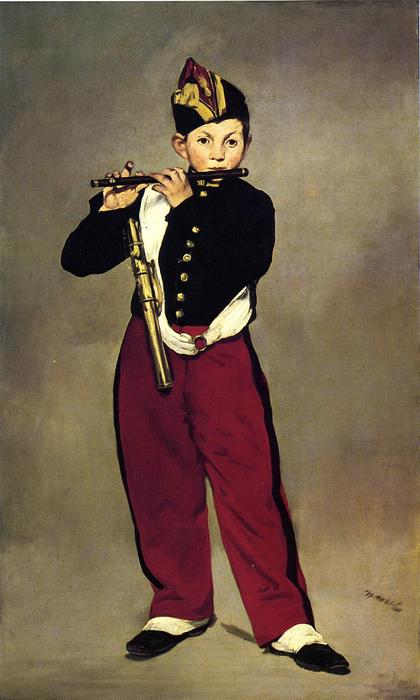
A fúgás
 Akril vászonon
- Falfeliratok és faldekoráció
- Kortárs realizmus
 1866
1866 161.0 x 97.0 cm
 Musée d'Orsay
Velázquez fény- és árnyékhasználatának mesteri művészetétől inspired/lenyűgözve,
 Összes részlet megjelenítése
Édouard Manet (1832-1883): A realizmus és impresszionizmus határát jelentő francia festő, aki megújította a modern művészet fogalmát! Fedezze fel ikonikus alkotásait!
Giclée / Műnyomat
Múzeumi minőségű giclée vagy vászonnyomat, gyors gyártással és rugalmas finomítási lehetőségekkel. ( Kézzel festett másolat rendelése Áttérés digitális képre)




































Standard méret
egyedi méretű
CM
INCH
Válasszon előre meghatározott méreteink közül, amelyek megfelelnek a műalkotás eredeti arányainak.
Loading sizes...

szélesség
magasság
Írja be a keretének vagy a falának megfelelő szélességet és magasságot. A nyomatot csak le lehet vágni, soha nem tehető nagyobbá, mint az eredeti kép, így egy eltérő alakú méretnél a kép egy része elveszik. Mielőtt bármit kinyatintanánk, küldünk egy digitális próbamodellt jóváhagyásra. Az oldalon látható kép nem tartalmazza a valós levágást — ezt csak a próbamodell mutatja meg.
Világszerte történő kiszállítás területére mindössze 2 hét alatt, a szokásos 4-5 hét helyett. (26 október)

Ingyenes globális expressz szállítás

Prémium minőségű len vászon

Teljes körű szállítási biztosítás

Vámvisszatérítési Garancia

Hiteles színarányosság garancia

100 napos visszaküldési lehetőség (csak hibás termékek esetén)

100% pénzvisszatérítési garancia

Több darab vásárlásakor kedvezmény
 Az üvegkeretes opció csak 110 cm alatti méretben érhető el

A fúgás
Giclée / Műnyomat
Reprodukció mérete
-


Összesített ár
Ft 22150
The Fifer: A Snapshot of Modern Parisian Life
Édouard Manet’s “The Fifer,” completed in 1866, stands as a cornerstone of Realist painting and a pivotal moment in the artistic landscape of mid-Victorian France. Currently residing within the Musée d'Orsay’s hallowed halls in Paris, this deceptively simple canvas transcends its modest dimensions—measuring 161 x 97 cm—to deliver a profound commentary on societal shifts and the burgeoning spirit of Impressionism.
Inspired by Diego Velázquez’s masterful depiction of everyday life at Las Meninas, Manet deliberately eschewed academic conventions. He sought to capture not idealized beauty but the gritty reality of urban existence, mirroring the artistic fervor sweeping across Europe. This influence is palpable in the painting's composition—a stark monochrome background punctuated by vibrant splashes of color—a technique that anticipates the groundbreaking innovations of Impressionists like Monet and Renoir.
Composition and Technique: Impasto and Direct Observation
- Monochrome Background: Manet employed a muted gray hue to neutralize distractions, allowing the viewer’s gaze to focus squarely on the central figure—a young boy passionately engaged in playing the flute.
- Impasto Texture: The artist utilized thick layers of paint (impasto), creating a tactile surface that conveys movement and immediacy. This technique wasn't merely decorative; it mirrored the physicality of observation, striving to reproduce the nuances of light and shadow as perceived by the eye.
- Color Highlights: Strategic use of color—particularly in the jacket, pants, and strap—creates dramatic visual contrast and enhances depth perception. These highlights illuminate the boy’s form against the subdued backdrop, emphasizing his presence.
Realism Beyond Representation
“The Fifer” isn't merely a portrait; it’s an embodiment of Realist philosophy. Manet prioritized capturing psychological truth over meticulous detail. The boy’s expressive gaze—directly confronting the viewer—is characteristic of Realism’s commitment to portraying subjects with honesty and spontaneity. His posture exudes youthful energy, conveying a moment frozen in time.
Symbolic Significance: A Reflection of Change
Beyond its aesthetic qualities, “The Fifer” carries symbolic weight. It represents the burgeoning interest in depicting ordinary life—a departure from the grand narratives favored by Romantic artists. The flute itself symbolizes youth, innocence, and artistic aspiration – themes that resonate throughout Manet’s oeuvre. Furthermore, the painting subtly critiques societal expectations surrounding masculinity and leisure.
Legacy: Influencing Modern Art Movements
"The Fifer" solidified Manet's position as a pioneer of modern art. Its innovative approach to color, composition, and technique profoundly impacted subsequent generations of artists, paving the way for Impressionism and challenging established artistic traditions. It remains an enduring testament to Manet’s unwavering dedication to capturing the essence of his time—a captivating glimpse into the soul of Parisian society.
Kérdések és válaszok
Hányan tekintik meg a(t): "A fúgás"?
A „A fúgás”, Édouard Manet alkotása Statisztikák oldala a nyilvános látogatási statisztikákat mutatja be: az alkotás havi látogatottságát, összehasonlításban a művész legnézettebb alkotásaival, valamint a látogatók származási helyét.
Milyen nemzetiség áll a „A fúgás” Kortárs realizmus-ének hátterében?
A "A fúgás" a alkotó születésihelyén keresztül köti össze a Kortárs realizmus irányzatot Franciaország-val.
Hová sorolható a "A fúgás" Édouard Manet ismétlődő témái közé?
Édouard Manet ismétlődő témái közé tartozik a velázquez inspiráció, realizmus kihívás a hagyományoknak, modern párizsi élet, impressionista örökség, a művész merész víziója; a „A fúgás” fókuszál a fiatal fiú, fuvolajátszás, monokrom háttér, impasto technika, hangszer, portréfestészet, velázquez hatás témakörre.
Hasonló műalkotások




A művész életrajza
Édouard Manet: A modern élet festője, a konvenciók megújítója
Édouard Manet 1832-ben született Párizsban, egy tehetős polgári családban. Apja, tiszteletreméltő bíró, biztonságos jövőt képzelt el fiának a jogi pályán vagy éppen a haditengerészetnél – méltó foglalkozásokat családjuk társadalmi helyzetéhez mérten. Mégis, már gyerekként Manet szívét a művészetért dobogott. Tizenegy évesen kezdett formalizált rajzórákat venni, és bár rövid ideig Thomas Couture akadémiai festő tanítványa volt, hamar elnyomónak találta mestere merev módszereit. Ez a korai ellenállás vetített előre egy olyan életet, amelyben állandóan kihívta a művészi konvenciókat. Manet nem egyszerűen a múltat akarta másolni; arra törekedett, hogy megragadja a modern párizsi élet vibrálását – és néha nyugtalanító valóságát is. Gyakran járt a Louvre-ban, nem csupán az Ómesterek másolgatására, hanem technikájuk feltárására, tanulva Caravaggiótól és Velázquez-től, hogyan formázhatják a fényt és az árnyékot, hogyan idézhetők elő érzelmek. Azonban a művészeti áramlatok eltolódása, különösen Gustave Courbet által képviselt realizmus felemelkedése élesztette igazán be Manet kreatív ösvényét. Courbet ragaszkodása a mindennapi élet ábrázolásához idealizálás nélkül mélyen rezonált Manettel, felszabadítva őt a történelmi vagy mitológiai témák kényszeréből.A hagyományok megkerülése: botrány és innováció
Az 1860-as évek Párizsban a művészeti pezsgés időszaka volt, és Manet találta magát ennek középpontjában. A japán nyomatok – az *ukiyo-e* – mélyen hatottak esztétikai érzékenységére. Magával ragadta őket a lapos perspektívák, merész kompozíciók és feltűnő színek, amelyek saját stílusa jellegzetességeivé váltak. Ez a befolyás, akadémiai polír elutasításával kombinálva olyan alkotásokhoz vezetett, amelyek megdöbbentették és felháborították a párizsi művészeti világot. A Le Déjeuner sur l'herbe (A reggeli a szabadban), amelyet 1863-ban mutattak be a Salon des Refusés-n – egy kiállításon, amelyen az hivatalos Szalon által elutasított műveket állították ki – azonnali viták forrása lett. A festmény, amelyen egy meztelen nő piknikezik két teljesen öltözött férfival, nem a meztelenségről szólt; arról szólt, *hogyan* mutatták be ezt a meztelenséget. Manet alakjai hiányolták a hagyományos mezítelenek idealizált formáit és mitológiai kontextusát. Tagadhatatlanul modernnek számítottak, nyugtalanító közvetlenséggel szembesítve a nézőt. A Le Déjeuner körüli botrány még intenzívebb lett 1865-ös remekművével, az Olympiaval. Ez a festmény, Titian *Urbinói Vénuszá*nak szándékos újraalkotása, egy kortárs prostituáltat ábrázolt, amely merészen nézett szembe a nézővel. A könyörtelen realizmus és provokatív téma széles körű elítélést váltott ki. A kritikusok vulgárisággal és művészi inkompetenciával vádolták Manet-t, de a felháborodás alatt felismerés rejlett: alapvetően megváltoztatta a festészet nyelvét.A realizmus és az impresszionizmus között: fény, ecsetkezelés és modern élet
Bár Manet sosem fogadta el teljes mértékben az „impresszionista” jelzőt, hatása a mozgalomra vitathatatlan volt. Megosztotta velük az akadémiai konvenciók elutasítását és a fény és atmoszféra változó hatásainak megragadásának elkötelezettségét. Kiállított Monet-val, Renoir-ral, Degas-val és másokkal az impresszionisták független kiállításain, megerősítve pozícióját az avantgárdban. Manet technikája lazább ecsetkezelés felé fejlődött, a forma benyomását részesítve előnyben a pontos részletekkel szemben. Kísérletezett a színnel, gyakran éles kontrasztokat használva drámai hatások elérése érdekében. A botrányos mezítelenek mellett Manet széles témakört fedezett fel: portrékat – beleértve felesége, Suzanne és társas festője, Émile Zola lenyűgöző ábrázolásait; párizsi éjszakai élet jeleneteit, mint például A Folies-Bergère bárja, amely mesterien rögzíti a modern városi élet elidegenedését és látványosságát; és meghitt házi jeleneteket. Nem csupán dokumentálta ezeket a témákat; megkérdőjelezte őket, társadalmi normákat vitatott és a szépség hagyományos fogalmait kihívta ki.Öröksége és maradandó hatása
Édouard Manet 1883-ban bekövetkezett korai halála szifilisz következtében egy olyan karriert szakított félbe, amely máris megváltoztatta a művészettörténet menetét. Bár hírneve halálát követően jelentősen nőtt, hatása azonnal érezhető volt a fiatalabb művészeken, akik felszabadítónak ismerték fel őt. Lerombolt korlátokat, megkérdőjelezte a téma, technika és művészeti cél fogalmait.- A modern élet megragadásának hangsúlyozása előkészítette az impresszionizmus és a posztimpresszionizmus útját.
- Innovatív ecsetkezelése és színhasználata generációk festőit inspirálta.
- Készen állt szembeszállni a társadalom kényes igazságaival, arra kényszerítve a nézőket, hogy megkérdőjelezzék saját feltételezéseiket.

Édouard Manet
1832 - 1883 , Franciaország
Rövid információk
- Artistic Movement Or Style: realizmus, impresszionizmus
- Artists Or Movements Influenced By This Artist:
- Monet
- Renoir
- Artists Who Influenced This Artist:
- Caravaggio
- Velázquez
- Courbet
- Date Of Birth: 1832. január 23.
- Date Of Death: 1883
- Full Name: Édouard Manet
- Nationality: francia
- Notable Artworks (List Of Titles):
- Reggeli a szabadban
- Olympia
- Place Of Birth (City And Country): Párizs, Franciaország
Kapcsolódó cikkek

Impressionistic Realism's Finest: 10 Masterpieces for Your Home | TopImpressionists
Journey through Impressionistic Realism with 10 iconic masterpieces by Monet, Renoir & Van Gogh. Explore art history, techniques & find museum-quality reproductions for your home at TopImpressionists.com. Discover all masterpieces online!

Romantic Realism's Finest: 10 Masterpieces for Your Home | TopImpressionists
Explore 10 defining masterpieces of Romantic Realism! Discover Courbet, Millet & Daumier's powerful paintings—capturing emotion and social realities. Find museum-quality reproductions for your home at TopImpressionists.com.

Édouard Manet: Pioneering Modernism & Challenging Artistic Conventions
Explore the life & art of Édouard Manet, a pivotal figure bridging Realism and Impressionism. Discover his revolutionary techniques, controversial masterpieces like 'Olympia,' and lasting impact on modern art history.

A benyomásosok mesterművei: 10 ikonikus festmény a művészetben és otthonában
Fedezze fel a 10 legikonikusabb impresszionista festményt! Monet, Renoir és más mesterek művészete életre kel TopImpressionists.com-on. Vászonképek, faliképek – inspirálja otthonát a benyomásosok színeivel és hangulatával! Explore the full collection online.

Édouard Manet 25 Mesterműve: A Modernizmus Forradalma – Vászonképek és Dekorációk
Fedezze fel Édouard Manet 25 legikonikusabb művét! Ismerje meg a modernizmus forradalmát, az impresszionizmus gyökereit és a festő lenyűgöző technikáját. Vászonképek és inspiráló dekorációs ötletek a TopImpressionists.com-on. Explore the full collection online!
Fedezze fel a műalkotásokat témák, stílusok és jellemzők szerint csoportosítva.


