

A képen: · A kerettel együtt:
 Megtekintés
 Küldés
 Megosztás
 Részletek
 Útmutató

 Letöltés
 Hasonló darabok
 X-ray felvétel
 Diavetítés
 Kérdések és válaszok
 Statisztika


Ft 87874
Kézzel készített olajfestmény reprodukció
Kézzel festett olajvastú vászon, az Ön által választott méretben és keretben, művészeink készítik meglévőre. ( Váltás nyomtatványra Áttérés digitális képre)
Méret
·Standard méret
egyedi méretű
CM
INCH
Válasszon előre meghatározott méreteink közül, amelyek megfelelnek a műalkotás eredeti arányainak.
Méretek betöltése...

szélesség
magasság
Írja be a kívánt szélességet és magasságot, hogy illeszkedjen a keretéhez vagy a falához. Mivel ez kézzel festett alkotás, egy eltérő formájú méret esetén a művész akár festhet is valamivel többet a kép körül, vagy korolathat is belőle — az Ön döntésének megfelelően. A festés megkezdése előtt küldünk egy digitális tervezetet jóváhagyásra. Az oldalon látható kép nem tartalmazza a végeredményt — csak a tervezet mutatja meg a valódi eredményt.
 További információk
Befejezés
·
Fehér Ft1

Elmosódott szélek Ft1

Kiterjesztett Ft1

P118B Ft10

P118H Ft10

P118W Ft10

P438Z Ft10

P508JH Ft12

P508YH Ft12

P805H Ft10

P805Z Ft10

P919BZ Ft10

P919G Ft10

P919XJ Ft10

P959ZH Ft10

P968JZ Ft12

W106C Ft8

W218G Ft10

W218JH Ft8

W218Y Ft10

W307PJ Ft10

W316G Ft10

W316PJ Ft8

W316Y Ft10

W398PJ Ft8

W4111J Ft10

W500HY Ft15

W500JH Ft15

W692G Ft12

W849H Ft8

W940BG Ft15

W953PJ Ft8

H24-GOLD Ft30

H24-SILVER Ft30

H36-GOLD Ft45

H36-SILVER Ft45
Védődobozban, feltekercselve szállítva, készen a saját keretbe helyezésre.
Extrák
opcionálisMit tartalmaznak a plusz szolgáltatások?
Példák a módosíthatóságra: Az arc kicserélése a vásárló fotójára; háziállat hozzáadása (pl. macska kicserélése kutyára); rejtett üzenet elhelyezése a háttérben; a háttér tájéképének vagy elemeinek megváltoztatása.
A megrendelést követően a TopImpressionists.com csapat e-mailt küld a vásárlónak az instrukciókkal, és biztosítja a tervezeti előnézetet
A megrendelést követően a TopImpressionists.com csapat e-mailt küld a vásárlónak az instrukciókkal, és biztosítja a tervezeti előnézetet
Világszerte elérhető szállítás () 3-4 hét alatt a szokásos 5 hét helyett. (7 november). A minőség nem kérdőjelezhető.
Védőréteg (Lakk)
Névtábla
A gravírozott bronztábla részletei
This elegant plaque features the artist's name and the title of the artwork, finely engraved for a timeless presentation.
It is made from bronze with a refined, elegant finish. The text is precisely laser-engraved for a sharp and permanent result. Measuring 9x2 cm, the plaque is compact yet easy to read. It's built to be durable and scratch-resistant, offering a professional, museum-quality look. Mounting is simple thanks to the included adhesive backing.
Átlátszó akril tábla részletei
The plaque includes essential engraved details such as the artist's name, the title of the artwork, the date it was created, the type of media used-like oil on canvas or watercolor-a brief description of the piece, and a QR code that links to the complete artwork information.
It is crafted from clear acrylic, offering a sleek, modern appearance. The text is UV-engraved in black to ensure strong visual contrast. With a size of 10x15 cm, it ensures optimal readability. It comes equipped with two metal hooks for secure wall mounting. The plaque is designed to be weather-resistant, making it suitable for various environments, and it includes interactive features that work seamlessly with smartphone scanning.
Fekete akril tábla részletei
This elegant plaque includes engraved information such as the artist's name, the title of the artwork, the date it was created, the type of media used (like oil on canvas or watercolor), a short description of the artwork, and a QR code for quick access to more information.
The plaque itself is made from refined black acrylic with a premium finish. The text is laser-engraved in white for high contrast and readability. Its size is 10x15 cm, designed to be easy to read. It comes with two metal hooks for professional mounting. The design is sleek and fits any interior style. It is also weather-resistant and durable, with built-in digital integration for mobile compatibility.
Az üvegkeretes opció csak 110 cm alatti méretben érhető el
 Az üvegkeretes opció csak 110 cm alatti méretben érhető el
- Ingyenes globális expressz szállítás
- Prémium minőségű len vászon
- Teljes körű szállítási biztosítás
- Vámvisszatérítési Garancia
- Hiteles színarányosság garancia
- 100 napos visszaküldési lehetőség (csak hibás termékek esetén)
- 100% pénzvisszatérítési garancia
- Több darab vásárlásakor kedvezmény


A gyűjtemény leírása
Explore Édouard Manet’s ‘Au Paradis,’ a captivating monochrome depiction of three figures in a dimly lit room, capturing the essence of Parisian life and artistic innovation.
A művész életrajza
Édouard Manet (1832-1883): A realizmus és impresszionizmus határát jelentő francia festő, aki megújította a modern művészet fogalmát! Fedezze fel ikonikus alkotásait!
A festményről
A Quiet Encounter in the Shadows of Modernity
In the soft, muted depths of Édouard Manet’s Au Paradis, we are invited into a space that feels both profoundly intimate and hauntingly distant. This evocative work, often referred to as In the Upper Gallery, captures a fleeting moment of stillness within the bustling heart of nineteenth-century Paris. At first glance, the composition presents a trio of figures seated in a dimly lit interior, their presence anchored by a central chair that commands the viewer's attention. There is an undeniable sense of mystery held within the scene; the faces of the subjects remain partially obscured or subdued, leaving much to the imagination of the observer. As light filters through the room, it casts gentle shadows that soften the contours of the figures, creating an atmosphere of quiet introspection and a lingering, melancholic beauty that resonates deeply with anyone drawn to the poetic nuances of the human condition.
The technical mastery of Manet is on full display through his pioneering approach to light and texture. Eschewing the rigid, polished perfection demanded by the academic salons of his era, Manet embraced a more spontaneous, impressionistic technique. His brushwork is remarkably fluid, particularly around the periphery of the canvas, where edges seem to dissolve into the surrounding atmosphere. This deliberate lack of sharp definition serves a greater purpose: it captures the ephemeral quality of light as it interacts with the heavy, muted tones of browns and creams that dominate the palette. For the discerning collector or interior designer, this technique offers a sophisticated textural depth, making the piece an ideal focal point for spaces that require a sense of understated elegance and historical weight.
Symbolism and the Pulse of Parisian Life
Beyond its visual allure, Au Paradis serves as a profound window into the social anxieties of the Second Industrial Revolution. During this period, Paris was undergoing a radical transformation, with rapid modernization reshaping the urban landscape and the very fabric of social interaction. Manet, a rebel at heart, used his art to navigate these shifts. The central chair in the composition acts as more than just furniture; it is a powerful symbol of repose and contemplation amidst a world in flux. It represents a sanctuary of stillness in an age of unprecedented movement. The figures themselves, though enigmatic, embody the burgeoning disillusionment and the quiet, private moments of connection that persisted even as the external world grew increasingly frenzied.
To possess a reproduction of this masterpiece is to bring a piece of art history’s most transformative era into one's personal environment. The emotional impact of the work lies in its ability to evoke nostalgia and a sense of timelessness. It does not merely depict a scene; it invites a mood. Whether placed in a contemporary gallery-style living room or a classic study, Au Paradis provides a sophisticated narrative layer to any interior design scheme. It offers an opportunity for reflection, prompting guests and residents alike to pause and contemplate the delicate balance between the public spectacle of modern life and the private, sacred spaces we cultivate within ourselves.
Kérdések és válaszok
Milyen más nevét vagy álneveit használ még Édouard Manet?
Édouard Manet a következő más néven is ismert: Manet Édouard.
Hol vásárolhatok egy nyomtatványt a(z) „Au Paradis”, Édouard Manet alkotása alkotásból?
A „Au Paradis”, Édouard Manet alkotása nyomtatott példányát egyszerűen megrendelheti a következő oldalon: minőségi giclée nyomat pamutvászonon vagy archiváló vászonpapíron, a Művészeti nyomtatvány kautta.
Milyen hangulatot közvetít a „Au Paradis”, Édouard Manet alkotása a Impressionistic Realism irányzaton belül?
A Impressionistic Realism irányzat részeként a "Au Paradis" egy Reflective hangulatban készült.
Gyors tények és művészeti kvíz
Édouard Manet életrajza

Édouard Manet
1832 - 1883, Franciaország
A művész életrajza
Édouard Manet: A modern élet festője, a konvenciók megújítója
Édouard Manet 1832-ben született Párizsban, egy tehetős polgári családban. Apja, tiszteletreméltő bíró, biztonságos jövőt képzelt el fiának a jogi pályán vagy éppen a haditengerészetnél – méltó foglalkozásokat családjuk társadalmi helyzetéhez mérten. Mégis, már gyerekként Manet szívét a művészetért dobogott. Tizenegy évesen kezdett formalizált rajzórákat venni, és bár rövid ideig Thomas Couture akadémiai festő tanítványa volt, hamar elnyomónak találta mestere merev módszereit. Ez a korai ellenállás vetített előre egy olyan életet, amelyben állandóan kihívta a művészi konvenciókat. Manet nem egyszerűen a múltat akarta másolni; arra törekedett, hogy megragadja a modern párizsi élet vibrálását – és néha nyugtalanító valóságát is. Gyakran járt a Louvre-ban, nem csupán az Ómesterek másolgatására, hanem technikájuk feltárására, tanulva Caravaggiótól és Velázquez-től, hogyan formázhatják a fényt és az árnyékot, hogyan idézhetők elő érzelmek. Azonban a művészeti áramlatok eltolódása, különösen Gustave Courbet által képviselt realizmus felemelkedése élesztette igazán be Manet kreatív ösvényét. Courbet ragaszkodása a mindennapi élet ábrázolásához idealizálás nélkül mélyen rezonált Manettel, felszabadítva őt a történelmi vagy mitológiai témák kényszeréből.A hagyományok megkerülése: botrány és innováció
Az 1860-as évek Párizsban a művészeti pezsgés időszaka volt, és Manet találta magát ennek középpontjában. A japán nyomatok – az *ukiyo-e* – mélyen hatottak esztétikai érzékenységére. Magával ragadta őket a lapos perspektívák, merész kompozíciók és feltűnő színek, amelyek saját stílusa jellegzetességeivé váltak. Ez a befolyás, akadémiai polír elutasításával kombinálva olyan alkotásokhoz vezetett, amelyek megdöbbentették és felháborították a párizsi művészeti világot. A Le Déjeuner sur l'herbe (A reggeli a szabadban), amelyet 1863-ban mutattak be a Salon des Refusés-n – egy kiállításon, amelyen az hivatalos Szalon által elutasított műveket állították ki – azonnali viták forrása lett. A festmény, amelyen egy meztelen nő piknikezik két teljesen öltözött férfival, nem a meztelenségről szólt; arról szólt, *hogyan* mutatták be ezt a meztelenséget. Manet alakjai hiányolták a hagyományos mezítelenek idealizált formáit és mitológiai kontextusát. Tagadhatatlanul modernnek számítottak, nyugtalanító közvetlenséggel szembesítve a nézőt. A Le Déjeuner körüli botrány még intenzívebb lett 1865-ös remekművével, az Olympiaval. Ez a festmény, Titian *Urbinói Vénuszá*nak szándékos újraalkotása, egy kortárs prostituáltat ábrázolt, amely merészen nézett szembe a nézővel. A könyörtelen realizmus és provokatív téma széles körű elítélést váltott ki. A kritikusok vulgárisággal és művészi inkompetenciával vádolták Manet-t, de a felháborodás alatt felismerés rejlett: alapvetően megváltoztatta a festészet nyelvét.A realizmus és az impresszionizmus között: fény, ecsetkezelés és modern élet
Bár Manet sosem fogadta el teljes mértékben az „impresszionista” jelzőt, hatása a mozgalomra vitathatatlan volt. Megosztotta velük az akadémiai konvenciók elutasítását és a fény és atmoszféra változó hatásainak megragadásának elkötelezettségét. Kiállított Monet-val, Renoir-ral, Degas-val és másokkal az impresszionisták független kiállításain, megerősítve pozícióját az avantgárdban. Manet technikája lazább ecsetkezelés felé fejlődött, a forma benyomását részesítve előnyben a pontos részletekkel szemben. Kísérletezett a színnel, gyakran éles kontrasztokat használva drámai hatások elérése érdekében. A botrányos mezítelenek mellett Manet széles témakört fedezett fel: portrékat – beleértve felesége, Suzanne és társas festője, Émile Zola lenyűgöző ábrázolásait; párizsi éjszakai élet jeleneteit, mint például A Folies-Bergère bárja, amely mesterien rögzíti a modern városi élet elidegenedését és látványosságát; és meghitt házi jeleneteket. Nem csupán dokumentálta ezeket a témákat; megkérdőjelezte őket, társadalmi normákat vitatott és a szépség hagyományos fogalmait kihívta ki.Öröksége és maradandó hatása
Édouard Manet 1883-ban bekövetkezett korai halála szifilisz következtében egy olyan karriert szakított félbe, amely máris megváltoztatta a művészettörténet menetét. Bár hírneve halálát követően jelentősen nőtt, hatása azonnal érezhető volt a fiatalabb művészeken, akik felszabadítónak ismerték fel őt. Lerombolt korlátokat, megkérdőjelezte a téma, technika és művészeti cél fogalmait.- A modern élet megragadásának hangsúlyozása előkészítette az impresszionizmus és a posztimpresszionizmus útját.
- Innovatív ecsetkezelése és színhasználata generációk festőit inspirálta.
- Készen állt szembeszállni a társadalom kényes igazságaival, arra kényszerítve a nézőket, hogy megkérdőjelezzék saját feltételezéseiket.
Gyors információk Édouard Manet művészről
- Artistic Movement Or Style: realizmus, impresszionizmus
- Artists Or Movements Influenced By This Artist:
- Monet
- Renoir
- Artists Who Influenced This Artist:
- Caravaggio
- Velázquez
- Courbet
- Date Of Birth: 1832. január 23.
- Date Of Death: 1883
- Full Name: Édouard Manet
- Nationality: francia
- Notable Artworks (List Of Titles):
- Reggeli a szabadban
- Olympia
- Place Of Birth (City And Country): Párizs, Franciaország
Hasonló műalkotások


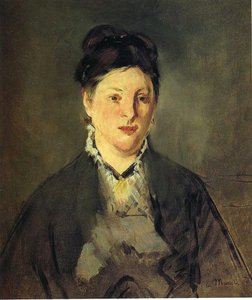


Fedezze fel a műalkotásokat témák, stílusok és jellemzők szerint csoportosítva.


Édouard Manet
Au Paradis
() ·
A kerettel együtt: · Kézzel festve, olajfesték, vászonon
Összesen