


 Megtekintés
 Küldés
 Megosztás
 Részletek
 Útmutató

 Letöltés
 Hasonló darabok
 X-ray felvétel
 Diavetítés
 Statisztika
untitled (246)


Experience Edvard Munch's iconic 'untitled (246)' – a haunting black & white depiction of a woman with red hair and her cat, capturing raw emotion and psychological depth.
 Összes részlet megjelenítése
Munch: A modern művész, aki a szorongást, a halált és az érzelmek viharát ábrázolta a festészetével. Fedezd fel a 'Sikoly' ikonikus alkotását és a norvég expresszionista géniuszát!
Giclée / Műnyomat
Múzeumi minőségű giclée vagy vászonnyomat, gyors gyártással és rugalmas finomítási lehetőségekkel. ( Kézzel festett másolat rendelése Áttérés digitális képre)




P118B Ft10

P118H Ft10

P118W Ft10

P438Z Ft10

P508JH Ft12

P508YH Ft12

P805H Ft10

P805Z Ft10

P919BZ Ft10

P919G Ft10

P919XJ Ft10

P959ZH Ft10

P968JZ Ft12

W106C Ft8

W218G Ft10

W218JH Ft8

W218Y Ft10

W307PJ Ft10

W316G Ft10

W316PJ Ft8

W316Y Ft10

W398PJ Ft8

W4111J Ft10

W500HY Ft15

W500JH Ft15

W692G Ft12

W849H Ft8

W940BG Ft15

W953PJ Ft8




Standard méret
egyedi méretű
CM
INCH
Válasszon előre meghatározott méreteink közül, amelyek megfelelnek a műalkotás eredeti arányainak.
Loading sizes...

szélesség
magasság
Írja be a keretének vagy a falának megfelelő szélességet és magasságot. A nyomatot csak le lehet vágni, soha nem tehető nagyobbá, mint az eredeti kép, így egy eltérő alakú méretnél a kép egy része elveszik. Mielőtt bármit kinyatintanánk, küldünk egy digitális próbamodellt jóváhagyásra. Az oldalon látható kép nem tartalmazza a valós levágást — ezt csak a próbamodell mutatja meg.
Világszerte történő kiszállítás területére mindössze 2 hét alatt, a szokásos 4-5 hét helyett. (25 október)

Ingyenes globális expressz szállítás

Prémium minőségű len vászon

Teljes körű szállítási biztosítás

Vámvisszatérítési Garancia

Hiteles színarányosság garancia

100 napos visszaküldési lehetőség (csak hibás termékek esetén)

100% pénzvisszatérítési garancia

Több darab vásárlásakor kedvezmény
 Az üvegkeretes opció csak 110 cm alatti méretben érhető el

untitled (246)
Giclée / Műnyomat
Reprodukció mérete
-


Összesített ár
Ft 22116
A Descent into Anguish: Unpacking Edvard Munch’s “Untitled (246)”
Edvard Munch's "Untitled (246)," a haunting black and white depiction of a woman cradling a cat, isn’t merely a portrait; it’s a visceral embodiment of the anxieties that defined the artist’s life and, by extension, much of modern experience. Painted in 1893 during a period of intense personal turmoil, this work transcends simple representation to become a profound meditation on grief, vulnerability, and the inescapable shadow of mortality. The painting's power lies not just in its subject matter but in Munch’s masterful manipulation of line, color (or rather, the absence thereof), and composition – elements that converge to create an atmosphere thick with unspoken sorrow.
Munch’s artistic journey was inextricably linked to his own personal tragedies. The early deaths of his mother and sister from tuberculosis cast a long shadow over his childhood, instilling in him a lifelong preoccupation with illness, loss, and the fragility of human existence. This deeply rooted emotional landscape is palpably present in “Untitled (246).” The woman’s face, rendered with an almost skeletal simplicity, conveys a profound sense of weariness and despair. Her eyes, vacant yet intensely focused, seem to stare into some distant, unbearable memory. The cat, nestled securely within her arms, offers a fleeting moment of tenderness – perhaps a symbolic representation of comfort or the last vestige of connection in a world increasingly defined by isolation.
Expressionist Techniques and the Power of Line
“Untitled (246)” is a quintessential example of Munch’s signature Expressionistic style. Rejecting academic realism, he prioritized conveying inner emotional states through distorted forms and exaggerated lines. Notice how the woman's body is elongated and contorted, her limbs seemingly adrift in space. The cat, too, is rendered with an unsettling fluidity, its form dissolving into a hazy suggestion of feline presence. Munch’s use of thick, swirling brushstrokes adds to the painting’s sense of unease and instability, mirroring the turbulent emotions he sought to capture.
The deliberate absence of color – the monochrome palette of black, white, and shades of gray – is crucial to the work's impact. This starkness amplifies the emotional intensity, stripping away any superficial distractions and forcing the viewer to confront the raw core of the scene. The limited tonal range creates a dramatic chiaroscuro effect, emphasizing the contours of the figures and casting them in an almost theatrical light. It’s as if Munch is illuminating not just the physical form but also the hidden depths of the woman's soul.
Symbolism and the Frieze of Life
“Untitled (246)” belongs to a series known as “The Frieze of Life,” a group of paintings that explored fundamental human experiences – love, anxiety, death, melancholy, and jealousy. Within this context, the painting can be interpreted as a representation of grief and the enduring struggle to find solace in the face of loss. The cat itself is often seen as a symbol of comfort and companionship, offering a brief respite from the overwhelming sadness. However, its presence also subtly underscores the isolation inherent in grief – a reminder that even in moments of tenderness, one remains fundamentally alone.
Furthermore, the painting’s composition echoes themes explored in Munch's broader artistic output. The woman’s posture suggests a state of passive resignation, mirroring the vulnerability and helplessness often associated with mourning. The overall effect is profoundly unsettling, prompting viewers to contemplate their own experiences with loss, loneliness, and the inevitable passage of time. It’s a work that demands introspection and rewards repeated viewing, revealing new layers of meaning with each encounter.
A Timeless Reflection on Human Emotion
“Untitled (246)” remains a powerfully resonant artwork over a century after its creation. Its enduring appeal lies in its ability to tap into universal human emotions – grief, vulnerability, and the search for connection. Reproductions of this iconic image continue to captivate audiences worldwide, serving as a poignant reminder of the complexities of the human condition. Whether displayed in a private collection or a public gallery, “Untitled (246)” offers a profound glimpse into the artistic genius of Edvard Munch and his unflinching exploration of the darkest corners of the human psyche.
Kérdések és válaszok
Hogyan kapcsolódnak „untitled (246)”, Edvard Munch alkotása színei a mű érzelmi töltetéhez?
A "untitled (246)" alkotásban a Earthy színek Melancholic érzetet kölcsönöznek.
Miért van az, hogy a "untitled (246)" szerzői jogi állapota ilyen?
Edvard Munch alkotása, a "untitled (246)", közösségi tulajdon – a szerzői jog lejártt státuszban van. A szerzői jogi védelem a művész halálától számítod, Edvard Munch pedig 1944 évben hunyt meg.
A "untitled (246)" egy híres Expressionist Painting művészeti alkotás?
A „untitled (246)”, Edvard Munch alkotása a Iconic kategóriába tartozik, és a Expressionist Painting irányzat részeként tekinthető.
A művész életrajza
Egy árnyékba burkolt élet: Edvard Munch világa
Edvard Munch, 1863-ban született Norvégia szikár tájain, egy olyan művész volt, akinek munkássága a modern kor szorongásainak és érzelmi viharainak szinonimájává vált. Élete mélyen jegyezte a veszteség és az átható melankólia bélyegét, ami inspirálta rendkívül kifejező művészetét. Gyermekkora árnyékában állt édesanyja és nővére korai halála – mindketten tuberkulózis következtében –, melynek hatására kísérteties rögzöttség alakult ki a halandóság, a betegség és az emberi létezés törékenysége iránt. Ezek a tapasztalatok nem csupán életrajzi részletek voltak; művészeti látásmódjának központi elemeivé váltak, ami szüntelen kutatást eredményezett a félelem, a gyász és a vágy belső tájképében. Apja szigorú vallási meggyőződései és saját mentális betegségei tovább mélyítették azt a rémisztő érzést, ami áthatotta Munch világát, formálva nemcsak személyes életét, hanem festményeinek szimbolikus nyelvét is. Ő nem egyszerűen jeleneteket ábrázolt; belső állapotokat externalizált, pszichológiai szenvedést vizuális formába öntött.
Az expresszió génézise: Hatások és művészeti fejlődés
Munch művészi útja a Királyi Művészeti Iskolában (Kristiania, Oslo) kezdődött, de a bohémi körökkel való találkozása és Hans Jæger nihilista filozófiája gyújtotta igazán lángra kreatív tűzét. Jæger bátorította Munchot, hogy hagyja el a konvencionális akadémiai stílusokat, és merüljön el saját szubjektív élményeinek mélységeiben, egy olyan fogalommal, amit “lélekszimbolikának” nevezett. Ez a fordulópont jelentette Munch jellegzetes stílusának kezdetét – amely nyers érzelmekkel, torz formákkal és a naturalisztikus ábrázolás elutasításával jellemezhető. Párizsi utazásai az 1890-es években bevezették őt a virágzó posztimpresszionista mozgalomba, ahol Paul Gauguin, Vincent van Gogh és Henri de Toulouse-Lautrec művészeinek hatását szívta magába. A merész színek használata, kifejező ecsetvonások és pszichológiai intenzitás mélyen rezonált Munch saját művészeti törekvéseivel. Ő nem egyszerűen utánozta technikájukat; hanem egyedi módon szintétezte azokat – egy vizuális nyelvet, amely képes volt közvetíteni a legmélyebb és nyugtalanító emberi érzelmeket. Berlini időszaka is kulcsfontosságúvá vált, kapcsolatba hozva őt August Strindberg drámaíróval, akinek pszichológiai témák feltárása tovább ösztönözte Munch művészeti vizsgálatait.
Ikonikus látomások: Főbb alkotások és szimbolikus jelentésük
Munch életműve olyan képekkel népesül be, amelyek mélyen bevésődtek a kollektív tudatba. A Sikoly, talán leghíresebb műve, túllépi festmény státuszát, és az egzisztenciális szorongás univerzális szimbólumává válik. Az örvénylő, lángoló táj és a figura eltorzult arca egy ősi sikolyt testesít meg az univerzum közönyössége ellen. A Madonna, egy vitatott és mélyen személyes alkotás, nyugtalanító őszinteséggel tárja fel a szexualitás, az anyaság és a halandóság témáit. Ismétlődő motívumok, mint például A beteg gyermek – amely Sophie nővére elvesztéséből merít inspirációt – megható emlékeztetők Munch gyermekkori traumájára és a halál állandó jelenlétére. A Melankólia I & II, a mély szomorúság és elszigeteltség erőteljes ábrázolásai, olyan sérülékenységet mutatnak, amely egyaránt személyes és univerzálisan érthető. Ezek a művek nem egyszerűen a külső valóság reprezentációi; hanem az artista lelkébe nyíló ablakok, amelyek őszinte pillantást engednek be az emberi psziché legsötétebb sarkába. Munch nem szép képeket akart létrehozni; igazságot kereste – még akkor is, ha ez a valóság fájdalmas és nyugtalanító volt.
Tartós örökség: Történelmi jelentőség és maradandó hatás
Edvard Munch hozzájárulása a modern művészethez felbecsülhetetlen. A kifejezésművészet egyik alapvető alakjaként áll, utat nyitva azoknak az alkotóknak, akik a szubjektív érzelmeket helyezték előbbre az objektív reprezentációval szemben. Univerzális emberi tapasztalatok – szeretet, veszteség, szorongás és halál – őszinte feltárása ma is rezonál a közönséggel, megerősítve helyét a művészettörténet egyik legbefolyásosabb és tartós alakjaként. Munkássága mélyen hatott a következő generációk alkotóira, befolyásolva olyan irányzatokat, mint például a német expresszionizmus és azon túl. Merte szembenézni az emberi lét sötét oldalaival, megkérdőjelezve a szépség hagyományos fogalmait és a művészeti reprezentációt. Még híres elismeréseinek elérése után is – ami az oslói Munch Múzeum alapításával csúcsolódott ki – személyes élete turbulens maradt, mentális instabilitás és magány időszakaival tarkítva. Ennek ellenére folyamatosan alkotott, hagyva maga után egy olyan életművet, amely továbbra is provokál, kihívást jelent és inspirál. Munch öröksége nem csupán a festményekről szól; hanem az emberi létezés összetettségének szembenézésének bátorságáról és ezeknek a tapasztalatoknak olyan művészetté alakításáról, amely beszél a legmélyebb részeinkhez.

Edvard Munch
1863 - 1944 , Svédország
Rövid információk
- Artistic Movement Or Style: Expresszionizmus
- Artists Or Movements Influenced By This Artist: ['Német expresszionizmus']
- Artists Who Influenced This Artist:
- Paul Gauguin
- Van Gogh
- Toulouse-Lautrec
- Date Of Birth: 1863. december 12.
- Date Of Death: 1944. január 23.
- Full Name: Edvard Munch
- Nationality: Norvég
- Notable Artworks:
- A sikoly
- Madonna
- Beteg gyermek
- Place Of Birth: Ådalsbruk, Svédország
Kapcsolódó cikkek

A Fekete Szín Mesterei: 10 Híres Festmény, Amelyek Elvarázsolnak – TopImpressionists.com
Fedezze fel a 10 leghíresebb, fekete tónusú festményt! Rembrandt, Goya és Manet remekművei elvarázsolják. Művészettörténet, inspiráció otthonába – TopImpressionists.com kínálatából. Fedezze fel a teljes gyűjteményt online!
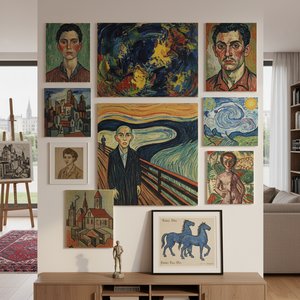
A kifejezésművészet 10 legikonikusabb remekműve – festmények otthonra a TopImpressionists-tól
Fedezze fel a kifejezésművészet 10 legmeghatározóbb remekművét! Munch, Kirchner és Kandinsky alkotásainak története. Vászonképek otthonra – magas minőségű műalkotások a TopImpressionists-tól. Explore the full collection online!

Edvard Munch 25 Mesterműve: A Lélek Mélyén – Vászonképek és Dekorációk a TopImpressionists-on
Fedezze fel Edvard Munch 25 legikonikusabb művét! Merüljön el az expresszionizmus mélyén, ismerje meg A Sikoly történetét és a norvég festészet remekműveit. Vászonképek és galéria minőségű reprodukciók a TopImpressionists-on – inspiráló otthon dekorációért. Explore the full collection online!

A Fehér Szín Mesterei: 10 Híres Festmény, Amelyek Elvarázsolnak – TopImpressionists.com
Fedezze fel a 10 legikonikusabb fehér tónusú festményt! Monet, Van Gogh és más mesterek alkotásainak története. Vászonképek, reprodukciók – inspiráció otthonába. TopImpressionists.com: minőségi művészet online.

Edvard Munch: Anxiety, Modernity & the Dawn of Expressionism
Explore the profound world of Edvard Munch, pioneer of Expressionism. Discover the origins of 'The Scream' & his haunting depictions of anxiety, mortality, and love. Expert analysis & high-quality reproductions at TopImpressionists.
Fedezze fel a műalkotásokat témák, stílusok és jellemzők szerint csoportosítva.


