


 Megtekintés
 Küldés
 Megosztás
 Részletek
 Útmutató

 Letöltés
 Hasonló darabok
 X-ray felvétel
 Diavetítés
 Statisztika
Drug Store
 Akril vászonon
- Falfelültethető művészetek
- Kortárs realizmus
 1927
1927- Modern kor
 Művészeti Múzeum, Boston
Edward Hopper „Drug Store” (1927) című műve a városi izolációt ábrázolja éles realizmusával és megfagyasztó fényekével. Fedezze fel ennek az ikonikus amerikai festménynek a részleteit és művészeti jelentőségét.
 Összes részlet megjelenítése
Edward Hopper: amerikai realizmus mestere, a magány és az urbán élet évtizedeihez illő fényekkel és árnyakkal. Nighthawks, Monhegan Houses ikonikus festményei!
Az ezen az oldalon megjelenített műalkotások szerzői jogi védelem alatt állnak, ami azt jelenti, hogy törvényileg nem készíthetünk és nem adhatunk el belőlük pontos másolatokat. Ez a védelem olyan nemzetközi megállapodások alapján érvényesül, mint például a Berni Egyezmény és a nemzeti jogszabályok által, beleértve azokat is, amelyeket meghatározott Az USA szerzői jogi törvénye – 17. cím.
Ez a módszer teljes mértékben megfelel a szerzői jogi szabályozásnak, mivel nem tartalmazza a védett műalkotás másolását vagy duplikálását. Ehelyett ez egy kreatív újinterpretáció – egy új festmény, amely az eredetivel való összefüggései miatt hatással van rá, de nem az az.
Giclée / Műnyomat
Múzeumi minőségű giclée vagy vászonnyomat, gyors gyártással és rugalmas finomítási lehetőségekkel. ( Kézzel festett másolat rendelése Áttérés digitális képre)




P118B Ft10

P118H Ft10

P118W Ft10

P438Z Ft10

P508JH Ft12

P508YH Ft12

P805H Ft10

P805Z Ft10

P919BZ Ft10

P919G Ft10

P919XJ Ft10

P959ZH Ft10

P968JZ Ft12

W106C Ft8

W218G Ft10

W218JH Ft8

W218Y Ft10

W307PJ Ft10

W316G Ft10

W316PJ Ft8

W316Y Ft10

W398PJ Ft8

W4111J Ft10

W500HY Ft15

W500JH Ft15

W692G Ft12

W849H Ft8

W940BG Ft15

W953PJ Ft8




Standard méret
egyedi méretű
CM
INCH
Válasszon előre meghatározott méreteink közül, amelyek megfelelnek a műalkotás eredeti arányainak.
Loading sizes...

szélesség
magasság
Írja be a keretének vagy a falának megfelelő szélességet és magasságot. A nyomatot csak le lehet vágni, soha nem tehető nagyobbá, mint az eredeti kép, így egy eltérő alakú méretnél a kép egy része elveszik. Mielőtt bármit kinyatintanánk, küldünk egy digitális próbamodellt jóváhagyásra. Az oldalon látható kép nem tartalmazza a valós levágást — ezt csak a próbamodell mutatja meg.
Világszerte történő kiszállítás területére mindössze 2 hét alatt, a szokásos 4-5 hét helyett. (25 október)

Ingyenes globális expressz szállítás

Prémium minőségű len vászon

Teljes körű szállítási biztosítás

Vámvisszatérítési Garancia

Hiteles színarányosság garancia

100 napos visszaküldési lehetőség (csak hibás termékek esetén)

100% pénzvisszatérítési garancia

Több darab vásárlásakor kedvezmény
 Az üvegkeretes opció csak 110 cm alatti méretben érhető el

Drug Store
Giclée / Műnyomat
Reprodukció mérete
-


Összesített ár
Ft 22116
Csendes pillanat a városban: Az Edward Hopper-féle „Drug Store” (1927) felfedezése
Az amerikai mester, Edward Hopper 1927-ben festett „Drug Store” (Patika) az urbanitás megható ábrázolása – egy életpillanat, amelyet a realizmus és a finom érzelmi rezonancia sajátos ötvözetével örökített meg. Ez az olyk canvas a nézőt egy hallgatni való téli utcasképbe invitálja, amelyet egy gyógyszertár fényesen megvilágított üzletfrontja ural. A mű nem csupán egy helyszín dokumentációja, hanem a modern izoláció és az amerikai városok csendes ritmusainak mélyreható vizsgálata.Téma és kompozíció: Egy színpad a modern élethez
A festmény egy patika homlokzatára összpontosít, melynek hatalmas ablakában különféle áruk – valószínűleg gyógyszerek és mindennapi szükségességek – láthatóak. A hó takarja az utca felületét, mozdulatlan segítséget sugallva, hangsúlyozva az épület geometrikus formáit. Hopper kompozíciója tudatosan lapított; a jelenetet kissé megemelett perspektívából látjuk, mintha az utca túloldaláról, vagy akár egy felsőbb emeği ablakból figyelhetnénk. Ez a nézőpont távolságtartó érzéséhez is gópül. Az üzletfront erős horizontális vonalai egyensúlyt alkotnak az épületek vertikalitásával és a havas utca sugallt mélységével. Magát a patikát is színpaddá teszi a mű, világított beltere kontrasztba kerülve a téli táj visszafogott tónusaival.Stílus és technika: Érzelemmel árasztott realizmus
Hopper stílusa szilárdan gyökerezik a realizmusban, mégis túlmutat az egyszerű ábrázoláson. Nem a fotógram precizitást törekszik, hanem a formát és a fényt használja egy meghatározott hangulat közvetítésére. Az ecsettartás látható – nem agresszív módon, de elég ahhoz, hogy feltárja a festék textúráját és a művész kezének nyomát. Ez a technika kissé impresszionista minőséget kölcsönöz a munkának, lágyítva az éleket és atmoszférikus érzetet teremtve. Hopper mesterien rétegezi az olajfestéket, mélységet építve, és megörökítve a hóról és az üvegről visszavert fény finom árnyalatait. A hideg színpaletta – kék, szürke és fehér – dominál, amelyet az ablakban stratégiailag elhelyezett melegebb vörös és sárga tónusok szakítanak, hogy a tekintetet magukra vonják.Történelmi kontextus és hatások
A „Drug Store” az amerikai társadalmi és gazdasági változások gyors érájában, a „Rug대는 évtizedekben” készült, tükrözve a modernizáció során növekvő idegenedés érzését. Hopper-t francia realista mesterek, mint Édouard Manet és Edgar Degas példája érintette, átvéve tőlük a mindennapi életre való fókuszálást, de egy egyedülálló amerikai érzékiséggel árasztva meg a műveit. Inspirációt merített Ralph Waldo Emerson írásaiból is, amelyek az individualizmust és az önreflexiót hangsúlyozták. Ellentétben korabeli sok művészszel, akik az absztrakciót vagy az európai avantgárd mozgalmakat választották, Hopper hű maradt ahhoz, hogy úgy ábrázolja a világot, ahogy azt látta – egy olyan világot, amelyet gyakran magány és csendes kétségbeesés jellemzett.Szimbolika és érzelmi hatás
A szimbolika a „Drug Store”-ban finom, mégis erőteljes. Magát a patikát gyógyulást és sebezhetőséget is képviselhetet: egy helyet, ahová az emberek megnyugvásért fordulnak, ugyanakkor emlékeztetőként is szolgál fizikai törékenységükre. Az üres utca és az emberi alakok hiánya fokozza az izoláció érzését. A festmény mozdulatlanság, melankólia és talán egy kevés nyugtalanság érzését ébreszti. Olyan jelenet, amely a nézőben rezonál, mert érint egy univerzális magányt és a kapcsolódás keresését egy egyre személytelenebb világban.Kérdések és válaszok
Megtekinthetem a "Drug Store" alkotást részletesebben?
A „Drug Store” rétegről rétegre vizsgálható a mű alkotásának X-ray felvétel oldalán, amely egy restaurátori fényasztal alapján készült interaktív néző, és tizenegyi optikai rétegben mutatja be a képet.
Hol tudok nyomtatványt vásárolni a(z) „Drug Store”, Edward Hopper alkotása alkotásból?
A „Drug Store”, Edward Hopper alkotása nyomtatott példányát egyszerűen megrendelheti a következő oldalon: minőségi giclée nyomat pamutvászonon vagy archiváló vászonpapíron, a Művészeti nyomtatvány kautta.
Hová sorolható a "Drug Store" Edward Hopper életművében?
A "Drug Store" megosztja Edward Hopper többi művével a Kortárs realizmus stílust és a rögzített témákat: korai hopper témák, városképek és magány, pszichológiai realizmus, robert henri, realizmus, ashcan iskola, városi élet, városi idegenség.
A művész életrajza
A Solitude Observed: The Life and Art of Edward Hopper
Edward Hopper, a name inextricably linked to the quietude and subtle melancholy that permeated 20th-century American life, wasn’t simply a painter of scenes; he was a poet of light and shadow, a chronicler of modern isolation. Born in Nyack, New York, in 1882, to middle-class parents of Dutch ancestry, Hopper's early years provided a stable upbringing that nurtured his artistic inclinations. From childhood sketches meticulously dated and signed, it became evident that keen observation and an innate talent for drawing were central to his being. Though initially encouraged towards commercial illustration – a pragmatic suggestion from his parents – Hopper’s ambitions leaned toward fine art, leading him to the New York School of Art where he studied under William Merritt Chase and Robert Henri. These formative years instilled not only technical skill but also an appreciation for realism and a commitment to depicting the world as he saw it—unvarnished and honest. The writings of Ralph Waldo Emerson resonated deeply with Hopper, reinforcing his sense of individualism and acute observation – qualities that would become hallmarks of his artistic vision. Early travels to Paris exposed him to Impressionism, yet Hopper quickly diverged from its fleeting brushstrokes, forging a path uniquely his own.Finding His Voice: Realism and the American Scene
Hopper’s artistic journey wasn't immediate or effortless. He grappled with discovering his distinctive voice, experimenting with various styles before settling into the realism that would define his career. This wasn’t mere replication of reality; it was a distillation of its essence, stripping away extraneous detail to reveal underlying emotional truths. His paintings began to focus on everyday scenes – houses, diners, offices, hotel rooms – imbued with a sense of stillness and often, loneliness. He possessed an extraordinary ability to capture the psychological states of his subjects, hinting at narratives without explicitly stating them. The precise rendering of light and shadow became crucial, not merely as descriptive elements but as emotional cues, creating atmospheres that were both captivating and unsettling. House by the Railroad (1925), an early masterpiece, exemplifies this approach—a seemingly simple composition radiating a profound sense of isolation and mystery. Hopper’s printmaking, often overlooked, ran parallel to his painting, sharing similar themes and stylistic qualities, demonstrating his mastery across mediums. He wasn't interested in grand historical narratives or allegorical symbolism; he focused on the mundane, elevating it through careful observation and emotional resonance.Iconic Visions: Nighthawks and Beyond
While Hopper’s career unfolded gradually, certain works catapulted him to widespread recognition. Nighthawks (1942), arguably his most famous painting, became an instant icon of American culture. The late-night diner scene, bathed in stark fluorescent light, perfectly encapsulates the alienation and anonymity of modern urban life. The figures within are lost in their own thoughts, disconnected from one another despite their proximity—a poignant commentary on the human condition. Gas (1940), with its striking portrayal of a roadside gas station, showcases Hopper’s fascination with American landscapes and the burgeoning automobile culture. Other notable works like *Automat*, *Office in a Small City*, and *Summertime* each offer unique insights into the complexities of 20th-century American society. These paintings weren't merely depictions of places; they were explorations of mood, psychology, and the subtle dramas unfolding within ordinary settings. His wife, Josephine Nivison Hopper, played a vital role not only as his lifelong companion but also as a frequent model, contributing significantly to the characterization of his female figures.Themes and Legacy: A Lasting Influence
Several recurring themes permeate Hopper’s oeuvre. Urban isolation is perhaps the most prominent—the sense of loneliness experienced by individuals even amidst crowds. He explored the American landscape, both rural and urban, often emphasizing its starkness and emptiness. His work delves into psychological realism, probing the inner lives of his subjects with a sensitivity that transcends mere representation. There’s also an undercurrent of nostalgia for a simpler past, juxtaposed with an acknowledgement of the complexities and anxieties of modern life. Hopper's influence on subsequent artists is undeniable. His unique style has inspired countless painters, including Pierre Sanford Ross, and continues to resonate with contemporary artists seeking to capture the essence of human experience. His paintings remain highly sought after by collectors and are exhibited in major museums worldwide, solidifying his place as a pivotal figure in American art history. More than just an artist, Edward Hopper was a visual philosopher, offering profound insights into the human condition through his masterful use of light, shadow, and composition.- His legacy lies not only in the beauty of his paintings but also in their enduring ability to provoke thought, evoke emotion, and remind us of the quiet solitude that often defines our lives.
- Hopper’s work continues to captivate audiences because it speaks to universal themes of loneliness, isolation, and the search for meaning in a rapidly changing world.
- His paintings have become iconic representations of American culture, often used to symbolize the anxieties and aspirations of the 20th century—and beyond.
- Hopper’s aesthetic has profoundly influenced filmmakers (like Alfred Hitchcock) and writers, inspiring countless works that explore similar themes of alienation and psychological tension.

Edward Hopper
1931 - 1967 , Egyesült Államok
Rövid információk
- Artistic Movement Or Style: Realista
- Artists Or Movements Influenced By This Artist: ['Pierre Sanford Ross']
- Artists Who Influenced This Artist:
- William Chase
- Robert Henri
- Date Of Birth: 1882. július 22.
- Date Of Death: 1967. május 15.
- Full Name: Edward Hopper
- Nationality: Amerikai
- Notable Artworks:
- Nighthawks
- House by the Railroad
- Gas
- Place Of Birth: Nyack, USA
Kapcsolódó cikkek
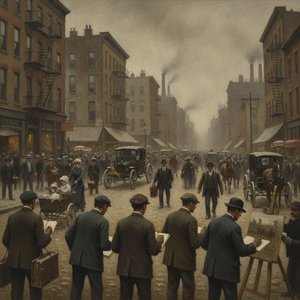
The Ashcan School: Capturing the Raw, Unfiltered Soul of Urban Life through American Realism
Discover the raw beauty of the Ashcan School. Explore how masters like Bellows and Henri captured the gritty, vibrant soul of early 20th-century New York through profound American Realism and evocative urban landscapes.

The Unvarnished Truth: A Cultural Journey Through the Soul of American Realism
Explore the profound beauty of American Realism. From the Ashcan School's urban grit to intimate portraits, discover how artists captured the authentic soul of a nation through unvarnished truth and masterful observation.
Fedezze fel a műalkotásokat témák, stílusok és jellemzők szerint csoportosítva.


