

A képen: · A kerettel együtt:
 Megtekintés

 Küldés
 Megosztás
 Részletek
 Útmutató


 Letöltés
 Hasonló darabok
 X-ray felvétel
 Diavetítés
 Kérdések és válaszok
 Statisztika

Ft 22895
Giclée / Műnyomat
Múzeumi minőségű giclée vagy vászonnyomat, gyors gyártással és rugalmas finomítási lehetőségekkel. ( Kézzel festett másolat rendelése Áttérés digitális képre)
Ez a műalkotás szerzői jogi védelem alatt áll
Az ezen az oldalon megjelenített műalkotások szerzői jogi védelem alatt állnak, ami azt jelenti, hogy törvényileg nem készíthetünk és nem adhatunk el belőlük pontos másolatokat. Ez a védelem olyan nemzetközi megállapodások alapján érvényesül, mint például a Berni Egyezmény és a nemzeti jogszabályok által, beleértve azokat is, amelyeket meghatározott Az USA szerzői jogi törvénye – 17. cím.
Mint tiszteletes és törvényes alternatívát, olyan egyedi, kézzel festett alkotásokat kínálunk, amelyek az eredetiből merítnek inspirációt. Tapasztalt és professzionális művészeink alaposan tanulmányozzák az eredeti stílusát, hangulatát és művészeti esszenciáját, hogy egy olyan új, egyedi alkotást hozzunk létre, amely ugyanazt az érzést kelti – miközben önálló, eredeti alkotásként létezik.
Ez a módszer teljes mértékben megfelel a szerzői jogi szabályozásnak, mivel nem tartalmazza a védett műalkotás másolását vagy duplikálását. Ehelyett ez egy kreatív újinterpretáció – egy új festmény, amely az eredetivel való összefüggései miatt hatással van rá, de nem az az.
 További információk
Méret
·Standard méret
egyedi méretű
CM
INCH
Válasszon előre meghatározott méreteink közül, amelyek megfelelnek a műalkotás eredeti arányainak.
Méretek betöltése...

szélesség
magasság
Írja be a keretének vagy a falának megfelelő szélességet és magasságot. A nyomatot csak le lehet vágni, soha nem tehető nagyobbá, mint az eredeti kép, így egy eltérő alakú méretnél a kép egy része elveszik. Mielőtt bármit kinyatintanánk, küldünk egy digitális próbamodellt jóváhagyásra. Az oldalon látható kép nem tartalmazza a valós levágást — ezt csak a próbamodell mutatja meg.
Befejezés
·
Fehér Ft1

Elmosódott szélek Ft1

Kiterjesztett Ft1

P118B Ft10

P118H Ft10

P118W Ft10

P438Z Ft10

P508JH Ft12

P508YH Ft12

P805H Ft10

P805Z Ft10

P919BZ Ft10

P919G Ft10

P919XJ Ft10

P959ZH Ft10

P968JZ Ft12

W106C Ft8

W218G Ft10

W218JH Ft8

W218Y Ft10

W307PJ Ft10

W316G Ft10

W316PJ Ft8

W316Y Ft10

W398PJ Ft8

W4111J Ft10

W500HY Ft15

W500JH Ft15

W692G Ft12

W849H Ft8

W940BG Ft15

W953PJ Ft8

H24-GOLD Ft30

H24-SILVER Ft30

H36-GOLD Ft45

H36-SILVER Ft45
Védődobozban, feltekercselve szállítva, készen a saját keretbe helyezésre.
Extrák
opcionálisMit tartalmaznak a plusz szolgáltatások?
Világszerte történő kiszállítás területére mindössze 2 hét alatt, a szokásos 4-5 hét helyett. (23 november)
Védőréteg (Lakk)
Névtábla
A gravírozott bronztábla részletei
This elegant plaque features the artist's name and the title of the artwork, finely engraved for a timeless presentation.
It is made from bronze with a refined, elegant finish. The text is precisely laser-engraved for a sharp and permanent result. Measuring 9x2 cm, the plaque is compact yet easy to read. It's built to be durable and scratch-resistant, offering a professional, museum-quality look. Mounting is simple thanks to the included adhesive backing.
Átlátszó akril tábla részletei
The plaque includes essential engraved details such as the artist's name, the title of the artwork, the date it was created, the type of media used-like oil on canvas or watercolor-a brief description of the piece, and a QR code that links to the complete artwork information.
It is crafted from clear acrylic, offering a sleek, modern appearance. The text is UV-engraved in black to ensure strong visual contrast. With a size of 10x15 cm, it ensures optimal readability. It comes equipped with two metal hooks for secure wall mounting. The plaque is designed to be weather-resistant, making it suitable for various environments, and it includes interactive features that work seamlessly with smartphone scanning.
Fekete akril tábla részletei
This elegant plaque includes engraved information such as the artist's name, the title of the artwork, the date it was created, the type of media used (like oil on canvas or watercolor), a short description of the artwork, and a QR code for quick access to more information.
The plaque itself is made from refined black acrylic with a premium finish. The text is laser-engraved in white for high contrast and readability. Its size is 10x15 cm, designed to be easy to read. It comes with two metal hooks for professional mounting. The design is sleek and fits any interior style. It is also weather-resistant and durable, with built-in digital integration for mobile compatibility.
Az üvegkeretes opció csak 110 cm alatti méretben érhető el
 Az üvegkeretes opció csak 110 cm alatti méretben érhető el
- Ingyenes globális expressz szállítás
- Prémium minőségű len vászon
- Teljes körű szállítási biztosítás
- Vámvisszatérítési Garancia
- Hiteles színarányosság garancia
- 100 napos visszaküldési lehetőség (csak hibás termékek esetén)
- 100% pénzvisszatérítési garancia
- Több darab vásárlásakor kedvezmény


A gyűjtemény leírása
Edward Hopper's 'Intermission' captures a solitary woman in a theater aisle, evoking quiet contemplation and the poignant beauty of modern isolation. A timeless masterpiece.
A művész életrajza
Az urbánus izoláció és az éreztető fény amerikai realista művésze, aki egy késő éjszakai étterem vagy egy magányos benzinkút csendjét örökíti meg.
A műalkotásról
The Quiet Drama of a Waiting Room
Edward Hopper’s Intermission, painted in 1963, isn't merely a depiction of a theater lobby; it’s a meticulously crafted tableau of human isolation and the poignant beauty of unspoken moments. The painting immediately draws the viewer into a scene steeped in a muted, almost melancholic atmosphere – a stark contrast to the vibrant energy typically associated with theatrical performances. Hopper masterfully employs his signature style, characterized by simplified forms, precise lines, and an astute observation of light and shadow, to create a space that feels both familiar and profoundly unsettling.
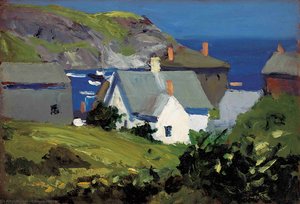
The composition itself is a study in restraint and suggestion. A woman, seated alone in a green aisle seat, dominates the foreground, her posture conveying a quiet contemplation that invites speculation about her thoughts and experiences. The surrounding chairs, arranged in neat rows, contribute to a sense of impersonal order, emphasizing her solitude within this public space. Hopper’s use of horizontal lines – the walls, the floor, the seats – creates a feeling of stillness, while subtle variations in tone and texture hint at the underlying complexity of the scene.
A Masterclass in Light and Shadow
Hopper's technical skill is evident in his precise rendering of light. The diffused illumination emanating from the unseen stage casts soft shadows that subtly define the forms, creating a sense of depth without resorting to dramatic contrasts. This delicate handling of light isn’t merely aesthetic; it serves to heighten the painting’s emotional impact, suggesting both vulnerability and resilience. Notice how the light catches the woman's dress, highlighting her form while simultaneously obscuring details, adding to the air of mystery surrounding her.
The color palette—predominantly muted greens, grays, and blacks—further reinforces the painting’s somber mood. The subtle shifts in tone within these hues create a sense of visual richness, preventing the scene from feeling flat or lifeless. Hopper's choice of colors is deliberate, evoking the atmosphere of a late-night theater lobby – a space often associated with anticipation, reflection, and perhaps even a touch of melancholy.
Symbolism and the Poetics of Modern Life
Intermission resonates deeply because it taps into universal themes of loneliness, isolation, and the passage of time. The woman’s solitary presence in the theater lobby speaks to the human condition—the feeling of being present yet detached, observing life from a distance. The clock visible in the background subtly reinforces this sense of temporal awareness, reminding us that time continues to move forward even as we remain suspended in these moments of quiet contemplation.
Hopper’s work is often interpreted as a reflection on the alienation and anonymity of modern urban life. The theater itself can be seen as a metaphor for the human drama—a stage upon which we all play our roles, often feeling like solitary figures amidst a vast audience. The painting's enduring appeal lies in its ability to capture these complex emotions with remarkable subtlety and grace.
A Legacy of Quiet Observation
Intermission stands as a testament to Edward Hopper’s extraordinary talent for capturing the essence of American life—its beauty, its loneliness, and its quiet moments of introspection. Painted in his later years, it represents a culmination of his artistic vision, demonstrating his mastery of light, composition, and symbolism. Reproductions of this iconic work continue to captivate viewers, inviting us to pause, reflect, and contemplate the universal themes that resonate within its carefully constructed scene.
Kérdések és válaszok
Milyen kontraszt jellemzi a „Intermission”, Edward Hopper alkotása alkotást?
A „Intermission”, Edward Hopper alkotása kontrasztját Statement teszi.
Hogyan kapcsolódnak „Intermission”, Edward Hopper alkotása színei a mű érzelmi töltetéhez?
A „Intermission”, Edward Hopper alkotása egy Neutrals színpalettát ötvöz a Melancholic hangulatú tónussal.
Milyen technikával készült a „Intermission”, Edward Hopper alkotása?
A „Intermission”, Edward Hopper alkotása technikája Oil On Canvas. A reprodukciók célja ezen technika megjelenítésének hiteles återadása.
Gyors tények és művészeti kvíz
Edward Hopper életrajza

Edward Hopper
1882 - 1967, Egyesült Államok
A művész életrajza
Az amerikai táj csendje
Edward Hopper az Egyesült Államokban, Upper Nyackban született. Korai éveit a világ megfigyelésével töltötte, folyamatos és megfigyelő tekintettel, egy olyan szokással, amely már gyermekkori vázlatokból indulva, pontos dátumokkal és aláírásokkal jegyzették meg. Bár szülei a grafikai ágazatban látott, praktikusabb utat javasoltak számára, ő a tiszta művészet felé helyezte el elméletét. A New York School of Art-on William Merritt Chase és Robert Henri alatt tanult. Ezek az évek megtanították őt azt a technikai fegyelmet, amely a világ őszinte és csiszolatlan ábrázolásához szükséges volt. Nem a párizsi impresszionisták pillanatnyi, elszálló ecsetvonala mögé törepedett; helyette egy olyan látásmódot fejlesztett ki, amely a tömeg mozgása helyett a pillanat megálltát és megzengető csendjét részesítette előbírnyedet.
Művészete gyakran a hétköznapi mundus körül forog. Házakat, éttermeket, irodákat és hotelmegszállásokat figyelte meg, és minden felesleges részletet elhagyva próbált meg tízezres mélységű érzelmi igazságot találni a jelenet mögött. Az House by the Railroad (1925) című művében egy egyszerű kompozíció titokzatos izoláltságot áraszt. A fényt és az árnyékot nem csupán a szoba leírására használta, hanem hangulatteremtő eszközként. Egy falon táncoló árnyék pontos megábrázolása vagy a fény módja, ahogy egy ablakon keresztül bezár, az ő módja lett a válságos, belső lelki állapotok közvetítésének.
A fény és az urbán belső világ
A fény, amely egy térbe árad, központi szereplővé vált festményeiben. A Nighthawks (1942) című alkotásban az éjszakai étterem éles, fluorescent fénye áttöri az elhagyatott városi utca sötétét. A bent lévő alakok fizikailag közel stojnak egymáshoz, mégis a saját gondolataikba elmerülve, egymástól elszigetelve tűnnek fel. A zsúfolt városban érezhető ez az anonimitas érzése vált műveinek ismétlődő témájává. Megtetszik benne az a feszültség, amely egy nyilvános helyen való egyedüllétből fakad, egy olyan érzés, amely az Automat és az Office in a Small City című műveiben is visszajelző. Különösen érdekli őt az a folyamat, amely során a mesterséges fény találkozásba kerül az éjszaka természetes, ősi sötétjével.
Felesége, Josephine Nivison Hopper állandó jelenet volt életében. Mint művész, gyakran szolgált modelljeiént is, és jelenléte a női alakok karakterizálásában érezhető. Együtt, szerény életet élték, gyakran töltve az év szüntetéseit Új-Angliában, ami jelentősen befolyásolta a festette tájakat. Amerikai tájképei – legyen szó vidéki vagy urbán környezetről – gyakran egyfajta ridegséget vagy ürességet árasztanak. Legyen szó a Gas (1940) című művben látható útmenti benzinstannapról vagy egy csendes hotelszobáról, a téma mindig az fizikai hely és a privát, belső élmény találkozása.
Az megfigyelés öröksége
Hopper hatása a filmek és az irodalom vizuális nyelvét is átszöszteje. Képesége a kompozíción keresztül pszichológiai feszültséget szerezni, azt számos olyan kutatót lenyűgöz, aki a történetmesélést vizuális elemeken keresztül vizsgálja. Festményei a világ számos neves múzeumaiban megtalálhatóak, például a Whitney Museum of American Art és a Museum of Fine Arts kollekcióiban, Bostonban. Nem a nagy történelmi narratívák után kutatott; inkább a hétköznapi élet csendes, elhagyott szegleteit választotta témájának, egy egyszerű ablakot vagy egy elhaladó idegenet is az emberi létezés tanulmányává emelve. Művészete a néma szavazat tanulmányozatának marad, amely az emberek közötti terekben rejlik.
Gyors információk Edward Hopper művészről
- Artistic Movement Or Style: Amerikai realizmus
- Artists Or Movements Influenced By This Artist: ['Pierre Sanford Ross']
- Artists Who Influenced This Artist:
- William Merritt Chase
- Robert Henri
- Edgar Degas
- Édouard Manet
- Date Of Birth: 1931
- Date Of Death: 1967
- Full Name: Edward Hopper
- Nationality: Amerikai
- Notable Artworks:
- Nighthawks
- Gas
- House by the Railroad
- Automat
- Office in a Small City
- Summertime
- Place Of Birth: Upper Nyack, Egyesült Államok
Fedezze fel a műalkotásokat témák, stílusok és jellemzők szerint csoportosítva.




Edward Hopper
Intermission
() ·
A kerettel együtt: ·
Összesen