


 Előnézet
 Megosztás
 Megosztás
 Részletek
 Útmutató

 Letöltés
 Hasonló darabok
 X-ray felvétel
 Diavetítés
 Statisztika
Sunflower


A melancholic study of decay and fragility, Egon Schieles 1909 Expressionist Sunflower captures a hauntingly beautiful floral portrait that invites you to explore the profound depths of this timeless masterpiece.
 Tovább olvasom
Fedezd fel Egon Schiele expresszionista művészi világát! Mély psihológiai elemzés, vonal és érzelmi erővel – részletes információkat és képeket itt találhatsz!
Giclée / Műnyomat
Múzeumi minőségű giclée vagy vászonnyomat, gyors gyártással és rugalmas finomítási lehetőségekkel. ( Kézzel festett másolat vásárlása Áttérés digitális képre)




P118B Ft10

P118H Ft10

P118W Ft10

P438Z Ft10

P508JH Ft12

P508YH Ft12

P805H Ft10

P805Z Ft10

P919BZ Ft10

P919G Ft10

P919XJ Ft10

P959ZH Ft10

P968JZ Ft12

W106C Ft8

W218G Ft10

W218JH Ft8

W218Y Ft10

W307PJ Ft10

W316G Ft10

W316PJ Ft8

W316Y Ft10

W398PJ Ft8

W4111J Ft10

W500HY Ft15

W500JH Ft15

W692G Ft12

W849H Ft8

W940BG Ft15

W953PJ Ft8




Standard méret
egyedi
CM
INCH
Válasszon előre meghatározott méreteink közül, amelyek megfelelnek a műalkotás eredeti arányainak.
Loading sizes...

szélesség
magasság
Type the width and the height you need, to fit your frame or your wall. A print can only be cut, never made bigger than the picture, so a size with a different shape loses a part of the image. We send you a digital mockup to approve before we print anything. The picture shown on this page does not show the real cut — only the mockup does.
Világszerte történő kiszállítás területére mindössze 2 hét alatt, a szokásos 4-5 hét helyett. (14 október)

Ingyenes globális expressz szállítás

Prémium minőségű len vászon

Teljes körű szállítási biztosítás

Vámvisszatérítési Garancia

Tökéletes színarányosság garancia

100 napos visszaküldési garancia (csak gyártási hibás termékek esetén)

100% pénzvisszatérítési garancia

Több darab vásárlásakor kedvezmény
 Az üvegkeretes opció csak 110 cm alatti méretben érhető el

Sunflower
Giclée / Műnyomat
Reprodukció méretei
-


Összesített ár
Ft 21875
A Silent Bloom Amidst Darkness: The Haunting Beauty of Schiele’s Sunflower
In the vast landscape of early 20th-century art, few images possess the quiet, unsettling magnetism of Egon Schiele’s Sunflower. Created in 1909, this work transcends the traditional boundaries of botanical illustration to offer a profound psychological portrait. While many are familiar with the vibrant, sun-drenched ecstasy of Van Gogh’s sunflowers, Schiele presents us with something entirely different: a specimen that feels as much like a living soul as it does a flower. The painting captures a sense of fragile existence, where the sunflower stands not in triumph, but in a state of delicate, melancholic transition. It is a piece that invites the viewer into a world of introspection, making it an extraordinary choice for those who appreciate art that speaks to the deeper, more complex layers of the human condition.
The composition is defined by its striking, elongated format, which creates a sense of vertical tension and isolation. Schiele utilizes a stark, minimalist background that strips away all environmental context, forcing our gaze to confront the subject in its rawest form. The sunflower itself is depicted with an angularity and a certain skeletal grace characteristic of the Expressionist movement. We see a heavy, dark center—a void-like heart that seems to pull at the viewer’s attention—surrounded by petals that appear to be fading or perhaps even decaying. This deliberate focus on the ephemeral nature of life serves as a poignant metaphor for Schiele's own preoccupations with mortality and the fleeting beauty found within vulnerability.
Technique, Texture, and the Expressionist Spirit
Executed in oil on canvas, the technical mastery of this piece lies in its ability to balance intricate detail with raw, emotive energy. Schiele’s brushwork is deliberate and textured, creating a surface that feels palpable and alive. There is a rhythmic quality to the way he applies paint, using layered strokes to build a sense of weight in the flower's head while maintaining a delicate lightness in the surrounding smaller blooms. The color palette is a sophisticated study in contrasts; rich, vibrant yellows are tempered by earthy, autumnal tones and deep, shadowy hues. This interplay of light and dark does more than just create depth—it establishes a mood of "silent darkness," as if the flower is emerging from, or perhaps receding into, an internal psychological landscape.
For the discerning collector or interior designer, this painting offers a unique opportunity to introduce a focal point that is both intellectually stimulating and aesthetically profound. The way the light catches the textured oil pigments makes the piece dynamic, changing character depending on the lighting of the room. It possesses a timeless quality that complements both modern minimalist spaces and more traditional, classical settings. To possess a high-quality reproduction of this work is to bring a piece of art history into one's home—a piece that does not merely decorate a wall but serves as a window into the turbulent, beautiful spirit of the Austrian Expressionist era.
Ultimately, Schiele’s Sunflower is an invitation to contemplate the beauty found in imperfection and the strength found in fragility. It is a masterpiece of emotional resonance, capturing that precise moment where life meets its inevitable decline, yet doing so with such exquisite artistry that the viewer cannot help but be moved. Whether viewed as a study in color, a triumph of technique, or a profound philosophical statement, it remains an enduring icon of modern art.
Gyakran Ismételt Kérdések
Milyen témát és hangulatot ötvöz a „Sunflower”, Egon Schiele alkotása?
A „Sunflower”, Egon Schiele alkotása sunflower, floral arrangement, botanical painting, austrian art, symbolism, organic form, texture detail-t ábrázol, Dramatic hangulatban. A tárgy és a légkör együtt határozza meg a művet.
Ki készítette a(t) "Sunflower"-t, és melyik évben?
Egon Schiele készítette a "Sunflower" című művet 1909-ben.
Elérhető-e letöltés a(z) "Sunflower" című alkotáshoz?
A „Sunflower”, Egon Schiele alkotása képe letölthető a mű alkotásának Letöltés oldaláról: magas felbontású digitális kép letöltés.
A művész életrajza
A Life Forged in Expression
Egon Schiele, született 1890. június 12-én Tulln an der Donau városban, Ausztriában, egy izgalmas és fájdalmas életre vágtak bele. Élete egyfajta viharos útra vezetett, melyben a rendkívüli művészi látás mellett mély személyes nehézségek is álltak fenn. Korai évei betegség és veszteség árnyékát vetették rá – édesapja, Adolph Schiele, a szifilisztől halt meg, amikor Egon csak tizennégy éves volt, egy tragédia, amely mélyen rémetelte az emlékezetét. Az anyjához, majd a nagybátyjáéhoz, Leopold Czihaczekhez került, aki kontrolláltabb módon nevelte, de ez a helyzet is formálta a fiú független szellemiségét. Már gyermekkorában vonzódott a vonatokhoz – egy motívum, ami később a festményein is megjelenik –, és mutatós kézügyességre tett gyanúságot, bár ezt az apja elutasította, mert azt tartotta, ez egy figyelmetlenség, ami távol sodorja a gyakorlatiabb foglalkozástól. A húgának, Elvira halálának is hosszú árnyékot vetett a fiatal művész lelke felett. Ezek a korai tapasztalatok mélyen beépültek az alkotói kifejezésébe – állandó küzdés élet, halál és emberi természet témáival.
The Crucible of Vienna: Artistic Development
Schiele formális művészi kiképzése a Kunstgewerbeschule (Művészeti Iskola)ban indult Bécsben, de hamar elégedetlen maradt a konzervatív megközelítéssel. Átment az Akademie der bildenden Künste-re (Művészeti Akadémia), ahol még inkább csalódott a szigorú tudományos hagyományokra. Ez a kielégületlenség vezetett odáig, hogy elhagyta a formális képzést, és saját utat tört be – ami bizonyítja a művészi hite áldozkodását. Gustav Klimt befolyása kulcsfontosságú volt ezekben az időszakokban; Schiele admirálta Klimt dekoratív stílusát és szimbólumok használatát, még annak is örvendett, hogy a megőrzött művész tanítványa volt. Azonban hamarosan elszaladt Klimt estétől, saját egyedi hangot fejlesztve, melyet a szigorú, objektív megjelenés helyett az érzelmi mélység és a pszichológiai intenzitás jellemzett. 1909-ben alapították a Neues Wiener Kunstgruppe-t (Új Bécsi Művészeti Csoportot), ahol egyértelműen a progresszív művészek sorába tartozott, akik kihívást gördítettek a korabeli művészi normák elé. Korai munkái gyakran zavaró portrék és önportrék voltak, melyek erőteljes érzelmi turbulenciát sugalltak, deformált alakokat és egy éles vágyat tükröztek az emberi lélek mélyén rejlő titkok feltárására. Nem egyszerűen a fizikai formák ábrázolását keresték, hanem az érzések kifejezését – mit *éreznek*, nem mit *látnak*.
Raw Emotion and Unflinching Truth
Egon Schiele művészete azonnal felismerhető a frissességben és pszichológiai mélységében. Merészebben foglalkozott olyan témákkal, amelyek az akkori időkben tabutartóak voltak – szexualitás, halál, félelem, izoláció – egy merész, nem vonakodó tekintettel. Egyedi stílusa karakterisztikái a meghosszabbított alakok, torzult pózok és kifejező vonalak, melyek egyfajta nyugtalanságot és érzelmi intenzitást sugallnak. Az emberi test, különösen a nátúrt, lett a művész központja, nem mint ideális szépség tárgya, hanem az emberi tapasztalatok összetettségének kifejezőjeként. Az önportrék jelentős részét képezik a művész oeuvre-jében, melyek intim betekintést engednek az ő belső világába – egy világ gyakran magányos és önbizonytalan.
A Legacy Cut Short: Achievements & Significance
Bár Szellemet megnehezítette a cenzúra és a jogi perek – beleértve egy rövid börtönbüntetést is, amiért ápoli fiatalokat állított képének köszönhetően –, elismerést szerzett Bécs avantgárd körében. Művei kihívást gördítettek a korabeli normák elé, melyek sokakat lenyűgöztek és felháborítottak. A halálos influenza járványakor, 28 éves korában, rövid idő alatt hunyt el, ami a művész életét egy tragikus befejezéssel zárta. Az ő munkássága azonban örök volt – jelentős alkotásai, mint például az *Self-Portrait with Physalis*, a *Couple Embracing* és a *Field Landscape (Kreuzberg near Krumau)* bizonyítékok a művészi géniuszára. Hatása a későbbi generációk művészeiére is látható – különösen azoknál, akik foglalkoznak pszichológiai témákkal és kihívják a hagyományos művészi normákat. Schiele alkotásai ma világszerte jelentős múzeumi gyűjteményekben találhatók, beleértve a Leopold Múzeum Bécsben és a Egon Schiele Művészeti Központot Českému Krumlovban, biztosítva művészi örökségének továbbvételét. A művész nem csak esztétikailag vonzó, hanem mélyen emberi alkotásokat hagyott hátra – egy bizonyíték azokra a képességekre, amelyekkel az művészet képes az élet összetettségével szembenézni őszinte, merészes és állhatatos látással.

Egon Schiele
1890 - 1918 , Croatia
Gyors információk
- Full Name: Egon Schiele
- Nationality: Austrian
- Date Of Birth: 1890
- Date Of Death: 1918
- Place Of Birth: Vienna, Croatia
- Notable Artworks:
- Self-Portrait with Physalis
- Couple Embracing
- Field Landscape (Kreuzberg)
- Artistic Movement Or Style: Expressionism
- Artists Who Influenced This Artist: ['Gustav Klimt']
- Artists Or Movements Influenced By This Artist: ['Expressionism']
Kapcsolódó cikkek

A taupe tónusok uralkodói: 10 ikonikus festmény a művészettörténetből
Fedezze fel a 10 legikonikusabb taupe színű festményt! Leonardo, Monet és más mesterek művei barna árnyalatok harmóniájában. Művészettörténet, inspiráció otthon dekorációhoz – magas minőségű reprodukciók a TopImpressionists.com-on!

A Kunsthistorisches Múzeum 25 Gyöngyszeme: Mesterművek és Inspiráció Otthonra
Fedezze fel a Kunsthistorisches Múzeum 25 legpálcásabb remekművét! Vermeer, Raphael, Rembrandt és más mesterek festményeinek története. Inspiráció otthonra – vászonképek, reprodukciók a TopImpressionists.com-on!

A kifejezésművészet 10 ikonikus remekműve – Vászonképek és inspiráció a TopImpressionists-tól
Fedezze fel a kifejezésművészet 10 legikonikusabb remekművét! Munch, Kirchner, Kandinsky és mások alkotásainak története. Vászonképek, faliképek inspirációval a TopImpressionists-tól – minőségi műalkotások otthonába. Explore the full collection online!
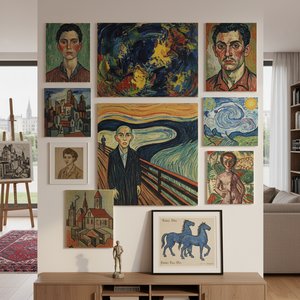
A kifejezésművészet 10 legikonikusabb remekműve – festmények otthonra a TopImpressionists-tól
Fedezze fel a kifejezésművészet 10 legmeghatározóbb remekművét! Munch, Kirchner és Kandinsky alkotásainak története. Vászonképek otthonra – magas minőségű műalkotások a TopImpressionists-tól. Explore the full collection online!

Egon Schiele 25 Mesterműve: Élet és Halál Vásznon – TopImpressionists
Fedezze fel Egon Schiele 25 legikonikusabb művét! Mélyreható elemzések, a festő története és inspirációi. Expresszionista portrék, önarcképek és vászonképek – TopImpressionists minőségi reprodukciókkal. Explore the full collection online!
Fedezze fel a műalkotásokat témák, stílusok és jellemzők szerint csoportosítva.


