


 Megtekintés
 Küldés
 Megosztás
 Részletek
 Útmutató

 Letöltés
 Hasonló darabok
 X-ray felvétel
 Diavetítés
 Statisztika
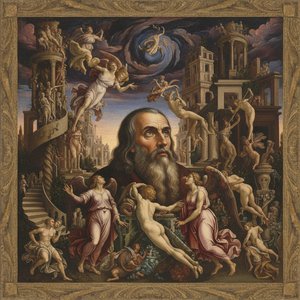
A kertben való szenvedés


El Greco – Egy olyan festő, akinek élete és művészete nehéz kategóriákba sorolni. Született Kréta szigetén, Görögországban, kb. 1541-ben, a Velencei uralom alatt, művészi útja Velencében és Rómában kezdődött, majd végül a spanyolországi vallási élet spirituális világához igazodott: Toledo-ba.
 Összes részlet megjelenítése
El Greco: görög származású festő, aki a manierizmus legnagyobb alakja lett! Fedezze fel Toledo képeit, vallási művészetét és egyedi stílusát!
Giclée / Műnyomat
Múzeumi minőségű giclée vagy vászonnyomat, gyors gyártással és rugalmas finomítási lehetőségekkel. ( Kézzel festett másolat rendelése Áttérés digitális képre)




P118B Ft10

P118H Ft10

P118W Ft10

P438Z Ft10

P508JH Ft12

P508YH Ft12

P805H Ft10

P805Z Ft10

P919BZ Ft10

P919G Ft10

P919XJ Ft10

P959ZH Ft10

P968JZ Ft12

W106C Ft8

W218G Ft10

W218JH Ft8

W218Y Ft10

W307PJ Ft10

W316G Ft10

W316PJ Ft8

W316Y Ft10

W398PJ Ft8

W4111J Ft10

W500HY Ft15

W500JH Ft15

W692G Ft12

W849H Ft8

W940BG Ft15

W953PJ Ft8




Standard méret
egyedi méretű
CM
INCH
Válasszon előre meghatározott méreteink közül, amelyek megfelelnek a műalkotás eredeti arányainak.
Loading sizes...

szélesség
magasság
Írja be a keretének vagy a falának megfelelő szélességet és magasságot. A nyomatot csak le lehet vágni, soha nem tehető nagyobbá, mint az eredeti kép, így egy eltérő alakú méretnél a kép egy része elveszik. Mielőtt bármit kinyatintanánk, küldünk egy digitális próbamodellt jóváhagyásra. Az oldalon látható kép nem tartalmazza a valós levágást — ezt csak a próbamodell mutatja meg.
Világszerte történő kiszállítás területére mindössze 2 hét alatt, a szokásos 4-5 hét helyett. (25 október)

Ingyenes globális expressz szállítás

Prémium minőségű len vászon

Teljes körű szállítási biztosítás

Vámvisszatérítési Garancia

Hiteles színarányosság garancia

100 napos visszaküldési lehetőség (csak hibás termékek esetén)

100% pénzvisszatérítési garancia

Több darab vásárlásakor kedvezmény
 Az üvegkeretes opció csak 110 cm alatti méretben érhető el

A kertben való szenvedés
Giclée / Műnyomat
Reprodukció mérete
-


Összesített ár
Ft 22116
Az Éjjelcseperedés: Egy Barroka Dráma Mesterpéce
Giovanni Bellini’s “Éjjelcseperedés”, melyet körülbelül 1459–1465 között fejezték be, kiemelkedő teljesítményt képvisel avénesi reneszánszban és egy kulcsfontosságú alkotás a keleti-európai művészet történetében. Több mint egyszerű biblikus jelenet – Jézus letartóztatása húsvét előtt – mélyen ábrázolja az emberi érzelmeket és a spirituális elmélkedést, mesteri módon megalkotva tempera festékkel, nyírott fán. Az alkotás örökös vonzókereke Bellini mesterségeiben rejlik: a fény és szín kifinomult használatában, mely egyfajta érezhető feszültséget és a balszerencse előrejelzését kelti át.Korai Ávénesi Tűzforrás: Mantegna Nyoma
Bellini művészi útja a vénassági, virágzó humanista szellemiség közepette kezdődött, ahol olyan festőktől vett inspirációt, mint Andrea Mantegna – egy másik vénassági festőművész, aki a részletességre és a drámai perspektívák használatára volt híres, ami mélyen befolyásolta Bellini stílusát. Ahogy azt “Éjjelcseperedés” bizonyítja, Bellini tudatosan ellentétért az időszakban uralkodó stílusról, inkább a finomabb érzelmi ábrázolásra koncentrálva, mint a tökéletes szépségre. A festmény kompozíciója tükrözi ezt a tudatos választ – egy alaposan megtervezett jelenet, mely a csupa látványt helyettesíti a mély elmélkedéssel.Kompozíció és Szimbolika: Szomorúságkert
A jelenet sötét tájban játszódik, amelyet három hegyoldal dominál, ahol egyszerű házak állnak, tükrözve Bellini korabeli vénasszi városi környezetét. Közepette áll Jézus Krisztus, egy kőön ülése – egy szándékos utalás Golgota-ra –, és körülötte a tanítványai Péter, János és Jakab alvnak örülnek. Ezek az alakok elhelyezése kulcsfontosságú: képviselik az emberiség gyarlóságát és remudulását Isten ítélése előtt. Felszentelt angyal tart egy poharat felettje – jelképezi Jézus elfogadását a szenvedés és áldozat pohárává –, míg jobbra, Keresztus mellett ott áll Júdas, kísérte őt római katonák, akik jelképezik a kémény elkerülhetetlenségét és a balszerencsének közeledését. Az angyal által átívelő, Krisztushoz vezető egyenes vonalat a katonákkal megerősíti ezt az érzést.Technika: A Tempera Finom Ragyogása
Bellini tempera festéket használt – ismertté vált fényessége és tartóssága miatt – nyírott fán, egy technikát, amelyet a quattrocento vénasszi művészek alkalmaztak. Ellentétben az olajfestékekkel, amelyek szilárdan keverednek egymással, a tempera pigmentek különálló maradnak, ami textúrázott felületet hoz létre, amely fokozza a festmény kifejező képességeit. Bellini ügyesen rézsűvékony színeket rétegeltett egy előkészítő rajzon, ami rendkívüli mélységet és tonal variációt eredményezett – különösen jól látható ez a ragyogó fény, amelyet az angyal által tartott pohár sugároz ki, és megvilágít Krisztus arcát. Ez a finom ragyogás jelentősen hozzájárul a festmény kifejező erejéhez, mely egyszerre hirdeti a szent piblióságot és mély szomorúságot.Eredményesség: Egy Útmutató a Barroka Drámához
“Éjjelcseperedés” kiemelkedő alkotás, amely összekötja a reneszánszot és a barokk korszakokat – egy tanúbírás az művész látásmódjára és képességeire, hogy megfogadja a vallási tapasztalatokban rejlő pszichológiai komplexitást. Hatása látható a későbbi barokk festők munkáiban, akik hasonló érzéseket keltettek drámikus fényekkel és kifejező gesztusokkal. Ma a Nemzeti Galériában, Londonban található “Éjjelcseperedés” továbbra is inspirálja az művészi értékét és annak örökös képességét a közös témák kommunikációjára: hit, szenvedés és megmentődés – egy időtlen mesterség, amely évszázadokon át rezonál. movement: Barroque topics: Religious, Landscape, Jesus, Garden, Angels, Faith, Drama creative_period: Mature Period corpus_context: Post-Byzantine Tradition, Mannerism & Renaissance, Christian Symbolism, Divine Suffering, El Greco's Signature StyleKérdések és válaszok
Mely művészhez köthető a "A kertben való szenvedés"?
A „A kertben való szenvedés” műtémét El Greco alkotójának tulajdonítják.
Milyen hangulat és érzelem ötvöződik a "A kertben való szenvedés" alkotásban?
A „A kertben való szenvedés”, El Greco alkotása egy Melankolikus érzést közvetít, egy összonosan Drámai hangulatban.
Melyik szín tűnik ki leginkább a(z) "A kertben való szenvedés" alkotásból?
A(z) "A kertben való szenvedés" alkotásban leginkább a Celadon (#bab5b9) szín tűnik ki. A domináns szín hasznos, amikor egy műalkotást össze kell egyeztetni egy belső térrel.
A művész életrajza
Doménikos Theotokópoulos, Known As El Greco – A Life Forged in Faith and Fire
Doménikos Theotokópoulos, universally recognized as El Greco – “the Greek” – stands apart from his contemporaries as a painter whose life and artistic output defied easy categorization. Born in Crete, Greece, around 1541, during the Venetian dominion, his artistic journey unfolded across Venice and Rome before ultimately finding its most profound expression within the spiritual landscape of Spain: Toledo. El Greco wasn’t merely shaped by these locations; he synthesized their diverse influences into a singular style – one that foreshadowed the emotive fervor of Expressionism and the fragmented forms characteristic of Cubism centuries ahead of time. His formative years immersed in Byzantine iconography instilled within him meticulous attention to detail and an instinctive grasp of religious symbolism, establishing a bedrock upon which his distinctive artistic explorations would build. Yet, he resolutely resisted confinement within established traditions, signing his canvases with Greek – “Krḗs” – as a defiant assertion of Cretan identity, even as he embraced new artistic horizons. The genesis of El Greco’s singular style wasn't solely rooted in technique; it stemmed from the fervent religious fervor permeating Crete and the rich artistic heritage bequeathed by Venetian masters.From Venice to Toledo: A Transformation Marked By Innovation
His relocation to Venice around 1567 constituted a pivotal juncture in his artistic trajectory. Surrounded by an exuberant artistic milieu, El Greco diligently studied the luminaries of his era – Titian, Tintoretto, Veronese – absorbing their mastery of color palettes, compositional strategies, and theatrical lighting effects. He deliberately loosened his brushwork, embracing the sensual qualities inherent in oil paint and elevating the expressive power of his depictions. This Venetian influence is palpably present in early works such as *St. Sebastian* (1600), where anatomical precision harmoniously blends with a dramatic illumination reminiscent of Caravaggio’s style – a testament to his ability to synthesize disparate artistic traditions. Subsequently, his sojourn in Rome exposed him to Mannerism, a stylistic movement characterized by elongated figures, distorted perspectives, and sophisticated compositional arrangements. While he demonstrated considerable talent within the competitive Roman art world, El Greco struggled to garner widespread acclaim due to prevailing aesthetic sensibilities of the time. It was his definitive settlement in Toledo – circa 1577 – that finally liberated him from artistic constraints and allowed his visionary artistic vision to flourish. The city’s fervent religious atmosphere during the Counter-Reformation provided both patronage and an environment conducive to portraying spiritual contemplation with unparalleled intensity.A Style Defined By Distortion, Emotion, And Spiritual Depth
El Greco's stylistic hallmark is instantly recognizable: figures rendered in elongated proportions—a deliberate departure from naturalistic representation—infused with palpable emotion and bathed in dramatic illumination. This isn’t mere stylistic embellishment; it represents a profound philosophical commitment to conveying the unseen realms of consciousness and experience – those realities beyond the confines of observable phenomena. He achieved this feat through masterful manipulation of color—often employing hues that deviated significantly from naturalistic standards—to heighten the emotional resonance of his canvases. Furthermore, El Greco’s lighting techniques—characterized by stark contrasts between light and shadow—created a theatrical effect, drawing viewers into the very core of the depicted scene and mirroring the dramatic narratives found in biblical texts. *The Burial of the Count of Orgaz* (1586-1588), arguably his magnum opus, exemplifies these stylistic principles flawlessly. This monumental painting portrays a miraculous event—the descent of saints to bury a nobleman—with remarkable realism interwoven with ethereal figures embodying divine intervention – demonstrating El Greco’s unparalleled ability to fuse artistic innovation with spiritual contemplation. His distinctive style transcended mere imitation; it constituted an audacious assertion of artistic individuality and a courageous rejection of prevailing aesthetic conventions.Influences And Artistic Legacy: Echoes Across Centuries
El Greco's artistic heritage extends far beyond his immediate contemporaries, resonating powerfully across subsequent artistic movements. Artists like Picasso and Braque recognized him as a precursor to Cubism—admiring his fragmented forms and unconventional perspectives—demonstrating the enduring influence of his stylistic innovations. Similarly, Expressionists embraced El Greco’s emotive intensity—capturing profound psychological states through bold color palettes and dramatic compositions—affirming his role as a pivotal figure in shaping modern artistic sensibilities. His oeuvre continues to inspire artists today, prompting explorations into themes of faith, spirituality, and human experience. Beyond the realm of art history, El Greco's stylistic legacy persists in contemporary visual culture, influencing designers and filmmakers alike. He remains an artist whose work transcends temporal boundaries—a testament to his enduring capacity for communicating universal truths about the human condition through a singular artistic voice.Notable Works: Icons Of Spiritual Expression
- The Burial of the Count of Orgaz (1586-1588): Considered El Greco’s masterpiece, this monumental painting embodies his stylistic hallmarks—elongated figures, dramatic lighting, and masterful blending of realism and spiritual symbolism.
- View of Toledo (1596-1600): This evocative landscape captures the spirit of Toledo with swirling atmospheric effects and a visionary perspective—a testament to El Greco’s ability to transform observation into profound artistic expression.
- The Opening of the Fifth Seal (1608-1614): Part of a series exploring biblical themes, this painting showcases El Greco's masterful use of color and composition to convey spiritual awe and existential contemplation.
- St. Sebastian (1600): This poignant depiction of St. Sebastian exemplifies El Greco’s stylistic prowess—anatomical precision combined with theatrical illumination—creating a powerfully emotive image.

El Greco
1541 - 1614 , Ελλάδα
Rövid információk
- Artistic Movement Or Style: Mannerizmus, Barrokok
- Artists Or Movements Influenced By This Artist:
- Expressionizmus
- Kubizmus
- Artists Who Influenced This Artist:
- Titian
- Tintoretto
- Date Of Birth: 1541 Cretében
- Date Of Death: 1614 Toledoában
- Full Name: Doménikos Theotokópoulos
- Nationality: Görög-spanyol
- Notable Artworks:
- A Szűz Mária tiszteletére
- Fray Hortensio Félix Paravicino
- El Espolio
- St. Sebastian
- Place Of Birth: Creta Görögországban
Kapcsolódó cikkek

El Greco 25 Mesterműve: A Spanyol Reneszánsz Legkiemelkedőbb Alkotásai – TopImpressionists.com
Fedezze fel El Greco 25 leglenyűgözőbb művészeti alkotását! Ismerje meg a spanyol reneszánsz és manierizmus mesterét, festményeinek történetét és spirituális mélységét. Luxus reprodukciók – TopImpressionists.com.
Mannerism Unveiled: The Dramatic Evolution of Renaissance Art and the Visionary Legacy of El Greco
Explore the dramatic transition from High Renaissance harmony to Mannerist tension. Discover how masters like El Greco redefined art through distortion and spiritual intensity. An expert guide for art enthusiasts seeking deep historical context and museum-quality inspiration.

A Barokk Mesterek 10 Legikonikusabb Remekműve – TopImpressionists.com
Fedezze fel a barokk művészet 10 legpártosabb remekművét! Caravaggio, Rembrandt és Vermeer alkotásainak története – TopImpressionists.com kínálatában exkluzív reprodukciók és inspiráló dekorációs ötletek várják Önt. Nézze meg most!

El Greco: Spirituality, Style & Innovation – A Renaissance Master's Legacy
Explore the captivating world of El Greco! Discover his unique style, spiritual intensity, and lasting impact on art history. Learn about this Renaissance master's life, iconic paintings & legacy.

The Dramatic Flourish: Exploring the Baroque Movement's Enduring Legacy in Art History
Explore the dramatic world of Baroque art! Discover iconic artists like Caravaggio & Rubens, defining techniques, and its lasting impact on art history. Expert insights for collectors & enthusiasts at TopImpressionists.
Fedezze fel a műalkotásokat témák, stílusok és jellemzők szerint csoportosítva.


