


 Előnézet
 Megosztás
 Megosztás
 Részletek
 Útmutató

 Letöltés
 Hasonló darabok
 X-ray felvétel
 Diavetítés
 Statisztika
Mount Sinai
 Acrylic On Canvas
- WallArt
- Spiritual Expressionism
 1568
1568 37.0 x 23.0 cm
 Galleria Estense
 Tovább olvasom
El Greco: görög származású festő, aki a manierizmus legnagyobb alakja lett! Fedezze fel Toledo képeit, vallási művészetét és egyedi stílusát!
Giclée / Műnyomat
Múzeumi minőségű giclée vagy vászonnyomat, gyors gyártással és rugalmas finomítási lehetőségekkel. ( Kézzel festett másolat vásárlása Áttérés digitális képre)




P118B $10

P118H $10

P118W $10

P438Z $10

P508JH $12

P508YH $12

P805H $10

P805Z $10

P919BZ $10

P919G $10

P919XJ $10

P959ZH $10

P968JZ $12

W106C $8

W218G $10

W218JH $8

W218Y $10

W307PJ $10

W316G $10

W316PJ $8

W316Y $10

W398PJ $8

W4111J $10

W500HY $15

W500JH $15

W692G $12

W849H $8

W940BG $15

W953PJ $8




Standard méret
egyedi
CM
INCH
Válasszon előre meghatározott méreteink közül, amelyek megfelelnek a műalkotás eredeti arányainak.
Loading sizes...

szélesség
magasság
Megadhat saját méreteket is egy konkrét kerethez vagy helyszínhez igazítva. Amennyiben a kiválasztott méret nem egyezik az eredeti kép arányokkal, a műalkotást le fogjuk vágni, vagy kiegészítjük a képet tükrözött vagy egyszínű szélekkel. A gyártás megkezdése előtt egy digitális tervezetet küldünk jóváhagyásra.
Kérjük, vegye figyelembe, hogy a képernyőn látható előnézet nem tükrözi a tényleges levágást vagy kiegészítést. Csak a tervezet mutatja pontosan a végső kompozíciót.
Bár az egyedi méretek is elérhetőek, az eredeti arányok megőrzése érdekében azt javasoljuk, hogy válasszon a előre meghatározott listából származó méretet.
Világszerte történő kiszállítás területére mindössze 2 hét alatt, a szokásos 4-5 hét helyett. (26 szeptember)

Ingyenes globális expressz szállítás

Prémium minőségű len vászon

Teljes körű szállítási biztosítás

Vámvisszatérítési Garancia

Tökéletes színarányosság garancia

100 napos visszaküldési garancia (csak gyártási hibás termékek esetén)

100% pénzvisszatérítési garancia

Több darab vásárlásakor kedvezmény
 Az üvegkeretes opció csak 110 cm alatti méretben érhető el

Mount Sinai
Giclée / Műnyomat
Reprodukció méretei
-


Összesített ár
$ 69
A Moment Frozen in Faith: El Greco’s “Mount Sinai”
El Greco's "Mount Sinai," painted in 1568, isn’t merely a depiction of a biblical scene; it’s a visceral embodiment of spiritual yearning and the dramatic interplay between humanity and the divine. This intimate canvas, measuring just 37 x 23 cm, belies the monumental emotional weight contained within its borders. The painting captures a pivotal moment – the revelation at Mount Sinai – where Moses receives God's law from atop a rugged mountainscape. The scene unfolds with an arresting immediacy, drawing the viewer directly into the heart of this transformative event. Notice how El Greco eschews traditional Renaissance clarity for a dynamic, almost turbulent composition; figures are elongated and distorted, their bodies imbued with a sense of urgent movement and profound emotion. This deliberate departure from established artistic norms speaks to El Greco’s unique vision – one that prioritized feeling over precise representation.
The Painter's Provenance: Echoes of Byzantium and Spanish Spirit
Born Doménikos Theotokópoulos on the island of Crete in 1541, El Greco’s artistic lineage is complex and fascinating. His early training within the Byzantine tradition instilled a deep reverence for religious iconography, evident in his meticulous rendering of drapery and the careful positioning of figures. However, he quickly transcended these influences, absorbing the dramatic intensity of Venetian painting while simultaneously forging a distinctly personal style. The “Krḗs” – Cretan – appended to many of his works is more than just a geographical marker; it’s a proud assertion of his origins and a testament to his refusal to be wholly defined by any single artistic school. Toledo, Spain, became the crucible where these diverse influences coalesced, resulting in the powerfully expressive style we recognize as El Greco's own. The muted palette – dominated by ochres, browns, and deep blues – contributes to the painting’s solemn atmosphere, reflecting the gravity of the event depicted.
A Symphony of Form and Emotion: Technique and Composition
El Greco’s technique is characterized by a remarkable disregard for anatomical accuracy. Figures are often elongated and distorted, their limbs stretching dramatically across the canvas. This stylistic choice isn't an error; rather, it serves to amplify the emotional impact of the scene. The use of *sfumato*, a subtle blurring of lines and edges, creates a sense of atmospheric depth and contributes to the painting’s ethereal quality. The composition itself is carefully constructed to draw the viewer’s eye towards the central figures – Moses and the assembled people. The rocky terrain, rendered with bold brushstrokes, provides a dramatic backdrop for this encounter with the divine. Note particularly the placement of the animal in the lower left corner; its presence adds an element of mystery and perhaps foreshadows the consequences of accepting God's law.
Symbolism and Spiritual Resonance: Decoding the Narrative
“Mount Sinai” is rich with symbolic meaning. The mountain itself represents a sacred space, a threshold between the earthly realm and the divine. The figures gathered at its base symbolize humanity’s collective response to God's revelation – a mixture of awe, fear, and acceptance. Moses, bathed in a soft light, embodies leadership and divine authority. The act of receiving the law is not simply a legal transaction; it’s a profound spiritual experience, one that fundamentally alters the relationship between God and humankind. The painting speaks to themes of faith, obedience, and the enduring struggle to reconcile human desires with divine will. It's a powerful meditation on humanity’s place in the cosmos and our ongoing quest for meaning.
- Size: 37 x 23 cm
- Date: 1568
- Artist: El Greco (Doménikos Theotokópoulos)
TopImpressionists.com offers meticulously crafted, hand-painted reproductions of “Mount Sinai,” allowing you to bring this iconic masterpiece into your home or office. Each reproduction is created by skilled artists using traditional techniques, ensuring the highest level of quality and authenticity. Explore our collection today and experience the enduring power of El Greco’s vision.
A művész életrajza
Doménikos Theotokópoulos, Known As El Greco – A Life Forged in Faith and Fire
Doménikos Theotokópoulos, universally recognized as El Greco – “the Greek” – stands apart from his contemporaries as a painter whose life and artistic output defied easy categorization. Born in Crete, Greece, around 1541, during the Venetian dominion, his artistic journey unfolded across Venice and Rome before ultimately finding its most profound expression within the spiritual landscape of Spain: Toledo. El Greco wasn’t merely shaped by these locations; he synthesized their diverse influences into a singular style – one that foreshadowed the emotive fervor of Expressionism and the fragmented forms characteristic of Cubism centuries ahead of time. His formative years immersed in Byzantine iconography instilled within him meticulous attention to detail and an instinctive grasp of religious symbolism, establishing a bedrock upon which his distinctive artistic explorations would build. Yet, he resolutely resisted confinement within established traditions, signing his canvases with Greek – “Krḗs” – as a defiant assertion of Cretan identity, even as he embraced new artistic horizons. The genesis of El Greco’s singular style wasn't solely rooted in technique; it stemmed from the fervent religious fervor permeating Crete and the rich artistic heritage bequeathed by Venetian masters.From Venice to Toledo: A Transformation Marked By Innovation
His relocation to Venice around 1567 constituted a pivotal juncture in his artistic trajectory. Surrounded by an exuberant artistic milieu, El Greco diligently studied the luminaries of his era – Titian, Tintoretto, Veronese – absorbing their mastery of color palettes, compositional strategies, and theatrical lighting effects. He deliberately loosened his brushwork, embracing the sensual qualities inherent in oil paint and elevating the expressive power of his depictions. This Venetian influence is palpably present in early works such as *St. Sebastian* (1600), where anatomical precision harmoniously blends with a dramatic illumination reminiscent of Caravaggio’s style – a testament to his ability to synthesize disparate artistic traditions. Subsequently, his sojourn in Rome exposed him to Mannerism, a stylistic movement characterized by elongated figures, distorted perspectives, and sophisticated compositional arrangements. While he demonstrated considerable talent within the competitive Roman art world, El Greco struggled to garner widespread acclaim due to prevailing aesthetic sensibilities of the time. It was his definitive settlement in Toledo – circa 1577 – that finally liberated him from artistic constraints and allowed his visionary artistic vision to flourish. The city’s fervent religious atmosphere during the Counter-Reformation provided both patronage and an environment conducive to portraying spiritual contemplation with unparalleled intensity.A Style Defined By Distortion, Emotion, And Spiritual Depth
El Greco's stylistic hallmark is instantly recognizable: figures rendered in elongated proportions—a deliberate departure from naturalistic representation—infused with palpable emotion and bathed in dramatic illumination. This isn’t mere stylistic embellishment; it represents a profound philosophical commitment to conveying the unseen realms of consciousness and experience – those realities beyond the confines of observable phenomena. He achieved this feat through masterful manipulation of color—often employing hues that deviated significantly from naturalistic standards—to heighten the emotional resonance of his canvases. Furthermore, El Greco’s lighting techniques—characterized by stark contrasts between light and shadow—created a theatrical effect, drawing viewers into the very core of the depicted scene and mirroring the dramatic narratives found in biblical texts. *The Burial of the Count of Orgaz* (1586-1588), arguably his magnum opus, exemplifies these stylistic principles flawlessly. This monumental painting portrays a miraculous event—the descent of saints to bury a nobleman—with remarkable realism interwoven with ethereal figures embodying divine intervention – demonstrating El Greco’s unparalleled ability to fuse artistic innovation with spiritual contemplation. His distinctive style transcended mere imitation; it constituted an audacious assertion of artistic individuality and a courageous rejection of prevailing aesthetic conventions.Influences And Artistic Legacy: Echoes Across Centuries
El Greco's artistic heritage extends far beyond his immediate contemporaries, resonating powerfully across subsequent artistic movements. Artists like Picasso and Braque recognized him as a precursor to Cubism—admiring his fragmented forms and unconventional perspectives—demonstrating the enduring influence of his stylistic innovations. Similarly, Expressionists embraced El Greco’s emotive intensity—capturing profound psychological states through bold color palettes and dramatic compositions—affirming his role as a pivotal figure in shaping modern artistic sensibilities. His oeuvre continues to inspire artists today, prompting explorations into themes of faith, spirituality, and human experience. Beyond the realm of art history, El Greco's stylistic legacy persists in contemporary visual culture, influencing designers and filmmakers alike. He remains an artist whose work transcends temporal boundaries—a testament to his enduring capacity for communicating universal truths about the human condition through a singular artistic voice.Notable Works: Icons Of Spiritual Expression
- The Burial of the Count of Orgaz (1586-1588): Considered El Greco’s masterpiece, this monumental painting embodies his stylistic hallmarks—elongated figures, dramatic lighting, and masterful blending of realism and spiritual symbolism.
- View of Toledo (1596-1600): This evocative landscape captures the spirit of Toledo with swirling atmospheric effects and a visionary perspective—a testament to El Greco’s ability to transform observation into profound artistic expression.
- The Opening of the Fifth Seal (1608-1614): Part of a series exploring biblical themes, this painting showcases El Greco's masterful use of color and composition to convey spiritual awe and existential contemplation.
- St. Sebastian (1600): This poignant depiction of St. Sebastian exemplifies El Greco’s stylistic prowess—anatomical precision combined with theatrical illumination—creating a powerfully emotive image.

El Greco
1541 - 1614 , Ελλάδα
Gyors információk
- Artistic Movement Or Style: Mannerizmus, Barrokok
- Artists Or Movements Influenced By This Artist:
- Expressionizmus
- Kubizmus
- Artists Who Influenced This Artist:
- Titian
- Tintoretto
- Date Of Birth: 1541 Cretében
- Date Of Death: 1614 Toledoában
- Full Name: Doménikos Theotokópoulos
- Nationality: Görög-spanyol
- Notable Artworks:
- A Szűz Mária tiszteletére
- Fray Hortensio Félix Paravicino
- El Espolio
- St. Sebastian
- Place Of Birth: Creta Görögországban
Kapcsolódó cikkek
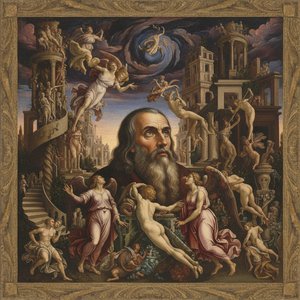
Mannerism Unveiled: The Dramatic Evolution of Renaissance Art and the Visionary Legacy of El Greco
Explore the dramatic transition from High Renaissance harmony to Mannerist tension. Discover how masters like El Greco redefined art through distortion and spiritual intensity. An expert guide for art enthusiasts seeking deep historical context and museum-quality inspiration.

A Prado Győzelmei: 25 Mestermű, Amelyek Inspirálnak – Vászonképek és Otthoni Dekorációk
Fedezze fel a Prado múzeum 25 legikonikusabb műalkotását! Velázquez, Goya, El Greco és más spanyol mesterek történeteit olvassa el. Vászonképek, barokk festmények, luxus otthoni dekorációk – inspirálódjon TopImpressionists.com-on!

El Greco: Spirituality, Style & Innovation – A Renaissance Master's Legacy
Explore the captivating world of El Greco! Discover his unique style, spiritual intensity, and lasting impact on art history. Learn about this Renaissance master's life, iconic paintings & legacy.

José Gutiérrez Solana: A Chronicle of Spanish Society Through Expressionist Vision
Explore the captivating world of José Gutiérrez Solana, a pivotal Spanish Expressionist painter. Discover his haunting depictions of early 20th-century Spain, influenced by Goya & El Greco. Learn about his key works and lasting legacy.

El Greco 25 Mesterműve: A Spanyol Reneszánsz Legkiemelkedőbb Alkotásai – TopImpressionists.com
Fedezze fel El Greco 25 leglenyűgözőbb művészeti alkotását! Ismerje meg a spanyol reneszánsz és manierizmus mesterét, festményeinek történetét és spirituális mélységét. Luxus reprodukciók – TopImpressionists.com.
Fedezze fel a műalkotásokat témák, stílusok és jellemzők szerint csoportosítva.


