


 Megtekintés
 Küldés
 Megosztás
 Részletek
 Útmutató

 Letöltés
 Hasonló darabok
 X-ray felvétel
 Diavetítés
 Statisztika
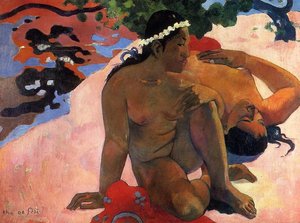
Alone
 Oil On Canvas
- WallArt
- Post-Impressionist Movement
 1893
1893- 19th Century
 50.0 x 73.0 cm
Paul Gauguin’s "Alone," a captivating Post-Impressionist painting from 1893, depicts a serene woman resting in a warm yellow field, showcasing the artist's signature cloisonnism style. Discover this iconic artwork and bring its tranquil beauty into your space.
 Összes részlet megjelenítése
Paul Gauguin: A révolution francia festő, aki a merész színeivel és egzotikus témáival definiálta a modern művészetet. Fedezd fel a gazdag életét és alkotásait!
Giclée / Műnyomat
Múzeumi minőségű giclée vagy vászonnyomat, gyors gyártással és rugalmas finomítási lehetőségekkel. ( Kézzel festett másolat rendelése Áttérés digitális képre)




P118B Ft10

P118H Ft10

P118W Ft10

P438Z Ft10

P508JH Ft12

P508YH Ft12

P805H Ft10

P805Z Ft10

P919BZ Ft10

P919G Ft10

P919XJ Ft10

P959ZH Ft10

P968JZ Ft12

W106C Ft8

W218G Ft10

W218JH Ft8

W218Y Ft10

W307PJ Ft10

W316G Ft10

W316PJ Ft8

W316Y Ft10

W398PJ Ft8

W4111J Ft10

W500HY Ft15

W500JH Ft15

W692G Ft12

W849H Ft8

W940BG Ft15

W953PJ Ft8




Standard méret
egyedi méretű
CM
INCH
Válasszon előre meghatározott méreteink közül, amelyek megfelelnek a műalkotás eredeti arányainak.
Loading sizes...

szélesség
magasság
Írja be a keretének vagy a falának megfelelő szélességet és magasságot. A nyomatot csak le lehet vágni, soha nem tehető nagyobbá, mint az eredeti kép, így egy eltérő alakú méretnél a kép egy része elveszik. Mielőtt bármit kinyatintanánk, küldünk egy digitális próbamodellt jóváhagyásra. Az oldalon látható kép nem tartalmazza a valós levágást — ezt csak a próbamodell mutatja meg.
Világszerte történő kiszállítás területére mindössze 2 hét alatt, a szokásos 4-5 hét helyett. (26 október)

Ingyenes globális expressz szállítás

Prémium minőségű len vászon

Teljes körű szállítási biztosítás

Vámvisszatérítési Garancia

Hiteles színarányosság garancia

100 napos visszaküldési lehetőség (csak hibás termékek esetén)

100% pénzvisszatérítési garancia

Több darab vásárlásakor kedvezmény
 Az üvegkeretes opció csak 110 cm alatti méretben érhető el

Alone
Giclée / Műnyomat
Reprodukció mérete
-


Összesített ár
Ft 22150
Alone: A Portrait of Quietude by Paul Gauguin
Paul Gauguin’s “Alone,” painted in 1893, is more than just a depiction of a woman resting; it's an immersive exploration of solitude and the profound stillness that can be found within. Measuring a modest 50 x 73 cm, this oil-on-canvas work invites viewers into a world of contemplative serenity, a hallmark of Gauguin’s mature style and a poignant reflection of his own increasingly isolated existence.
- Subject Matter: The central figure, a woman lying prone with her head cradled in her arm, exudes an immediate sense of peace. Her relaxed posture suggests either slumber or deep contemplation – the ambiguity adds to the painting’s evocative power. Scattered around her are other figures, smaller and less defined, contributing to the overall impression of isolation rather than distracting from the primary theme.
- Style & Technique: Gauguin masterfully employs the style of Cloisonnism, characterized by bold outlines and flattened planes of color. This technique, reminiscent of stained glass, creates a striking visual impact, emphasizing the geometric forms and contributing to the painting’s tranquil atmosphere. The use of warm yellow in the background field further enhances this sense of calm and adds depth to the composition.
- Historical Context: “Alone” emerged during a pivotal moment in Gauguin's artistic journey, firmly rooted within the Post-Impressionist movement. Influenced by artists like Van Gogh and Bernard, he sought to move beyond mere representation, aiming instead to capture subjective emotions and spiritual truths. The painting’s themes of isolation resonate with the anxieties and uncertainties of the late 19th century, a period marked by rapid social change and increasing urbanization.
Decoding Symbolism: A Journey Within
Beyond its surface beauty, “Alone” is rich in symbolic potential. The woman’s posture immediately evokes feelings of vulnerability and introspection. Her placement on the ground suggests a surrender to the moment, a willingness to embrace solitude rather than resist it. The expansive yellow field surrounding her isn't merely a backdrop; it represents an open space, a realm of possibility, perhaps even a metaphor for the unconscious mind. The smaller figures, though indistinct, could symbolize fleeting memories or the echoes of past experiences – reminders of connections that have faded into the background.
- Color Palette: Gauguin’s deliberate use of warm yellows and earthy tones contributes significantly to the painting's emotional impact. Yellow, often associated with optimism and enlightenment, is tempered by the muted colors, creating a sense of both hope and melancholy.
- Compositional Elements: The diagonal lines created by the woman’s body and the horizon line contribute to the dynamic feel of the composition, preventing it from feeling static or lifeless. This careful arrangement guides the viewer's eye and reinforces the painting's central theme of movement – not physical movement, but rather the internal journey of contemplation.
Gauguin’s Legacy: A Timeless Exploration
"Alone" stands as a testament to Gauguin’s profound understanding of human emotion and his ability to translate complex feelings onto canvas. It's a painting that invites viewers to pause, reflect, and consider the beauty and significance of solitude. Its influence can be seen in countless works of art that followed, solidifying Gauguin’s place as one of the most important artists of the modern era.
A hand-painted reproduction of “Alone” offers a unique opportunity to bring this iconic artwork into your home or office. Each reproduction is meticulously crafted by skilled artisans, ensuring exceptional detail and color accuracy. Whether you are an art collector, interior designer, or simply someone who appreciates beauty, this stunning piece will undoubtedly become a cherished addition to your collection.
Kérdések és válaszok
Milyen technika és milyen méret jellemzi az eredeti „Alone”, Gauguin alkotása alkotást?
A „Alone”, Gauguin alkotása technikája Oil On Canvas, méretei pedig a dokumentált 50 x 73 cm.
Milyen az „Alone”, Gauguin alkotása általános hangulata?
A "Alone" Calm hangulatú.
Milyen módon kapcsolódik a "Alone" stílusa alkotójának korához?
„Alone”, Gauguin alkotása alkotásművében a Post-Impressionist Movement irányzat találkozik a 19. század korszakkal.
Hasonló műalkotások




A művész életrajza
A Life Painted in Bold Strokes: The World of Paul Gauguin
Eugène Henri Paul Gauguin, a name that resonates with vibrant color and rebellious spirit, stands as a pivotal figure in the transition from Impressionism to modern art. Born in Paris in 1848, his life was anything but conventional. His early years were shaped by an unusual upbringing; his father a journalist, and his mother descended from Peruvian aristocracy—her grandmother, Flora Tristan, a pioneering feminist and socialist writer whose ideals undoubtedly resonated within the family. This heritage would profoundly shape Gauguin’s artistic vision, instilling in him a fascination with cultures beyond Europe. A formative period spent in Peru as a child, following his family's relocation in 1850, immersed him in a world vastly different from Parisian society, an experience that lingered and ultimately fueled his quest for authenticity in art. Returning to France after his father’s death, Gauguin received a formal education but found himself drawn not to academia, but to the burgeoning financial world, embarking on a career as a stockbroker—a path seemingly at odds with the artistic destiny that awaited him.From Finance to Artistic Calling
For years, Gauguin led a double life, diligently pursuing his business ventures while secretly nurturing a passion for painting. Initially influenced by the Impressionists, he began experimenting with color and light in his spare time, but soon felt constrained by their dedication to capturing fleeting moments of reality. The financial crisis of 1882 proved a turning point, forcing him to abandon his lucrative career and wholeheartedly embrace his artistic calling. This wasn’t merely a change in profession; it was a fundamental shift in worldview. He sought guidance from Camille Pissarro, who encouraged his development and introduced him to the avant-garde circles of Paris. However, Gauguin quickly began to diverge from Impressionistic principles, yearning for something more expressive, more symbolic—a means of conveying not just what he *saw*, but what he *felt*. This desire led him on a journey of artistic exploration that would take him far beyond the Parisian salons and into the heart of “primitive” cultures. He wasn’t simply interested in depicting these cultures; he sought to absorb their essence, believing they held a purity lost in Western civilization.The Call of Brittany and Tahiti
Gauguin’s artistic evolution was inextricably linked to his travels. He spent time in Brittany, captivated by the rugged landscapes and deeply rooted traditions of its people. This period saw him experimenting with flattened forms, bold outlines, and a simplification of composition—techniques that moved him further away from naturalism and closer to a more symbolic language. However, it was his journey to Tahiti in 1891 that truly unleashed his creative potential. Seeking refuge from what he perceived as the stifling constraints of European civilization, Gauguin hoped to find inspiration in Polynesian culture, believing it offered a purer, more authentic way of life. This wasn’t simply an artistic pursuit; it was a spiritual quest. He immersed himself in local customs and beliefs, depicting Polynesian women, landscapes, and religious practices through his unique lens. Iconic paintings like “Vahine no te miti” (Woman with Mango), “Manao Tupapau” (Watched by the Spirit of the Dead), and “The Day of Gods emerged from this period, solidifying his reputation as a visionary artist. His use of color became increasingly bold and non-naturalistic, serving not to replicate reality but to express emotion and spiritual meaning.Key Influences & Artistic Characteristics
- Impressionism: Early influence on color and light, later rejected for its focus on fleeting reality.
- Japonisme: Inspired flattened perspectives, bold outlines, and decorative patterns.
- Medieval Art: Influenced symbolic imagery and a rejection of strict realism.
- Synthetism: A style developed by Gauguin emphasizing the creation of art based on subjective experience rather than objective observation.
- Primitivism: Fascination with non-Western cultures, believing they offered a more authentic and spiritual way of life. This is reflected in his subject matter and stylistic choices.
Legacy and Controversy
Despite his artistic breakthroughs, Gauguin’s life was often marked by hardship. He struggled with financial difficulties and declining health during his time in Tahiti and later on the Marquesas Islands, where he eventually settled. Yet, he continued to paint prolifically, relentlessly exploring themes of life, death, and spirituality. He died in 1903 on Hiva Oa, a remote island in the Marquesas archipelago, largely unrecognized for his genius. It was only after his death that Gauguin’s work began to receive the acclaim it deserved. Today, he is celebrated as a pivotal figure in the development of modern art, bridging the gap between Impressionism and Symbolism, and paving the way for movements like Fauvism. His use of color, simplified forms, and symbolic imagery profoundly influenced artists such as Pablo Picasso, Henri Matisse, and countless others. However, Gauguin remains a controversial figure due to aspects of his personal life—particularly his relationships with young Polynesian women—which continue to be debated and reinterpreted in light of contemporary ethical considerations. Nevertheless, his artistic contributions are undeniable, and his legacy continues to inspire artists and art lovers around the world. He was a true innovator, a rebel who dared to challenge conventions and forge his own path, leaving behind a body of work that is as captivating and enigmatic as the man himself.
Gauguin
1848 - 1903 , Franciaország
Rövid információk
- Artistic Movement Or Style: Posztimpresszionizmus, Szimbolizmus
- Artists Or Movements Influenced By This Artist:
- Picasso
- Matisse
- Artists Who Influenced This Artist: ['Camille Pissarro']
- Date Of Birth: 1848. június 7.
- Date Of Death: 1903. május 8.
- Full Name: Eugène Henri Paul Gauguin
- Nationality: Francia
- Notable Artworks:
- Vahine no te miti
- Manao Tupapau
- Aistenherceg napja
- Place Of Birth: Párizs, Franciaország
Kapcsolódó cikkek

The Enduring Legacy of Printmaking: Techniques, Themes & Artistic Innovation Across Centuries
Explore the rich history of printmaking with TopImpressionists. Discover techniques from intaglio to lithography, learn about collecting valuable prints & find museum-quality reproductions. Expert insights for art enthusiasts and collectors.

Giclée Prints: Archival Quality & Aesthetic Nuances for the Discerning Collector
Explore the world of giclée prints with TopImpressionists. Learn about archival quality, aesthetic nuances & investment potential. Expert guidance for discerning art collectors seeking museum-quality reproductions and lasting value.

The Enduring Legacy of Fine Art Prints: Technique, History & Aesthetic Impact
Explore the rich history & techniques of fine art prints. Discover investment potential, assess authenticity, and learn how to preserve your collection with expert guidance. Trusted insights for discerning collectors.

Echoes of Time: Exploring the Enduring Appeal & Historical Context of Vintage Art Prints
Explore the captivating world of vintage art prints! Discover their history, collecting tips & enduring appeal. Expert insights on chromolithography and building a legacy collection with TopImpressionists.
A 'króm sárga' tónusok 10 legikonikusabb mesterműve – Festmények, művészek és inspiráció otthonra
Fedezze fel a 'króm sárga' tónusok 10 leggyönyörűbb festményét! Van Gogh, Monet és más híres művészek remekművei inspiráló történetekkel. Múzeumminőségű reprodukciók otthonra – TopImpressionists.com.
Fedezze fel a műalkotásokat témák, stílusok és jellemzők szerint csoportosítva.


