


 Megtekintés
 Küldés
 Megosztás
 Részletek
 Útmutató

 Letöltés
 Hasonló darabok
 X-ray felvétel
 Diavetítés
 Q&A
Q&A Statisztika
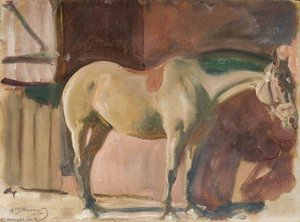
A Horse Drinking
 Oil On Canvas
- WallArt
- Impressionism
 1887
1887- 19th Century
 22.0 x 16.0 cm
A serene Impressionist study of a horse drinking from a trough by Eugène Louis Boudin captures the fleeting beauty of light and nature in this 1887 masterpiece, perfect for adding timeless elegance to your collection.
 Összes részlet megjelenítése
Boudin Eugène: A francia tengerparti tájak mestere, a szabad levegő festészetének úttörője és az impresszionizmus egyik fontos előfutára. Fedezd fel a fények és árnyékok csodálatos világát!
Giclée / Műnyomat
Múzeumi minőségű giclée vagy vászonnyomat, gyors gyártással és rugalmas finomítási lehetőségekkel. ( Kézzel festett másolat rendelése Áttérés digitális képre)




P118B Ft10

P118H Ft10

P118W Ft10

P438Z Ft10

P508JH Ft12

P508YH Ft12

P805H Ft10

P805Z Ft10

P919BZ Ft10

P919G Ft10

P919XJ Ft10

P959ZH Ft10

P968JZ Ft12

W106C Ft8

W218G Ft10

W218JH Ft8

W218Y Ft10

W307PJ Ft10

W316G Ft10

W316PJ Ft8

W316Y Ft10

W398PJ Ft8

W4111J Ft10

W500HY Ft15

W500JH Ft15

W692G Ft12

W849H Ft8

W940BG Ft15

W953PJ Ft8




Standard méret
egyedi méretű
CM
INCH
Válasszon előre meghatározott méreteink közül, amelyek megfelelnek a műalkotás eredeti arányainak.
Loading sizes...

szélesség
magasság
Írja be a keretének vagy a falának megfelelő szélességet és magasságot. A nyomatot csak le lehet vágni, soha nem tehető nagyobbá, mint az eredeti kép, így egy eltérő alakú méretnél a kép egy része elveszik. Mielőtt bármit kinyatintanánk, küldünk egy digitális próbamodellt jóváhagyásra. Az oldalon látható kép nem tartalmazza a valós levágást — ezt csak a próbamodell mutatja meg.
Világszerte történő kiszállítás területére mindössze 2 hét alatt, a szokásos 4-5 hét helyett. (29 október)

Ingyenes globális expressz szállítás

Prémium minőségű len vászon

Teljes körű szállítási biztosítás

Vámvisszatérítési Garancia

Hiteles színarányosság garancia

100 napos visszaküldési lehetőség (csak hibás termékek esetén)

100% pénzvisszatérítési garancia

Több darab vásárlásakor kedvezmény
 Az üvegkeretes opció csak 110 cm alatti méretben érhető el

A Horse Drinking
Giclée / Műnyomat
Reprodukció mérete
-


Összesített ár
Ft 22323
A Moment Captured in Light: The Essence of Boudin’s Vision
In the quietude of 1887, Eugène Louis Boudin captured a scene of profound simplicity that resonates with the very soul of the Impressionist movement. A Horse Drinking is not merely a depiction of an animal at a trough; it is a masterful study of a fleeting moment, where the boundaries between nature and light begin to dissolve. The painting presents a horse bowed in a moment of tranquil necessity, its form rendered with a delicate touch that suggests both strength and vulnerability. As the eye wanders from the horse’s focused posture toward the soft, atmospheric background, one encounters a world where the mundane is elevated to the sublime through the artist's unparalleled ability to manipulate color and luminosity.
The composition invites the viewer into a pastoral narrative, where the presence of distant figures and a quiet dining table suggests a lived-in landscape, a slice of life caught in the amber of time. There is a rhythmic grace to the way Boudin positions his subjects, creating a sense of balance that feels both spontaneous and meticulously orchestrated. For the collector or interior designer, this piece offers more than just visual beauty; it provides an emotional anchor, a window into a period of art history where the pursuit of truth lay in the honest observation of light hitting a surface.
Technique and the Impressionist Spirit
Boudin, often celebrated as a precursor to Claude Monet, brings his signature plein air sensibility to this intimate work. His technique is characterized by a sophisticated use of a muted palette, where shades of gray, white, and soft earth tones coalesce to create a sense of atmospheric depth. Rather than relying on harsh outlines, Boudin employs nuanced brushstrokes that impart a tactile texture to the horse's coat, capturing the subtle interplay of light and shadow across its musculature. This approach allows the subject to emerge organically from the environment, as if the creature were woven from the very mist and morning light of the French countryside.
The artist’s mastery lies in his ability to avoid idealization, opting instead for a naturalistic detail that honors the reality of the scene. This commitment to capturing the "impression" of a moment—the way light reflects off water or how shadows soften at midday—is what makes this reproduction such a compelling choice for modern spaces. The painting does not demand attention through loud colors but earns it through a quiet, persistent beauty that rewards prolonged contemplation.
A Timeless Addition to the Curated Home
Integrating a work of this caliber into an interior design scheme offers an opportunity to introduce a sense of historical depth and serenity. Whether placed in a sun-drenched morning room or a sophisticated study, A Horse Drinking serves as a conversation piece that bridges the gap between the nineteenth-century French coast and contemporary elegance. The modest dimensions of the original work allow it to nestle intimately within a gallery wall or stand alone as a focal point of calm.
For those seeking to surround themselves with art that evokes emotion and intellect, this piece stands as a testament to the enduring legacy of Eugène Louis Boudin. It is an invitation to slow down, to observe the subtle variations in light, and to appreciate the quiet dignity found in the simplest of natural encounters. Owning a high-quality reproduction of this masterpiece allows the spirit of Impressionism to breathe within the modern home, offering a perennial source of inspiration and peace.
Kérdések és válaszok
Milyen szín vezeti a „A Horse Drinking”, Boudin Eugène alkotása kompozícióját?
A „A Horse Drinking”, Boudin Eugène alkotása domináns színe a Rosy Brown (#b6a895).
Megtekinthetném „A Horse Drinking”, Boudin Eugène alkotása alkotást más megvilágítás mellett is?
A „A Horse Drinking”, Boudin Eugène alkotása X-ray felvétel oldala egy interaktív nézegető, amely lehetővé teszi a mű alkotásának eleven optikai rétegei közötti görgetést, beleértve az röntgenszerű felvételt is.
Milyen fényerő ébreszt fel „A Horse Drinking”, Boudin Eugène alkotása alkotást?
A „A Horse Drinking”, Boudin Eugène alkotása érzetelt fényessége shadow. Ez összehangolható az adott tér világításával.
Hasonló műalkotások




A művész életrajza
Early Life and Artistic Beginnings
Eugène Louis Boudin, born in the picturesque coastal town of Honfleur, France, in 1824, was destined to be inextricably linked to the sea from his very first breath. His father, a skilled harbor pilot – a man intimately familiar with the rhythms and moods of the Atlantic – instilled within young Eugène an unparalleled appreciation for the ever-changing beauty and profound drama of the maritime world. This formative influence would become the bedrock upon which Boudin’s entire artistic vision was built. Unlike many of his contemporaries who pursued traditional academic paths, Boudin's early life took a decidedly unconventional turn. At the tender age of ten, he began working as a cabin boy aboard a steamboat, traversing between Le Havre and Honfleur – an experience that exposed him to the fleeting effects of light upon water and instilled in him a deep desire to capture these ephemeral moments on canvas.
The family’s subsequent move to Le Havre, where his father established a successful stationery and picture-framing business, further immersed Boudin within the artistic milieu. He diligently assisted his father in the shop, eventually branching out to establish his own small venture – a modest but thriving establishment that brought him into direct contact with a vibrant community of local artists. Among these influential figures were Constant Troyon and Jean-François Millet, both renowned for their depictions of rural life and landscapes; they recognized Boudin’s burgeoning talent and generously encouraged his artistic pursuits, steering him away from the confines of commerce and towards a dedicated life devoted to painting.
Developing a Unique Style: Plein Air Painting and Influences
Boudin's artistic development was profoundly shaped by a confluence of key influences. A pivotal moment arrived with his introduction to Johan Jongkind, a Dutch painter who championed the revolutionary practice of en plein air – painting directly from nature, outdoors. This technique, which allowed artists to capture the fleeting and ever-changing qualities of light and atmosphere with unprecedented immediacy, resonated deeply with Boudin’s sensibilities. He embraced this approach wholeheartedly, quickly mastering the art of rendering the subtle nuances of sky, sea, and shoreline with remarkable precision.
Beyond en plein air painting, Boudin drew significant inspiration from the works of the 17th-century Dutch masters – artists like Rembrandt and Jacob van Ruisdael, whose meticulous attention to detail, masterful use of atmospheric perspective, and ability to evoke a sense of depth and realism profoundly influenced his own artistic style. He particularly admired their capacity to capture the effects of light and shadow, creating paintings that possessed both technical brilliance and emotional resonance. Furthermore, Boudin’s early exposure to the works of Jean-Baptiste-Camille Corot, a leading figure in the Barbizon School, instilled in him a deep appreciation for the beauty of the French countryside and a commitment to depicting nature with honesty and directness.
Impressionism and Early Recognition
Boudin’s innovative approach to painting – his dedication to capturing fleeting moments of light and atmosphere, his masterful use of color and brushwork, and his embrace of en plein air techniques – positioned him as a crucial figure in the transition between traditional landscape painting and the burgeoning Impressionist movement. In 1859, he encountered Gustave Courbet, who introduced him to Charles Baudelaire, the influential poet and critic, who subsequently championed Boudin’s work and helped to establish his reputation within Parisian artistic circles.
A significant turning point in Boudin's career occurred in 1874 when he participated in the first Impressionist exhibition – an event that marked a watershed moment in the history of modern art. While he never fully embraced the label “Impressionist,” his paintings were exhibited alongside those of Monet, Renoir, and Degas, solidifying his place within this groundbreaking artistic movement. His work was praised for its freshness, spontaneity, and ability to capture the essence of everyday life.
Major Works and Artistic Themes
Boudin’s oeuvre is characterized by a profound connection to the sea and coastal landscapes of Normandy – a region that held an enduring fascination for him. His paintings often depict scenes of leisure and tranquility, capturing the vibrant energy of seaside communities and the simple pleasures of life. Still Life with Lobster on a White Tablecloth, now housed at the High Museum of Art in Atlanta, exemplifies his somber yet noble approach to still life painting, imbued with a sense of quiet contemplation.
His beach scenes – populated with figures engaged in various activities such as fishing, swimming, and sunbathing – capture the vitality and charm of seaside life. Honfleur, the Saint Catherine Market Place showcases his skill at depicting bustling urban environments bathed in natural light. Throughout his work, Boudin consistently explored themes of transience, atmosphere, and the harmonious relationship between humanity and nature. His paintings possess a remarkable ability to evoke a powerful sense of place and mood, transporting viewers to the shores of Normandy and inviting them to share in the beauty and serenity of these coastal landscapes.
Final Years and Enduring Influence
In his later years, Boudin continued to travel extensively, seeking inspiration in Belgium, the Netherlands, and southern France. He also made several visits to Venice, captivated by its unique light and architectural splendor. Despite facing health challenges, he remained remarkably productive, consistently exhibiting his work and mentoring younger artists. Eugène Louis Boudin passed away in 1898 at Deauville, overlooking the English Channel that had so profoundly shaped his life and art. His legacy extends far beyond his own paintings; the Eugène Boudin Prize, awarded by the Société Nationale des Beaux-Arts, stands as a lasting tribute to his enduring influence on generations of artists. Today, his works are celebrated in museums across Europe and North America, ensuring that his vision of capturing the beauty and essence of the natural world continues to inspire and delight audiences worldwide.

Boudin Eugène
1824 - 1898 , Francia
Rövid információk
- Artistic Movement Or Style: Impressionizmus
- Artists Or Movements Influenced By This Artist:
- Monet
- Impressionizmus
- Artists Who Influenced This Artist:
- Jongkind
- Holland mesterek
- Date Of Birth: 1824. július 12.
- Date Of Death: 1898. augusztus 8.
- Full Name: Eugène Louis Boudin
- Nationality: Francia
- Notable Artworks:
- Kajlan stillélet
- Tengerparti táj
- Lány portré
- Place Of Birth: Honfleur, Franciaország
Kapcsolódó cikkek

Beyond the Screen: Transforming Personal Memories into Timeless AI-Driven Anime Masterpieces
Experience the magic of digital metamorphosis. Transform your cherished photos into stunning, hand-painted anime masterpieces using our proprietary AI technology and professional artists. Elevate your personal story with a timeless, high-quality oil painting on canvas.
Fedezze fel a műalkotásokat témák, stílusok és jellemzők szerint csoportosítva.


