

 Megtekintés
 Küldés
 Megosztás
 Részletek
 Útmutató

 Letöltés
 Hasonló darabok
 X-ray felvétel
 Diavetítés
 Q&A
Q&A Statisztika
The Rising Tide


Experience the serene waves of Felix Vallotton's 1913 masterpiece, The Rising Tide; capture this beautiful blend of nature and quiet life for your collection.
 Összes részlet megjelenítése
Vallotton (1865-1925) svájci festő és grafikus, a Nabis tagja, a modern fametszet megújítója. Kiemelődik a 'Intimités' sorozattal, pszichológiai mélységű műveivel és egyedi stílusával.
Giclée / Műnyomat
Múzeumi minőségű giclée vagy vászonnyomat, gyors gyártással és rugalmas finomítási lehetőségekkel. ( Kézzel festett másolat rendelése Áttérés digitális képre)




P118B Ft10

P118H Ft10

P118W Ft10

P438Z Ft10

P508JH Ft12

P508YH Ft12

P805H Ft10

P805Z Ft10

P919BZ Ft10

P919G Ft10

P919XJ Ft10

P959ZH Ft10

P968JZ Ft12

W106C Ft8

W218G Ft10

W218JH Ft8

W218Y Ft10

W307PJ Ft10

W316G Ft10

W316PJ Ft8

W316Y Ft10

W398PJ Ft8

W4111J Ft10

W500HY Ft15

W500JH Ft15

W692G Ft12

W849H Ft8

W940BG Ft15

W953PJ Ft8




Standard méret
egyedi méretű
CM
INCH
Válasszon előre meghatározott méreteink közül, amelyek megfelelnek a műalkotás eredeti arányainak.
Loading sizes...

szélesség
magasság
Írja be a keretének vagy a falának megfelelő szélességet és magasságot. A nyomatot csak le lehet vágni, soha nem tehető nagyobbá, mint az eredeti kép, így egy eltérő alakú méretnél a kép egy része elveszik. Mielőtt bármit kinyatintanánk, küldünk egy digitális próbamodellt jóváhagyásra. Az oldalon látható kép nem tartalmazza a valós levágást — ezt csak a próbamodell mutatja meg.
Világszerte történő kiszállítás területére mindössze 2 hét alatt, a szokásos 4-5 hét helyett. (1 november)

Ingyenes globális expressz szállítás

Prémium minőségű len vászon

Teljes körű szállítási biztosítás

Vámvisszatérítési Garancia

Hiteles színarányosság garancia

100 napos visszaküldési lehetőség (csak hibás termékek esetén)

100% pénzvisszatérítési garancia

Több darab vásárlásakor kedvezmény
 Az üvegkeretes opció csak 110 cm alatti méretben érhető el

The Rising Tide
Giclée / Műnyomat
Reprodukció mérete
-


Összesített ár
Ft 22596
The Serene Power of Nature in Vallotton's Brushwork
To stand before The Rising Tide is to be enveloped by a moment suspended between the vastness of the ocean and the quiet intimacy of human experience. Felix Vallotton, with his signature blend of meticulous observation and evocative atmosphere, has gifted us this stunning oil on canvas from 1913. It is more than just a depiction of waves crashing upon a shore; it is a meditation on nature's relentless rhythm set against the backdrop of fleeting human presence. The composition immediately draws the eye across the expanse of water, where the ocean’s energy seems palpable, captured in layers of soft yet powerful pigment.
A Study in Soft Color and Serene Atmosphere
Vallotton’s technique here is masterful, showcasing his ability to render both the monumental force of nature and the delicate quality of life. The palette itself speaks volumes—soft colors dominate, lending the entire scene a profoundly serene atmosphere that seems to wash over the viewer like the incoming tide. While the waves crash with visible energy, there is no sense of chaos; rather, it is an organized, beautiful surrender to natural law. Notice how the water spreads across the canvas, some crests reaching higher than others, creating a dynamic yet harmonious visual flow. This careful handling of light and color is characteristic of Vallotton’s later work, inviting contemplation.
Echoes of Life on the Shoreline
Amidst this grand natural spectacle, life persists in quiet vignettes. The painting thoughtfully includes several figures—one standing near the center, another positioned toward the right edge—whose presence grounds the scene in human reality. Further adding to the narrative depth is the inclusion of a dog, nestled towards the bottom left corner. These elements are not mere decorative additions; they are anchors that allow us, the viewers, to project our own sense of companionship and momentary pause onto the canvas. They suggest a shared, peaceful communion with the environment.
Historical Context and Enduring Appeal
Created in 1913, this work sits at a fascinating juncture in art history, reflecting Vallotton’s journey through various modern movements while maintaining a distinct personal voice. While some sources touch upon Magic Realism in his later pieces, the core of The Rising Tide remains rooted in an almost Post-Impressionist appreciation for light and mood. For collectors and designers alike, this piece offers a window into early 20th-century sensibilities—a yearning for beauty found not in grand pronouncements, but in the quiet unfolding of daily life by the sea. Owning a reproduction allows one to bring this sophisticated blend of natural grandeur and gentle humanism into a contemporary space.
Kérdések és válaszok
Mi a(z) domináns színtónus „The Rising Tide”, Félix Vallotton alkotása-nél?
A „The Rising Tide”, Félix Vallotton alkotása domináns színe a Golden Yellow Range. Ez a szín a paletta alapvető tónusa.
Milyen módon kapcsolódik össze a „The Rising Tide”, Félix Vallotton alkotása a Magic Realism irányzatot a művész honcountryjához?
A "The Rising Tide" alkotását Félix Vallotton készítette, aki Svájc-ban született, a Magic Realism irányzat keretein belül. A művész származása összeköti a művet a Magic Realism stílussal, amelyet Svájc művészei gyakoroltak.
Mi a "The Rising Tide" formátuma?
A „The Rising Tide”, Félix Vallotton alkotása Portrait formátumú alkotás. A formátum a kompozíció arányait határozza meg.
Hasonló műalkotások


A művész életrajza
A Life Bridging Worlds: Félix Vallotton and the Fin de Siècle
Félix Édouard Vallotton, born in Lausanne, Switzerland in 1865, was an artist whose work embodies the complex spirit of the *fin de siècle*. He navigated a path between his Swiss roots and the vibrant artistic milieu of Paris, ultimately becoming a pivotal figure in the development of modern art. His early life, steeped in the conservative Protestant values of his family—his father a pharmacist, later a chocolatier—provided a stark contrast to the bohemian world he would embrace as an artist. Though initially steered towards classical studies at the Collège Cantonal, Vallotton’s passion for visual expression led him to Paris in 1882, where he enrolled at the Académie Julian. This marked not merely a geographical relocation but a profound shift in perspective, immersing him in the heart of artistic innovation and intellectual ferment.
His academic training provided a solid foundation in technique, yet it was his encounters with emerging avant-garde circles that truly ignited his creative trajectory. He quickly absorbed the spirit of Impressionism, particularly its focus on capturing fleeting moments and subjective experience, but he soon began to forge his own distinctive path, moving beyond mere imitation towards a more personal and expressive style.
The Nabis and the Language of Intimacy
Vallotton’s artistic evolution took a decisive turn when he became associated with *Les Nabis*—a group of young artists including Pierre Bonnard, Édouard Vuillard, and Maurice Denis—in 1892. Though often considered somewhat of an outsider within the group, his affiliation proved crucial in shaping his distinctive style. The Nabis sought to infuse art with a spiritual quality, exploring symbolism and decorative aesthetics. Vallotton absorbed these influences but filtered them through his own unique sensibility, characterized by a cool detachment and unflinching realism. This is perhaps most powerfully expressed in his series of woodcuts, particularly *Intimités* (1898). These ten interior scenes are remarkable for their psychological intensity, depicting charged encounters between men and women with an unsettling frankness. They aren’t narratives of romance or passion but rather explorations of tension, power dynamics, and the hidden complexities within domestic life. The stark contrasts of black and white in his woodcuts—a deliberate nod to Japanese *ukiyo-e* prints—heighten the sense of unease and psychological scrutiny.
The *Intimités* series stands as Vallotton’s most celebrated achievement, a testament to his ability to capture the subtle nuances of human interaction. He masterfully employed light and shadow, composition, and cropping techniques to create images that are both visually arresting and emotionally evocative. The figures in these scenes—often depicted in intimate settings—seem trapped within their own private worlds, caught in moments of unspoken longing or simmering conflict.
Master of Woodcut and Painterly Nuance
Vallotton’s mastery extended beyond the realm of painting; he is widely celebrated as a virtuoso of woodcut, revitalizing the medium with his innovative techniques. He embraced the simplicity and directness of the form, employing bold lines and stark contrasts to create images that were both visually striking and emotionally resonant. His prints weren't merely illustrations but independent works of art, often satirical in nature, commenting on social conventions and political issues. Simultaneously, Vallotton continued to develop his painting style, moving away from purely academic approaches towards a more personal expression. He skillfully balanced realism with subtle symbolic undertones, creating portraits, landscapes, and still lifes that possess an enigmatic quality.
His later paintings demonstrate a refined technique, characterized by carefully modulated colors and precise rendering of form. He often painted *paysages composés* (“composed landscapes”), constructed from memory and observation, imbued with a sense of stillness and melancholy. Vallotton’s work is marked by an exceptional control over color and light, creating atmospheric effects that are both luminous and suggestive.
Legacy and Enduring Influence
Félix Vallotton’s influence resonated throughout the early 20th century, impacting artists as diverse as Edvard Munch and Ernst Ludwig Kirchner. His unflinching gaze, his exploration of psychological themes, and his innovative use of printmaking techniques paved the way for new artistic expressions. He died in Paris in 1925, leaving behind a body of work that continues to captivate and challenge viewers today. His art serves as a poignant reflection of the anxieties and contradictions of the *fin de siècle*, offering a glimpse into a world on the cusp of profound change. Vallotton’s legacy lies not only in his technical brilliance but also in his ability to capture the complexities of human experience with honesty, intelligence, and an enduring sense of mystery. He remains a compelling figure—a Swiss artist who found his voice in Paris, bridging tradition and modernity, realism and symbolism, leaving an indelible mark on the history of art.

Félix Vallotton
1865 - 1925 , Svájc
Rövid információk
- Artistic Movement Or Style: Post-impresszionizmus, Szimbolizmus
- Artists Or Movements Influenced By This Artist:
- Munch
- Beardsley
- Kirchner
- Artists Who Influenced This Artist:
- Holbein
- Ingres
- Japán ukiyo-e
- Date Of Birth: 1865. december 28.
- Date Of Death: 1925. december 29.
- Full Name: Félix Edouard Vallotton
- Nationality: svájci/francia
- Notable Artworks:
- Intimités
- Bathers on a summer evening
- Moonlight
- Place Of Birth: Lausanne, Svájc
Kapcsolódó cikkek

Chasing Light: The Soulful Beauty and Eternal Legacy of Impressionist Landscapes
Discover the soulful beauty of Impressionist landscapes. Explore the mastery of Claude Monet and the revolution of light through expert art history insights and premium, hand-painted oil reproductions designed for discerning collectors.

Capturing the Light of Amsterdam: A Journey Through Impressionist Masterpieces of the Dutch Canals
Embark on a visual journey through the luminous Amsterdam canals. Discover how Impressionist masters captured the fleeting light of the Dutch landscape through evocative brushwork and color. Explore the timeless beauty of these masterpieces for your private art collection.
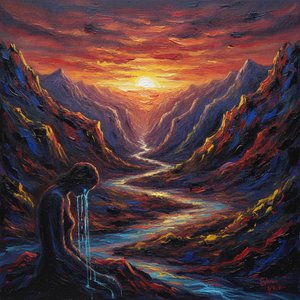
Capturing Emotion: A Journey Through the Soul of Expressionist Landscapes
Explore the profound emotional depth of Expressionist landscapes. Discover how Post-Impressionist masters moved beyond light to capture the soul through vibrant color and form. A curated journey for true art lovers seeking the beauty of expressive mastery.

The Soul of Impressionism: Why Oil on Canvas Captures Eternal Light and Timeless Emotion
Discover the enchanting alchemy of Impressionism. Explore how the mastery of oil on canvas, through glazing and impasto, captures eternal light and emotion. Perfect for lovers of Monet and Van Gogh seeking the profound depth of hand-painted fine art.
Fedezze fel a műalkotásokat témák, stílusok és jellemzők szerint csoportosítva.

