
 Megtekintés
 Küldés
 Megosztás
 Részletek
 Útmutató

 Letöltés
 Hasonló darabok
 X-ray felvétel
 Diavetítés
 Kérdések és válaszok
 Statisztika
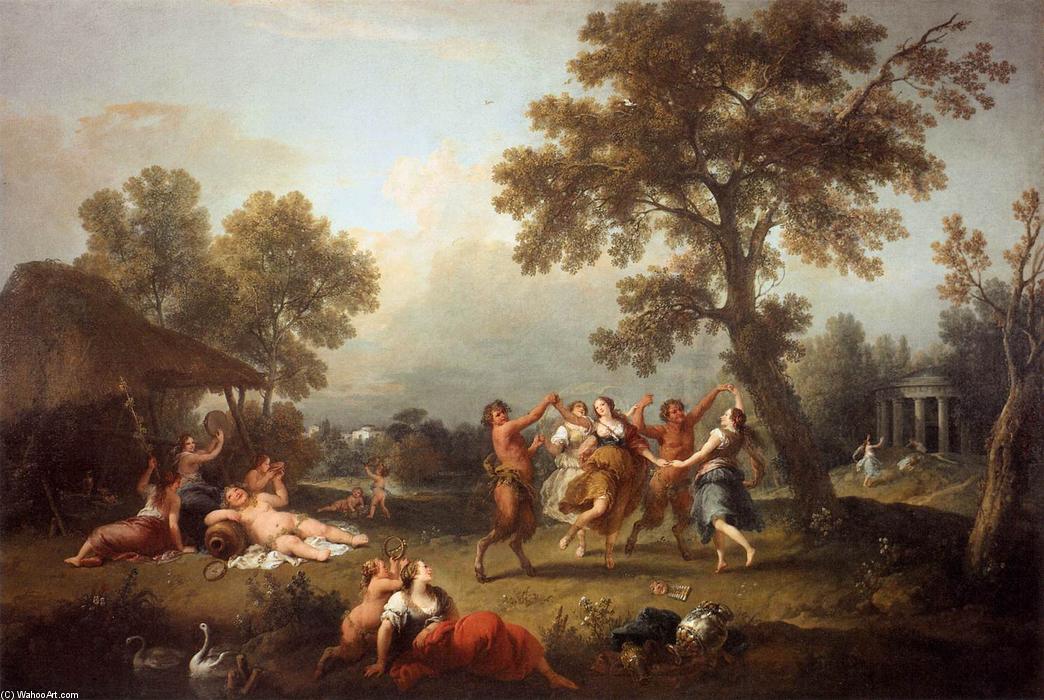
Bacchanal

- 142.0 x 210.0 cm


Experience the joyous Rococo elegance of Francesco Zuccarelli’s Bacchanal, a vibrant oil masterpiece capturing an idyllic pastoral celebration that invites you to bring timeless Venetian charm into your private collection.
 Összes részlet megjelenítése
Fedezze fel Francesco Zuccarelli (1702-1788) idilli tájképeit, az olasz rokokó mesterét, aki arcádiai jeleneteiről és velenciai bájáról ismert.
Giclée / Műnyomat
Múzeumi minőségű giclée vagy vászonnyomat, gyors gyártással és rugalmas finomítási lehetőségekkel. ( Kézzel festett másolat rendelése Áttérés digitális képre)




P118B Ft10

P118H Ft10

P118W Ft10

P438Z Ft10

P508JH Ft12

P508YH Ft12

P805H Ft10

P805Z Ft10

P919BZ Ft10

P919G Ft10

P919XJ Ft10

P959ZH Ft10

P968JZ Ft12

W106C Ft8

W218G Ft10

W218JH Ft8

W218Y Ft10

W307PJ Ft10

W316G Ft10

W316PJ Ft8

W316Y Ft10

W398PJ Ft8

W4111J Ft10

W500HY Ft15

W500JH Ft15

W692G Ft12

W849H Ft8

W940BG Ft15

W953PJ Ft8




Standard méret
egyedi méretű
CM
INCH
Válasszon előre meghatározott méreteink közül, amelyek megfelelnek a műalkotás eredeti arányainak.
Loading sizes...

szélesség
magasság
Írja be a keretének vagy a falának megfelelő szélességet és magasságot. A nyomatot csak le lehet vágni, soha nem tehető nagyobbá, mint az eredeti kép, így egy eltérő alakú méretnél a kép egy része elveszik. Mielőtt bármit kinyatintanánk, küldünk egy digitális próbamodellt jóváhagyásra. Az oldalon látható kép nem tartalmazza a valós levágást — ezt csak a próbamodell mutatja meg.
Világszerte történő kiszállítás területére mindössze 2 hét alatt, a szokásos 4-5 hét helyett. (6 november)

Ingyenes globális expressz szállítás

Prémium minőségű len vászon

Teljes körű szállítási biztosítás

Vámvisszatérítési Garancia

Hiteles színarányosság garancia

100 napos visszaküldési lehetőség (csak hibás termékek esetén)

100% pénzvisszatérítési garancia

Több darab vásárlásakor kedvezmény
 Az üvegkeretes opció csak 110 cm alatti méretben érhető el

Bacchanal
Giclée / Műnyomat
Reprodukció mérete
-


Összesített ár
Ft 22867
Francesco Zuccarelli’s Bacchanal: A Symphony of Pastoral Elegance
The Bacchanal by Francesco Zuccarelli stands as an emblem of the Rococo artistic movement, capturing not merely a scene but an entire ethos—one steeped in aristocratic indulgence and idealized beauty. Painted circa 1740-50, this oil on canvas masterpiece resides within the Gallerie dell’Accademia in Venice, Italy, offering visitors a glimpse into a period defined by opulent interiors and refined sensibilities. Zuccarelli's skill lies not just in depicting figures engaged in joyous revelry but in crafting an immersive experience that transports the viewer to a realm of pastoral serenity infused with vibrant color and masterful composition.Composition and Style: Balancing Chaos and Harmony
Zuccarelli’s approach distinguishes itself from the more dramatic Baroque tradition, prioritizing balance and grace over theatrical grandeur. The painting depicts a lively bacchanal—a celebration honoring Dionysus, the Greek god of wine and ecstasy—yet it avoids overwhelming visual sensation. A central group of figures dominates the canvas, their postures dynamic yet carefully arranged around a prominent architectural element: a classical structure reminiscent of Roman temples, subtly anchoring the scene in antiquity. The artist employs meticulous detailing to portray each participant’s attire and expression, conveying both physicality and emotion with remarkable precision. Notice how Zuccarelli utilizes light and shadow to sculpt forms, creating depth and enhancing the sense of movement—a hallmark of Rococo aesthetics.Color Palette and Technique: Embracing Pastel Radiance
The color palette is dominated by earthy tones – ochre, umber, Sienna – providing a grounding counterpoint to the splashes of vibrant hues adorning the figures’ clothing. Crimson reds, emerald greens, and sapphire blues punctuate the scene, symbolizing fertility, vitality, and divine inspiration. Zuccarelli's technique showcases exceptional brushwork, layering pigments with subtle gradations to achieve luminous surfaces that shimmer with reflected light. The artist skillfully blends colors on canvas, creating a velvety texture that contributes to the painting’s overall impression of luxurious softness. This meticulous attention to detail underscores Zuccarelli’s dedication to capturing not just what is seen but also how it feels—a testament to the transformative power of art.Historical Context: Venetian Aristocracy and Artistic Patronage
The Bacchanal reflects the cultural landscape of Venice during the mid-18th century, a city ruled by an aristocratic elite deeply invested in artistic patronage. Zuccarelli’s work exemplifies the Rococo style's fascination with idealized landscapes and mythological narratives—themes favored by Venetian noble families eager to express their status and sophistication. The painting aligns perfectly with broader European trends toward decorative art and emotional expression, signaling a shift away from Baroque solemnity towards a celebration of sensual pleasure and imaginative vision.Symbolism: Dionysian Ecstasy and Pastoral Tranquility
Beyond its visual splendor, Bacchanal is laden with symbolic significance. The bacchanalia itself represents the unrestrained pursuit of joy and indulgence—a deliberate rejection of Puritan morality—while simultaneously evoking images of Arcadia, the mythical pastoral paradise inhabited by shepherds and nymphs. The figures’ gestures convey a profound connection to nature and divine inspiration, mirroring the Rococo preoccupation with themes of beauty, harmony, and sensual experience. Zuccarelli's masterful depiction captures not only the outward spectacle of celebration but also its inner resonance—a reminder that art can transcend mere representation to communicate deeper truths about human emotion and spiritual aspiration.Legacy: Rediscovering Zuccarelli’s Vision
Francesco Zuccarelli’s reputation waned in the early 19th century, yet his work has experienced a resurgence of interest in recent decades, displayed prominently in museums worldwide. Bacchanal stands as a cornerstone of Rococo art history—a testament to Zuccarelli's artistic genius and his ability to distill the essence of an era into a single unforgettable image. Its enduring appeal lies in its exquisite beauty, balanced composition, and profound exploration of human emotion, continuing to inspire artists and collectors alike.Kérdések és válaszok
Mennyire intenzívek a „Bacchanal”, Francesco Zuccarelli alkotása színei?
A „Bacchanal”, Francesco Zuccarelli alkotása Balanced szín intenzitással rendelkezik.
Milyen méretű „Bacchanal”, Francesco Zuccarelli alkotása nyomatás illik a javasolt szobához?
A(z) „Bacchanal”, Francesco Zuccarelli alkotása ajánlott párosítása: egy Large méretű nyomat egy Living Room-ban.
Hová sorolható a "Bacchanal" Francesco Zuccarelli ismétlődő témái közé?
Francesco Zuccarelli dokumentált témái – classical ideals, roman mythology, decorative style, venetian tradition, landscape genre – között a „Bacchanal” különös hangsúlyt fektet bacchanal, landscape, classical, wine, festive, figures, italy-ra.
A művész életrajza
Francesco Zuccarelli: Egy élet a táj festészetében
- Született: Pitigliano, Olaszország (1702)
- Hunyt el: 1788
- Korszak: Késő barokk / Rokoko
Giacomo Francesco Zuccarelli, aki elsősorban Francesco Zuccarelli néven ismert, az egyik legmeghatározóbb olasz művész volt, akit idilli tájképei és arkádiai jelenetei hoztak világhírűvé. 1702-ben született a toszkai Pitiglihoban, és a 18. század közepe alatt ő vált Velence legjelentősebb tájképészévé. Művészete mély benépeséget váltott ki egész Európában, különösen Angliában, ahol hosszú ideig élhetett a királyi megbízatások fényében.
Korai képzés és római hatások
Zuccarelli művészeti utazása Rómában kezdődött, ahol Giovanni Maria Morandi és Pietro Nelli tanítványaként sajátította magát el a festészet alapjainak, kezdeti szakaszban portréfestésre fókózva. Az 1728 és 1731 közötti időszakban nagy részét az időnek olyan feladatokra szentelte, mint Giovanni da San Giovanni és Andrea del Sarto romlékony freskóinak metszése, ami során lenyűgöző részletgazdagságot és klasszikus hatásokat mutatott be. Ahogy Luigi Lanzi is megjegyezte, Paolo Anesi alakja döntő jelentőségű volt abban, hogy Zuccarelli a tájfestészet felé terelődjen, végleg meghatározva ezzel művészi irányvonalát. Korai alkotásai jól tükrözik a római klasszicizmus hatását és azt a fejlődő vágyat, amellyel az olasz vidéki tájak szépségének megörökítését célozták.
Velencéi korszak és a hírnév gyarapodása
Zuccarelli élete egy újabb fontos fordulópontot ért el körülbelül 1732-ben, amikor Velencébe költözött, kihasználva a tájfestészet terén nyílt új lehetőségeket. Itt fejlesztette ki azt a sajátos stílusát, amely egy lágyabb színpalettáról, lélegre áltló kompozíciókról és fényes tónusokkal élesztett fel alakokról ismert;_ ez jelentős eltérés volt elődei tipikus velenciei színezetétől. Gyorsan získott megbízókat olyan befolyásos személyektől, mint Schulenburg marsálatos, Joseph Smith (a brit konzul) vagy Francesco Algarotti. Művészete során gyakran alkotott együtt Antonio Visentini és Bernardo Bellotto olyan művészekkel, mint, akikkel neo-palladián építészeti sorozatokat vagy az Ószentírás jeleneteit ábrázoló, kézzel kolorált segélykártyákat készített. 1768-ban alapító tagjaként csatlakozott a londoni Royal Academy of Arts-hoz, amivel nemzetközi szinten is megteremtette hírnevét. Ez az időszak volt Zuccarelli hatalmasságának és világszerte ismert tájképeinek virágzása, amely őt a rokokó korszak egyik vezető alakjává emelte.
Késő évek, lecs Fadekozás és újrértékelés
Bár Zuccarelli kezdeti sikerei lenyűgözőek voltak, hírneve a 19. század elején lassan halványult, amint a naturalizmus művészeti irány elterjedt. Olyan kritikusok, mint Turner, csak mérsékelt dicséretet adtak neki; bár elismerték alakja szépségét, kérdésbeesésre késztették teljes stílusát. Később az művészettörténész, Michael Levey arra utalt, hogy Zuccarelli széles körű népszerűsége a munkái dekoratív jellegében rejlett, különösen az angol közönség körében. Az 1990-es évektől kezdődően azonban az olasz tudósok újrértékelési folyamatot indítottak el, kiemelve Zuccarelli tájfestészeti hozzájárulásainak jelentőségét, és számos kiállításon mutatva be újra alkotásait. Napjainkban Francesco Zuccarelli a rokokó korszak mesterének tekinthető, aki idilli tájképei révén képes megidézni a nyugalom és az klasszikus szépség érzését, öröksége pedig ma is tovább inspirálja a művészeket és lenyűgözi a világszerte élő közönséget.

Francesco Zuccarelli
1702 - 1788 , Olaszország
Rövid információk
- Artistic Movement Or Style: Rococo, Barokk
- Artists Who Influenced This Artist:
- Paolo Anesi
- Claude Lorrain
- Andrea del Sarto
- Date Of Birth: 1702. augusztus 15.
- Date Of Death: 1788. december 30.
- Full Name: Giacomo Francesco Zuccarelli
- Nationality: Olasz
- Notable Artworks:
- Capriccio with San Giorgio Maggiore
- Klasszikus táj
- Tájkép lányokkal a folyon
- Bakkhoszt
- Place Of Birth (City And Country): Pitigliano, Olaszország
Kapcsolódó cikkek

The Elegance of Rococo Portraiture: A Journey Through Grace, Soft Light, and Pastel Dreams
Discover the exquisite world of Rococo portraiture. Explore the delicate beauty of 18th-century French art, from pastel light to graceful asymmetry, and learn how to bring this era of elegance into your home through masterfully hand-painted oil reproductions.

The Elegance of Rococo: A Journey Through Pastel Dreams and Ornate Splendor
Embark on an elegant journey through the Rococo era. Discover the delicate beauty of pastel masterpieces, the intricate artistry of 18th-century French masters, and how this era of ornate splendor continues to inspire timeless luxury in fine art collecting.

Golden Light & Rich Color: The Timeless Magic of Venetian Renaissance Art
Explore the luminous beauty of Venetian Renaissance art. Discover how masters like Titian used colorito and golden light to redefine painting through texture, emotion, and atmospheric brilliance in a masterclass of historical artistry.