

 Megtekintés
 Küldés
 Megosztás
 Részletek
 Útmutató

 Letöltés
 Hasonló darabok
 X-ray felvétel
 Diavetítés
 Q&A
Q&A Statisztika
The Martigues

- 36.0 x 46.0 cm


A serene harbor scene blending Impressionism and Dadaism, this 1904 oil painting by Francis Picabia captures a tranquil blue and white seascape that invites you to bring a piece of art history into your home.
 Összes részlet megjelenítése
Picabia: avantgárd festő, kubista, dadaista, szellemes művész! Gépek, sátírozás, és a modern világ kritikája. Színpompás alkotások, egyedi stílusa!
Giclée / Műnyomat
Múzeumi minőségű giclée vagy vászonnyomat, gyors gyártással és rugalmas finomítási lehetőségekkel. ( Kézzel festett másolat rendelése Áttérés digitális képre)




P118B Ft10

P118H Ft10

P118W Ft10

P438Z Ft10

P508JH Ft12

P508YH Ft12

P805H Ft10

P805Z Ft10

P919BZ Ft10

P919G Ft10

P919XJ Ft10

P959ZH Ft10

P968JZ Ft12

W106C Ft8

W218G Ft10

W218JH Ft8

W218Y Ft10

W307PJ Ft10

W316G Ft10

W316PJ Ft8

W316Y Ft10

W398PJ Ft8

W4111J Ft10

W500HY Ft15

W500JH Ft15

W692G Ft12

W849H Ft8

W940BG Ft15

W953PJ Ft8




Standard méret
egyedi méretű
CM
INCH
Válasszon előre meghatározott méreteink közül, amelyek megfelelnek a műalkotás eredeti arányainak.
Loading sizes...

szélesség
magasság
Írja be a keretének vagy a falának megfelelő szélességet és magasságot. A nyomatot csak le lehet vágni, soha nem tehető nagyobbá, mint az eredeti kép, így egy eltérő alakú méretnél a kép egy része elveszik. Mielőtt bármit kinyatintanánk, küldünk egy digitális próbamodellt jóváhagyásra. Az oldalon látható kép nem tartalmazza a valós levágást — ezt csak a próbamodell mutatja meg.
Világszerte történő kiszállítás területére mindössze 2 hét alatt, a szokásos 4-5 hét helyett. (31 október)

Ingyenes globális expressz szállítás

Prémium minőségű len vászon

Teljes körű szállítási biztosítás

Vámvisszatérítési Garancia

Hiteles színarányosság garancia

100 napos visszaküldési lehetőség (csak hibás termékek esetén)

100% pénzvisszatérítési garancia

Több darab vásárlásakor kedvezmény
 Az üvegkeretes opció csak 110 cm alatti méretben érhető el

The Martigues
Giclée / Műnyomat
Reprodukció mérete
-


Összesített ár
Ft 22596
A Serene Voyage Through Light and Color
In the quietude of 1904, a young Francis Picabia captured a moment of profound stillness in his masterpiece, The Martigues. This evocative oil on canvas invites the viewer into a tranquil harbor scene, where the boundaries between water, sky, and shore seem to dissolve into a dreamlike haze. The composition is anchored by a large sailing vessel that rests upon the calm expanse of the sea, its presence balanced by the solitary figure of a man standing near a boat in the foreground. This human element provides a poignant sense of scale and a touch of narrative intimacy, suggesting a moment of quiet contemplation amidst the vastness of the coastal landscape. As the eye wanders toward the horizon, the soft silhouettes of trees and distant buildings emerge, lending a gentle depth to the scene that draws the observer deeper into this maritime sanctuary.
The technical brilliance of The Martigues lies in Picabia’s masterful ability to weave together the disparate threads of late 19th-century innovation. At first glance, the painting breathes with the luminous energy of Impressionism, utilizing a palette dominated by soothing blues and crisp whites to evoke the cool, refreshing atmosphere of a coastal morning. Yet, beneath this surface lies a more complex structural approach; the artist employs short, broken brushstrokes reminiscent of Pointillism, creating a textured, tactile surface that dances with light. Subtle hints of yellow-gold on the ship's rigging provide a warm, rhythmic contrast to the cool tones, while delicate traces of green in the vegetation add organic vitality. This experimental fusion of styles showcases an artist on the precipice of a revolution, blending the sensory delights of light and color with a burgeoning interest in more structured, modern forms.
The Dawn of an Avant-Garde Spirit
To behold The Martigues is to witness the early tremors of a cultural earthquake. While Picabia would later become a central provocateur of the Dada movement—a movement defined by its rejection of traditional aesthetics and its embrace of the absurd—this particular work captures him in a more lyrical, transitional phase. It serves as a beautiful bridge between the representational traditions of the past and the radical experimentation of the 20th century. The painting does not merely depict a harbor; it symbolizes the spirit of exploration and the fluidity of identity. The sailing ship, poised for movement yet resting in stillness, acts as a metaphor for the artist’s own restless journey through Cubism, Surrealism, and Dadaism.
For the discerning collector or interior designer, this reproduction offers more than just visual elegance; it provides a window into the soul of modern art history. The soft, diffused lighting and the absence of harsh shadows create an atmosphere of peace that is ideal for creating a sophisticated, calming sanctuary within a home or gallery space. Whether placed in a sunlit study or a contemporary living area, The Martelligues brings with it a sense of historical weight and artistic prestige. Owning a high-quality, hand-painted reproduction allows one to inhabit the same world of light and texture that Picabia inhabited over a century ago, making the profound legacy of the French avant-garde a tangible part of your personal environment.
Kérdések és válaszok
Melyik történelmi korszakból származik a „The Martigues”, Picabia alkotása?
A „The Martigues”, Picabia alkotása a Modern korszakból származik. Ez az időszak adja meg a mű történelmi kontextusát.
Milyen hangulatot kölcsönözne a "The Martigues" egy térnek?
A „The Martigues”, Picabia alkotása Serene hangulatot áraszt, és egy Hotel Room helyiségbe ajánlott. A hangulat az az érzés, amelyet a mű közvetít a környezetében lévő tér felé.
Melyik országból származik a Dadaism irányzat The Martigues című műve?
A "The Martigues" alkotását Picabia készítette, aki Franciaország-ban született, a Dadaism irányzat keretein belül. A művész származása összeköti a művet a Dadaism stílussal, amelyet Franciaország művészei gyakoroltak.


A művész életrajza
A Life Forged in Avant-Garde Fire: The World of Francis Picabia
Francis Picabia, a név, mely szinte azonnal összeköti azokat a korai 20. századi művészeket, akik nem csak festettek, hanem provokátorok, köpők, tipográfusok és művészeti határokig határral járó felfedezők voltak. 1879-ben született Párizsban, Franciaországban, egy francia anyától és kubai apától, akik a diplomáciai körökben jártak elismerésnek. Picabia élete mindkét szülői örökségének hatását viselte: a priviléged, de mélyen csalódott természetű életet. Ez a kettő volt az, ami hajtotta művészi útján, átélve a kubizmust, a dadát, a szurrealizmussal és sokkal többel, elrendezve a modern művészet térképét. Korai évei tragédiával kezdődtek – anyja tüdőmirigy-tuberculosisban halt meg, amikor csak öt éves volt – de a távozása mellett a fia támogatta a fejlődést. A nagytalántól kapott vagyon Picabia számára lehetővé tette, hogy teljes mértékben dedikálja magát az művészi tevékenységnek, egy luxus, ami lehetővé tette, hogy folyamatosan kísérletezz és kihívja a megszokott normákat. Nem csak *mit* néztek meg a művek, hanem kérdőjelezték is a célját és jelentését.Impressionistic Beginnings to Cubist Revolution
Picabia korai művészi utakat az időszak által meghatározott stílusok hozták létre, különösen az impresszionizmus. Párisi tájképeket és folyópartokat festett technikailag megkülönböztethető módon, de ez nem volt elég ahhoz, hogy elégedett legyen. A kritikusok úgy találták, hogy a munkái eredendőek és hiányoznak az egyediségből, ami egy fontos fordulópontot jelentett. Ez a kielégületlenség ösztönözte őt arra, hogy új kifejezési módokat keressen, ami a kubizmus forradalmi ideáival körülvette 1909-ben. A Puteaux csoportba való csatlakozása – mely Marcel Duchampot és Guillaume Apollinairét is magába emelkedett – kulcsfontosságú volt. Bevonult a formák dekonstruciójába, a perspektívát bontogatásába és a geometriai absztrakciók felfedezésébe. Ez időszak jelentős áttörést hozott az esztétikájában, elmozdulva a reprezentációs pontosságtól egy inkább koncepciós irányba.Dada’s Provocateur: Machines, Satire, and the Rejection of Reason
A ensimmäinen maailanháború katalizátor lett Picabia radikális fázisának – a dadába való bevonásának. A remélességtelenséget és a társadalmi hypocrisiát, amelyekkel szembenézve, elutasította az ésszerűséget, a logikát és a hagyományos művészi értékeket. Egyrel később New Yorkba költözött, ahol Marcel Duchamp is csatlakozott hozzá. Itt Picabia igazán finomította dadai kifejezési módszereit. Kézben fogta a gépek képzését – gyakran szexuális árnyalatokkal teli fantasztiikus gépkészleteket – amelyek kritikát fejtettek ki a modern társadalom technológiai szenvedélye iránti áldozatkészségéről. Ezek a művek nem csak a gépek ábrázolása voltak, hanem alegóriák a világban zajló dehumanizáló erőknek. Szellemi szarkazmusa, kombinálva a vonal és forma mesterségével, tett ezeket a rajzokat különösen erőteljesekké. A *Little Review* című dadai folyóiratot szerkesztette, amely tovább terjesztette provokáló gondolatait és kihívta a művészi normákat. Universal Prostitution, egy összetett rajz, amelyet ezen időszakban készített, példa szolgál a tabu témák feltárására és a társadalmi elvárások lebontására.A Shifting Kaleidoscope: Surrealism and Beyond
Picabia művészi útja folyamatos fejlődéssel és a kategorizálás elutasításával volt jellemezve. Bár mélyen bevonódott a dadába, rövid ideig járt a szurrealizmus útján a 1920-as években, felfedezve az álom világát és a tudattalan világát. Azonban ez az asszociáció is hamarosan lejárt. Hamarosan elutasította azt, amit a szurrealista mozgalom szigorú dogmájaként érzett, inkább továbbra is saját útján haladt. Utóbb Picabia folyamatosan kísérletezett különböző stílusokkal és technikákkal, integrálva az organikus formákat és a vibráló színeket a munkájába. Későbbi festményei gyakran biomorfikus formákat mutattak, és szexuális textúrákat fejeztek ki. Maradék életében Picabia egy igazi művész volt, aki folyamatosan kísérletezett és kihívta a művészi hagyományokat.Legacy: A Pioneer of Modern Artistic Freedom
Francis Picabia öröksége kétségkívül megmutatkozott a modern művészetben. A folyamatos kísérletezése, a megszokott elutasítása és a vitákra való hajlandóság előre vette a 20. század művészeinek generációját. Egy igazi művészi szabadság úttörője volt, bizonyítva, hogy az művészet bármi lehet – politikai álláspont, filozófiai kutatás, személyes kifejezés vagy egyszerűen formák és színek játék. A munkái nem csak a különleges mesterműveikben, hanem a folyamatos elkötelezettségükben is megmutatják a művészi innováció iránti vágyukat és a hagyományok korlátjainak elutasítását.
Picabia
1879 - 1953 , Franciaország
Rövid információk
- Artistic Movement Or Style: Kubbist, Dada, Surrealista
- Artists Or Movements Influenced By This Artist:
- Picabia
- Dada
- Artists Who Influenced This Artist:
- Sisley
- Duchamp
- Date Of Birth: 1879. jan 28.
- Date Of Death: 1953. nov 30.
- Full Name: Francis-Marie Martinez Picabia
- Nationality: Francia
- Notable Artworks:
- Amorous Parade
- Caoutchouc
- Place Of Birth: Párizs, Francia
Kapcsolódó cikkek

A kék árnyalatai: 10 ikonikus festmény a Slate Blue szín jegyében | TopImpressionists.com
Fedezze fel a 10 legikonikusabb festményt, melyeket a Slate Blue szín ural! Monet, Renoir és más mesterek művei inspirálnak. Vászonképek eladás, otthon dekoráció tippek a TopImpressionists.com-on. Explore the full collection online!

Renoir Mesterek: A 25 Leglenyűgözőbb Kép a Francia Impresszionizmus Gyöngyszemeiből | TopImpressionists
Fedezze fel Pierre-Auguste Renoir 25 legszebb művét! Ismerje meg az impresszionizmus gyöngyszemeit, a színek és fény játékát. Vásároljon exkluzív Renoir reprodukciókat otthonába a TopImpressionists.com kínálatából – minőségi faliképek és inspiráló dekoráció.
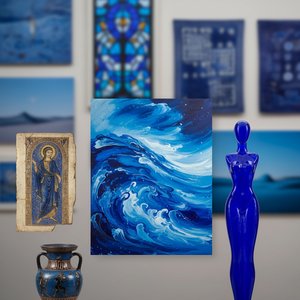
The Allure of Azure: Exploring the Symbolic & Aesthetic Depths of Blue in Art History
Explore the rich history of blue in art! Discover its symbolism, from ancient pigments to modern masterpieces by Kandinsky & Seurat. Uncover the psychological impact and cultural meanings behind this captivating hue.

A Fehér Szín Mesterei: 10 Híres Festmény, Amelyek Elvarázsolnak – TopImpressionists.com
Fedezze fel a 10 legikonikusabb fehér tónusú festményt! Monet, Van Gogh és más mesterek alkotásainak története. Vászonképek, reprodukciók – inspiráció otthonába. TopImpressionists.com: minőségi művészet online.

Claude Monet 25 Mesterműve: A Fény és a Szín Zsenialitása – TopImpressionists.com
Fedezze fel Claude Monet 25 legikonikusabb mesterművét! Ismerje meg az impresszionizmus zseniális festőjének történetét, a fény és szín varázsát. Vásároljon exkluzív reprodukciókat otthona dekorációjához a TopImpressionists.com-on!