


 Előnézet
 Megosztás
 Megosztás
 Részletek
 Útmutató

 Letöltés
 Hasonló darabok
 X-ray felvétel
 Diavetítés
 Statisztika
Gypsy Forest
 Oil On Canvas
- WallArt
- Impressionism
 19th Century
 70.0 x 91.0 cm
 Victoria Art Gallery
Explore 'Gypsy Forest' by Sir Frank William Brangwyn – an evocative impressionistic painting of a solitary figure in a dramatic woodland scene. Discover its rich textures & symbolism.
 Tovább olvasom
Brangwyn, a nagyszerű walesi festő, az orientalizmus és a tengeri tájak mestere. A dekoratív művészetek ikonja, lenyűgöző freskók és épületi terveivel.
Giclée / Műnyomat
Múzeumi minőségű giclée vagy vászonnyomat, gyors gyártással és rugalmas finomítási lehetőségekkel. ( Kézzel festett másolat vásárlása Áttérés digitális képre)




P118B Ft10

P118H Ft10

P118W Ft10

P438Z Ft10

P508JH Ft12

P508YH Ft12

P805H Ft10

P805Z Ft10

P919BZ Ft10

P919G Ft10

P919XJ Ft10

P959ZH Ft10

P968JZ Ft12

W106C Ft8

W218G Ft10

W218JH Ft8

W218Y Ft10

W307PJ Ft10

W316G Ft10

W316PJ Ft8

W316Y Ft10

W398PJ Ft8

W4111J Ft10

W500HY Ft15

W500JH Ft15

W692G Ft12

W849H Ft8

W940BG Ft15

W953PJ Ft8




Standard méret
egyedi
CM
INCH
Válasszon előre meghatározott méreteink közül, amelyek megfelelnek a műalkotás eredeti arányainak.
Loading sizes...

szélesség
magasság
Írja be a keretének vagy a falának megfelelő szélességet és magasságot. A nyomatot csak le lehet vágni, soha nem tehető nagyobbá, mint az eredeti kép, így egy eltérő alakú méretnél a kép egy része elveszik. Mielőtt bármit kinyatintanánk, küldünk egy digitális próbamodellt jóváhagyásra. Az oldalon látható kép nem tartalmazza a valós levágást — ezt csak a próbamodell mutatja meg.
Világszerte történő kiszállítás területére mindössze 2 hét alatt, a szokásos 4-5 hét helyett. (23 október)

Ingyenes globális expressz szállítás

Prémium minőségű len vászon

Teljes körű szállítási biztosítás

Vámvisszatérítési Garancia

Tökéletes színarányosság garancia

100 napos visszaküldési garancia (csak gyártási hibás termékek esetén)

100% pénzvisszatérítési garancia

Több darab vásárlásakor kedvezmény
 Az üvegkeretes opció csak 110 cm alatti méretben érhető el

Gypsy Forest
Giclée / Műnyomat
Reprodukció méretei
-


Összesített ár
Ft 22182
The Enigmatic Glow of the Forest Hearth
To stand before Gypsy Forest is to be drawn into a moment suspended between twilight and deep night. Frank Brangwyn captures not merely a scene, but an atmosphere—a profound communion between humanity and the wild embrace of nature. The painting centers on a solitary figure, their presence illuminated by the primal, flickering heart of an open fire. This is an impressionistic vision where the drama unfolds through light itself. The surrounding woods press in, rendered with such density that they feel less like painted trees and more like tangible shadows guarding a secret ritual. One senses the chill dampness of the forest floor contrasting sharply with the vital warmth emanating from the cooking flames.
A Masterclass in Impressionistic Light
Brangwyn’s handling of paint here is nothing short of masterful, showcasing an expressive technique that prioritizes mood over meticulous detail. The visible, broken brushstrokes are key to the painting's vitality; they do not merely describe the wood grain or the fluttering flames, they embody the very act of seeing in low light. This loose application allows the viewer’s eye to complete the picture, participating actively in the creation of the scene. Notice how the light source—the fire—is the compositional anchor, casting dramatic chiaroscuro effects that carve out the figure and the immediate cooking area from the encroaching gloom. The overall effect is one of immersive depth, pulling the observer deep into the heart of this rustic tableau.
Symbolism of Solitude and Sustenance
Beyond its technical brilliance, Gypsy Forest resonates with potent symbolism. The fire itself is a universal emblem: it speaks of sustenance, of community gathered against the cold, yet in this solitary context, it becomes a beacon of personal resilience. The figure, seemingly engaged in the simple act of preparing food, embodies human endurance—the quiet dignity of survival within nature’s vast indifference. It invites contemplation on our own moments of necessary solitude, those times when the essential comforts, like warmth and companionship (even if only with oneself), become paramount.
Bringing the Wild into Your Sanctuary
For the collector or designer seeking art that whispers stories rather than shouts them, this piece offers unparalleled emotional depth. Reproducing the rich texture and evocative color palette of Gypsy Forest allows one to infuse a space with an air of romantic mystery. Imagine this glow captured on a wall—it suggests cozy evenings, untold journeys, and the enduring spirit found at the edge of the known world. It is art that does not simply decorate; it transforms the ambiance, wrapping your room in the warm, mysterious embrace of the forest night.
Gyakran Ismételt Kérdések
Elérhető diaporáma „Gypsy Forest”, Frank Brangwyn alkotása alkotáshoz?
A „Gypsy Forest”, Frank Brangwyn alkotása diaporámaként tekinthető a mű Diaváltás oldalán.
Általánosságban inkább világos vagy sötét a "Gypsy Forest"?
A "Gypsy Forest" alkotás fényerisége összességében deep_shadow, luminanciája pedig Dark.
Milyen összefüggésben áll a "Gypsy Forest" témája Frank Brangwyn megszokott motíveivel?
Frank Brangwyn ismétlődő témái közé tartozik a orientalist landscapes, british empire influence, romantic wilderness", exploration & adventure, solitary human spirit, nature's power & danger, brangwyn's signature style, murals & decorative art; a „Gypsy Forest” fókuszál a forest, firelight, solitude, wilderness, rustic, landscape, survival témakörre.
Hasonló műalkotások


A művész életrajza
A Life Forged in Light and Labor: The World of Frank Brangwyn
Frank William Brangwyn, a name synonymous with vibrant color and monumental scale, was born in Bruges, Belgium, in 1867 – a city steeped in artistic heritage that profoundly shaped his early development. His father, William Curtis Brangwyn, a skilled church designer who had achieved recognition for his work, instilled within young Frank not just an appreciation for craftsmanship but also a deep respect for the visual world. The family’s relocation to England in 1875 proved pivotal, thrusting him into the heart of London's burgeoning artistic scene – a landscape teeming with innovation and opportunity. While formal education was somewhat fragmented, marked by frequent absences from Westminster City School to immerse himself in his father’s workshop or lose himself amongst the treasures of the South Kensington Museum, this self-directed learning fostered an independent spirit that would define his entire career. Crucially, he apprenticed under Arthur Heygate Mackmurdo and William Morris, initially mastering skills like glazing, embroidery, and wallpaper design – disciplines that provided a foundational understanding of integrated art and design, principles central to the Arts and Crafts movement. However, it was Brangwyn’s burgeoning passion for painting that ultimately took root, validated by the prestigious medal awarded to “Funeral at Sea” at the 1891 Paris Salon – a moment of recognition that solidified his commitment to a life dedicated to artistic expression.From Maritime Scenes to Orientalist Visions
Brangwyn's early artistic focus was firmly rooted in the maritime world, reflecting both a personal fascination with the sea and the prevailing aesthetic tastes of the era. He possessed an extraordinary ability to capture the drama and arduous realities of seafaring life, meticulously detailing every element – from the weathered faces of sailors to the churning depths of the ocean. His paintings weren’t merely depictions; they were imbued with atmosphere, capturing the very essence of a ship at sea. Yet, Brangwyn's artistic horizons dramatically expanded during extensive travels throughout the 1890s, venturing to Istanbul (Constantinople), Spain, Egypt, Turkey, and Morocco. These journeys proved transformative, injecting his work with an explosion of color, exotic motifs, and a newfound sense of light – a shift that marked a significant departure from his earlier, more restrained style. The influence of Orientalism is undeniably present in works like “The Golden Horn,” Constantinople, where vibrant hues and intricate patterns evoke the richness and mystery of the East. This wasn’t simply an imitation; it represented a profound engagement with new cultures and artistic traditions, pushing Brangwyn to experiment with bolder palettes and more expressive compositions. He became increasingly adept at blending observation with imagination, creating scenes that were both historically accurate and deeply evocative.A Prolific Output and Monumental Commissions
The sheer volume of Brangwyn’s output is truly astonishing – estimated to exceed 12,000 works encompassing paintings, drawings, etchings, wood engravings, lithographs, architectural designs, and more. This relentless productivity stemmed from a deeply ingrained work ethic and an insatiable curiosity about the world around him. He wasn't confined to a single medium; he excelled in diverse fields, demonstrating remarkable versatility. Beyond his celebrated murals, Brangwyn designed carpets, furniture, ceramics, stained glass, and even architectural interiors – showcasing a holistic approach to design that was rare for artists of his time. A particularly noteworthy moment arrived in 1895 when Siegfried Bing, the influential art dealer, commissioned him to decorate the exterior of Galerie l'Art Nouveau in Paris, opening doors to a wider international audience and solidifying his reputation as a leading figure in decorative arts. His illustrations for Edward William Lane’s “One Thousand and One Nights” further demonstrated his talent for narrative detail and exotic imagery, captivating readers with his vivid depictions of faraway lands and fantastical tales. However, perhaps the most ambitious – and ultimately controversial – project was his commission to create murals depicting scenes from the British Empire for the House of Lords in 1924. Despite initial enthusiasm, the panels were ultimately rejected by Parliament, deemed unsuitable for their intended location, but they now reside in Swansea’s Guildhall, serving as a testament to Brangwyn's enduring legacy.Key Influences and Artistic Development
Brangwyn’s artistic development was shaped by a confluence of influences – from the foundational principles of the Arts and Crafts movement to the vibrant traditions of Oriental art. His early apprenticeship with William Morris instilled in him a deep appreciation for craftsmanship, design integration, and the importance of creating works that were both beautiful and functional. The meticulous detail evident in his maritime scenes reflects this commitment to quality and precision. However, it was his travels to the East that truly ignited his artistic imagination. He absorbed the rich colors, intricate patterns, and exotic motifs of Ottoman and Islamic art, incorporating these elements into his own work with remarkable skill. Furthermore, he drew inspiration from the works of earlier landscape painters like Stanhope Forbes, adapting their techniques for capturing light and atmosphere in a more vibrant and expressive manner. The shift towards brighter palettes and bolder compositions during this period marked a significant departure from his earlier, more restrained style – a testament to his willingness to experiment and evolve as an artist.Historical Significance and Lasting Legacy
Sir Frank William Brangwyn’s artistic journey represents a fascinating intersection of Victorian aesthetics, Orientalist influences, and the burgeoning modernist movement. While he initially faced criticism for his unconventional style, particularly in Britain, he ultimately gained international recognition for his monumental murals, vibrant color palettes, and diverse range of artistic skills. His work served as a powerful symbol of British imperial ambition during a period of global expansion, while simultaneously reflecting a deep appreciation for the beauty and diversity of other cultures. The murals commissioned for the House of Lords, despite their controversial rejection, remain a significant landmark in British art history – showcasing Brangwyn’s extraordinary talent and his ability to create works that were both visually stunning and conceptually complex. Today, his paintings can be found in museums and private collections around the world, ensuring that his legacy as one of the most important decorative artists of the late 19th and early 20th centuries continues to endure. His influence is still felt today, inspiring artists and designers to embrace experimentation, celebrate diversity, and strive for excellence in all their endeavors.
Frank Brangwyn
1867 - 1956 , Belgium
Gyors információk
- Artistic Movement Or Style: Arts & Crafts, Orientalizmus
- Artists Or Movements Influenced By This Artist: ['Britannia dekoratív művészete']
- Artists Who Influenced This Artist: ['William Morris']
- Date Of Birth: 1867. 05. 12.
- Date Of Death: 1956. 06. 11.
- Full Name: Sir Frank William Brangwyn
- Nationality: Britannia
- Notable Artworks:
- Funeral at Sea
- Golden Horn
- Arab Művészek
- Place Of Birth: Bruges, Belgium
Kapcsolódó cikkek

The Beauty of Impermanence: Capturing Decay through Impressionist Eyes
Explore the profound beauty of impermanence through Impressionist and Post-Impressionist eyes. Discover how masters like Monet and Van Gogh captured fleeting light and the poetic essence of nature's transitions in our deep dive into art history and emotional landscapes.

Capturing the Soul: The Most Emotionally Moving Impressionist and Post-Impressionist Masterpieces
Discover the profound emotional depth of Impressionist and Post-Impressionist masterpieces. Explore how legends like Monet, Van Gogh, and Gauguin captured light and soul through evocative landscapes and vibrant brushwork for a timeless connection to art history.

Beyond the Light: Capturing Raw Emotion and Subjective Vision in Post-Impressionist Landscapes
Explore the profound emotional depth of Post-Impressionist landscapes. Discover how masters like Van Gogh moved beyond light to capture raw human feeling through vibrant color and expressive texture in this expert art history retrospective.
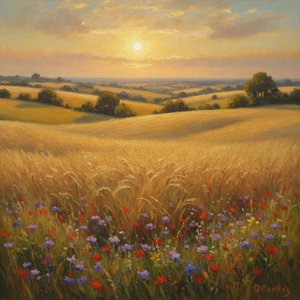
Golden Fields & Sun-Drenched Meadows: Capturing the Soul of Impressionist Landscapes
Immerse yourself in the luminous world of Impressionist landscapes. Discover how masters like Monet and Gauguin captured ephemeral light through plein air painting, and learn to bring the soul of sun-drenched meadows into your home with exquisite, hand-painted oil reproductions.
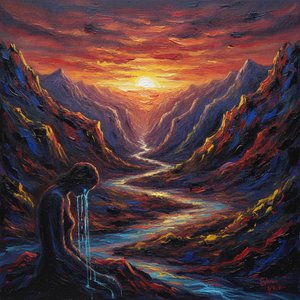
Capturing Emotion: A Journey Through the Soul of Expressionist Landscapes
Explore the profound emotional depth of Expressionist landscapes. Discover how Post-Impressionist masters moved beyond light to capture the soul through vibrant color and form. A curated journey for true art lovers seeking the beauty of expressive mastery.