


 Megtekintés
 Küldés
 Megosztás
 Részletek
 Útmutató

 Letöltés
 Hasonló darabok
 X-ray felvétel
 Diavetítés
 Statisztika
Szilárd tigris


Egy lenyűgöző kubizmus műalkotás Franz Marc szívében – élénk színek és egyszerű formák idézik meg egy hatalmas állatot, tükrözve az ősi természet erővel és bölcsiséggel töltött világát.
 Összes részlet megjelenítése
Fedezd fel a német ekspreszionista Franz Marc (1880-1916) munkáit! A spirituális témák, az állatfestészet és a vibráló színek egyedülálló világtalányát ábrázolja. Látogasd meg a gyönyörű műveit!
Giclée / Műnyomat
Múzeumi minőségű giclée vagy vászonnyomat, gyors gyártással és rugalmas finomítási lehetőségekkel. ( Kézzel festett másolat rendelése Áttérés digitális képre)




P118B Ft10

P118H Ft10

P118W Ft10

P438Z Ft10

P508JH Ft12

P508YH Ft12

P805H Ft10

P805Z Ft10

P919BZ Ft10

P919G Ft10

P919XJ Ft10

P959ZH Ft10

P968JZ Ft12

W106C Ft8

W218G Ft10

W218JH Ft8

W218Y Ft10

W307PJ Ft10

W316G Ft10

W316PJ Ft8

W316Y Ft10

W398PJ Ft8

W4111J Ft10

W500HY Ft15

W500JH Ft15

W692G Ft12

W849H Ft8

W940BG Ft15

W953PJ Ft8




Standard méret
egyedi méretű
CM
INCH
Válasszon előre meghatározott méreteink közül, amelyek megfelelnek a műalkotás eredeti arányainak.
Loading sizes...

szélesség
magasság
Írja be a keretének vagy a falának megfelelő szélességet és magasságot. A nyomatot csak le lehet vágni, soha nem tehető nagyobbá, mint az eredeti kép, így egy eltérő alakú méretnél a kép egy része elveszik. Mielőtt bármit kinyatintanánk, küldünk egy digitális próbamodellt jóváhagyásra. Az oldalon látható kép nem tartalmazza a valós levágást — ezt csak a próbamodell mutatja meg.
Világszerte történő kiszállítás területére mindössze 2 hét alatt, a szokásos 4-5 hét helyett. (28 október)

Ingyenes globális expressz szállítás

Prémium minőségű len vászon

Teljes körű szállítási biztosítás

Vámvisszatérítési Garancia

Hiteles színarányosság garancia

100 napos visszaküldési lehetőség (csak hibás termékek esetén)

100% pénzvisszatérítési garancia

Több darab vásárlásakor kedvezmény
 Az üvegkeretes opció csak 110 cm alatti méretben érhető el

Szilárd tigris
Giclée / Műnyomat
Reprodukció mérete
-


Összesített ár
Ft 22276
Alany és Kompozíció
Ez a lenyűgöző műalkotás egy fenséges félragadozó, valószínűleg egy tigris vagy egy hasonló nagy kisméretű vadállat körül épülkedik, melyet a csendes erő és az önreflexió pillanatában örökítettek meg. Az állat áttörhetetlen tekintete magába vonja a nézőt a saját világába, titokzatos hangulatot és érzelmi mélységet keltve. A kompozíció dinamikus, mégis egyensúlyozott; a fragmented, geometrikus felületek több perspektívát is sugallnak, arra invitálva a látogatót, hogy kutassa a témát különböző szögekből. A darabozott forma kiemeli az állat veleszületett erejét és függetlenségét, így bármely tér lenyűgöző fókuszpontjává teszi a festményt.Stílus és Technika
A 1912-ben készült alkotás a kubista stílus kiváló példája, melyet markáns geometrikus formák és absztrahált alakok jellemznek. A művész éles vonalakat és egymásra helyezett felületeket alkalmaz a tárgy darabolására, ezzel hangsúlyozva a vászon kéthetlegességét, miközben egy rétegzett mélységérzetet hoz létre. A vibráló színpaletta kontrasztos árnyalatokat – sárgát, vöröst, zöldet és sötétlila színeket – mutat be, melyeket kifejező ecsetvonásokkal alkalmaztak, átadva a mozgás és az érzelmi intenzitás érzését. A széles, magabiztos vonalak és a rétegzett textúrák használata fokozza a mű haptikus, tapintható minőségét, élénnyé téve a vizuális élményt.Történelmi Kontextus és Művészeti Jelentőség
A 20. század eleji művészet fordulópontán született alkotás tükrözi a kubizmus és a német ekspreszionizmus innovatív szellemét. A festész, Franz Marc, úttörője volt az állatok spirituális és szimbolikus potencialitásának feltárásának, gyakran ábrázolva őket az életerő és a szívósság megtestesülését. Ez a mű tökéletesen illeszkedik Marc állatvilággal kapcsolatos lelki vonzalmához, amelyben az állatok a tisztaságot, az erőt és az érzelmi mélységet képviselték számára. A világháború előtti felfordulás idején, 1912-ben született alkotás megörökíti a művészeti kísérletezés és az érzelmi felfedezés azon pillanatát, amely ma is képes megható erejével lenyűgözni.Szimbolizmus és Érzelmi Hatás
A félragadó intenzív tekintete és a vibráló, kontrasztos színek mély érzelmi válaszreakciót váltanak ki, retorikus awe-t, kontemplációt és ellenállást ébresztve a nézőben. A darabolt forma az érzékelés összetettségét és az identitás többféle jellegét szimbolizálja. A mű arra ösztönzi a tekintet megfigyelőjét, hogy túltekints a felszíni megjelenésen, és kapcsolódjon az alany mélyebb, spirituális minőségeihez. Bájos vizuális nyelvének és érzelmi mélységének köszönhetően ez egy erőteljes alkotás, amely bármely környezetben képes gondolkodatra késztetésre és beszélgetések indítására.Tökéletes Gyűjtőknek és Belsőépítészethez
Ez a kiváló minőségű reprodukció kivételes lehetőséget kínál a művészetkedvelők, a gyűjtők és a belsőépítészek számára, hogy a korai modernizmus egyik innovációját beépítsék környezetükbe. Dinamikus kompozíciója és vibráló színvilága figyelemfelkeltő központjává válik mind a kortárs, mind a klasszikus terekben. Legyen szó nappaliról, irodáról vagy galériáról, ez a művészeti alkotás eleganciát, érzelmi rezonanciát és művésztörténeti értéket ad a térnek, időtlen kiegészítővé teszi bármely gyűjteménynek.Kérdések és válaszok
Szabadon reprodukálható-e a/az „Szilárd tigris”, Franz Marc alkotása képe?
A szerzői jogokkal kapcsolatban a "Szilárd tigris" mű közösségi tulajdon – a szerzői jog lejártt.
„Szilárd tigris”, Franz Marc alkotása festmény, rajz vagy grafika?
A „Szilárd tigris”, Franz Marc alkotása művészeti alkotás a Falfeliratok és faldekoráció kategóriába tartozik. Ez a besorolás határozza meg az eredeti alkotás típusát.
Milyen színpaletta jellemzi a(z) „Szilárd tigris”, Franz Marc alkotása alkotást?
A „Szilárd tigris”, Franz Marc alkotása egy Sötét tónusok színpalettát használ, amely összefoglalja a mű egészében megnyilvánuló színes karakterét.
A művész életrajza
A Life Immersed in Color and Spirit
Franz Moritz Wilhelm Marc, born in Munich in 1880, was a painter whose brief but intensely focused career irrevocably altered the course of German Expressionism. His story is one of profound spiritual seeking translated into a vibrant visual language, a quest to understand the essence of life through the purity he found in the natural world—particularly within the animal kingdom. Initially influenced by his father, Wilhelm Marc, a landscape painter, young Franz’s artistic path wasn't immediately certain. He briefly considered theology, grappling with questions of faith and existence before ultimately dedicating himself to art at the Academy of Fine Arts in Munich. These early explorations into religious thought would remain deeply embedded within his work, shaping his belief that art could be a conduit for spiritual experience. His academic training provided him with technical foundations, but it was encounters with the works of Vincent van Gogh during visits to Paris that truly ignited his artistic vision. Van Gogh’s emotive use of color and raw expression resonated profoundly with Marc, liberating him from conventional techniques and setting him on a path toward a more subjective and emotionally charged style.The Blue Rider and a New Artistic Vision
Marc's artistic development wasn’t solitary; it flourished within the dynamic context of early 20th-century Munich. He experimented with various artist groups, including the Neue Künstlervereinigung München, before co-founding *Der Blaue Reiter* (The Blue Rider) in 1911 alongside Wassily Kandinsky. This wasn’t merely a group or an exhibition series; it was a philosophical and artistic revolution. *Der Blaue Reiter* sought to move beyond mere representation, aiming instead to express inner spiritual truths through abstraction and symbolic color. The journal of the same name became a platform for disseminating these ideas, showcasing not only their own work but also that of other forward-thinking artists and exploring diverse cultural influences from folk art to primitive sculpture. Marc’s contributions during this period were pivotal. He moved away from depicting landscapes as static scenes, instead focusing on animals—horses, deer, foxes—as vessels of spiritual energy. These weren’t simply animal portraits; they were symbolic representations of innocence, harmony, and a connection to the natural world that he believed humanity had lost. The influence of Robert Delaunay’s exploration of abstract forms and vibrant colors further propelled Marc toward simplification and heightened emotional expression in his work. Paintings like *The Tiger* (1912) and *Red Deer* (1912) exemplify this shift, showcasing bold color choices and a growing focus on the inherent qualities of his subjects rather than realistic depiction.Symbolism, Color, and the Essence of Being
Marc’s artistic style is immediately recognizable for its distinctive use of color and form. He didn't employ color descriptively; instead, he imbued it with symbolic meaning. Blue represented spirituality and masculinity, yellow signified joy and femininity, and red embodied violence and materiality. These weren’t arbitrary choices but a carefully constructed system designed to convey specific emotional and philosophical ideas. His animals aren’t merely subjects; they are embodiments of these concepts. The simplification of forms—reducing figures to their essential shapes—further emphasized the underlying spiritual essence he sought to capture. *The Tower of Blue Horses* (1913), sadly lost during World War II, is perhaps the most iconic example of this approach, a powerful and evocative composition that encapsulates his artistic vision. He believed animals possessed an inherent purity and connection to nature that humans had forfeited through societal constraints and intellectualization. By portraying them with such reverence and symbolic weight, Marc sought to remind viewers of this lost harmony and inspire a deeper appreciation for the natural world. His work wasn’t about depicting *what* he saw but rather *how* he felt—a deeply personal and spiritual response to his surroundings.A Tragic End and Lasting Legacy
The outbreak of World War I in 1914 dramatically altered Marc's life and artistic trajectory. Despite seeking exemption due to his status as an artist, he was drafted into the German army, serving as a cavalryman. The horrors of war deeply affected him, yet even amidst the chaos, he continued to paint, finding solace and meaning in his art. Tragically, Franz Marc died on March 4, 1916, at the Battle of Verdun, a devastating loss for the art world. His untimely death cut short a career brimming with potential, but it also cemented his place as a pivotal figure in modern art history. His work continues to resonate today, influencing generations of artists and captivating audiences with its emotional depth and spiritual resonance. Marc’s paintings are exhibited in major museums worldwide, including the Lenbachhaus in Munich, which holds an extensive collection of his work. He is remembered not only as a pioneer of German Expressionism but also as a visionary artist who dared to explore the profound connection between art, spirituality, and the natural world—a legacy that continues to inspire awe and contemplation. His artistic vision remains a testament to the power of art to transcend the material realm and touch upon something deeper within the human spirit.
Franz Marc
1880 - 1916 , Németország
Rövid információk
- Artistic Movement Or Style: German Expressionizmus
- Artists Or Movements Influenced By This Artist: ['Állattal foglalkozó festők']
- Artists Who Influenced This Artist:
- Van Gogh
- Delaunay
- Date Of Birth: 1880. február 8.
- Date Of Death: 1916. március 4.
- Full Name: Franz Moritz Wilhelm Marc
- Nationality: Német
- Notable Artworks:
- A Tigris
- Vörös ló
- Lapostó a kék lovakról
- Place Of Birth: München, Németország
Kapcsolódó cikkek
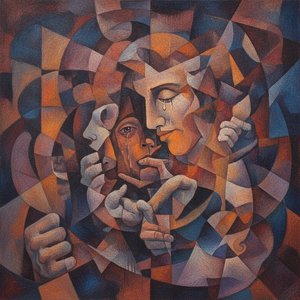
Beyond the Surface: Exploring the Emotional Depth of Cubist Expressionism
Discover the profound emotional resonance within Cubist Expressionism. Explore how fragmented forms and geometric abstraction convey deep human feeling through an expert art-historical lens for the discerning collector.
Fedezze fel a műalkotásokat témák, stílusok és jellemzők szerint csoportosítva.


