


 Előnézet
 Megosztás
 Megosztás
 Részletek
 Útmutató

 Letöltés
 Hasonló darabok
 X-ray felvétel
 Diavetítés
 Statisztika
The Minotaur
 Acrylic On Canvas
- WallArt
- Symbolist Movement
 1885
1885 94.0 x 118.0 cm
 Tate Britain
George Frederic Watts’ haunting ‘The Minotaur’ captures the myth's brutality & despair. Inspired by child prostitution, it depicts the creature’s longing, a powerful symbol of primal instincts and suffering.
 Tovább olvasom
Fedezd fel George Frederic Watts ikonikus műalkotásait! Egy szimbólumos brit festő volt, aki klasszikus témákat és viktorális szépséget ötvözött. Megismerheted legjobb alkotásait itt: TopImpressionists.com
Giclée / Műnyomat
Múzeumi minőségű giclée vagy vászonnyomat, gyors gyártással és rugalmas finomítási lehetőségekkel. ( Kézzel festett másolat vásárlása Áttérés digitális képre)




P118B $10

P118H $10

P118W $10

P438Z $10

P508JH $12

P508YH $12

P805H $10

P805Z $10

P919BZ $10

P919G $10

P919XJ $10

P959ZH $10

P968JZ $12

W106C $8

W218G $10

W218JH $8

W218Y $10

W307PJ $10

W316G $10

W316PJ $8

W316Y $10

W398PJ $8

W4111J $10

W500HY $15

W500JH $15

W692G $12

W849H $8

W940BG $15

W953PJ $8




Standard méret
egyedi
CM
INCH
Válasszon előre meghatározott méreteink közül, amelyek megfelelnek a műalkotás eredeti arányainak.
Loading sizes...

szélesség
magasság
Megadhat saját méreteket is egy konkrét kerethez vagy helyszínhez igazítva. Amennyiben a kiválasztott méret nem egyezik az eredeti kép arányokkal, a műalkotást le fogjuk vágni, vagy kiegészítjük a képet tükrözött vagy egyszínű szélekkel. A gyártás megkezdése előtt egy digitális tervezetet küldünk jóváhagyásra.
Kérjük, vegye figyelembe, hogy a képernyőn látható előnézet nem tükrözi a tényleges levágást vagy kiegészítést. Csak a tervezet mutatja pontosan a végső kompozíciót.
Bár az egyedi méretek is elérhetőek, az eredeti arányok megőrzése érdekében azt javasoljuk, hogy válasszon a előre meghatározott listából származó méretet.
Világszerte történő kiszállítás területére mindössze 2 hét alatt, a szokásos 4-5 hét helyett. (25 szeptember)

Ingyenes globális expressz szállítás

Prémium minőségű len vászon

Teljes körű szállítási biztosítás

Vámvisszatérítési Garancia

Tökéletes színarányosság garancia

100 napos visszaküldési garancia (csak gyártási hibás termékek esetén)

100% pénzvisszatérítési garancia

Több darab vásárlásakor kedvezmény
 Az üvegkeretes opció csak 110 cm alatti méretben érhető el

The Minotaur
Giclée / Műnyomat
Reprodukció méretei
-


Összesített ár
$ 69
The Haunting Echoes of Myth: George Frederic Watts’ “The Minotaur”
George Frederic Watts' "The Minotaur," painted in 1885, isn’t merely a depiction of a monstrous figure from Greek mythology; it’s a profound meditation on primal instincts, the burden of violence, and the tragic consequences of unchecked desire. This oil-on-canvas masterpiece transcends its mythological roots to become a powerfully emotive exploration of the human condition, resonating with viewers even today.
Watts, a prominent figure in the Symbolist movement, rejected the academic conventions of his time, prioritizing emotional intensity and symbolic representation over realistic portrayal. He sought to capture not just what he saw, but what he *felt*, drawing heavily on classical literature – particularly Homer’s *Iliad* – as well as contemporary social anxieties. “The Minotaur” emerged during a period of intense moral debate surrounding the exploitation of women and children, fueled by investigative journalism exposing the horrors of prostitution in Victorian London. This context is crucial to understanding the painting's unsettling power.
A Study in Contrasts: Form and Emotion
The composition immediately commands attention. The Minotaur dominates the foreground, his massive form rendered with a deliberate roughness – not polished or idealized, but imbued with a palpable sense of brute strength and suppressed rage. His head, a grotesque fusion of human and bull, is turned away from the viewer, creating an unsettling sense of detachment and isolation. The artist masterfully employs *profil perdu*, a technique where only part of the figure’s face is visible, intensifying the creature's enigmatic nature.
Notice the stark contrast between the Minotaur’s powerful physicality and the delicate detail lavished upon the small bird crushed beneath his fist. This seemingly insignificant element serves as a potent symbol – representing innocence, vulnerability, and ultimately, destruction. The bird, likely intended to evoke the image of a young maiden, is brutally silenced by the Minotaur's overwhelming force, highlighting the devastating consequences of unchecked aggression.
The Labyrinth of Interpretation: Symbolism and Context
Watts’ choice to depict the Minotaur gazing out towards the sea is particularly evocative. The vast expanse of water suggests a longing for escape, perhaps even a yearning for redemption – an impossible desire given the creature's monstrous nature. The reference to the Athenian tribute—the ritual sacrifice of young people—directly connects the painting to Stead’s exposé and the broader social anxieties of the era. It’s a chilling reminder of the dark undercurrents beneath Victorian society, where beauty and innocence were often corrupted by greed and exploitation.
The myth itself offers layers of interpretation. The Minotaur represents not just brute force, but also the primal instincts that lie dormant within all humanity – the capacity for violence, jealousy, and self-destruction. Watts doesn’t shy away from these darker aspects of human nature, presenting them with unflinching honesty.
A Timeless Masterpiece: Technique and Legacy
Technically, “The Minotaur” is a remarkable achievement. Watts employed a loose, expressive brushstroke, creating a sense of movement and dynamism within the composition. The colors are rich and saturated, contributing to the painting’s dramatic intensity. He deliberately avoided smooth surfaces, opting for a textured effect that emphasizes the physicality of the subject.
Despite its unsettling subject matter, “The Minotaur” remains one of Watts' most celebrated works, admired for its emotional depth, symbolic complexity, and masterful execution. It continues to provoke thought and discussion, serving as a powerful reminder of the enduring relevance of myth and the complexities of human nature. Reproductions of this haunting image offer a captivating glimpse into the Victorian era’s anxieties and Watts’ profound artistic vision.
A művész életrajza
korai életút és oktatás
George Frederic Watts, a szimbolista mozgalom kiemelkedő alakja, 1817. február 23-án született London Marylebone negyedében. Korai éveket kényes egészségi állapot és édesanyja fiatalon bekövetkezett elvesztése meghatározta. Watts apja, aki zongoraművész volt, konzervatív keresztény neveltetést biztosított fiának, és megismétette vele az ókori klasszikusokat, köztük az Iliadét is. Ez a klasszikus hatás később művészi stílusának egyik alapköve lett.karrier
Watts művészeti utazása már 10 éves korában megkezdődött, William Behnes irányítása alatt tanult szobrászatot. Később, 1s 18 évesen vette fel magát a Royal Academy Schools diákjai közé. Az akadémia 1837-es első kiállítása jelezte prolific karrierje kezdetét.- A Caractacus, egy versenyre benyújtott rajz, amely a Parlament új házainak falvédő festményeinek tervezésére szólott, 1843-ban első díjat aratottyszer Watts számára.
- Az 이후 olaszországi utazásai (1843–1847) és a brit nagykövet, Henry Fox kapcsolata befolyásolta stílusát, amint azt az 1848-ban bemutatott Lady Holland portréja is tükrözi.
- Watts Britországba való visszatérése egy freskó megrendelést is hozott számára a Parlament házai számára, amelyet 1848 és 1853 között hajtott végre.
szimbolista remekművek
Watts leghíresebb alkotásai közé tartozik:- A Remény (Hope) és a Szeretet és az Élet (Love and Life), amelyek egy epikus szimbolikus ciklus, az úgynevezett „Élet háza” (House of Life) részei voltak.
- A Vörös kereszt lovagjának gyúléása (The Triumph of the Red Cross Knight, a Faerie Queene alapján), amelyet 1852–53-ban készített, és amely alegóriás témáinak mesteri tudását mutatja be.
- Az színésznő, Ellen Terry portréja, amelyet 1864-ben festett, kiváló példája annak a képességének, amellyel képes volt alanyai lényegét megörökíteni.
örökség
Watts hatása a művészet világára tagadhatatlan. A szimbolista mozgalommal való kapcsolata, valamint a színek és formák innovatív használata brit művészettörténet kedvelt alakjává tette őt. Tekintse meg George Frederic Watts műalkotásait az TopImpressionists.com oldalonWatts munkásságát bemutató múzeumok
- Lincoln's Inn, amely a freskóját, a Igazságot (Justice, a hemicircle of lawgivers) tartalmazza.
- A guildfordi Watts Gallery – Artists' Village az Egyesült Királyságban, amely Watts munkái és más művészek alkotásainak megőrzésére szentelt helyszín.

George Frederic Watts
1817 - 1904 , Egyesült Királyság
Gyors információk
- Artistic Movement Or Style: Szimbolizmus
- Artists Who Influenced This Artist:
- William Blake
- John Ruskin
- Date Of Birth: 1817. február 23.
- Full Name: George Frederic Watts
- Nationality: Angol
- Notable Artworks:
- Hope és Szeretet és Élet
- A királyi ház Szívének Ünnepénél
- Ellen Terry portréta
- Place Of Birth: Marylebone, Anglia
Kapcsolódó cikkek

George Frederic Watts: Symbolism, Spirituality & Victorian Ideal Beauty
Explore the captivating Symbolist art of George Frederic Watts. Discover his allegorical masterpieces, classical influences & spiritual themes. Learn about his legacy and find high-quality reproductions at TopImpressionists.
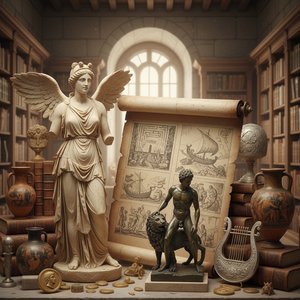
Timeless Legends: A Curated Guide to the Eternal Allure of Mythological Masterpieces
Embark on a sophisticated journey through the eternal allure of mythological art. Discover how master painters breathe life into ancient legends, from Greek deities to Baroque masterpieces, and learn to curate these timeless narratives within your own exquisite art collection.

Georges Braque Mesterek: A 25 Leglenyűgözőbb Kép, Ami Megváltoztatta a Modern Festészetet
Fedezze fel Georges Braque 25 legikonikusabb műalkotását! Ismerje meg a kubizmus történetét, Picasso hatását és a francia művész lenyűgöző festményeit. Múzeumi minőségű reprodukciók és inspiráló dekorációs ötletek a TopImpressionists.com-on.

Georges Seurat 25 Mesterműve: A Pontillizmus Zsenialitása – TopImpressionists.com
Fedezze fel Georges Seurat 25 legikonikusabb művét! Ismerje meg a pontillizmus zsenialitását, az impresszionizmus forradalmát és a színek lenyűgöző játékát. Prémium minőségű reprodukciók és inspiráló otthoni dekorációk a TopImpressionists.com-on. Fedezze fel a teljes gyűjteményt online!

The Enduring Legacy of Oil on Canvas: Technique, History & Aesthetic Impact
Explore the rich history & techniques of oil painting – from Renaissance masters to Impressionism. Discover pigments, layering methods, and why this timeless medium endures. Expert insights for artists & art enthusiasts.