


 Előnézet
 Megosztás
 Megosztás
 Részletek
 Útmutató

 Letöltés
 Hasonló darabok
 X-ray felvétel
 Diavetítés
 Statisztika
Winter Afternoon


George Bellows’ "Winter Afternoon" captures a serene NYC landscape—a frozen river, snow-laden trees, and two figures enjoying the quiet beauty of winter. A masterpiece of realism.
 Tovább olvasom
Bellows George Wesley (1882-1925): amerikai realista festő, a New York utcáit és ökörvívó versenyeket ábrázolja. A modernitás, a dinamika és a városi élet lenyűgöző képei.
Giclée / Műnyomat
Múzeumi minőségű giclée vagy vászonnyomat, gyors gyártással és rugalmas finomítási lehetőségekkel. ( Kézzel festett másolat vásárlása Áttérés digitális képre)




P118B Ft10

P118H Ft10

P118W Ft10

P438Z Ft10

P508JH Ft12

P508YH Ft12

P805H Ft10

P805Z Ft10

P919BZ Ft10

P919G Ft10

P919XJ Ft10

P959ZH Ft10

P968JZ Ft12

W106C Ft8

W218G Ft10

W218JH Ft8

W218Y Ft10

W307PJ Ft10

W316G Ft10

W316PJ Ft8

W316Y Ft10

W398PJ Ft8

W4111J Ft10

W500HY Ft15

W500JH Ft15

W692G Ft12

W849H Ft8

W940BG Ft15

W953PJ Ft8




Standard méret
egyedi
CM
INCH
Válasszon előre meghatározott méreteink közül, amelyek megfelelnek a műalkotás eredeti arányainak.
Loading sizes...

szélesség
magasság
Írja be a keretének vagy a falának megfelelő szélességet és magasságot. A nyomatot csak le lehet vágni, soha nem tehető nagyobbá, mint az eredeti kép, így egy eltérő alakú méretnél a kép egy része elveszik. Mielőtt bármit kinyatintanánk, küldünk egy digitális próbamodellt jóváhagyásra. Az oldalon látható kép nem tartalmazza a valós levágást — ezt csak a próbamodell mutatja meg.
Világszerte történő kiszállítás területére mindössze 2 hét alatt, a szokásos 4-5 hét helyett. (23 október)

Ingyenes globális expressz szállítás

Prémium minőségű len vászon

Teljes körű szállítási biztosítás

Vámvisszatérítési Garancia

Tökéletes színarányosság garancia

100 napos visszaküldési garancia (csak gyártási hibás termékek esetén)

100% pénzvisszatérítési garancia

Több darab vásárlásakor kedvezmény
 Az üvegkeretes opció csak 110 cm alatti méretben érhető el

Winter Afternoon
Giclée / Műnyomat
Reprodukció méretei
-


Összesített ár
Ft 22182
Winter Afternoon: A Frozen Moment of American Realism
George Wesley Bellows’ “Winter Afternoon,” painted in 1909, isn't merely a depiction of a snowy landscape; it’s a carefully constructed tableau of quiet contemplation and subtle human connection. Housed within the Norton Museum of Art in West Palm Beach, this oil on canvas transports us to a serene winter scene—a frozen body of water reflecting the muted tones of a snow-laden sky and surrounding trees. Yet, beyond the picturesque beauty lies a deeper resonance, rooted in Bellows’ masterful command of realism and his keen observation of American life.
Bellows, a pivotal figure in the Ashcan School movement, rejected idealized romanticism in favor of portraying the gritty realities of urban America. His work often captured the energy and dynamism of New York City, but “Winter Afternoon” offers a respite from that frenetic pace, presenting instead a moment of stillness. The composition is deliberately restrained—a simple, almost austere arrangement—drawing our attention to the details: the delicate tracery of branches against the snow-covered sky, the subtle variations in texture created by Bellows’ brushstrokes, and the two figures positioned within the scene.
The Figures and Their Narrative
Crucially, “Winter Afternoon” isn't a solitary landscape; it features two individuals enjoying the winter day. While the exact identities of these figures remain enigmatic—a deliberate choice by Bellows, perhaps—their posture suggests a comfortable companionship, a shared appreciation for the beauty of the moment. They are positioned near the left side of the image, seemingly engaged in conversation or simply basking in the quietude of the scene. The placement invites us to imagine their story, adding an element of narrative depth to what might otherwise be a purely observational piece.
The presence of these figures elevates the painting beyond a simple landscape study. It speaks to the human need for connection and shared experience—a theme that resonates powerfully across time and cultures. Bellows’ ability to imbue a seemingly ordinary scene with such emotional weight is a testament to his artistic skill and sensitivity.
Technique and Style: A Masterclass in Realism
Bellows' technique in “Winter Afternoon” is characterized by a remarkable blend of observation and expressive brushwork. He meticulously rendered the textures of the snow, ice, and trees—the crispness of the snowflakes, the smoothness of the frozen water, the rough bark of the branches—creating a palpable sense of tactile reality. His use of color is equally deliberate, employing muted tones of gray, blue, and white to evoke the cold, stark beauty of winter.
However, Bellows doesn’t simply aim for photographic accuracy. He employs loose, gestural brushstrokes—particularly evident in the depiction of the sky and trees—to convey a sense of movement and atmosphere. These expressive marks add dynamism to the composition, preventing it from feeling static or lifeless. The interplay between meticulous detail and spontaneous brushwork is what defines Bellows’ distinctive style – a hallmark of his realism.
Historical Context and Legacy
"Winter Afternoon" was painted during a period of significant social and artistic change in America. The Ashcan School, to which Bellows belonged, challenged the prevailing academic traditions of art by depicting everyday life—often with unflinching honesty and a critical perspective. Bellows’ work reflected the growing urbanization of the United States and the increasing awareness of social inequalities.
Despite his early death in 1925, Bellows' legacy endures. His paintings continue to be celebrated for their raw emotional power, their masterful technique, and their insightful portrayal of American life. Reproductions of “Winter Afternoon,” available through platforms like TopImpressionists.com, offer a beautiful way to experience the enduring appeal of this iconic work of art.
Gyakran Ismételt Kérdések
Mi a „Winter Afternoon”, George Wesley Bellows alkotása általános hangulata?
A "Winter Afternoon" Calm hangulatú.
Milyen hangulatot áraszt egy enteriőrben „Winter Afternoon”, George Wesley Bellows alkotása?
A Calm hangulatával a "Winter Afternoon" című alkotás egy Living Room helyiségbe is javasolt.
„Winter Afternoon” művészeti alkotás mentes a szerzői jogoktól?
A „Winter Afternoon”, George Wesley Bellows alkotása szerzői jogi státusza: a mű a joghallgatói schützenesség körébe tartozik – a szerzői jog lejártt. Ez határozza meg, hogy a kép másolatai szabadon készíthetők-e.
Hasonló műalkotások


A művész életrajza
A Bold Vision of American Life: The World of George Bellows
George Wesley Bellows, a névszava, mely szinte azonnal összeköti az amerikai korai 20. századi élet dinamikus energiáját és modernitását. Születése 1882. augusztus 12-én vagy 19-én Columbusban, Ohióban, utazása a sportolói ígéretekből művészi hírnevekig egy kitartó szenvedély és becsületesség bizonyítéka. Már fiatalon, még a hivatalos tanulás előtt, George rendelkezett természetes tehetszéggel rajzolva, melynek jegyzetei árulkodtak az observant szemléd és a fejlődő készség belső világában. Szülei nemcsak művészetre összpontosítottak; kiválóan teljesítettek sportban is, baseballban és kosárlabdában járták be Ohio State Egyetemet – egy dualitás, mely mélyen befolyásolta művészi perspektíváját, belefogva a munkába vetett energiát és fizikai jelenlétet. Ez a sportos háttér nemcsak diszciplinát tanított, hanem az emberi test mozgását is értékelte, egy olyan témát teremtve, amely meghatározta legismertebb festményeinek központját. Egyetemről elhagyta a tanulást, vonzva őt New York City felé, és a művészi képzés ígérete iránt.Forgatás: Az Ashcan School és Ezt Követően
1904-ben érkezett New Yorkba, ahol Robert Henri, az Ashcan School vezető alakja mentora lett. Ez a művészeti csoport – John Sloan, William Glackens és George Luks között – elhatárolódott az akadémiai konvencióktól, ehelyett a városi élet durvaszájú valóságát ábrázolta: zsúfolt lakótelepeket, forrongó utcákat és munkások mindennapi küzdelmeit. Bellows lelkesen fogadta ezt az etoszot, eleinte Henri laza festészeti stílusának és a társadalmi realizmus elköteleződésének tükröződik. Azonban nem akart csupán tanárával szimpatizálni; egyeduralkodó művészi hangot szeretett volna kialakítani. 1906-ban nyitotta meg saját műhelyét Edward Keefe társaságában, ami a termékeny kísérletezés kezdetét jelentette. Korai munkái, például 1908-ban bemutatott képei, keverék reakciókat váltottak ki – néhány kritikus őket durván találta, míg mások felismerhették merész bátorságukat és innovációs szellemüket. Bellows témái gyakran vitatósak voltak az időben, kihívva a kor dönöttes nézeteit arról, hogy mit tekintenek művészi alkotásnak. Nem riett el a város durvasági aspektusainak ábrázolásától, a szegények, munkások és szabadidő-szórakozók életét hitelesen megörökítve.Az Élet Arénája: Boxozás és Városi Spekták
Bellows művészetének széles skáláján túl ő volt legismertebb a boxoló mérkőzések képviselőjeként. Ezek nem csupán sportesemények voltak számára; emberi dráma microcosmusai, amelyek harcot, kitartást és az emberi lélekben rejlő ösztönöket tükröznek. Rendszeresen járt a dohányos box klubokban, alaposan tanulva a birkózók mozgását, tekintetük intenzitását és a tömeg energiáját. Képei, mint *Both Members of This Club* (1909) és *Stag at Sharkey’s* (1909), mesteri módon ábrázolják ezt az atmoszférát, dramatikus világításokat, dinamikus kompozíciókat és a mozgás érzését használva. A boxoló jelenetek nem csupán a sportról szóltak; társadalmi darwinizmust tüköztek, ami az amerikai társadalomban uralkodott az időben. Számos más városi esemény inspirálta – ünnepségeket, cirkuszokat és zsúfolt utcákat – mindezek lehetőséget kínált a mozgás, energia és a közösségi tapasztalat témáinak kifejezésére.Evolució Stílusa és Öröksége
Bellows művészi karrierje során stílusa finoman, de jelentősen fejlődött. Bár elszánt maradt a korai évek laza festészeti stílusára, távozott a kompozíciók egyszerűbb vonásaitól, és egy stílusosabb esztétikát vett fel, melyben simább vonalak, monumentális formák és fokozott dráma szerepel. Ez a változás feltűnő a későbbi műveikben, mint például *Dempsey and Firpo* (1924), egy monumentális vászon, amely a legendás birkózók mérkőzésének csúcspontját lenyűgözően ábrázolja. Kísérletezett a litográfia terén is, ahol egyedülálló technikát alkalmazott, és számos vonzó nyomatot készített. Életét megelőző évben együttműködött a mester nyomtatón Bolton Brownnal, akik együtt alkottak több mint száz litographiát. Bellows halála 1925-ben, 42 éves korában, szövredült vastaggyulladás miatt történt.Fontosabb Művei és Elismerések
- *Both Members of This Club* (1909) – Egy kiemelkedő munka a box klubok atmoszférájának ábrázolásával.
- *Stag at Sharkey’s* (1909) – Egy másik ikonikus boxoló mérkőzés jelenete, melynek dramatikus világításai és kompozíciói kiemelkednek.
- *Men of the Docks* (1912) – Egy erőteljes ábrázolás munkások életéről, Bellows képességét mutatja be a fizikai megjelenés és textúra ábrázolásában.
- *The Germans Arrive* (1918) – Litográfia sorozatok, melyek az első világháború során elkövetett atrocitásokról szólnak, mutatók a művész társadalmi és politikai foglalkozásáról.
- *Dempsey and Firpo* (1924) – Egy monumentális vászon a legendás birkózók mérkőzésének csúcspontját ábrázolja.

George Wesley Bellows
1882 - 1925 , Egyesült Államok
Gyors információk
- Artistic Movement Or Style: Ashcan School, Realizmus
- Artists Or Movements Influenced By This Artist: ['Modernista']
- Artists Who Influenced This Artist: ['Robert Henri']
- Date Of Birth: 1882. augusztus 12.
- Date Of Death: 1925. jan. 18.
- Full Name: George Wesley Bellows
- Nationality: Amerikai
- Notable Artworks:
- Both Members
- Stag Sharkey's
- Men Docks
- Place Of Birth: Columbus, USA
Kapcsolódó cikkek
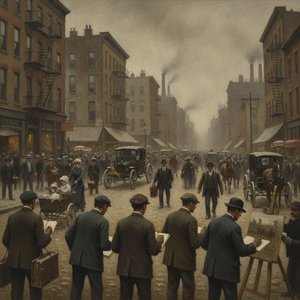
The Ashcan School: Capturing the Raw, Unfiltered Soul of Urban Life through American Realism
Discover the raw beauty of the Ashcan School. Explore how masters like Bellows and Henri captured the gritty, vibrant soul of early 20th-century New York through profound American Realism and evocative urban landscapes.

The Unvarnished Truth: A Cultural Journey Through the Soul of American Realism
Explore the profound beauty of American Realism. From the Ashcan School's urban grit to intimate portraits, discover how artists captured the authentic soul of a nation through unvarnished truth and masterful observation.
Fedezze fel a műalkotásokat témák, stílusok és jellemzők szerint csoportosítva.
