

 Megtekintés
 Küldés
 Megosztás
 Részletek
 Útmutató

 Letöltés
 Hasonló darabok
 X-ray felvétel
 Diavetítés
 Q&A
Q&A Statisztika
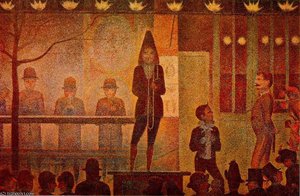
untitled (372)


Experience the brilliance of Georges Seurat's "Untitled (372)" – a captivating Pointillist portrait capturing a vibrant stage performance. Explore its luminous precision and discover the legacy of Impressionism’s innovator.
 Összes részlet megjelenítése
Fedezze fel Seuratot (1859-1891), a pontillizmus és neoimpresszionizmus úttörőjét! Nézze meg 'La Grande Jatte' című művét, és forradalmi színelméletét. Kézműves reprodukciók vásárlása!
Giclée / Műnyomat
Múzeumi minőségű giclée vagy vászonnyomat, gyors gyártással és rugalmas finomítási lehetőségekkel. ( Kézzel festett másolat rendelése Áttérés digitális képre)




P118B Ft10

P118H Ft10

P118W Ft10

P438Z Ft10

P508JH Ft12

P508YH Ft12

P805H Ft10

P805Z Ft10

P919BZ Ft10

P919G Ft10

P919XJ Ft10

P959ZH Ft10

P968JZ Ft12

W106C Ft8

W218G Ft10

W218JH Ft8

W218Y Ft10

W307PJ Ft10

W316G Ft10

W316PJ Ft8

W316Y Ft10

W398PJ Ft8

W4111J Ft10

W500HY Ft15

W500JH Ft15

W692G Ft12

W849H Ft8

W940BG Ft15

W953PJ Ft8




Standard méret
egyedi méretű
CM
INCH
Válasszon előre meghatározott méreteink közül, amelyek megfelelnek a műalkotás eredeti arányainak.
Loading sizes...

szélesség
magasság
Írja be a keretének vagy a falának megfelelő szélességet és magasságot. A nyomatot csak le lehet vágni, soha nem tehető nagyobbá, mint az eredeti kép, így egy eltérő alakú méretnél a kép egy része elveszik. Mielőtt bármit kinyatintanánk, küldünk egy digitális próbamodellt jóváhagyásra. Az oldalon látható kép nem tartalmazza a valós levágást — ezt csak a próbamodell mutatja meg.
Világszerte történő kiszállítás területére mindössze 2 hét alatt, a szokásos 4-5 hét helyett. (1 november)

Ingyenes globális expressz szállítás

Prémium minőségű len vászon

Teljes körű szállítási biztosítás

Vámvisszatérítési Garancia

Hiteles színarányosság garancia

100 napos visszaküldési lehetőség (csak hibás termékek esetén)

100% pénzvisszatérítési garancia

Több darab vásárlásakor kedvezmény
 Az üvegkeretes opció csak 110 cm alatti méretben érhető el

untitled (372)
Giclée / Műnyomat
Reprodukció mérete
-


Összesített ár
Ft 22596
A Symphony of Light and Color: The Visionary World of Georges Seurat
In the quiet revolution of late 19th-century Paris, Georges Seurat emerged not merely as a painter, but as a conductor of light. His work, exemplified by the mesmerizing "Untitled (372)," represents a profound departure from the spontaneous, fleeting brushstrokes of his Impressionist contemporaries. While others sought to capture the ephemeral shimmer of a passing moment, Seurat embarked on a meticulous scientific investigation into the very mechanics of human perception. This particular piece invites the viewer into a vibrant stage scene, where a woman stands bathed in radiant hues, delivering a performance that feels both intimate and monumental. Through his eyes, a simple theatrical moment is transformed into a structured exploration of how color and light dance upon the retina.
The magic of this masterpiece lies in its revolutionary technique: Pointillism. Rather than the traditional method of blending pigments on a palette to create smooth transitions, Seurat applied tiny, distinct dots of pure, unadulterated color directly onto the canvas. This method, often referred to as chromoluminarism, relies on the viewer's eye to perform the work of blending. As you stand before the painting, the individual specks of pigment merge in your mind, creating a luminous, vibrating effect that traditional blending could never achieve. This creates a textured, almost breathing surface that captures the shimmering atmosphere of the stage, making the light feel as though it is pulsing with its own internal energy.
A Bridge Between Eras: Historical and Emotional Resonance
To behold "Untitled (37 and 2)" is to witness a pivotal moment in art history, where the subjective beauty of Impressionism met the objective rigor of modern science. Seurat was deeply influenced by contemporary research into optics and color theory, particularly the work of Eugène Chevreuil. By treating the canvas as a laboratory for light, he bridged the gap between the romanticized landscapes of the past and the structured abstraction of the future. The scene itself—a woman performing before an attentive, scattered audience—serves as a beautiful metaphor for this intersection. There is a sense of shared focus, a collective breath held in anticipation, which mirrors the way the viewer must focus to allow the Pointillist dots to coalesce into a coherent image.
For the discerning collector or interior designer, this artwork offers more than just visual splendor; it provides an emotional anchor of sophistication and intellectual depth. The vibrant palette and dynamic composition bring a lively, sophisticated energy to any space, making it an ideal centerpiece for a room designed for contemplation or grand entertaining. Whether placed in a contemporary gallery setting or a classic study, the painting’s ability to evoke both scientific precision and poetic beauty ensures it remains a timeless conversation piece. Owning a high-quality reproduction of such a seminal work allows one to bring the luminous, transformative spirit of Seurat into the modern home, celebrating a legacy of light that continues to captivate the human soul.
Kérdések és válaszok
Szabadon reprodukálható-e a/az „untitled (372)”, Georges Pierre Seurat alkotása képe?
A szerzői jogokkal kapcsolatban a "untitled (372)" mű közösségi tulajdon – a szerzői jog lejártt.
Hogyan ötvöli a technika és a stílus magát a "untitled (372)" alkotást?
A "untitled (372)" alkotás Oil technikával készült, a Impressionistic Precision stílusban.
„untitled (372)”, Georges Pierre Seurat alkotása színei tel愈tek vagy fakók?
A „untitled (372)”, Georges Pierre Seurat alkotása színei Subtle Color telítettségűek. A telítettség azt mutatja meg, hogy a színek mennyire élénkek vagy fakók.
Hasonló műalkotások




A művész életrajza
Georges Seurat: A Pontok Művészete és a Modern Világ Befogása
Georges Pierre Seurat, aki 1859. december 2-án született Párizsban, egy kulcsfontosságú alak volt az impresszionizmustól a modern művészet felé való átmenetben. Rövid, de rendkívül intenzív karrierje forradalmasította a festészetet a pontillizmus kifejlesztésével, egy olyan technikával, amely a tudományos elveken és a vizuális igazság megválasztásának eltökéltségén alapult. Seurat története a módszeres megfigyelésről, az intellektuális szigorúságról és a fény és szín árnyalatainak mély érzékenységéről szól – olyan tulajdonságok, amelyek megkülönböztették kortársaitól, és máig lenyűgözik a közönséget. Fiatal korában, bár látszólag hagyományos élete alapot fektett le jövőbeli művészi felfedezéseihez. A család nem sokkal születése után költözött a Boulevard de Magenta-ra, és apja, Antoine Chrysostome Seurat, egykori jogász majd ingatlanbefektető, kényelmes nevelést biztosított számára, amely lehetővé tette Georges számára, hogy művészeti tanulmányokat folytasson. Formális képzését Justin Lequien szobrásznál kezdte el a École Municipale de Sculpture et Dessin-en, majd 1878-ban beiratkozott a híres École des Beaux-Arts-ra, ahol Henri Lehmann tanár irányításával tanulhatott. Ezek az időszakok megalapozta számára a hagyományos technikák szilárd alapját, mégis már ekkor is egyedi művészi személyiség kezdett kibontakozni – a finom érzékenység és a rendszerszintű elemzés iránti növekvő érdeklés keveréke.A Tudományos Színlelketől a Chromoluminarizmusig
Seurat művészi fejlődése nem volt hirtelen innováció, hanem inkább az intellektuális kíváncsiság és a szigorú kísérletezés által hajtott fokozatos evolúció. Eleinte munkái az akkori akadémiai normáknak megfelelően tükrözték a rajzi készséget és a bevált kompozíciós elveket. Hamarosan megkérdőjelezte ezeket a konvenciókat, egy tudományosabb megközelítést keresve a festészetben. Merüljön el a színelmélet virágzásában, Michel Eugène Chevreul és Ogden Rood tudósok írásait tanulmányozva, akik a juxtapózált színek optikai hatásait vizsgálták. Ez a kutatás lett forradalmi technikájának alapköve, a chromoluminarizmusnak – a szín tudománya – és annak gyakorlati alkalmazásának, a pontillizmusnak. A lényeg egyszerű volt: tiszta színek apró, elkülönített pontjait vigyen fel egy vászonra, hogy a néző szeme optikailag összekeverje őket, és élénk, ragyogó hatást hozzon létre. Ez nem csupán a világosabb színek eléréséről szólt; arról volt, hogyan érzékeli az emberi látórendszer a fényt és a színeket, és hogyan hasznosítsa ezt az ismeretet egy dinamikusabb és vonzóbb festményélmény létrehozására. Munkáihoz Conté ceruzával készített vázlatokat durva papíron, gondosan leképezve minden pont elhelyezését, szinte matematikai pontossággal közelítve meg a művészeti folyamatot.Művek és Művészi Látásmód: A Pontok Szimfóniája
Seurat kutatásainak és kísérleteinek csúcspontja talán legjobban A vasárnap délután La Grande Jatte szigetén (1884-1886) című monumentális munkájában nyilvánul meg, amely a neoimpresszionizmus kezdetét jelentette. Ez az ikonikus festmény, amely párizsiakat ábrázol egy kellemes délutánon a Széna partján, a pontillista technikáját a teljességével mutatja be. Az alakok, gondosan elhelyezett színpontokként, vibrálnak és ragyognak a fényben, nyugodt csend atmoszféráját teremtve. Alfalfa, Saint-Denis (1886-1887) című művével a színelméletet vidéki tájra alkalmazta, míg korábbi alkotásai, mint például a Saint-Ouen tája (1882-1883), az evolúcióját és a fény és légkör hatásainak megörökítésére való növekvő érdeklődését mutatják. Még a modern párizsi élet ábrázolásai is, mint például A Párizsi Torony (1889), egyedi technikája révén átalakultak, amelyben az ipari modernitás és a művészi innováció harmonikus keveréke mutatkozik. A Fürdőzők Asnières-ben (1884) című alkotása is jelentős munka volt, amely a szórakozás témáját dolgozta fel sajátos stílusával, előrevetítve a *La Grande Jatte*-ban látható kifinomultabb megközelítést. Ezek a festmények nem csupán jelenetek ábrázolásai voltak; gondosan szerkesztett vizuális kísérletek voltak, amelyek a szín és az érzékelés lehetőségeit kívánták feltárni.Egy Tartós Hatás: A Muvészet Utódai
Bár élete tragikusan rövid volt – Seurat 31 éves korában hunyt el 1891-ben –, hatása a művészeti világra rendkívül nagy és messzeható volt. Munkája megkérdőjelezte a hagyományos művészi konvenciókat, utat nyitva számos későbbi irányzat számára. A szubjektív kifejezés hangsúlyozása és az új technikák felfedezése olyan művészekkel rezonált, akik a hagyományos akadémiai korlátoktól akartak elszakadni. Seurat hatása megfigyelhető a fauve-okban, akik merész színeket és kifejező ecsetvonásokat fogadtak el; a kubistákban, akik geometriai formákra bontották az alakokat; és az expresszionistákban, akik az érzelmi intenzitást és a spontán gesztust helyezték előtérbe. Seurat tudományos megközelítése a festészethez, bár kezdetben vitatott volt, végül kibővítette a művészi lehetőség definícióját. Megmutatta, hogy a művészet egyszerre lehet intellektuálisan szigorú és érzelmileg kifejező – egy olyan szintézis, amely máig inspirálja a művészeket. Seurat öröksége túlmutat technikai innovációin; egy olyan alkotásművészeti hagyatot hagyott hátra, amely páratlan pontossággal és szépséggel ragadja meg a modern élet lényegét, megerősítve helyét a modern művészet egyik igazi úttörőjeként. Festményei tanúk maradnak a megfigyelés, a kísérletezés és az emberi vágyról, hogy a körülöttünk lévő világot művészi kifejezés tükrében értsük meg.
Georges Pierre Seurat
1859 - 1891 , Franciaország
Rövid információk
- Halálozási Dátum: 1891. március 29.
- Jelentős Művek:
- La Grande Jatte
- Asnières-i fürdőzők
- Szent-Deneszi lucerna
- Kik Befolyásolva Lettek:
- Fauvizmus
- Kubizmus
- Absztrakt expresszionizmus
- Melyek Befolyásolták:
- Michel Chevreul
- Ogden Rood
- Művészeti Irányzat: Neo-impresszionizmus, Pontillizmus
- Nemzetiség: Francia
- Születési Dátum: 1859. december 2.
- Születési Hely: Párizs, Franciaország
- Teljes Név: Georges Pierre Seurat
Kapcsolódó cikkek

The Symphony of Dots: Unveiling the Luminous Magic and Optical Brilliance of Pointillism
Discover the luminous magic of Pointillism and the scientific brilliance of Georges Seurat. Explore our exquisite, hand-painted oil reproductions, meticulously crafted to bring the timeless elegance and optical beauty of Neo-Impressionism into your home with museum-grade quality.

The Magic of Pointillism: How Seurat and Signac Revolutionized Color and Light
Discover the luminous revolution of Pointillism. Explore how masters Georges Seurat and Paul Signac used scientific color theory and optical mixing to transform light and art history in this deep dive into Neo-Impressionist brilliance.
Fedezze fel a műalkotásokat témák, stílusok és jellemzők szerint csoportosítva.


