

 Előnézet
 Megosztás
 Megosztás
 Részletek
 Útmutató

 Letöltés
 Hasonló darabok
 X-ray felvétel
 Diavetítés
 Statisztika
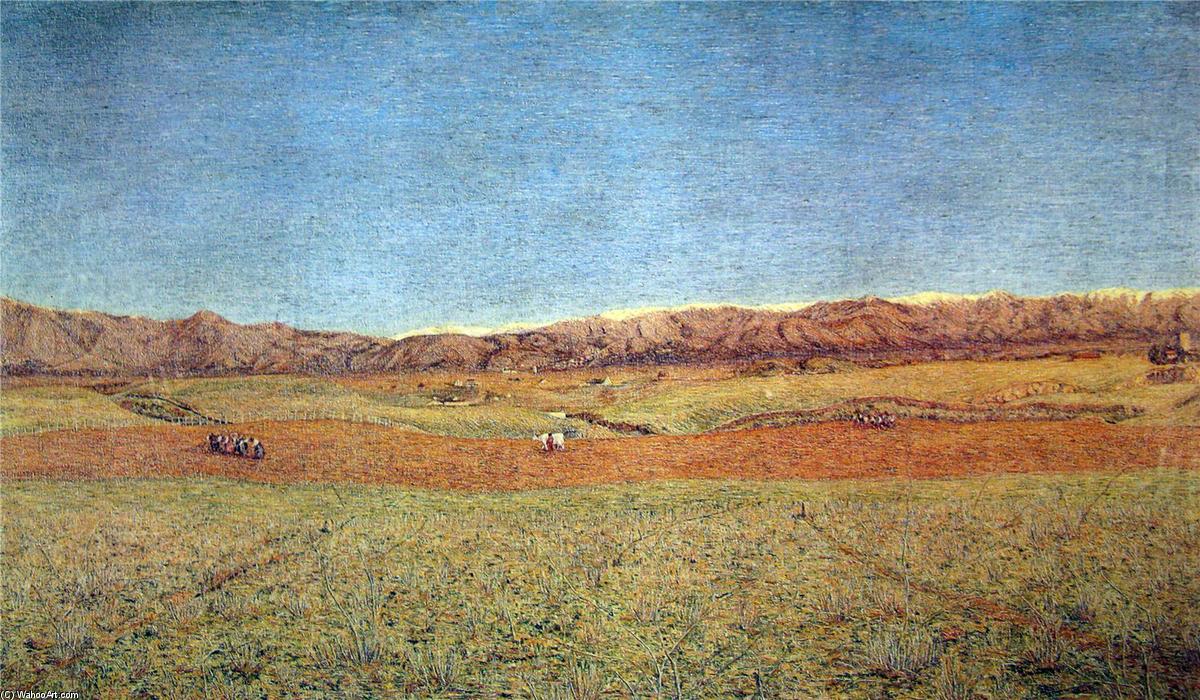
Landscape


Magnificent 1896 landscape by Giovanni Segantini. Captivating Alpine scenery & figures in a Divisionist style. Own a piece of art history!
Giovanni Segantini (1858-1899): A nagyszerű olasz festő, aki a berni hegyek lenyűgöző tájait ábrázolta Symbolista és Divisionista stílusban. Művei a természet szépségét, spiritualitását és a vidéki életet mesteri módon tükrözik, egy igazi festészeti géniusz!
 Tovább olvasom
Giclée / Műnyomat
Múzeumi minőségű giclée vagy vászonnyomat, gyors gyártással és rugalmas finomítási lehetőségekkel. ( Kézzel festett másolat vásárlása Áttérés digitális képre)




P118B Ft10

P118H Ft10

P118W Ft10

P438Z Ft10

P508JH Ft12

P508YH Ft12

P805H Ft10

P805Z Ft10

P919BZ Ft10

P919G Ft10

P919XJ Ft10

P959ZH Ft10

P968JZ Ft12

W106C Ft8

W218G Ft10

W218JH Ft8

W218Y Ft10

W307PJ Ft10

W316G Ft10

W316PJ Ft8

W316Y Ft10

W398PJ Ft8

W4111J Ft10

W500HY Ft15

W500JH Ft15

W692G Ft12

W849H Ft8

W940BG Ft15

W953PJ Ft8




Standard méret
egyedi
CM
INCH
Válasszon előre meghatározott méreteink közül, amelyek megfelelnek a műalkotás eredeti arányainak.
Loading sizes...

szélesség
magasság
Írja be a keretének vagy a falának megfelelő szélességet és magasságot. A nyomatot csak le lehet vágni, soha nem tehető nagyobbá, mint az eredeti kép, így egy eltérő alakú méretnél a kép egy része elveszik. Mielőtt bármit kinyatintanánk, küldünk egy digitális próbamodellt jóváhagyásra. Az oldalon látható kép nem tartalmazza a valós levágást — ezt csak a próbamodell mutatja meg.
Világszerte történő kiszállítás területére mindössze 2 hét alatt, a szokásos 4-5 hét helyett. (24 október)

Ingyenes globális expressz szállítás

Prémium minőségű len vászon

Teljes körű szállítási biztosítás

Vámvisszatérítési Garancia

Tökéletes színarányosság garancia

100 napos visszaküldési garancia (csak gyártási hibás termékek esetén)

100% pénzvisszatérítési garancia

Több darab vásárlásakor kedvezmény
 Az üvegkeretes opció csak 110 cm alatti méretben érhető el

Landscape
Giclée / Műnyomat
Reprodukció méretei
-


Összesített ár
Ft 22084
A művész életrajza
Giovanni Segantini: A Life Painted in the Light of the Alps
Giovanni Battista Emanuele Maria Segatini, better known as Giovanni Segantini, was born on January 15, 1858, in Arco, a small town nestled within the Trentino province of Italy – a region steeped in history and surrounded by the majestic peaks of the Dolomites. His early life, however, was far from idyllic; marked by poverty and hardship following his mother’s untimely death when he was just seven years old. His father, a traveling tradesman, struggled to provide for his family, leading to a period spent in a Milanese reformatory where young Giovanni discovered a hidden talent – an aptitude for art that would ultimately shape his destiny. This formative experience instilled within him a deep appreciation for the raw beauty of nature and a desire to capture its essence on canvas.The years following his release from the reformatory were characterized by a relentless pursuit of self-education. Despite lacking formal schooling, Segantini taught himself to read and write, demonstrating an extraordinary determination and a profound thirst for knowledge. He initially found work as a photographer’s assistant, honing his observational skills and developing a keen eye for detail – qualities that would later prove invaluable in his artistic endeavors. It was during this period that he began to seriously explore painting, recognizing within himself a powerful creative force yearning to be expressed.
The Brera Academy and the Seeds of Innovation
In 1875, Segantini enrolled at the prestigious Brera Academy of Fine Arts in Milan, an institution renowned for its rigorous training and influential alumni. Here, he encountered a diverse group of artists who challenged conventional artistic norms and championed a more direct engagement with reality. He was particularly influenced by the Scapigliatura movement, a rebellious artistic trend that rejected academic traditions and embraced a celebration of life’s raw emotions and experiences. This exposure to unconventional ideas ignited within him a desire to break free from established conventions and forge his own unique artistic path.Crucially, Segantini's artistic development was profoundly shaped by the guidance of Vittorio Grubicy de Dragon, a prominent art critic and dealer who recognized his exceptional talent. Grubicy introduced him to the revolutionary techniques of Anton Mauve and Jean-François Millet – artists known for their realistic depictions of rural life and their masterful use of light and color. These influences, combined with Segantini’s own innate artistic sensibilities, laid the foundation for his distinctive style, characterized by a vibrant palette, meticulous attention to detail, and an evocative portrayal of the natural world.
Divisionism and the Alps: A New Vision
Segantini's artistic journey took a significant turn in the 1880s when he encountered the principles of Divisionism – a technique pioneered by Georges Seurat and Paul Signac. Divisionism involved applying small, distinct dots or strokes of pure color side-by-side on the canvas, allowing the viewer’s eye to optically blend them together. This approach resulted in luminous, vibrant effects that captured the shimmering light and atmosphere of the Alpine landscapes with unprecedented intensity.Moving to Switzerland in 1886, Segantini found his true artistic home in the Engadin valley – a region dominated by towering peaks, pristine lakes, and verdant meadows. The dramatic beauty of this landscape profoundly impacted his work, inspiring him to create some of his most celebrated paintings. He meticulously documented the changing light conditions, capturing the ethereal glow of dawn and dusk, the crisp clarity of midday, and the soft hues of twilight. His paintings are not merely representations of scenery; they are imbued with a sense of spirituality and emotional resonance, reflecting his deep connection to the natural world.
Key Works and Enduring Symbolism
Among Segantini’s most iconic works are The Two Mothers (1889), a poignant depiction of maternal love and rural life; Life (La Vita), which embodies the spirit of the Alps through its vibrant colors and dynamic composition; and Donna alla fonte – a serene scene of a woman by a fountain that exemplifies his masterful use of light and color. His later years were marked by an exploration of symbolic themes, often depicting allegorical figures and scenes that conveyed profound philosophical ideas about life, death, and the interconnectedness of humanity and nature.Perhaps his most ambitious project was the “Alpine Triptych” (1896-1899), a monumental work that combined elements of landscape painting, symbolism, and allegory to create a complex meditation on the human condition. The triptych’s central panel, Il castigo delle lussuriose – "The Punishment of Luxury" – is particularly striking for its dramatic composition and powerful message about the dangers of excess. Segantini's final years were spent working on this ambitious project in Schafberg, near Pontresina, where he tragically died on September 28, 1899, at the age of 41.
A Lasting Legacy
Giovanni Segantini’s artistic legacy extends far beyond his individual masterpieces. His innovative use of Divisionism and Symbolism influenced a generation of artists, while his evocative depictions of the Alps continue to captivate viewers today. His paintings are exhibited in major museums around the world, serving as a testament to his extraordinary talent and enduring vision. Segantini remains one of Italy’s most beloved landscape painters, celebrated for his ability to capture the beauty, spirituality, and profound emotional resonance of the Alpine wilderness – a true master of light, color, and symbolism.
Segantini
1858 - 1899 , Ausztria
Gyors információk
- Artistic Movement Or Style: Szimbolizmus, Divizionizmus
- Artists Or Movements Influenced By This Artist: ['Divizionizmus']
- Artists Who Influenced This Artist:
- Anton Mauve
- Jean-François Millet
- Date Of Birth: 1858. jan 15.
- Date Of Death: 1899. aug 10.
- Full Name: Giovanni Battista Emanuele Maria Segantini
- Nationality: Olasz
- Notable Artworks:
- A Szent Antal kápolnája
- Lavandaia
- Az élet
- Lány a zokni készítésénél
- Halott róka
- A luxus büntetése
- Place Of Birth: Arco, Olaszország
Kapcsolódó cikkek

The Magic of Tonalism: Capturing Mood, Mist, and Atmospheric Emotion in Landscape Art
Discover the ethereal beauty of Tonalism. Explore how master artists use mist, soft light, and muted palettes to capture profound emotion and atmospheric mood in landscape painting. A deep dive into this quiet, introspective art movement for true connoisseurs.
Fedezze fel a műalkotásokat témák, stílusok és jellemzők szerint csoportosítva.

