

 Megtekintés
 Küldés
 Megosztás
 Részletek
 Útmutató

 Letöltés
 Hasonló darabok
 X-ray felvétel
 Diavetítés
 Kérdések és válaszok
 Statisztika
Donna che si lava

- 115.0 x 63.0 cm


A vibrant 1954 portrait by Giuseppe Ajmone captures a woman in a colorful bathroom setting with expressive pink and yellow tones, offering a unique opportunity to bring this mid-century Italian masterpiece into your home.
 Összes részlet megjelenítése
Fedezze fel Giuseppe Ajmone megidéző festményeit: tájak és félabsztrakt alakok, Bonnard és Picasso hatásában. Ismerje meg olasz örökségét az TopImpressionists oldalán.
Az ezen az oldalon megjelenített műalkotások szerzői jogi védelem alatt állnak, ami azt jelenti, hogy törvényileg nem készíthetünk és nem adhatunk el belőlük pontos másolatokat. Ez a védelem olyan nemzetközi megállapodások alapján érvényesül, mint például a Berni Egyezmény és a nemzeti jogszabályok által, beleértve azokat is, amelyeket meghatározott Az USA szerzői jogi törvénye – 17. cím.
Ez a módszer teljes mértékben megfelel a szerzői jogi szabályozásnak, mivel nem tartalmazza a védett műalkotás másolását vagy duplikálását. Ehelyett ez egy kreatív újinterpretáció – egy új festmény, amely az eredetivel való összefüggései miatt hatással van rá, de nem az az.
Giclée / Műnyomat
Múzeumi minőségű giclée vagy vászonnyomat, gyors gyártással és rugalmas finomítási lehetőségekkel. ( Kézzel festett másolat rendelése Áttérés digitális képre)




P118B Ft10

P118H Ft10

P118W Ft10

P438Z Ft10

P508JH Ft12

P508YH Ft12

P805H Ft10

P805Z Ft10

P919BZ Ft10

P919G Ft10

P919XJ Ft10

P959ZH Ft10

P968JZ Ft12

W106C Ft8

W218G Ft10

W218JH Ft8

W218Y Ft10

W307PJ Ft10

W316G Ft10

W316PJ Ft8

W316Y Ft10

W398PJ Ft8

W4111J Ft10

W500HY Ft15

W500JH Ft15

W692G Ft12

W849H Ft8

W940BG Ft15

W953PJ Ft8




Standard méret
egyedi méretű
CM
INCH
Válasszon előre meghatározott méreteink közül, amelyek megfelelnek a műalkotás eredeti arányainak.
Loading sizes...

szélesség
magasság
Írja be a keretének vagy a falának megfelelő szélességet és magasságot. A nyomatot csak le lehet vágni, soha nem tehető nagyobbá, mint az eredeti kép, így egy eltérő alakú méretnél a kép egy része elveszik. Mielőtt bármit kinyatintanánk, küldünk egy digitális próbamodellt jóváhagyásra. Az oldalon látható kép nem tartalmazza a valós levágást — ezt csak a próbamodell mutatja meg.
Világszerte történő kiszállítás területére mindössze 2 hét alatt, a szokásos 4-5 hét helyett. (6 november)

Ingyenes globális expressz szállítás

Prémium minőségű len vászon

Teljes körű szállítási biztosítás

Vámvisszatérítési Garancia

Hiteles színarányosság garancia

100 napos visszaküldési lehetőség (csak hibás termékek esetén)

100% pénzvisszatérítési garancia

Több darab vásárlásakor kedvezmény
 Az üvegkeretes opció csak 110 cm alatti méretben érhető el

Donna che si lava
Giclée / Műnyomat
Reprodukció mérete
-


Összesített ár
Ft 22867
An Intimate Encounter with Light and Form
In the quiet, private moments of domestic life, there exists a profound beauty that often escapes the hurried gaze of the world. Giuseppe Ajmone, a master of capturing these ephemeral instances, invites us into such a moment with his 1954 masterpiece, Donna che si lava (Woman Washing). The painting presents us with a figure seen from behind, her back turned to the viewer as she engages in a ritual of cleansing. This perspective creates an immediate sense of voyeuristic intimacy, yet it remains deeply respectful, drawing the observer into a private sanctuary rather than intruding upon it. The composition is a delicate dance of light and shadow, where the warmth of pinks and yellows breathes life into the skin, transforming a mundane bathroom setting into a stage of vibrant, chromatic expression.
The technique employed by Ajmone reflects his deep connection to the post-war Italian tradition, blending elements of semi-abstraction with a palpable sense of reality. Influenced by the luminous palettes of Pierre Bonnard and the structural boldness of Picasso, Ajmone utilizes color not merely as a descriptive tool but as an emotional language. The way the light dances across the woman's form suggests a fluid, almost rhythmic movement, where the boundaries between the subject and her environment begin to soften. Scattered throughout the scene, objects such as a delicate cup, a bottle, and various bowls are rendered with a painterly touch that emphasizes texture and light over rigid detail, contributing to a dynamic composition that feels both grounded and dreamlike.
A Legacy of Italian Modernism
To understand the depth of Donna che lava, one must look toward the rich historical tapestry of Ajmone’s career. Emerging from the prestigious Brera Academy under the tutelage of masters like Achille Funi and Carlo Carrà, Ajmone was a central figure in the mid-century Italian art scene. His participation in landmark exhibitions, such as the Manifesto del Realismo and the prestigious Venice Biennale, places this work within a period of intense artistic exploration following World War II. This era was defined by a search for a new visual language—one that could reconcile the weight of tradition with the burgeoning freedom of modern abstraction. In this painting, we see that reconciliation perfectly realized; it is a work that honors the human figure while embracing the expressive potential of color and light.
For the discerning collector or interior designer, this piece offers more than just visual appeal; it provides an emotional anchor for a sophisticated space. The warmth of the palette makes it an ideal centerpiece for rooms designed to evoke tranquility and refinement. Whether placed in a sun-drenched morning room or a moody, contemporary study, the painting’s ability to command attention through subtle nuance ensures it remains a conversation piece for years to come. Owning a reproduction of such a significant work allows one to bring a fragment of Italian modernism into the home, fostering an environment of cultured contemplation and timeless elegance.
Kérdések és válaszok
Milyen technika és milyen méret jellemzi az eredeti „Donna che si lava”, Giuseppe Ajmone alkotása alkotást?
A "Donna che si lava" alkotás Oil On Canvas technikával készült, eredeti mérete pedig 115 x 63 cm.
Mennyi volt Giuseppe Ajmone életkora, amikor a "Donna che si lava" készült?
Giuseppe Ajmone 31 éves korában festette a „Donna che si lava” című művét. A művész 1923 született, a alkotás dátuma pedig 1954.
Milyen technikával és milyen stílusban készült a "Donna che si lava"?
A "Donna che si lava" alkotásban a Oil On Canvas technika találkozik a Contemporary Realism irányzattal.
Hasonló műalkotások


A művész életrajza
korai élet és koulzáció
giuseppe ajmone, az olasz festészet elismert alakja, 1923-ban született Carpignano Sesia településén, Olaszországban.히 művészeti útja 1941-ben indult el komoly irányon, amikor Milánába költözött, hogy a brera akadémián szembesülhetjen a művészet legkiemelkedőbb mestereiyle, achille funi és carlo carrà irányítása alatt.művészeti karrier
ajmone pályafutját számos olyan jelentős kiállítás határozta meg, amelyek hozzájárultult munkásságának nemzetközi ismertségéhez, köztük a 1946-os manifesto del realismo (más néven oltre guernica) is. A festészet első bellagio-i nemzeti kiállításán elnyert díj már korai szakaszban jelezte tehetségét. 1950-ben a veneziai biennálé 25. nemzetközi kiállításán tampilithatott, majd 1951-ben elnyerte a premio senatore borletti díjat a fiatal olasz festők körében.nemzetközi kiállítások és együttműködések
ajmone alkotásai a világ számos távoli pontján megtalálhatóak, bizonyítva művészetének univerzális erejét, több anderem, mint:- biennale di san paolo del brasile (1951 és 1959)
- biennale internazionale di tokyo (1959)
- pittsburgh international museum of art (1955 és 1958)
- kopenhagen, dortmund, nürnberg és buenos aires
kiemelt művek és stílus
ajmone festményei gyakran tájképeket és félabsztrakt alakokat ábrázoltak, olyan mesterek ihletésében, mint bonnard, picasso, braque és nicolas de staël. Ennek ellenére alkotmányai sajátos hangulatot árasztanak: munkásságát a finom érzékenység, a melankólia és az intimitás karakterizálja.későbbi évek és örökség
1982-ben ajmone Romagnano Sesia (Novara) településen telepedett le, és itt élt aż 2005-ös haláláig. Művészete öröksége ma is él: számos kiállítással és alkotásainak gondos megőrzésével a világ ma is tiszteli hagyatékát. tekintse meg giuseppe ajmone műveit az TopImpressionists oldalán: tudjon meg többet giuseppe ajmone-ról a wikipédián: giuseppe ajmone - wikipedia
Giuseppe Ajmone
1923 - 2005 , Olaszország
Kapcsolódó cikkek

Angelo Chiacchio: A Mid-Century American Illustration Master & the Rise of Commercial Art
Explore the captivating world of Angelo Chiacchio, a master of mid-century American illustration. Discover his evolution, signature style, and lasting impact on commercial art & design. Learn about his legacy at the Museum of American Illustration.
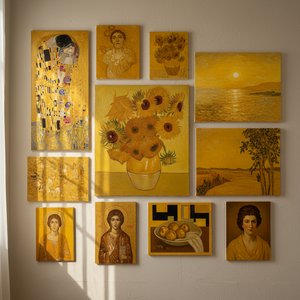
A sárgaokker aranykora: 10 híres festmény, melyek elbűvölnek | TopImpressionists.com
Fedezze fel a sárgaokker festmények aranykorát! 10 híres műalkotás – Van Gogh, Rembrandt, Monet és más mesterek remekművei. Művészettörténet, inspiráció otthonába. Prémium minőségű reprodukciók a TopImpressionists.com-on!
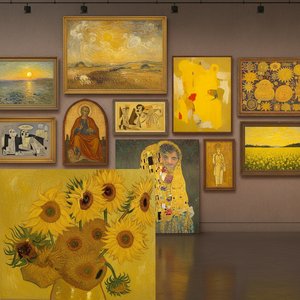
A 'króm sárga' tónusok 10 legikonikusabb mesterműve – Festmények, művészek és inspiráció otthonra
Fedezze fel a 'króm sárga' tónusok 10 leggyönyörűbb festményét! Van Gogh, Monet és más híres művészek remekművei inspiráló történetekkel. Múzeumminőségű reprodukciók otthonra – TopImpressionists.com.

The Golden Hue: Exploring Symbolism & Emotion in Yellow Art
Explore the rich symbolism & emotional power of yellow in art history! From Van Gogh to Kandinsky, discover how artists used this vibrant hue. Expert analysis & high-quality reproductions at TopImpressionists.

A fényrózsaszín varázsa: 10 ikonikus festmény a művészettörténetből
Fedezze fel a 10 legikonikusabb festményt, melyeket a fényrózsaszín varázsa jellemez! Monet-tól Renoir-ig, ismerje meg a művészettörténet e gyönyörű árnyalatainak szerepét. Vászonképek és reprodukciók prémium minőségben – TopImpressionists.com