


 Előnézet
 Megosztás
 Megosztás
 Részletek
 Útmutató

 Letöltés
 Hasonló darabok
 X-ray felvétel
 Diavetítés
 Statisztika
Winter Landscape


Experience the serene solitude of De Nittis' Impressionistic Winter Landscape from c.1880, capturing muted tones and snowy stillness; discover this masterpiece today.
 Tovább olvasom
Giuseppe De Nittis: Itália egyik vezető festője, aki az akadémiai művészet hagyományos stílusát és az impresszionizmus dinamikus energiáját tökéletesíti. Született Barlettában 1846-ban, ismert alkotásai közé tartozik a Vesztuli püskös tájolata és számos gyors ünnepélyes jelenete. Egy igazi klasszikus!
Giclée / Műnyomat
Múzeumi minőségű giclée vagy vászonnyomat, gyors gyártással és rugalmas finomítási lehetőségekkel. ( Kézzel festett másolat vásárlása Áttérés digitális képre)




P118B Ft10

P118H Ft10

P118W Ft10

P438Z Ft10

P508JH Ft12

P508YH Ft12

P805H Ft10

P805Z Ft10

P919BZ Ft10

P919G Ft10

P919XJ Ft10

P959ZH Ft10

P968JZ Ft12

W106C Ft8

W218G Ft10

W218JH Ft8

W218Y Ft10

W307PJ Ft10

W316G Ft10

W316PJ Ft8

W316Y Ft10

W398PJ Ft8

W4111J Ft10

W500HY Ft15

W500JH Ft15

W692G Ft12

W849H Ft8

W940BG Ft15

W953PJ Ft8




Standard méret
egyedi
CM
INCH
Válasszon előre meghatározott méreteink közül, amelyek megfelelnek a műalkotás eredeti arányainak.
Loading sizes...

szélesség
magasság
Írja be a keretének vagy a falának megfelelő szélességet és magasságot. A nyomatot csak le lehet vágni, soha nem tehető nagyobbá, mint az eredeti kép, így egy eltérő alakú méretnél a kép egy része elveszik. Mielőtt bármit kinyatintanánk, küldünk egy digitális próbamodellt jóváhagyásra. Az oldalon látható kép nem tartalmazza a valós levágást — ezt csak a próbamodell mutatja meg.
Világszerte történő kiszállítás területére mindössze 2 hét alatt, a szokásos 4-5 hét helyett. (24 október)

Ingyenes globális expressz szállítás

Prémium minőségű len vászon

Teljes körű szállítási biztosítás

Vámvisszatérítési Garancia

Tökéletes színarányosság garancia

100 napos visszaküldési garancia (csak gyártási hibás termékek esetén)

100% pénzvisszatérítési garancia

Több darab vásárlásakor kedvezmény
 Az üvegkeretes opció csak 110 cm alatti méretben érhető el

Winter Landscape
Giclée / Műnyomat
Reprodukció méretei
-


Összesített ár
Ft 22182
Winter Landscape with Skaters
Giuseppe De Nittis’ “Winter Landscape,” painted circa 1880, stands as a testament to the enduring fascination of Impressionism with capturing fleeting moments of natural beauty and conveying profound emotional resonance. This artwork embodies the spirit of its time—a period marked by significant artistic experimentation and a desire to move beyond academic conventions toward a more subjective representation of experience.
Subject Matter & Composition: The scene depicts a serene winter landscape dominated by snow-covered terrain, punctuated by buildings and a prominent train track receding into the distance. A solitary figure walks along a snowy field towards the right side of the frame, creating a focal point that draws the viewer’s eye and invites contemplation. De Nittis skillfully employs horizontal lines—evident in the wall and the train tracks—to establish a sense of stillness and stability, while organic shapes—the undulating snowdrifts and textured trees—introduce dynamism and visual interest.
Style & Technique: “Winter Landscape” exemplifies Impressionistic tendencies through its loose brushwork and emphasis on atmospheric perspective. De Nittis eschews meticulous detail in favor of capturing the overall mood and sensation of the winter day, prioritizing color and texture over precise representation. The painting utilizes oil paint on canvas—a medium known for its ability to achieve rich hues and luminous effects—and employs layering techniques to build up depth and create a palpable sense of surface materiality.
Color Palette & Lighting: The artwork’s palette is muted yet harmonious, dominated by whites, grays, browns, and subtle oranges/reds. Snow covers much of the landscape, establishing a predominantly white and gray tonal scheme that reflects the subdued light conditions characteristic of winter mornings. Warm hues—found in the buildings—provide visual contrast against the cool tones of the snow and trees, enhancing the painting’s expressive power.
Symbolic Significance & Emotional Impact: Beyond its aesthetic qualities, “Winter Landscape” carries symbolic weight, evoking feelings of solitude, contemplation, and perhaps even melancholy. The lone figure traversing the snowy field serves as a poignant reminder of human vulnerability against the vastness of nature—a motif that resonates deeply with viewers seeking solace or inspiration.
Historical Context: De Nittis’ work aligns itself with the broader artistic currents of the late 19th century, particularly the influence of Impressionism. Artists like Monet and Renoir were actively exploring new ways to depict light and color—challenging traditional academic standards—and prioritizing emotional expression over idealized realism. “Winter Landscape” embodies this spirit of innovation, securing its place as a cornerstone of Italian Impressionist art.
Further Research: For more detailed information on Giuseppe De Nittis and his artistic legacy, consult Wikipedia (https://en.wikipedia.org/wiki/Giuseppe_De_Nittis) and explore reproductions of “Winter Landscape” at the Tokyo National Museum (/media/artworks/images/thumbnails/5e/e5/5ee5f2e533434462a492d5e13cde511f.jpg).
Gyakran Ismételt Kérdések
Megtekinthetem a „Winter Landscape”, Giuseppe De Nittis alkotása alkotást rendelés előtt?
A „Winter Landscape”, Giuseppe De Nittis alkotása reprodukciójának megtekintéséhez nyissa meg a mű Előnézet oldalát.
Milyen technikával készült a(z) „Winter Landscape”, Giuseppe De Nittis alkotása?
A „Winter Landscape”, Giuseppe De Nittis alkotása technikája Oil On Canvas. A reprodukciók célja ezen technika megjelenítésének hiteles återadása.
Hol vásárolhatok egy nyomtatványt a(z) „Winter Landscape”, Giuseppe De Nittis alkotása alkotásból?
A „Winter Landscape”, Giuseppe De Nittis alkotása nyomata megrendelhető közvetlenül a következő oldalon: minőségi giclée nyomat pamutvászonon vagy archiváló vászonpapíron, a Minőségi műalkotás nyomat kautta.
A művész életrajza
Giuseppe De Nittis fénytermő öröksége
Giuseppe De Nittis a tizenkilencedik századi művészet szövetében egy kulcsfontosságú alakként áll fent, egy olyan mesterként, akinek ecsetének ritka képessége volt: képes volt áthidalni az akadémiai Salon formális eleganciáját és az impresszionizmus múló, vibráló spontaneitását. 1846. február 25-én született az olaszországi partmenti Barletta városában, egy feltörekvő kulturális gazdagság öregelte fel. Korai művészeti útja Giovanni Battista Calò szigorú tanításától formálódott, mégis lelke túl nyugtalan volt a traditionalizmus határai között. A lázadás egyik éminősülő pillanata – a nápolyi Instituto di Belle Arti-ból való megroversztése a tiszteletlenség miatt – nem végpontot, hanem transzformatív katalizátort jelentett. Ez a korai feszültség az állítózzal szemben egy életre szóló elszántságot gyújtott benne a fény és a légkör határainak felfedezésére, amely a korának forradalmi áramlata felé terelte.
Mielőtt meghódította volna Párizs utcáit, De Nittis mélyen belemerült a Macchiaioli mozgalomba. Az olasz innovátorok ez a csoport a precíz, fotográfikus részletesség helyett a merész, kifejező színes foltokra és fényre törekedett. Telemaco Signorini és Serganfibro de Tivoli gibi ragyogó művészekkel kialakult kapcsolatai révén olyan technikát csiszolott, amely a jelen ériességét és érzelmi súlyát helyezte előtérbe az egyszerű anatómiai pontosság felett. Florenci kiállításokon való korai résztvétele megszilárdította hírnevét az olasz avantgárd körében, olyan stilisztikai bátorság alapjait teremtve, amely később lehetővé tette számára, hogy páratlan eleganciával navigáljon Franciaország összetett társadalmi és művészeti hierarchiáin keresztül.
Párizsi odüsszeia: Fény, élet és az impresszionista kör
1867-ben De Nittis egy olyan utazásba kezdett, amely újradefiniálta sorsát, és áttelepedett Párizsba. Ez a lépés egyszerre volt szakmai triumf és stratégiai mestermove: az befolyásos műkereskedő, Adolphe Goupil szerződésének megszerzésével hozzáférést kapott a világ legsofisztikáltabb művészeti piacához. Ahogy navigált a francia főváros nyüzsgő bulvárjaiban, De Nittis többvé vált, mint csupán a modern élet nézője – maga is annak krónikása lett. Művészete kezdték megragadni egy gazdagodó város ritmusát, plein air technikákat alkalmazva, hogy dokumentálja az eső áztatta utcákat és a párizsi társaság kifinomult eleganciáját.
A művész társadalmi és szakmai szférája szoros kapcsolatba hozta őt az impresszionizmus óriásaival. Barátsága Edgar Degas és Édouard Manet nevével nem csupán társasági jellegű volt, hanem mélyen szimbiotikus is, befolyásolva kompozíciós megközelítését és témaválasztását. Bár a Salon-debsütése széles körű dicséretet szerzett technikai tudásáért, az volt a képessége, hogy az urbánus jeleneteket atmoszférikus mozgással töltötte meg, ami valóban megkülönböztette őt. Legyen szó The Place des Pyramides villamos energiájáról vagy a Lunch at Posillipo napsütötte kikapcsolódásáról, De Nittis különös képességgel rendelkezett az efemer pillanatok megörökítésére – arra, ahogyan a fény táncol a nedves aszfalton, vagy ahogyan az árnyékok megnyúlnak egy zsúfolt kertben.
A légkör mesterléte és maradandó jelentőség
De Nittis életművének szélessége egy mélyen sokoldalú művészről tanúskodik. Egyaránt otthonosan érezte magát a szülőföldje tájainak drámai, vulkáni majestásának festésekor, és ugyanúgy, amikor a francia lóversenyek high-society glamúrját örökítette meg. Twelve Studies of Vesuvius (Tizenkét tanulmány a Vesztuli) alkotásai lélegzetelállító bizonyítékok arra a képességére, hogyan manipulálja a színeket és a fényt a természet nyers erejének kiváltására, míg a Races at Longchább ábrázolásai a mozgás és a társadalmi látvány mesterét mutatják be. Az olajfesték és a finom pastel használatával olyan textúrák spektrumát fedezett fel, amely lehetővé tette számára, hogy megjelenítsen mindent a vihar nehéz légkörétől a naplementék lágy, múló fényének.
Bár élete tragikusan rövid volt, 1884-ben véget téve, Giuseppe De Nittis történelmi jelentősége nem halványul meg. Vitalis kulturális hídként szolgált, átfordítva az olasz tájfestészet forradalmi szellemét a francia impresszionizmus kifinomult nyelvére. Művészete abba az elmúlt elegancia és átalakulás korszakába nyíl nyitva, emlékeztetve minket arra, hogy az igazi művészet az örökös megtalálásában rejlik a pillanatnyi perkaraiban. Nap idag öröksége továbbra is inspirál, mint egy fény után kutatással töltött élet bizonyítéka.

Giuseppe De Nittis
1846 - 1884 , Olaszország
Gyors információk
- Artistic Movement Or Style: Impressionismo és Macchiaioli
- Artists Or Movements Influenced By This Artist: ['Macchiaioli']
- Artists Who Influenced This Artist:
- Giovanni Battista Calò
- Telemaco Signorini
- Date Of Birth: Feb 25, 1846
- Date Of Death: Aug 21, 1884
- Full Name: Giuseppe De Nittis
- Nationality: Italian
- Notable Artworks:
- Races at Auteuil
- Che freddo!
- Winter Landscape
- Place Of Birth: Barletta, Itália
Kapcsolódó cikkek

The Beauty of Impermanence: Capturing Decay through Impressionist Eyes
Explore the profound beauty of impermanence through Impressionist and Post-Impressionist eyes. Discover how masters like Monet and Van Gogh captured fleeting light and the poetic essence of nature's transitions in our deep dive into art history and emotional landscapes.

Capturing the Soul: The Most Emotionally Moving Impressionist and Post-Impressionist Masterpieces
Discover the profound emotional depth of Impressionist and Post-Impressionist masterpieces. Explore how legends like Monet, Van Gogh, and Gauguin captured light and soul through evocative landscapes and vibrant brushwork for a timeless connection to art history.

The Timeless Charm of Oil on Board: Reimagining Texture and Light through the Impressionist Lens
Discover the profound intimacy of oil on panel. Explore how Impressionist masters used rigid supports to capture light, texture, and impasto depth through exquisite, handmade oil reproductions for discerning collectors.

Beyond the Light: Capturing Raw Emotion and Subjective Vision in Post-Impressionist Landscapes
Explore the profound emotional depth of Post-Impressionist landscapes. Discover how masters like Van Gogh moved beyond light to capture raw human feeling through vibrant color and expressive texture in this expert art history retrospective.
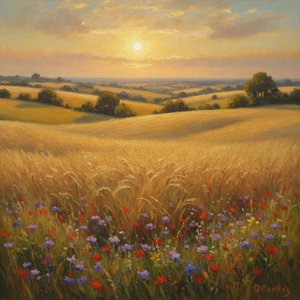
Golden Fields & Sun-Drenched Meadows: Capturing the Soul of Impressionist Landscapes
Immerse yourself in the luminous world of Impressionist landscapes. Discover how masters like Monet and Gauguin captured ephemeral light through plein air painting, and learn to bring the soul of sun-drenched meadows into your home with exquisite, hand-painted oil reproductions.
Fedezze fel a műalkotásokat témák, stílusok és jellemzők szerint csoportosítva.


