


 Előnézet
 Megosztás
 Megosztás
 Részletek
 Útmutató

 Letöltés
 Hasonló darabok
 X-ray felvétel
 Diavetítés
 Statisztika
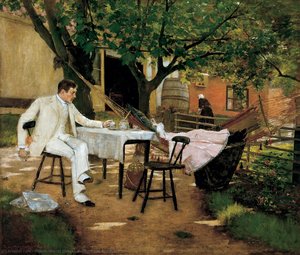
The Orange Trees


Delve into 10 iconic paintings dominated by 'anthracite' tones – from Rembrandt & Caravaggio to Goya. Explore the stories, techniques & dramatic beauty of these masterpieces. Find museum-quality reproductions for your home at !
 Tovább olvasom
Caillebotte: A modern francia festő, aki a párizsi életet realista és impresszionista stílusban ábrázolta. 'Esős utca' című alkotása ikonikus! #Caillebotte #impresszionizmus #franciafestészet
Giclée / Műnyomat
Múzeumi minőségű giclée vagy vászonnyomat, gyors gyártással és rugalmas finomítási lehetőségekkel. ( Kézzel festett másolat vásárlása Áttérés digitális képre)




P118B Ft10

P118H Ft10

P118W Ft10

P438Z Ft10

P508JH Ft12

P508YH Ft12

P805H Ft10

P805Z Ft10

P919BZ Ft10

P919G Ft10

P919XJ Ft10

P959ZH Ft10

P968JZ Ft12

W106C Ft8

W218G Ft10

W218JH Ft8

W218Y Ft10

W307PJ Ft10

W316G Ft10

W316PJ Ft8

W316Y Ft10

W398PJ Ft8

W4111J Ft10

W500HY Ft15

W500JH Ft15

W692G Ft12

W849H Ft8

W940BG Ft15

W953PJ Ft8




Standard méret
egyedi
CM
INCH
Válasszon előre meghatározott méreteink közül, amelyek megfelelnek a műalkotás eredeti arányainak.
Loading sizes...

szélesség
magasság
Írja be a keretének vagy a falának megfelelő szélességet és magasságot. A nyomatot csak le lehet vágni, soha nem tehető nagyobbá, mint az eredeti kép, így egy eltérő alakú méretnél a kép egy része elveszik. Mielőtt bármit kinyatintanánk, küldünk egy digitális próbamodellt jóváhagyásra. Az oldalon látható kép nem tartalmazza a valós levágást — ezt csak a próbamodell mutatja meg.
Világszerte történő kiszállítás területére mindössze 2 hét alatt, a szokásos 4-5 hét helyett. (24 október)

Ingyenes globális expressz szállítás

Prémium minőségű len vászon

Teljes körű szállítási biztosítás

Vámvisszatérítési Garancia

Tökéletes színarányosság garancia

100 napos visszaküldési garancia (csak gyártási hibás termékek esetén)

100% pénzvisszatérítési garancia

Több darab vásárlásakor kedvezmény
 Az üvegkeretes opció csak 110 cm alatti méretben érhető el

The Orange Trees
Giclée / Műnyomat
Reprodukció méretei
-


Összesített ár
Ft 22084
A Moment Frozen in Time: The Serenity of Caillebotte’s Garden
In the quietude of a Parisian afternoon, Gustave Caillebotte’s “The Orange Trees” (1878) invites the viewer into a sanctuary of light and leisure. This exquisite canvas is far more than a mere botanical study; it is an intimate window into the soul of the French bourgeoisie at the dawn of modernity. Painted en plein air at his family’s estate in Yerres, the work captures a fleeting instance of tranquility where time seems to suspend its forward march. Within the frame, we encounter the artist's brother, Martial, and their cousin, Zoé, nestled beneath the dappled shade of citrus trees. Their relaxed postures and contemplative gazes evoke a sense of intellectual repose, reflecting a period when the garden served as a vital stage for social connection and quiet reflection away from the burgeoning industrial bustle of Paris.
The technical mastery of Caillebotte lies in his ability to marry the precision of realism with the atmospheric soul of Impressionism. While he possessed a keen eye for detail—likely sharpened by his profound interest in the emerging medium of photography—he did not seek to replicate reality with clinical coldness. Instead, he employed loose, rhythmic brushstrokes to breathe life into the textures of the gravel path and the lush foliage. His palette is a masterclass in subtlety, dominated by soft lavenders, muted greys, and warm ochres that harmonize to create a serene, almost ethereal atmosphere. For the discerning collector or interior designer, this delicate balance of color and light offers a sophisticated aesthetic that brings a sense of calm and organic elegance to any curated space.
Symbolism and the Spirit of an Era
Beyond its surface beauty, “The Orange Trees” is rich with the symbolic language of the late 19th century. The orange trees themselves serve as potent emblems of resilience, fertility, and a deep-seated connection to the natural world—themes that resonated powerfully within the Impressionist movement. Even the inclusion of a fashionable garden tub acts as a subtle nod to the horticultural passions of the era, underscoring how even the most casual leisure activities were imbued with artistic expression. Caillebotte captures the tension of his time: the transition from the rigid academic traditions of the past toward a new, honest observation of everyday life.
To possess a reproduction of this masterpiece is to invite a piece of history into one's home. The emotional impact of the painting is profound; it evokes a nostalgic longing for a slower pace of life, making it an ideal centerpiece for those seeking to infuse their interiors with warmth, sophistication, and a touch of Parisian grace. Whether viewed as a study in light or a narrative of familial peace, Caillebotte’s work remains a timeless testament to the beauty found in life's most quiet, unscripted moments.
Gyakran Ismételt Kérdések
Mely korszakban készült a „The Orange Trees”, Caillebotte Gusztáv alkotása?
A "The Orange Trees" a 19th Century korszakba tartozik.
Milyen érzelmet közvetít a Impressionist Realism korszakból származó "The Orange Trees" című alkotás?
A "The Orange Trees" Calm érzelmi hangulatot áraszt a Impressionist Realism kortól fel nem szabott stílusban.
A „The Orange Trees” Caillebotte Gusztáv fejlődésének mely szakaszát képviseli?
A "The Orange Trees" Caillebotte Gusztáv pályájának a Mature Period szakaszába tartozik. Ez a besorolás összekapcsolja a művet a művész fejlődésével.
Hasonló műalkotások




A művész életrajza
A Parisiainak Új Korának Művésze: Gustave Caillebotte Élete és Művészete
Gustave Caillebotte, a sikeres párizsi családba született 1848-ban, egyedülállóan helyzetbe került ahhoz, hogy megörököszöntsön a város alakulásának drámai átalakításait. Apja, Martial Caillebotte örökölte a textilüzletet és bíróként is tevékenykedett a Szajna megyei kereskedelmi bíróságon, ami Gustave-nak mindennemű anyagi biztonságot, mind pedig egy olyan perspektívát adott, amely lehetővé tette számára, hogy megfigyelje a virágzó modern világot. Bár eleinte jogi tanulmányokat folytatott – 1868-ban és 1870-ben szerzett jogi diplomát –, Caillebotte igazi hivatása az művészet területén rejlett. Komoly képzést kapott Léon Bonnat műtermében, ahol elmélyült a festészetben, miközben egyben nagy érdeklődést fejlesztett ki a fotózás iránt, egy olyan új technológia iránt, amely mélyrehatóan befolyásolta látásmódját. Ez az korai expozíció a fényképezés elveivel szemben – annak keretezéssel, perspektívájával és pillanatfelvételének képességével – jellegzetes stílusa jegyeivé vált. Caillebotte nem csupán dokumentálta a változást; aktívan részt vett annak esztétikai lehetőségeiben.Realista Hangulatú Impresszionizmus
Caillebotte művészi útja eltért az akadémiai hagyományok szigorú követésétől, de soha nem teljesen fogadta el az impresszionisták kizárólagos optikai felfedezéseit. Közeledemett olyan művészekkel, mint Edgar Degas és Giuseppe de Nittis, akikkel közös vonzalom volt a modern élet iránt, de azt egy aprólékos realisztikus szemszögből közelítették meg. Korai mesterműve, Les Raboteurs de Parquet (A Parkettcsiszolók), amelyet 1875-ben mutattak be a Salonon, azonnal elnyerte a hírnevet egy merész és kivételes festőként. A mű darabjául szolgáló három munkás, aki kitartóan csiszolta a parkettfürtet, nem csupán a témaválasztás volt a különlegesség – a munkások ritkán szerepeltek a művészet magasabb körökben –, hanem a kompozíció is: szorosan vágott, szinte zavaróan közvetlen és nincsenek benne szentimentalista idealizációk. Ez a kötelezettségvállalás a valóságtól való távolságtól, a mindennapi élet megörökítésére, sokak számára meglepte a közönséget, de mások számára pedig elnyerte az őszinte rajongást. A művei, mint például Az acélhíd, tökéletesen ábrázolták a gyorsan változó Párizs ipari tájmezeteit. Azonban Caillebotte nem volt immun az impresszionista befolyásoltság ellen; palettája lassan világosabb lett, és elkezdett kísérletezni törött ecsettel és légkörös hatásokkal, ami különösen jól mutat a város tetején felhőkarcoló épületekben lezárult, hóborúban teli tájképein, mint például A tetősík fehéren.Egy Patrons és Egy Úttörő: A Művészeti Világban
Caillebotte művészi karrierje mellett fontos szerepet játszott a művészet támogatójaként is. Gazdasági helyessége lehetővé tette számára, hogy jelentős mértékben támogassa az impresszionistákat, vásárolja meg a műveiket Monet-től, Renoir-tól, Pissarro-tól, Cézanne-től és Degas-tól, amikor ezek a művek még nem voltak elfogadva a hivatalos Salonon. Nem csupán gyűjtő volt; aktívan támogatta ezeket az alkotókat, megszervezte és finanszírozta több impresszionista kiállítást is, amelyek megakadályozták a művészet hagyományos normáit. Ez a befogadó szellem kiterjedt a saját gyűjteményére is, amelyet Gustave halála után 1894-ben örökösének adományozott – egy alku, amely elebből nemeselték, de végül alapkővé vált az Orsay Múzeum híres impresszionista gyűjteménye számára. Caillebotte egyedi perspektívája pedig a műveiben is megmutatkozott: alkotásai, mint például A Boulevard látványa fenteból, egy rendkívül modern szemszögből készültek, dinamikus nézőpontot alkalmazva és a 20. század fotótechnikájának perspektíváit előrevetítve. Ez az innovatív megközelítés a kompozíció terén, amely valószínűleg a japán nyomatok és saját fényképezési kísérletei ihlette, különította őt egy igazi úttörővé.Híressé Tevő Dicsőség és Újjárajtás: Egy Modern Mester Újra Találkozása
Szádaszent évadzáig Caillebotte művei elmaradtak a figyelem tárgyától, árnyékba helyezve a híresebb impresszionista alakokat. Csak a 20. század végén kezdődött meg egy átfogó újbontás, amelyet tudományos kutatásokkal és nagyméretű kiállításokkal indított el. Ez az újbontás feltárta egy kiválóan képzett művészt, mélyeszméletű és látványos perspektívát. Caillebotte alkotásai nem csupán a modern élet ábrázolása; mély elmélkedések a városi lét bonyodalmairól, a változó társadalmi tájmezetről és az művészet és valóság kapcsolatának átalakulója. Képese volt tökéletesen ötvözni a realisztikus technikát az impresszionista stílusokkal, innovatív kompozícióit és elállhatatlan elkötelezettségét a világ megörökítésére – egy művész, aki merte megfogadni egy új kor szellemet.Jellegzetes Művek
- Les Raboteurs de Parquet (A Parkettcsiszolók) (1875): Egyúttörő mű, amely Caillebotte realisztikus stílusát és innovatív kompozícióját mutatja be.
- A tetősík fehéren (1878): Mutatja meg a magas nézőpont használatát és légkörös hatásait, melyek inspirációt merítettek a fotózásból és a japán nyomatokból.
- A Boulevard látványa fenteból (1880): Egy rendkívül modern kompozíció dinamikus nézőponttal.
- Paris Street; Rainy Day (1877): Talán legismertebb műve, amely a párizsi élet izgalmas energiáját egyedi és frappáns módon ábrázolja.
- A Bezique Játék(1881) : Egy lenyűgöző impresszionista festmény a párizsi szabadidőről.

Caillebotte Gusztáv
1848 - 1894 , Franciaország
Gyors információk
- Artistic Movement Or Style: Realizmus, Impresszionizmus
- Artists Or Movements Influenced By This Artist: ['Impresszionizmus']
- Artists Who Influenced This Artist:
- Degas
- Nittis
- Date Of Birth: 1848. augusztus 19.
- Date Of Death: 1894. február 21.
- Full Name: Gustave Caillebotte
- Nationality: Francia
- Notable Artworks:
- Les Raboteurs de Parquet
- Tetővizenek (Síó)
- Boulevard felülről nézve
- Place Of Birth: Párizs, Franciaország
Kapcsolódó cikkek

Capturing the Mist: The Timeless Beauty of British Landscape Impressionism
Explore the ethereal beauty of British Landscape Impressionism. Discover how masters captured light and mist through plein air techniques, offering a profound connection to the English countryside's timeless, atmospheric soul.

The Soul of Impressionism: Why Oil on Canvas Captures Eternal Light and Timeless Emotion
Discover the enchanting alchemy of Impressionism. Explore how the mastery of oil on canvas, through glazing and impasto, captures eternal light and emotion. Perfect for lovers of Monet and Van Gogh seeking the profound depth of hand-painted fine art.

Beyond the Light: Capturing Raw Emotion and Subjective Vision in Post-Impressionist Landscapes
Explore the profound emotional depth of Post-Impressionist landscapes. Discover how masters like Van Gogh moved beyond light to capture raw human feeling through vibrant color and expressive texture in this expert art history retrospective.
Fedezze fel a műalkotásokat témák, stílusok és jellemzők szerint csoportosítva.


