

 Megtekintés
 Küldés
 Megosztás
 Részletek
 Útmutató

 Letöltés
 Hasonló darabok
 X-ray felvétel
 Diavetítés
 Q&A
Q&A Statisztika
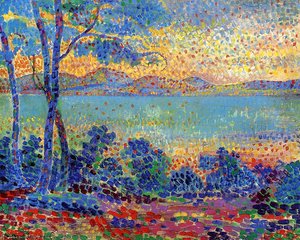
A aranyszigetek


Henri Edmond Cross ikonikus aranyszigetek tájképe Neo-impressionista technikával – pontos színekkel és fényekkel ábrázolja Franciaország egyik legszebb helyét, mely nagy hatással volt a fauve művészekre.
 Összes részlet megjelenítése
"Hungarian Meta Description": "Henri-Edmond Cross francia neoimpresszionista festő, a pointillizmus mestere. Dazzling színekkel és atmoszférikus tájakkal alkotott, jelentős hatással volt a 20. századi modern művészetre, különösen a fauvizmusra."
Giclée / Műnyomat
Múzeumi minőségű giclée vagy vászonnyomat, gyors gyártással és rugalmas finomítási lehetőségekkel. ( Kézzel festett másolat rendelése Áttérés digitális képre)




P118B Ft10

P118H Ft10

P118W Ft10

P438Z Ft10

P508JH Ft12

P508YH Ft12

P805H Ft10

P805Z Ft10

P919BZ Ft10

P919G Ft10

P919XJ Ft10

P959ZH Ft10

P968JZ Ft12

W106C Ft8

W218G Ft10

W218JH Ft8

W218Y Ft10

W307PJ Ft10

W316G Ft10

W316PJ Ft8

W316Y Ft10

W398PJ Ft8

W4111J Ft10

W500HY Ft15

W500JH Ft15

W692G Ft12

W849H Ft8

W940BG Ft15

W953PJ Ft8




Standard méret
egyedi méretű
CM
INCH
Válasszon előre meghatározott méreteink közül, amelyek megfelelnek a műalkotás eredeti arányainak.
Loading sizes...

szélesség
magasság
Írja be a keretének vagy a falának megfelelő szélességet és magasságot. A nyomatot csak le lehet vágni, soha nem tehető nagyobbá, mint az eredeti kép, így egy eltérő alakú méretnél a kép egy része elveszik. Mielőtt bármit kinyatintanánk, küldünk egy digitális próbamodellt jóváhagyásra. Az oldalon látható kép nem tartalmazza a valós levágást — ezt csak a próbamodell mutatja meg.
Világszerte történő kiszállítás területére mindössze 2 hét alatt, a szokásos 4-5 hét helyett. (1 november)

Ingyenes globális expressz szállítás

Prémium minőségű len vászon

Teljes körű szállítási biztosítás

Vámvisszatérítési Garancia

Hiteles színarányosság garancia

100 napos visszaküldési lehetőség (csak hibás termékek esetén)

100% pénzvisszatérítési garancia

Több darab vásárlásakor kedvezmény
 Az üvegkeretes opció csak 110 cm alatti méretben érhető el

A aranyszigetek
Giclée / Műnyomat
Reprodukció mérete
-


Összesített ár
Ft 22596
A Szép Éghijklő – Henri Edmond Cross
Henri Edmond Cross életét és művészetét egy fényhez való törekvés ösztönözte, mely összefüggött személyes körülményeivel és egy lelkes elfogadással az avantgárd ideákhoz. Egy kalandvágyó apa és brit anyja fia volt, aki fiatal korában Douai városába költözött, ahol Dr. Auguste Soins művészi párbajozója támogatta őt, aki alapvető pénzügyi támogatást biztosított számára Carolus-Duran nagy mester tanítása révén. Ez a felépítmény megismerte klasszikus technikát – egy későbbi brilliáns subverzíviót eredményezve –, mely az új impresszionizmus világába való merítéshez vezetett.
Korán már saját művészi identitásának megteremtésére törekedett, és végül „Cross”-ként választotta nevetét. Együtt dolgozott a francia művészettel és egy nagy művészt támogató személyiségével, aki alapvető pénzügyi támogatást biztosított számára Carolus-Duran nagy mester tanítása révén.
A Szerelmi Színvilág És Az Észközök
Cross életében és alkotásában egy fényhez való törekvés ösztönözte, mely összefüggött személyes körülményeivel és egy lelkes elfogadással az avantgárd ideákhoz. Egy kalandvágyó apa és brit anya fia volt, aki fiatal korában Douai városába költözött, ahol Dr. Auguste Soins művészi párbajozója támogatta őt, aki alapvető pénzügyi támogatást biztosított számára Carolus-Duran nagy mester tanítása révén.
A művész egy időszakosan megismerte és gyakorolta a klasszikus technikát – egy későbbi brilliáns subverzíviót eredményezve –, mely az új impresszionizmus világába való merítéshez vezetett. Együtt dolgozott a francia művészt és egy nagy művészt támogató személyiségével, aki alapvető pénzügyi támogatást biztosított számára Carolus-Duran nagy mester tanítása révén.
A Neo-Impressionizmus Új Személyisége És Egy Észközök Szerelője
Együtt dolgozott a francia művészt és egy nagy művészt támogató személyiségével, aki alapvető pénzügyi támogatást biztosított számára Carolus-Duran nagy mester tanítása révén.
A művész egy időszakosan megismerte és gyakorolta a klasszikus technikát – egy későbbi brilliáns subverzíviót eredményezve –, mely az új impresszionizmus világába való merítéshez vezetett. Együtt dolgozott a francia művészt és egy nagy művészt támogató személyiségével, aki alapvető pénzügyi támogatást biztosított számára Carolus-Duran nagy mester tanítása révén.
A Szellem Érzekét És Egy Új Színvilág Megismerése
Együtt dolgozott a francia művészt és egy nagy művészt támogató személyiségével, aki alapvető pénzügyi támogatást biztosított számára Carolus-Duran nagy mester tanítása révén.
A művész egy időszakosan megismerte és gyakorolta a klasszikus technikát – egy későbbi brilliáns subverzíviót eredményezve –, mely az új impresszionizmus világába való merítéshez vezetett. Együtt dolgozott a francia művészt és egy nagy művészt támogató személyiségével, aki alapvető pénzügyi támogatást biztosított számára Carolus-Duran nagy mester tanítása révén.
A művész egy időszakosan megismerte és gyakorolta a klasszikus technikát – egy későbbi brilliáns subverzíviót eredményezve –, mely az új impresszionizmus világába való merítéshez vezetett. Együtt dolgozott a francia művészt és egy nagy művészt támogató személyiségével, aki alapvető pénzügyi támogatást biztosított számára Carolus-Duran nagy mester tanítása révén.
Kérdések és válaszok
Milyen hangulatot közvetít a „A aranyszigetek”, Henri-Edmond Cross alkotása a Neo-Impressionism irányzaton belül?
A „A aranyszigetek” Békés hangulata kíséri a Neo-Impressionism stílusát.
Milyen szín vezeti a „A aranyszigetek”, Henri-Edmond Cross alkotása kompozícióját?
A(z) Szürke-bézs (#e5d5af) a(z) „A aranyszigetek”, Henri-Edmond Cross alkotása domináns színe.
Milyen viszonyban áll egymáshoz a "A aranyszigetek" színei?
A "A aranyszigetek" színharmóniája úgy van rögzítve, mint Lágyan kevert paletta.
Hasonló műalkotások




A művész életrajza
A Life Bathed in Light: The Journey of Henri Edmond Cross
Henri Edmond Cross, born Henri-Edmond-Joseph Delacroix in 1856 in the northern French town of Douai, was an artist whose life and work were inextricably linked to a pursuit of light, color, and a harmonious vision of existence. His story is one of artistic evolution, driven by both personal circumstance and a fervent embrace of avant-garde ideals. The son of an adventurous father and a British mother, Cross’s early years saw a relocation to Lille, where his budding talent was recognized and nurtured by Dr. Auguste Soins, a patron who provided crucial financial support for lessons with the esteemed Carolus-Duran. This foundational training instilled in him a respect for classical technique—a grounding that would later be brilliantly subverted as he ventured into the revolutionary world of Neo-Impressionism. Even early on, a desire to forge his own artistic identity led him to adopt “Cross” as part of his name, and eventually fully transition to "Henri-Edmond Cross" in 1886, distancing himself from both the celebrated Eugène Delacroix and another contemporary artist sharing the same surname. This act was symbolic of a larger ambition: to define a unique artistic voice amidst a rapidly changing art world.From Realism to Radiant Divisionism
Cross’s initial artistic explorations leaned towards the Realist tradition, manifesting in portraits and still lifes that demonstrated technical skill but lacked a distinctive spark. He began with depictions of everyday life, capturing the faces and scenes of his native Douai with meticulous detail. However, the Parisian art scene of the 1880s was abuzz with new ideas, and Cross found himself increasingly drawn to the revolutionary principles of Neo-Impressionism—a movement spearheaded by Georges Seurat and Paul Signac. This encounter proved transformative. The scientific approach to color theory, the meticulous application of tiny, distinct brushstrokes (or “points”) designed to create optical mixing, resonated deeply with his artistic sensibilities. Simultaneously, recurring bouts of rheumatism led him to seek solace in the warmer climate of southern France, beginning in 1883 and culminating in a permanent settlement in Saint-Clair in 1891. The radiant light and vibrant landscapes of this region became integral to his artistic vision. He didn’t simply replicate Seurat's pointillism; instead, he evolved it, favoring larger, more mosaic-like brushstrokes that retained the luminosity of divided color while allowing for greater expressive freedom. This “second generation” Neo-Impressionism was characterized by its bold chromatic intensity and dynamic compositions—a style that would become his signature.Anarchist Ideals and Utopian Visions
Beyond technical innovation, Cross’s work was deeply informed by a strong sense of social and political idealism—specifically, anarchist beliefs. This conviction wasn't overtly propagandistic; rather, it manifested in his depictions of idyllic rural scenes, portraying harmonious coexistence between humanity and nature as an alternative to the perceived corruption and alienation of modern urban life. His paintings weren’t merely aesthetic exercises but visual statements advocating for a more equitable and peaceful world. The influence of this ideology is subtly woven into the fabric of his compositions, imbuing them with a sense of utopian longing. Works like *Before the Storm* and *The Farm, Evening* are not simply representations of nature; they are allegories for a just society—the vibrant colors and dynamic brushwork evoking energy and optimism, suggesting transformation and renewal. He sought to capture a world where humanity lived in balance with its surroundings, free from the constraints of industrialization and social hierarchy.The Development of His Style & Key Works
Cross’s artistic style underwent a significant evolution throughout his career. Initially, he employed a more rigid adherence to Seurat's pointillist technique, creating works dominated by precise, geometric patterns of color. However, as he spent increasing time in southern France and developed a deeper understanding of light and atmosphere, his approach became looser and more expressive. He began to incorporate larger brushstrokes, allowing for greater textural variation and a richer sense of depth. This shift is particularly evident in his later landscapes, which are characterized by their luminous colors, dynamic compositions, and evocative mood. Key works such as *Before the Storm*, with its dramatic skies and hints of anarchist themes, *The Washerwoman*, showcasing his mastery of Pointillism and divisionism, and *The Farm, Evening*, a serene depiction of rural life embodying his utopian vision, exemplify this evolution. These paintings demonstrate not only technical skill but also a profound engagement with the world around him—a desire to capture its beauty, complexity, and inherent contradictions.Legacy and Influence on Modern Art
Henri-Edmond Cross’s artistic journey culminated in a significant body of work that profoundly impacted the course of modern art. His first individual exhibition at the Galerie Druet in 1905, followed by a retrospective organized by Félix Fénéon at the Galerie Bernheim-Jeune in 1908, cemented his reputation as a leading figure in Neo-Impressionism. However, his influence extended far beyond this movement. His bold use of non-local color—applying colors not according to their natural appearance but for expressive effect—and his willingness to distort forms paved the way for the radical experimentation of Fauvism. Artists like Henri Matisse and André Derain were deeply inspired by Cross’s work, recognizing in it a liberation from traditional constraints and a pathway towards greater artistic freedom. He demonstrated that color could be used not merely to represent reality but to evoke emotion and create a purely visual experience. He died of cancer in Saint-Clair in 1910, leaving behind a legacy that continues to resonate with artists and art lovers today. His paintings remain powerful testaments to the transformative potential of color, light, and form—and to the enduring power of art as a vehicle for social and political expression.
Henri-Edmond Cross
1856 - 1910 , Franciaország
Rövid információk
- Artistic Movement Or Style: Neo-Impressionizmus
- Artists Or Movements Influenced By This Artist:
- Henri Matisse
- Fauvizmus
- Artists Who Influenced This Artist:
- Georges Seurat
- Paul Signac
- Date Of Birth: 1856
- Date Of Death: 1910
- Full Name: Henri Edmond Cross
- Nationality: Francia
- Notable Artworks:
- Les îles d’or
- L’air du soir
- La Ranelagh
- Place Of Birth: Douai, Franciaország
Kapcsolódó cikkek

The Science of Light: Decoding the Optical Precision of Neo-Impressionism
Explore the scientific brilliance of Neo-Impressionism. Discover how masters like Georges Seurat revolutionized art through optical mixing, color theory, and the precision of Pointillism to capture the true essence of light.

The Science of Light: How Seurat and Signac Revolutionized Color with Pointillism
Explore the scientific revolution of Pointillism. Discover how Georges Seurat and Paul Signac utilized optical color mixing and light theory to transform modern art through Neo-Impressionist precision and luminous technique.

Henri Matisse 25 Mesterműve: Színek és Érzések Világa - TopImpressionists
Fedezze fel Henri Matisse 25 legikonikusabb művét! Ismerje meg a fauvizmus színeit, az expresszionizmus formáit és a modern művészet mesterének életművét. Vászonképek, nyomatok – inspiráció otthonába a TopImpressionists.com-on!

The Science of Light: A Definitive Guide to the Optical Revolution of Pointillism and Neo-Impressionism
Explore the scientific brilliance of Pointillism. Discover how masters like Georges Seurat revolutionized art through optical color mixing and the science of light. A definitive guide for classical art enthusiasts seeking to understand the physics behind Neo-Impressionist masterpieces.

Henri Edmond Cross: A Pioneer of Neo-Impressionism & the Divisionist Aesthetic
Explore the life & art of Henri Edmond Cross, a pivotal Neo-Impressionist painter. Discover his innovative divisionist technique, political affiliations, and lasting influence on modern art movements like Fauvism. Learn about key works & legacy.
Fedezze fel a műalkotásokat témák, stílusok és jellemzők szerint csoportosítva.


