


 Előnézet
 Megosztás
 Megosztás
 Részletek
 Útmutató

 Letöltés
 Hasonló darabok
 X-ray felvétel
 Diavetítés
 Statisztika
Notre Dame

 Tovább olvasom
Matisse (1869-1954): A fauve mozgalom mestere! Fedezze fel ikonikus festményeit, papírvágásait és a modern művészetre gyakorolt hatását. Kiváló francia festőművész.
Giclée / Műnyomat
Múzeumi minőségű giclée vagy vászonnyomat, gyors gyártással és rugalmas finomítási lehetőségekkel. ( Kézzel festett másolat vásárlása Áttérés digitális képre)




P118B Ft10

P118H Ft10

P118W Ft10

P438Z Ft10

P508JH Ft12

P508YH Ft12

P805H Ft10

P805Z Ft10

P919BZ Ft10

P919G Ft10

P919XJ Ft10

P959ZH Ft10

P968JZ Ft12

W106C Ft8

W218G Ft10

W218JH Ft8

W218Y Ft10

W307PJ Ft10

W316G Ft10

W316PJ Ft8

W316Y Ft10

W398PJ Ft8

W4111J Ft10

W500HY Ft15

W500JH Ft15

W692G Ft12

W849H Ft8

W940BG Ft15

W953PJ Ft8




Standard méret
egyedi
CM
INCH
Válasszon előre meghatározott méreteink közül, amelyek megfelelnek a műalkotás eredeti arányainak.
Loading sizes...

szélesség
magasság
Írja be a keretének vagy a falának megfelelő szélességet és magasságot. A nyomatot csak le lehet vágni, soha nem tehető nagyobbá, mint az eredeti kép, így egy eltérő alakú méretnél a kép egy része elveszik. Mielőtt bármit kinyatintanánk, küldünk egy digitális próbamodellt jóváhagyásra. Az oldalon látható kép nem tartalmazza a valós levágást — ezt csak a próbamodell mutatja meg.
Világszerte történő kiszállítás területére mindössze 2 hét alatt, a szokásos 4-5 hét helyett. (24 október)

Ingyenes globális expressz szállítás

Prémium minőségű len vászon

Teljes körű szállítási biztosítás

Vámvisszatérítési Garancia

Tökéletes színarányosság garancia

100 napos visszaküldési garancia (csak gyártási hibás termékek esetén)

100% pénzvisszatérítési garancia

Több darab vásárlásakor kedvezmény
 Az üvegkeretes opció csak 110 cm alatti méretben érhető el

Notre Dame
Giclée / Műnyomat
Reprodukció méretei
-


Összesített ár
Ft 22182
A Symphony of Color Against Parisian Stone
Henri Matisse’s “Notre Dame,” painted in 1914, isn't merely a depiction of Paris; it’s an embodiment of the artist’s revolutionary approach to painting—a bold assertion of Fauvist principles that continues to resonate with audiences today. Captured on paper mounted on canvas and housed within the Albright-Knox Art Gallery collection, this artwork stands as a testament to Matisse’s unwavering belief in color as the primary vehicle for artistic expression.
The Bold Strokes of Fauvism
Matisse's stylistic choices immediately distinguish “Notre Dame” from academic traditions. Abandoning naturalistic representation, he embraced vibrant hues—dominantly blues and yellows—that prioritized emotional impact over accurate depiction. This technique aligns perfectly with the tenets of Fauvist art, a movement spearheaded by Matisse himself and Picasso, which sought to liberate color from its subservient role in portraying reality.
A Vision of Parisian Life
The painting portrays a bustling Parisian street scene centered around Notre Dame Cathedral. The cathedral’s imposing silhouette anchors the composition, rendered with meticulous detail despite Matisse's stylistic liberties. Scattered figures populate the foreground, conveying a sense of everyday life amidst the grandeur of the cityscape. Notably, a horse adds dynamism to the tableau, capturing movement and contributing to the overall atmosphere.
Symbolism Within Color
Matisse’s masterful use of color isn't accidental; it serves as a conduit for conveying emotion and spiritual contemplation. The dominant blues evoke feelings of serenity and solemnity, reflecting the cathedral’s religious significance. Simultaneously, splashes of yellow inject warmth and optimism, symbolizing hope and vitality—a deliberate contrast that underscores Matisse’s artistic intention.
Influence Beyond Canvas
“Notre Dame” exemplifies Matisse's enduring legacy as a pioneer of modern art. His groundbreaking exploration of color paved the way for subsequent generations of artists, inspiring them to prioritize expressive qualities over photographic realism. Reproductions of this iconic artwork offer collectors and interior designers alike an opportunity to experience the transformative power of Fauvist aesthetics—a celebration of pure color and form that continues to captivate viewers worldwide.
Gyakran Ismételt Kérdések
Milyen telítettséget és intenzitást mutat „Notre Dame”, Matisz alkotása?
A „Notre Dame”, Matisz alkotása színei Balanced Soft telítettséget és Balanced intenzitást mutatnak be.
Hol találhatók statisztikák a(z) „Notre Dame”, Matisz alkotása műről?
Létre van hozva egy Statisztika oldal a(z) "Notre Dame" számára. Ez az oldal ábrázolja a mű és a művész többi alkotásának havi látogatottságát, országon és nyelvenként bontva.
Milyen technikával készült a "Notre Dame"?
A "Notre Dame" alkotás Acrylic On Canvas technikával készült.


A művész életrajza
Élet és Korai Évek
Henri Émile Benoît Matisse, 1869. december 31-én született a kis észak-franciaországi Le Cateau-Cambrésisben. Gyermekkora nem ígért festői pályát; szülei vetőmagot és festéket árultak kis üzletükben, és úgy tűnt, fiuk is ezt a családi vállalkozást folytatja majd. Viszont gyenge egészségi állapota megakadályozta ebben. 1882 és 1887 között humángimnáziumba járt, majd Párizsban jogot tanult, végül diplomát szerzett. Azonban egy súlyos vakbélgyulladás (1890) drámai fordulatot hozott az életében. A hosszú ágybetegség során, hogy ne unatkozzon, édesanyja festőkészlettel ajándékozta meg. Ez a pillanat sorsfordító volt: Matisse felfedezte benne a szenvedélyét és új hivatását. Bár kezdetben autodidakta módon tanult, hamarosan beiratkozott az Académie Julianba, majd az École Nationale des Beaux-Artsba, ahol William-Adolphe Bouguereau és Gustave Moreau voltak mesterei. Ezek a tanulmányok klasszikus technikákat biztosítottak számára, amelyek később alapvető szerepet játszottak innovatív stílusának kialakulásában. Korai munkái ezen akadémiai hatásokon keresztül mutatkoztak meg, bár még nem hordozták magukban azt a jellegzetes hangot, amely hamarosan világhírnévhez juttatta őt.A Fauvizmus Születése és Kísérletezések
1896-ban tett látogatása Belle-Île szigetére, ahol az ausztrál festő John Russell volt a társasága, kulcsfontosságú pillanatot jelentett Matisse pályáján. Russell bemutatta számára az impresszionizmus vibráló világát, de ami még fontosabb volt, Vincent van Gogh expresszív vásznait. Van Gogh színekkel való merész játéka mély hatást gyakorolt Matisse-ra, és arra ösztönözte őt, hogy elszakadjon a korábbi visszafogott palettájától, és bátrabban használjon olyan árnyalatokat, amelyek az érzelmeket tükrözik. Ez a felfedezés vezetett a Fauvizmus (a „vadak” mozgalma) megszületéséhez 1905 körül. A csoport első kiállítása a Salon d'Automne-on sok kritikust megbotránkoztatott, mivel festményeik szokatlanul élénk színei és természetellenes formái radikálisan eltértek a hagyományos ábrázolásmódoktól. Matisse, Andrè Derain és Maurice de Vlaminck vezetésével intenzív színeket alkalmaztak önálló kifejező eszközként, egyszerűsítve a formákat annak érdekében, hogy felerősítsék azok hatását. A The Gourds (1905) című alkotás tökéletesen példázza ezt a stílust – vörös, zöld és sárga színek káoszát ábrázolja, amely hagyományos perspektívát és valósághűséget figyelmen kívül hagyva szabadon alkalmazott ecsetvonásokkal jelenik meg. A Fauvizmus legfontosabb jellemzői közé tartoznak az intenzíven telített színek, a leegyszerűsített formák, az expresszív ecsetkezelés és a konvencionális ábrázolás tudatos elutasítása az érzelmi kifejezés érdekében.Finomítás és Dekoratív Harmónia
A Fauvizmus kezdeti lendülete után Matisse stílusa finom, de jelentős változáson ment keresztül. Bár nem hagyta el a színek iránti szeretetét, munkái kifinomultabbá váltak, egy dekoratív esztétika felé mozdulva, amely lapos formákat és bonyolult mintázatokat hangsúlyozott. A szabadidő, a családi élet és az emberi alak témáit ábrázolta békés környezetben, olyan kompozíciókat alkotva, amelyek harmonikusak és érzelmileg rezonálóak voltak. 1917-es Nice-be költözése tovább erősítette ezt a változást, munkáiba klasszikus egyensúlyt és nyugalmat hozva. Ekkor kezdett komplex környezeteket teremteni – festményeket, szobrokat és dísztárgyakat –, amelyek a nézőt szépség és béke légkörébe helyezték. Kísérletezett különböző médiumokkal is, például kerámiával és textíliával, kiterjesztve művészi látókörét a hagyományos vászonon túli területekre. Nem csupán jeleneteket ábrázolt, hanem olyan világokat épített fel, amelyek egy adott érzelmi reakciót váltottak ki.Késői Évek: Innováció a Korlátozások Között
A hanyatló egészségi állapot korlátozta Matisse festési képességeit, és ez egy rendkívüli új fejezetet nyitott művészi pályáján – a papírvágásos kollázsok ( *découpages*) létrehozását. 1947 körül kezdődtek ezek a munkák, amelyek szükségből fakadtak. Kerekesszékhez kötözve fizikailag nem tudott állva festeni, de még mindig képes volt papírt ollóval manipulálni. Ami praktikus megoldásként indult, egy úttörő művészeti technikává fejlődött. Nagy színes papírlapokat festett le, majd vágta őket formákra – organikus alakokra, levelekre, figurákra –, és ezeket rendezte vásznakon, dinamikus és csalóka egyszerű kompozíciókat alkotva. Ezek a *découpages* nem csupán a festészet helyettesítői voltak; egy új gondolkodásmódot képviseltek a színről, formáról és kompozícióról. Folytatta élete során végzett kutatásait ezeken az elemeken, kitartó művészi látókörrel még fizikai korlátozások közepette is. A papírvágásos technika lehetővé tette számára a forma és a szín tisztaságának elérését, ami nehezen volt elérhető festékkel. Ezek a munkák gyakran hivatkoztak korábbi témáira és motívumaira, de friss és innovatív módon mutatták be őket. Demonstrálták képességét az alkalmazkodásra és fejlődésre művészként karrierje során.Örökség: Matisse Hatása a Modern Művészetre
Henri Matisse 1954-ben halt meg Nizzában, és egy olyan életművet hagyott maga után, amely továbbra is inspirálja és lenyűgözi a világ közönségét. Hatása a művészeti világra vitathatatlan; kihívta a reprezentáció hagyományos fogalmait, védelmezte a szín kifejező erejét, és utat nyitott a jövő generációi számára. Gyakran emlegetik Pablo Picassóval együtt a 20. század egyik legbefolyásosabb alakjaként, Matisse alapvetően formálta a modernizmust. Öröksége nem csupán műalkotásaiban rejlik – egy filozófiát foglal magában, amely ünnepli az örömöt, a szépséget és a szín átalakító erejét. Nem csupán azt festette le, amit látott; érzelmi élményt teremtett a néző számára, meghívva őt, hogy megossza vízióját egy fényben és vibráló színekben úszó világról. Matisse hatása számtalan művész munkájában látható különböző diszciplínákon keresztül, megerősítve helyét a modern művészet igazi mestereként – egy festőként, aki merte úgy látni a világot, ahogy lehet, tele színnel, harmóniával és végtelen lehetőségekkel.
Matisz
1869 - 1954 , Franciaország
Gyors információk
- Artistic Movement Or Style: Fauvizmus
- Artists Or Movements Influenced By This Artist:
- Modernizmus
- Expresszionizmus
- Artists Who Influenced This Artist:
- Van Gogh
- Chardin
- Russell
- Date Of Birth: 1869. december 31.
- Date Of Death: 1954
- Full Name: Henri Émile Benoît Matisse
- Nationality: Francia
- Notable Artworks:
- The Gourds
- Laurette in a White Turban
- Place Of Birth (City And Country): Le Cateau-Cambrésis, Franciaország
Kapcsolódó cikkek
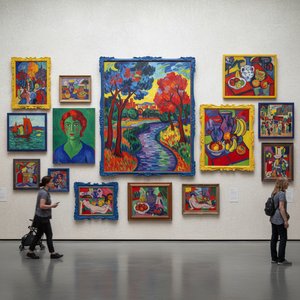
A Fauvizmus 10 Mesterműve: Színek és Érzések a Modern Művészetben | TopImpressionists.com
Fedezze fel a Fauvizmus 10 legikonikusabb műalkotását! Matisse, Derain és más festők színes világa várja Önt. Ismerje meg a modern művészet történetét és inspirálódjon otthona dekorációjához. TopImpressionists.com - Múzeumi minőségű reprodukciók online!

A Fauvizmus 10 Mesterműve: Színek és Érzések Világa – TopImpressionists
Fedezze fel a fauvizmus 10 legikonikusabb műalkotását! Matisse, Derain és más mesterek intenzív színeivel teli festményeinek története. Vásároljon minőségi art reprodukciókat a TopImpressionists.com-on, és hozza el az expresszionizmus vibráló világát otthonába! Fedezze fel teljes kollekciónkat online.

Fauvism Unveiled: The Wild Revolution of Color and Emotion in Modern Art
Explore the vibrant revolution of Fauvism. Discover how masters like Henri Matisse liberated color from reality to express pure emotion. An expert guide into the 'Wild Beasts' of modern art history for collectors and enthusiasts.
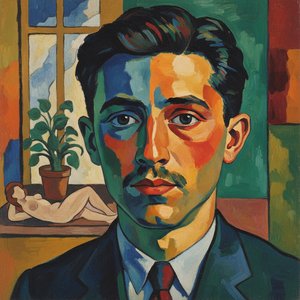
Henri Matisse: A Revolutionary Use of Color and Form in Modern Art
Explore the revolutionary art of Henri Matisse! Discover his bold use of color, Fauvist origins, and lasting impact on modern painting. A comprehensive guide for art enthusiasts.

Henri Matisse 25 Mesterműve: Színek és Érzések Világa - TopImpressionists
Fedezze fel Henri Matisse 25 legikonikusabb művét! Ismerje meg a fauvizmus színeit, az expresszionizmus formáit és a modern művészet mesterének életművét. Vászonképek, nyomatok – inspiráció otthonába a TopImpressionists.com-on!
Fedezze fel a műalkotásokat témák, stílusok és jellemzők szerint csoportosítva.


