

Shown: · With its frame:
 Megtekintés
 Küldés
 Megosztás
 Részletek
 Útmutató

 Letöltés
 Hasonló darabok
 X-ray felvétel
 Diavetítés
 Q&A
Q&A Statisztika
 Acrylic On Canvas
- WallArt
- Late Medieval Symbolism
 1475
1475 71.0 x 61.0 cm
 Städel Múzeum
Ft 86911
Kézzel készített olajfestmény reprodukció
Kézzel festett olajvastú vászon, az Ön által választott méretben és keretben, művészeink készítik meglévőre. ( Váltás nyomtatványra Áttérés digitális képre)
Size
·Standard méret
egyedi méretű
CM
INCH
Válasszon előre meghatározott méreteink közül, amelyek megfelelnek a műalkotás eredeti arányainak.
Loading sizes...

szélesség
magasság
Írja be a kívánt szélességet és magasságot, hogy illeszkedjen a keretéhez vagy a falához. Mivel ez kézzel festett alkotás, egy eltérő formájú méret esetén a művész akár festhet is valamivel többet a kép körül, vagy korolathat is belőle — az Ön döntésének megfelelően. A festés megkezdése előtt küldünk egy digitális tervezetet jóváhagyásra. Az oldalon látható kép nem tartalmazza a végeredményt — csak a tervezet mutatja meg a valódi eredményt.
 További információk
Finish
·
White Ft1

Blurside Ft1

Extended Ft1

P118B Ft10

P118H Ft10

P118W Ft10

P438Z Ft10

P508JH Ft12

P508YH Ft12

P805H Ft10

P805Z Ft10

P919BZ Ft10

P919G Ft10

P919XJ Ft10

P959ZH Ft10

P968JZ Ft12

W106C Ft8

W218G Ft10

W218JH Ft8

W218Y Ft10

W307PJ Ft10

W316G Ft10

W316PJ Ft8

W316Y Ft10

W398PJ Ft8

W4111J Ft10

W500HY Ft15

W500JH Ft15

W692G Ft12

W849H Ft8

W940BG Ft15

W953PJ Ft8

H24-GOLD Ft30

H24-SILVER Ft30

H36-GOLD Ft45

H36-SILVER Ft45
Shipped in a protective tube, ready for your own framer.
Above 105 cm the frame is shipped as a kit for a professional framer — read the details.
Extras
optionalWhat do the extras include?
Examples of what can be changed: Replace face with customer photo; Add pet (e.g., replace cat with dog); Include hidden message in background; Change background landscape or elements.
After order, TopImpressionists.com team will email client for instructions and provide a mockup preview
After order, TopImpressionists.com team will email client for instructions and provide a mockup preview
Világszerte elérhető szállítás () 3-4 hét alatt a szokásos 5 hét helyett. (29 október). A minőség nem kérdőjelezhető.
Védőréteg (Lakk)
Névtábla
A gravírozott bronztábla részletei
This elegant plaque features the artist's name and the title of the artwork, finely engraved for a timeless presentation.
It is made from bronze with a refined, elegant finish. The text is precisely laser-engraved for a sharp and permanent result. Measuring 9x2 cm, the plaque is compact yet easy to read. It's built to be durable and scratch-resistant, offering a professional, museum-quality look. Mounting is simple thanks to the included adhesive backing.
Átlátszó akril tábla részletei
The plaque includes essential engraved details such as the artist's name, the title of the artwork, the date it was created, the type of media used-like oil on canvas or watercolor-a brief description of the piece, and a QR code that links to the complete artwork information.
It is crafted from clear acrylic, offering a sleek, modern appearance. The text is UV-engraved in black to ensure strong visual contrast. With a size of 10x15 cm, it ensures optimal readability. It comes equipped with two metal hooks for secure wall mounting. The plaque is designed to be weather-resistant, making it suitable for various environments, and it includes interactive features that work seamlessly with smartphone scanning.
Fekete akril tábla részletei
This elegant plaque includes engraved information such as the artist's name, the title of the artwork, the date it was created, the type of media used (like oil on canvas or watercolor), a short description of the artwork, and a QR code for quick access to more information.
The plaque itself is made from refined black acrylic with a premium finish. The text is laser-engraved in white for high contrast and readability. Its size is 10x15 cm, designed to be easy to read. It comes with two metal hooks for professional mounting. The design is sleek and fits any interior style. It is also weather-resistant and durable, with built-in digital integration for mobile compatibility.
Az üvegkeretes opció csak 110 cm alatti méretben érhető el
 Az üvegkeretes opció csak 110 cm alatti méretben érhető el
- Ingyenes globális expressz szállítás
- Prémium minőségű len vászon
- Teljes körű szállítási biztosítás
- Vámvisszatérítési Garancia
- Hiteles színarányosság garancia
- 100 napos visszaküldési lehetőség (csak hibás termékek esetén)
- 100% pénzvisszatérítési garancia
- Több darab vásárlásakor kedvezmény


A gyűjtemény leírása
A művész életrajza
Bosch Hieronymus (1450-1516): A rejtélyes holland festő, akinek szürreális, jelképes alkotásai a halál, a bűn és a remény témáit ábrázolják. Egy igazi művészettörténeti zseni!
About the painting
A Moment of Profound Sorrow: Unpacking Hieronymus Bosch's "Ecce Homo"
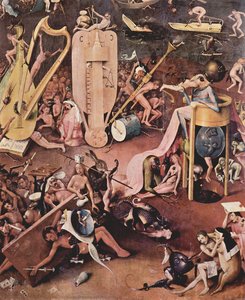
Hieronymus Bosch’s “Ecce Homo,” painted in 1475, is not merely a depiction of the crucifixion; it’s a visceral plunge into the anxieties and moral complexities of late medieval Europe. This arresting image, rendered in tempera on wood panel, immediately confronts the viewer with an unsettling tableau – a scene of profound sorrow and bewildered horror surrounding the figure of Christ. Bosch, a master of psychological realism and symbolic density, doesn't offer a straightforward narrative of sacrifice; instead, he presents a fragmented, almost hallucinatory experience, reflecting the turbulent spiritual climate of his time.
The painting’s setting is deceptively simple: a brick wall, likely representing the Roman edge of Jerusalem, serves as a stark backdrop to the drama unfolding before it. A small crowd gathers – soldiers in gleaming armor, their faces etched with confusion and perhaps even fear; priests and monks, their expressions a mixture of grief and contemplation; and ordinary citizens, frozen in moments of stunned disbelief. The central figure of Christ, hanging on the cross, is not idealized or serene. His face, rendered with an almost brutal honesty, bears the marks of suffering – wounds, contusions, and a palpable sense of agony. It’s this unflinching portrayal of human vulnerability that anchors the scene and elevates it beyond a simple religious illustration.
The Language of Symbolism: Decoding Bosch's Visual Vocabulary
Bosch was renowned for his intricate use of symbolism, and “Ecce Homo” is a prime example. The swords scattered across the foreground are not simply indicators of violence; they represent the betrayal and bloodshed inherent in Christ’s sacrifice. The presence of animals – a dog licking the feet of Christ (a common symbol of repentance), and a monkey grasping a sword – adds layers of meaning, hinting at the corruption and moral decay within society. The figures themselves are often ambiguous, their gestures and expressions open to multiple interpretations. Some scholars believe the woman pointing at Christ is Mary Magdalene, while others see her as representing the collective grief of humanity. Even the brick wall itself can be interpreted as a barrier between the earthly realm and the divine, emphasizing the separation between God and man.
Furthermore, Bosch’s distinctive style – characterized by meticulous detail, vibrant colors (though faded over time), and an unsettling blend of realism and fantasy – contributes significantly to the painting's emotional impact. The figures are rendered with a remarkable degree of naturalism, yet their expressions and postures convey a sense of unease and disorientation. The background is filled with bizarre, dreamlike imagery—a small, grotesque figure seemingly observing the scene from above—further enhancing the painting’s surreal quality.
Technique and Context: A Master at Work
Bosch's technique in “Ecce Homo” reveals a skilled artist deeply rooted in the traditions of Netherlandish painting. He employed tempera on wood panel, a medium known for its luminosity and durability. The meticulous detail evident in the rendering of the figures’ clothing, armor, and facial features demonstrates his mastery of observation and representation. However, Bosch pushed beyond mere imitation; he used these techniques to create a world imbued with symbolic meaning and psychological depth.
Painted around 1475, “Ecce Homo” reflects the anxieties prevalent in Europe during this period – a time of religious upheaval, political instability, and growing social unrest. The Black Death had ravaged the continent just decades earlier, leaving a deep scar on the collective psyche. Bosch’s art often explored themes of sin, damnation, and the perils of earthly life, reflecting a widespread sense of moral uncertainty. “Ecce Homo” stands as a powerful testament to this era, offering a haunting glimpse into the spiritual and emotional landscape of 15th-century Europe.
TopImpressionists offers exquisite, hand-painted reproductions of Hieronymus Bosch’s “Ecce Homo,” meticulously crafted to capture the painting's original beauty and symbolic richness. Bring this extraordinary work of art into your home or office – a captivating conversation piece that invites contemplation and reflection.
Kérdések és válaszok
Milyen reprodukciós méretet javasol a „Ecce Homo”, Hieronymus Bosch alkotása alkotáshoz?
A „Ecce Homo”, Hieronymus Bosch alkotása ajánlott nyomtatási mérete: Large.
Milyen érzéssel párosítható a "Ecce Homo"?
A „Ecce Homo”, Hieronymus Bosch alkotása művészeti alkotás érzelmi tónusa Melancholic. Ez foglalja össze a mű által kifejezett érzést.
Mennyire erős a kontraszt a(z) „Ecce Homo”, Hieronymus Bosch alkotása alkotásban?
A "Ecce Homo" fény-sötét kontrasztja Statement értéket mutat. A kontraszt azt írja le, mennyire térnek el egymástól a világos és sötét részek.
Quick facts and art quiz
About Hieronymus Bosch

Hieronymus Bosch
1450 - 1516, Holland
A művész életrajza
A Netherlandish Enigma: The Life and Art of Hieronymus Bosch
Hieronymus Bosch, eredetileg Jheronimus van Aken, a holland festőművész, akit ma a világ minden táján a szellemi és művészi innovációk mestereiként ismernek. Született 1450-ben ’s-Hertogenboschban, Brabantban – az akkori Hollandia egyik legdinamikusabb városa –, Bosch munkássága egyedülállóan összetett és titokzatos, mely a reneszánszi és a középkorszak elemeit ötvözi. A családja művészettel való hosszú hagyománya – apai nagyszabálya, Jan van Aken, és édesapja, Anthonius van Aken mindketten festők voltak – valószínűleg az ifjabb Bosch számára biztosította a korabeli technikák és stílusok elsajátításának lehetőségét. Ugyanakkor már a legkorai éveiben is eltért a hagyományos vonásoktól, jelezve egy rendkívül kreatív képzeletet, mely meghatározta későbbi művészetét. Bosch életéről kevés információ maradt fenn, a források szinte teljesen hiányosak, ami tovább fokozza a személye és alkotásai körülött kialakuló rejtélyes légkört. Kiderül, hogy feleségül vette Aleyt Goyaerts van den Meerveen-t, de életéről mást nem tudunk róla.Fantastikus Vizuális Világok és Szimbolikus Mélységek
Bosch művészetének azonnal felismerhető jellegét a részletesség és a szokatlanul izzasztó képek keveredése alkotja. Elsősorban olajfestményeket készített, melyek az akkor akkori technikáit tükrözik, fényes színeket és bonyolult textúrákat hozva létre. Bár korai művei befolyásolttatók a holland reneszánszi festészet hagyományait – elsősorban a realisztikus megközelítést és a részletekre való figyelmet –, hamarosan lépett túl az egyszerű utánoztatás fölött, egy mélyen eredeti látásmódot alakított ki. Képei nem csupán valóságot ábrázolnak; allegorikus tájak, melyek bizarr lényekkel, hibrid lényekkel és zavaró jelenetekkel teli – olyanok, mint a rémálmokból származtak. A vallásos témák uralják alkotásait, de gyakran nem egyértelmű bibliai történeteket mutatnak be. Bosch inkább szimbolikus elemeket használ a komplex morális és teológiai kérdések feltárására, gyakran a bűn, az édesatlan örömök törékenysége és a végül bekövetkező Isten ítélése körüli vitákra fókuszálva. A teremtményei – ijesztő démonok, félelemre kelt állatok és furcsa emberi alakok – nem csupán díszítőelemek; ők a rossz sorsát, a szenvedélyt és a lelki korrupciót testesítik meg. A szent és a profán világ keveredése, a széprendő és a groteszk kombinációja egyedülállóan zavaró hatást kelt, melyet ma is csodálkozik a nézők.A Legkiemelkedőbb Művei
Bosch legbefolyásosabb alkotásai közé tartozik A Földi Paradicsom kertje (c. 1490-1510), egy triptichon, mely a művészettörténet egyik legrejtettebb és legvitát ébresztőbb alkotása. A megnyitásakor egy paradicsomi látványt nyújt, mely tele van bizarr lényekkel és zöldellő növényzetet, de az alsó panelben egy szenzációra hajlamos, örömvadász világot ábrázol, míg a jobb oldali panel pedig a pokol ijesztő látleleteit mutatja be. A triptichon nem csupán egy egyszerű kép, hanem egy összetett alegória az emberi alkuról. A Legutóbbi ítélet (c. 1480-1490) pedig a mennyei boldogságot és az égő pokol démonikus jeleneteit mutatja be. A kisebb méretű alkotások, mint például Az Építkező (c. 1495), szintén kiemelkednek Bosch innovatív olajfestési technikáival és a komplex szimbolikával, melyek egy olyan gondolkodó fejét tükröznek, aki folyamatosan foglalkozott hitbeli, erkölcsi és pszichológiai kérdésekkel.Hagyatéka és Folyamatos Hatása
Bosch hatásának azonosítása nehéz feladat, hiszen a művész látásmódja egyedülálló. A történészek többek között a középkorszak folklorikus elemeit, vallási szövegeket – különösen az apokalipszis témájú írásokat –, és az időszak jellemző aggodalmakat, mint például a herettség és társadalmi felzárkóztatást vették figyelembe. Azonban egyértelműen kijelenthető, hogy ezeket a tényezőket ötvözte Bosch, így létrehozva valami teljesen újat és egyedülállóat. Művészetének hatása kétségbeesett. Pieter Bruegel the Elder közvetlenül követte nyomát, hasonló témákat és kompozíciós technikákat alkalmazva, míg későbbi művészeti mozgalmak, mint például a szürrealizmus is merített Bosch álomszerű képeiből és a tudatvizsgálás megközelítéséből. Művei ma is vonzzák a figyelmet és felvetik a kérdéseket, biztosítva Bosch helyét a holland festészet mesterek között és egy olyan művésznek, akinek hatása messze túlmutat az életére. Képei értékes betekintést nyújtanak a 15. század végének és a 16. század elejének vallási, társadalmi és pszichológiai légkörébe, kihívva a hagyományos normákat és újakra irányítva az expresszió formáit.Quick facts about Hieronymus Bosch
- Artistic Movement Or Style: Surrealizmus, Szimbolizmus
- Artists Or Movements Influenced By This Artist: ['Pieter Bruegel']
- Date Of Birth: c. 1450
- Date Of Death: 1516
- Full Name: Hieronymus Bosch
- Nationality: Hollandi
- Notable Artworks:
- A földiek öröme
- Az utolsó ítélet
- Krisztus keresztén jár
- Place Of Birth: Den Bosch, Holland
Fedezze fel a műalkotásokat témák, stílusok és jellemzők szerint csoportosítva.




Hieronymus Bosch
Ecce Homo
() ·
With its frame: · Hand-painted in oil on linen
Total