

Shown: · With its frame:
 Megtekintés
 Küldés
 Megosztás
 Részletek
 Útmutató

 Letöltés
 Hasonló darabok
 X-ray felvétel
 Diavetítés
 Q&A
Q&A Statisztika
- 86.0 x 29.0 cm


Ft 88091
Kézzel készített olajfestmény reprodukció
Kézzel festett olajvastú vászon, az Ön által választott méretben és keretben, művészeink készítik meglévőre. ( Váltás nyomtatványra Áttérés digitális képre)
Size
·Standard méret
egyedi méretű
CM
INCH
Válasszon előre meghatározott méreteink közül, amelyek megfelelnek a műalkotás eredeti arányainak.
Loading sizes...

szélesség
magasság
Írja be a kívánt szélességet és magasságot, hogy illeszkedjen a keretéhez vagy a falához. Mivel ez kézzel festett alkotás, egy eltérő formájú méret esetén a művész akár festhet is valamivel többet a kép körül, vagy korolathat is belőle — az Ön döntésének megfelelően. A festés megkezdése előtt küldünk egy digitális tervezetet jóváhagyásra. Az oldalon látható kép nem tartalmazza a végeredményt — csak a tervezet mutatja meg a valódi eredményt.
 További információk
Finish
·
White Ft1

Blurside Ft1

Extended Ft1

P118B Ft10

P118H Ft10

P118W Ft10

P438Z Ft10

P508JH Ft12

P508YH Ft12

P805H Ft10

P805Z Ft10

P919BZ Ft10

P919G Ft10

P919XJ Ft10

P959ZH Ft10

P968JZ Ft12

W106C Ft8

W218G Ft10

W218JH Ft8

W218Y Ft10

W307PJ Ft10

W316G Ft10

W316PJ Ft8

W316Y Ft10

W398PJ Ft8

W4111J Ft10

W500HY Ft15

W500JH Ft15

W692G Ft12

W849H Ft8

W940BG Ft15

W953PJ Ft8

H24-GOLD Ft30

H24-SILVER Ft30

H36-GOLD Ft45

H36-SILVER Ft45
Shipped in a protective tube, ready for your own framer.
Above 105 cm the frame is shipped as a kit for a professional framer — read the details.
Extras
optionalWhat do the extras include?
Examples of what can be changed: Replace face with customer photo; Add pet (e.g., replace cat with dog); Include hidden message in background; Change background landscape or elements.
After order, TopImpressionists.com team will email client for instructions and provide a mockup preview
After order, TopImpressionists.com team will email client for instructions and provide a mockup preview
Világszerte elérhető szállítás () 3-4 hét alatt a szokásos 5 hét helyett. (1 november). A minőség nem kérdőjelezhető.
Védőréteg (Lakk)
Névtábla
A gravírozott bronztábla részletei
This elegant plaque features the artist's name and the title of the artwork, finely engraved for a timeless presentation.
It is made from bronze with a refined, elegant finish. The text is precisely laser-engraved for a sharp and permanent result. Measuring 9x2 cm, the plaque is compact yet easy to read. It's built to be durable and scratch-resistant, offering a professional, museum-quality look. Mounting is simple thanks to the included adhesive backing.
Átlátszó akril tábla részletei
The plaque includes essential engraved details such as the artist's name, the title of the artwork, the date it was created, the type of media used-like oil on canvas or watercolor-a brief description of the piece, and a QR code that links to the complete artwork information.
It is crafted from clear acrylic, offering a sleek, modern appearance. The text is UV-engraved in black to ensure strong visual contrast. With a size of 10x15 cm, it ensures optimal readability. It comes equipped with two metal hooks for secure wall mounting. The plaque is designed to be weather-resistant, making it suitable for various environments, and it includes interactive features that work seamlessly with smartphone scanning.
Fekete akril tábla részletei
This elegant plaque includes engraved information such as the artist's name, the title of the artwork, the date it was created, the type of media used (like oil on canvas or watercolor), a short description of the artwork, and a QR code for quick access to more information.
The plaque itself is made from refined black acrylic with a premium finish. The text is laser-engraved in white for high contrast and readability. Its size is 10x15 cm, designed to be easy to read. It comes with two metal hooks for professional mounting. The design is sleek and fits any interior style. It is also weather-resistant and durable, with built-in digital integration for mobile compatibility.
Az üvegkeretes opció csak 110 cm alatti méretben érhető el
 Az üvegkeretes opció csak 110 cm alatti méretben érhető el
- Ingyenes globális expressz szállítás
- Prémium minőségű len vászon
- Teljes körű szállítási biztosítás
- Vámvisszatérítési Garancia
- Hiteles színarányosság garancia
- 100 napos visszaküldési lehetőség (csak hibás termékek esetén)
- 100% pénzvisszatérítési garancia
- Több darab vásárlásakor kedvezmény


A gyűjtemény leírása
A művész életrajza
Bosch Hieronymus (1450-1516): A rejtélyes holland festő, akinek szürreális, jelképes alkotásai a halál, a bűn és a remény témáit ábrázolják. Egy igazi művészettörténeti zseni!
About the painting
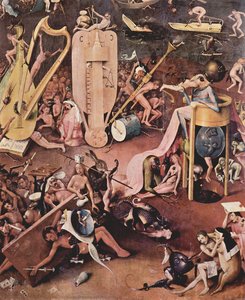
A Vision of Wilderness Faith: Exploring Bosch’s Hermit Saints Triptych (Right Panel)
The Right Panel of Hieronymus Bosch's monumental *Hermit Saints Triptych*, completed around 1505, stands as a haunting testament to the anxieties and spiritual complexities of Renaissance Europe. More than just a depiction of biblical figures—Saint Jerome and Saint Augustine—Bosch’s masterful rendering captures a profound psychological landscape that continues to fascinate scholars and inspire artists today. This section delves into the painting's captivating narrative and artistic brilliance.The Scene: A Precarious Encounter
Painted in oil on panel, the triptych presents a dramatic tableau set within a claustrophobic cave illuminated by an unsettling greenish glow. At its center stands Saint Jerome, depicted with unwavering resolve as he confronts a grotesque creature—likely representing demonic influence—that attempts to intimidate him. Beside him is Augustine, equally steadfast, gazing intently at the same monstrous apparition. The positioning of these saints isn’t merely formal; it underscores their struggle against temptation and evil, mirroring the internal battles faced by individuals grappling with faith during this turbulent period. Bosch meticulously portrays the scene with unsettling realism, capturing not just physical details but also palpable tension.Bosch's Technique: Anatomical Precision Meets Surreal Horror
Bosch’s unparalleled skill lies in his ability to fuse anatomical accuracy—a hallmark of Netherlandish painting—with elements of fantastical horror and symbolic imagery characteristic of his distinctive style. The artist employs a glazing technique, layering thin washes of pigment over thicker underpaintings to achieve remarkable luminosity and depth. Notice the subtle gradations of color that define Augustine’s robe and Jerome’s face, demonstrating Bosch's meticulous attention to detail. However, this technical mastery serves a larger purpose: it amplifies the unsettling atmosphere of the cave and underscores the grotesque nature of the demonic presence. The artist utilizes chiaroscuro—the dramatic interplay of light and shadow—to heighten the sense of drama and emphasize the psychological torment experienced by the saints.Historical Context: Fear, Faith, and the Shadow of Darkness
Bosch’s *Hermit Saints Triptych* emerged during a time marked by significant religious upheaval. The Protestant Reformation was gaining momentum across Europe, challenging papal authority and sparking intense debates about theological doctrines. Simultaneously, anxieties surrounding demonic influence persisted—fueled by folklore and popular piety—reflecting a broader cultural preoccupation with evil and salvation. Bosch’s depiction of the cave and its monstrous inhabitant speaks directly to these concerns, portraying humanity's vulnerability before divine judgment and highlighting the pervasive threat of temptation. The painting serves as a powerful visual commentary on the spiritual struggles of the era.Symbolism: Decoding the Monstrous Gestures
The creature confronting Saint Jerome and Augustine is laden with symbolic significance. Scholars interpret it as representing sin, corruption, and the devil’s relentless assault on human virtue. Its grotesque features—twisted limbs, gaping maw, and piercing eyes—are deliberately designed to evoke horror and provoke contemplation. The cave itself symbolizes purgatory or hell—a place of torment and purification—where souls confront their failings before ascending to heaven. Bosch's masterful use of symbolism elevates the painting beyond mere representation, inviting viewers to engage in a deeper exploration of moral and spiritual themes.Emotional Impact: A Portrait of Inner Conflict
Ultimately, Bosch’s *Hermit Saints Triptych* transcends its formal elements to convey a profound emotional resonance. The painting captures the essence of existential anxiety—the awareness of mortality and the confrontation with evil—themes that resonate powerfully across centuries. It compels us to contemplate the fragility of human faith in the face of overwhelming darkness, prompting reflection on our own spiritual journeys. This reproduction offers an opportunity to experience the unsettling beauty and enduring intellectual significance of one of Bosch’s most iconic works.Kérdések és válaszok
Megtekinthetem a "Hermit Saints Triptych (right panel)" alkotást részletesebben?
A „Hermit Saints Triptych (right panel)”, Hieronymus Bosch alkotása X-ray felvétel oldala egy interaktív nézegető, amely lehetővé teszi a mű alkotásának eleven optikai rétegei közötti görgetést, beleértve az röntgenszerű felvételt is.
Megtekinthető a "Hermit Saints Triptych (right panel)" teljes képernyős diaporámaként is?
Elérhető egy diaváltó: a Diaváltás oldala a(z) „Hermit Saints Triptych (right panel)”, Hieronymus Bosch alkotása alkotáshoz.
Milyen színharmóniát mutat be „Hermit Saints Triptych (right panel)”, Hieronymus Bosch alkotása?
A „Hermit Saints Triptych (right panel)”, Hieronymus Bosch alkotása színei Strong Color Unity harmóniát mutatnak be. A harmónia azt írja le, hogyan kapcsolódnak egymáshoz a színek.
Quick facts and art quiz
About Hieronymus Bosch

Hieronymus Bosch
1450 - 1516, Holland
A művész életrajza
A Netherlandish Enigma: The Life and Art of Hieronymus Bosch
Hieronymus Bosch, eredetileg Jheronimus van Aken, a holland festőművész, akit ma a világ minden táján a szellemi és művészi innovációk mestereiként ismernek. Született 1450-ben ’s-Hertogenboschban, Brabantban – az akkori Hollandia egyik legdinamikusabb városa –, Bosch munkássága egyedülállóan összetett és titokzatos, mely a reneszánszi és a középkorszak elemeit ötvözi. A családja művészettel való hosszú hagyománya – apai nagyszabálya, Jan van Aken, és édesapja, Anthonius van Aken mindketten festők voltak – valószínűleg az ifjabb Bosch számára biztosította a korabeli technikák és stílusok elsajátításának lehetőségét. Ugyanakkor már a legkorai éveiben is eltért a hagyományos vonásoktól, jelezve egy rendkívül kreatív képzeletet, mely meghatározta későbbi művészetét. Bosch életéről kevés információ maradt fenn, a források szinte teljesen hiányosak, ami tovább fokozza a személye és alkotásai körülött kialakuló rejtélyes légkört. Kiderül, hogy feleségül vette Aleyt Goyaerts van den Meerveen-t, de életéről mást nem tudunk róla.Fantastikus Vizuális Világok és Szimbolikus Mélységek
Bosch művészetének azonnal felismerhető jellegét a részletesség és a szokatlanul izzasztó képek keveredése alkotja. Elsősorban olajfestményeket készített, melyek az akkor akkori technikáit tükrözik, fényes színeket és bonyolult textúrákat hozva létre. Bár korai művei befolyásolttatók a holland reneszánszi festészet hagyományait – elsősorban a realisztikus megközelítést és a részletekre való figyelmet –, hamarosan lépett túl az egyszerű utánoztatás fölött, egy mélyen eredeti látásmódot alakított ki. Képei nem csupán valóságot ábrázolnak; allegorikus tájak, melyek bizarr lényekkel, hibrid lényekkel és zavaró jelenetekkel teli – olyanok, mint a rémálmokból származtak. A vallásos témák uralják alkotásait, de gyakran nem egyértelmű bibliai történeteket mutatnak be. Bosch inkább szimbolikus elemeket használ a komplex morális és teológiai kérdések feltárására, gyakran a bűn, az édesatlan örömök törékenysége és a végül bekövetkező Isten ítélése körüli vitákra fókuszálva. A teremtményei – ijesztő démonok, félelemre kelt állatok és furcsa emberi alakok – nem csupán díszítőelemek; ők a rossz sorsát, a szenvedélyt és a lelki korrupciót testesítik meg. A szent és a profán világ keveredése, a széprendő és a groteszk kombinációja egyedülállóan zavaró hatást kelt, melyet ma is csodálkozik a nézők.A Legkiemelkedőbb Művei
Bosch legbefolyásosabb alkotásai közé tartozik A Földi Paradicsom kertje (c. 1490-1510), egy triptichon, mely a művészettörténet egyik legrejtettebb és legvitát ébresztőbb alkotása. A megnyitásakor egy paradicsomi látványt nyújt, mely tele van bizarr lényekkel és zöldellő növényzetet, de az alsó panelben egy szenzációra hajlamos, örömvadász világot ábrázol, míg a jobb oldali panel pedig a pokol ijesztő látleleteit mutatja be. A triptichon nem csupán egy egyszerű kép, hanem egy összetett alegória az emberi alkuról. A Legutóbbi ítélet (c. 1480-1490) pedig a mennyei boldogságot és az égő pokol démonikus jeleneteit mutatja be. A kisebb méretű alkotások, mint például Az Építkező (c. 1495), szintén kiemelkednek Bosch innovatív olajfestési technikáival és a komplex szimbolikával, melyek egy olyan gondolkodó fejét tükröznek, aki folyamatosan foglalkozott hitbeli, erkölcsi és pszichológiai kérdésekkel.Hagyatéka és Folyamatos Hatása
Bosch hatásának azonosítása nehéz feladat, hiszen a művész látásmódja egyedülálló. A történészek többek között a középkorszak folklorikus elemeit, vallási szövegeket – különösen az apokalipszis témájú írásokat –, és az időszak jellemző aggodalmakat, mint például a herettség és társadalmi felzárkóztatást vették figyelembe. Azonban egyértelműen kijelenthető, hogy ezeket a tényezőket ötvözte Bosch, így létrehozva valami teljesen újat és egyedülállóat. Művészetének hatása kétségbeesett. Pieter Bruegel the Elder közvetlenül követte nyomát, hasonló témákat és kompozíciós technikákat alkalmazva, míg későbbi művészeti mozgalmak, mint például a szürrealizmus is merített Bosch álomszerű képeiből és a tudatvizsgálás megközelítéséből. Művei ma is vonzzák a figyelmet és felvetik a kérdéseket, biztosítva Bosch helyét a holland festészet mesterek között és egy olyan művésznek, akinek hatása messze túlmutat az életére. Képei értékes betekintést nyújtanak a 15. század végének és a 16. század elejének vallási, társadalmi és pszichológiai légkörébe, kihívva a hagyományos normákat és újakra irányítva az expresszió formáit.Quick facts about Hieronymus Bosch
- Artistic Movement Or Style: Surrealizmus, Szimbolizmus
- Artists Or Movements Influenced By This Artist: ['Pieter Bruegel']
- Date Of Birth: c. 1450
- Date Of Death: 1516
- Full Name: Hieronymus Bosch
- Nationality: Hollandi
- Notable Artworks:
- A földiek öröme
- Az utolsó ítélet
- Krisztus keresztén jár
- Place Of Birth: Den Bosch, Holland
Fedezze fel a műalkotásokat témák, stílusok és jellemzők szerint csoportosítva.




Hieronymus Bosch
Hermit Saints Triptych (right panel)
() ·
With its frame: · Hand-painted in oil on linen
Total