Küldés
 Megosztás
 Részletek
 Útmutató

 Letöltés
 Hasonló darabok
 Diavetítés
 Q&A
Q&A Statisztika
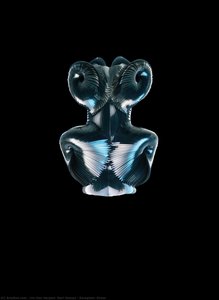
Mummification, Dress


Iris van Herpen's 'Mummification, Dress' is a stunning sculptural fashion piece blending technology and nature. Explore intricate layers, crystalline forms, and a hauntingly beautiful exploration of transformation.
 Összes részlet megjelenítése
Iris van Herpen: holland haute couture tervező, aki a divatot technológiával és tudománnyal ötvözi. Fedezze fel szobrászati 3D-nyomtatott ruháit, Neri Oxmannal való együttműködéseit és avantgarde alkotásait.
Az ezen az oldalon megjelenített műalkotások szerzői jogi védelem alatt állnak, ami azt jelenti, hogy törvényileg nem készíthetünk és nem adhatunk el belőlük pontos másolatokat. Ez a védelem olyan nemzetközi megállapodások alapján érvényesül, mint például a Berni Egyezmény és a nemzeti jogszabályok által, beleértve azokat is, amelyeket meghatározott Az USA szerzői jogi törvénye – 17. cím.
Ez a módszer teljes mértékben megfelel a szerzői jogi szabályozásnak, mivel nem tartalmazza a védett műalkotás másolását vagy duplikálását. Ehelyett ez egy kreatív újinterpretáció – egy új festmény, amely az eredetivel való összefüggései miatt hatással van rá, de nem az az.
Giclée / Műnyomat
Múzeumi minőségű giclée vagy vászonnyomat, gyors gyártással és rugalmas finomítási lehetőségekkel. ( Kézzel festett másolat rendelése Áttérés digitális képre)




































Standard méret
egyedi méretű
CM
INCH
Válasszon előre meghatározott méreteink közül, amelyek megfelelnek a műalkotás eredeti arányainak.
Loading sizes...

szélesség
magasság
Írja be a keretének vagy a falának megfelelő szélességet és magasságot. A nyomatot csak le lehet vágni, soha nem tehető nagyobbá, mint az eredeti kép, így egy eltérő alakú méretnél a kép egy része elveszik. Mielőtt bármit kinyatintanánk, küldünk egy digitális próbamodellt jóváhagyásra. Az oldalon látható kép nem tartalmazza a valós levágást — ezt csak a próbamodell mutatja meg.
Világszerte történő kiszállítás területére mindössze 2 hét alatt, a szokásos 4-5 hét helyett. (2 november)

Ingyenes globális expressz szállítás

Prémium minőségű len vászon

Teljes körű szállítási biztosítás

Vámvisszatérítési Garancia

Hiteles színarányosság garancia

100 napos visszaküldési lehetőség (csak hibás termékek esetén)

100% pénzvisszatérítési garancia

Több darab vásárlásakor kedvezmény
 Az üvegkeretes opció csak 110 cm alatti méretben érhető el

Mummification, Dress
Giclée / Műnyomat
Reprodukció mérete
-


Összesített ár
Ft 22596
The Sculptural Echo of Time: Iris van Herpen’s “Mummification, Dress”
Iris van Herpen's "Mummification, Dress" isn’t merely a garment; it’s a meticulously crafted meditation on the cyclical nature of existence, a visual poem exploring themes of preservation, decay, and rebirth. Created in 2009 in collaboration with Neri Oxman, this piece transcends the boundaries of fashion, firmly establishing itself within the realm of sculptural art. The photograph captures a moment frozen in time – a dress seemingly emerging from an ancient tomb, its intricate layers hinting at rituals long past. The stark black background amplifies the work’s dramatic intensity, forcing the viewer to confront the sheer complexity and otherworldly beauty of the design.
Van Herpen's genius lies not just in her aesthetic vision but in her masterful integration of technology and traditional craftsmanship. The dress itself is a testament to this fusion – constructed from layers of shimmering fabrics, meticulously arranged beads, and perhaps even delicate metallic elements, all brought together through advanced fabrication techniques. Oxman’s influence is particularly evident in the piece's structural design; drawing inspiration from biological forms and processes, it evokes the intricate patterns found within fossilized remains or the protective shells of ancient creatures. The deliberate fragmentation of form mirrors the process of mummification itself – a careful layering and preservation intended to transcend mortality.
Deconstructing Form: Lines, Shapes, and Texture
A close examination reveals a masterful manipulation of visual elements. Sharp, angular lines define the dress’s structural core, creating a sense of crystalline geometry that contrasts sharply with the flowing curves of the skirt. This juxtaposition speaks to the inherent tension between rigidity and fluidity – mirroring the delicate balance between preservation and decay. The shapes themselves are a captivating blend of organic and geometric forms; the layered elements suggest scales or overlapping petals, while the overall structure maintains a distinctly architectural quality. The surface is anything but smooth; it’s a rich tapestry of textures—a deliberate layering that invites tactile exploration even within the still image. This complexity isn't accidental; it reflects the intricate processes involved in both mummification and the creation of this extraordinary garment.
Illumination and Perspective: A Dramatic Stage
The lighting is crucial to the work’s impact, acting as a sculptor’s tool to highlight form and create atmosphere. The directional light source, positioned slightly above and in front of the dress, casts dramatic shadows that accentuate its three-dimensional structure. These shadows aren't merely absences of light; they actively shape our perception, emphasizing the intricate details and creating a sense of depth and mystery. The relatively straightforward perspective – a frontal view – allows the viewer to fully immerse themselves in the dress’s complexity, appreciating the sheer scale and detail of its construction. The photograph feels less like a simple portrait and more like a carefully staged tableau, inviting us to contemplate the story it silently tells.
Echoes of Antiquity: Symbolism and Legacy
The title, “Mummification, Dress,” immediately establishes a powerful symbolic connection to ancient Egyptian practices. It’s not simply about preserving clothing; it's about safeguarding memory, identity, and the essence of a life lived. The dress becomes a vessel for these intangible qualities, suggesting that beauty and artistry can transcend time itself. Furthermore, the work subtly references the concept of metamorphosis – the transformation from one state to another. This echoes the core principles of mummification, where the deceased were prepared for an afterlife journey, undergoing a profound physical and spiritual change. “Mummification, Dress” is therefore not just a beautiful object; it’s a poignant reminder of our own mortality and the enduring power of art to capture and preserve moments in time.
Kérdések és válaszok
Milyen felhasználásra javasolt a „Mummification, Dress”, Iris Van Herpen, Neri Oxman alkotása?
A „Mummification, Dress”, Iris Van Herpen, Neri Oxman alkotása reprodukcióját Statement célokra javasoljuk. Ez a javaslat a mű témájából, hangulatából és színeiből adódik.
Van-e rozšíngtott valóság (AR) előnézete a(z) "Mummification, Dress" alkotásnak?
A „Mummification, Dress”, Iris Van Herpen, Neri Oxman alkotása Kiterjesztett valóság előnézet oldala kiterjesztett valóságot használ, hogy az alkotást egy kompatibilis eszközön, az Ön saját környezetében is megmutassa.
A „Mummification, Dress” művészeti alkotás mentes a szerzői jogoktól?
A „Mummification, Dress”, Iris Van Herpen, Neri Oxman alkotása még szerzői jog védi státuszú mű. Ez a jogi státusz határozza meg, hogy a mű képmásolata hogyan reproduzható.
A művész életrajza
A Couture és a Kód Konvergenciája: Iris van Herpen Világa
Iris van Herpen művészeti pályatja, amely 1984-ben indult el a nyugodt holland faluban, Wegmondban, minden Hins távol állt a konvencionálisraktól. Bár kezdetben a klasszikus ballet szigorához vonódott, hamar rájött, hogy az öltözetmetszés egy sokkal tágasabb vászon lehet fejlődő kreativitásának – egy olyan birodalomnak, ahol a mozgás, a forma és a textúra teljesen új dologgá ötszülődhet. A tánc precizitása és fizikai jelensége erre a korai tapasztalatra építve mélyrehatóan formálta esztétikáját, beleöntve magába azt a mély megértést, hogy a ruházat hogyan lép interakcióba a testtel, és hogłym befolyásolja annak kifejezésmódját. Miután Arnhem Artez Intézetében végezett 2006-ban, van Herpen nem csupán belépett a divat világába; ő újraindítani kívánt azt. Saját nevét viselő márkája 2007-ben debütált, és rögtön megkülönböztette magát, nem az établi trendek követésével, hanem az innováció és az kísérletezés radikális befogadásával.Szobrászat fénnyel és technológiával
Van Herpen munkássága meghaladja a haute couture hagyományos határait, elhomályosítva a vonalakat a divat, a művészet és a tudomány között. Olyan úttörő technológiai megoldások használatááról ismert, mint a 3D-nyomtatás, a lézerarándolás és a szokatlan anyagok alkalmazása, létrehozva olyan darabokat, amelyeket nem toliko „viselünk”, mint inkább lakunk. Ezek nem egyszerűen ruhák; ezek viselhető szobrok, bonyolult konstrukciók, amelyek úgy tűnnek, mintha legyőznék a gravitációt, és kihívnák formatudatunkat. Kreációi gyakran idézik a természet világát, inspirációt merítve a biomimetikából, az emberi anatómiából és a komplex tudományos jelenségekből. A tengeri élőlények finom szerkezete, az idegrendszer bonyolultsága vagy a geológiai formációk mintázata szolgál alapanyagul lenyűgöző alkotásaihoz. Alapvető eleme képessége, hogy áttetsző és reflektív anyagok használatával manipulálja a fényt és az árnyékot, létrehozva egy eterikus minőséget, amely szinte másvilági szépséggel árasztja be darabjait. Az öltözetek úgy tűnnek, mintha lélegeznének és fejlődnének a viselővel együtt, saját fizikai lényegünk kiterjesztéseivé válva.Elismerés és maradandó örökség
Iris van Herpen munkásságának hatása széles körben elismert a divatiparban és azon túl is. 2011-ben meghívták, hogy vendégtagjaként csatlakozzon a prestigiózus párizsi Chambre Syndicale de la Haute Couture-hoz – ami rendkívüli tehetségének és innovatív megközelítésének bizonyítéka. Kreációi megjelentek a Párizsi Divat Hét felhadején, és világszerte neves múzeumokban kiállították őket, többek között a New York-i Metropolitan Museum of Art-ban, a Londoni Victoria & Albert Museumban és a Párizsi Palais de Tokyo-ban. Számos díj és elismerés tovább igazolja hozzájárulását a divathoz és a designhoz. De talán van Herpen legmaradandóbb öröksége az úttörő szerepe lesz: egy olyan forradalmi alak, aki megkérdőjelezte a ruházati konstrukció hagyományos fogalmát, integrálta a fejlett technológiákat a divatiparba, és áthidalta a szakadékot a művészet, a tudomány és a technológia között. Új generációt inspirál a szokatlan anyagok, technikák és koncepciók felfedezésére, bebizonyítva, hogy a divat több, mint puszta öltözet; ez a művészi kifejezés erőteljes formája és az innováció katalizátora lehet. Munkássága nem csupán arról szól, mit viselünk, hanem arról is, hogyan kapcsolódunk a körülöttünk lévő világhoz, és hogyan képzeljük el magunk a design jövőjét.
Iris Van Herpen, Neri Oxman
1984 - , Hollandia
Rövid információk
- Artistic Movement Or Style: Haute Couture, Techwear
- Artists Or Movements Influenced By This Artist: A jövő divattervezői
- Artists Who Influenced This Artist:
- Alexander McQueen
- Hussein Chalayan
- Date Of Birth: 1984
- Full Name: Iris van Herpen
- Nationality: Holland
- Notable Artworks:
- Synesthesia Dress
- Refinery Smoke
- Micro Dress
- Place Of Birth: Wegmond, Hollandia
Kapcsolódó cikkek

The Enduring Form: Sculpture Across History, Technique & Emotional Resonance
Explore the rich history of sculpture with TopImpressionists. Discover key techniques, influential artists & investment potential for discerning collectors. Expert insights into valuing and collecting timeless masterpieces.

A művészettörténet 10 legikonikusabb bronzszobra – TopImpressionists.com
Fedezze fel a művészettörténet 10 legikonikusabb bronzszobrát! Ismerje meg Rodin, Michelangelo és más mesterek alkotásait. Luxus minőségű reprodukciók otthonába – TopImpressionists.com.

Rembrandt legikonikusabb művei: 25 mestermű a vászonon – TopImpressionists
Fedezze fel Rembrandt van Rijn 25 legikonikusabb művét! Barokk portrék, bibliai jelenetek és önarcképek a Holland aranykorból. Művészeti reprodukciók prémium minőségben – TopImpressionists. Explore the full collection online!

A művészettörténet 10 legikonikusabb bronzszobra – TopImpressionists.com
Fedezze fel a művészettörténet 10 legikonikusabb bronzszobrát! Ismerje meg Rodint, Michelangelót és más mestereket. Luxus minőségű nyomatok otthonába – TopImpressionists.com.

The Enduring Form: Exploring Themes & Techniques in Sculpture Across Historical Periods
Explore the rich history of sculpture from ancient masterpieces to contemporary innovations. Discover key techniques, influential artists & investment potential for discerning art collectors.
Fedezze fel a műalkotásokat témák, stílusok és jellemzők szerint csoportosítva.