

 Előnézet
 Megosztás
 Megosztás
 Részletek
 Útmutató

 Letöltés
 Hasonló darabok
 X-ray felvétel
 Diavetítés
 Statisztika
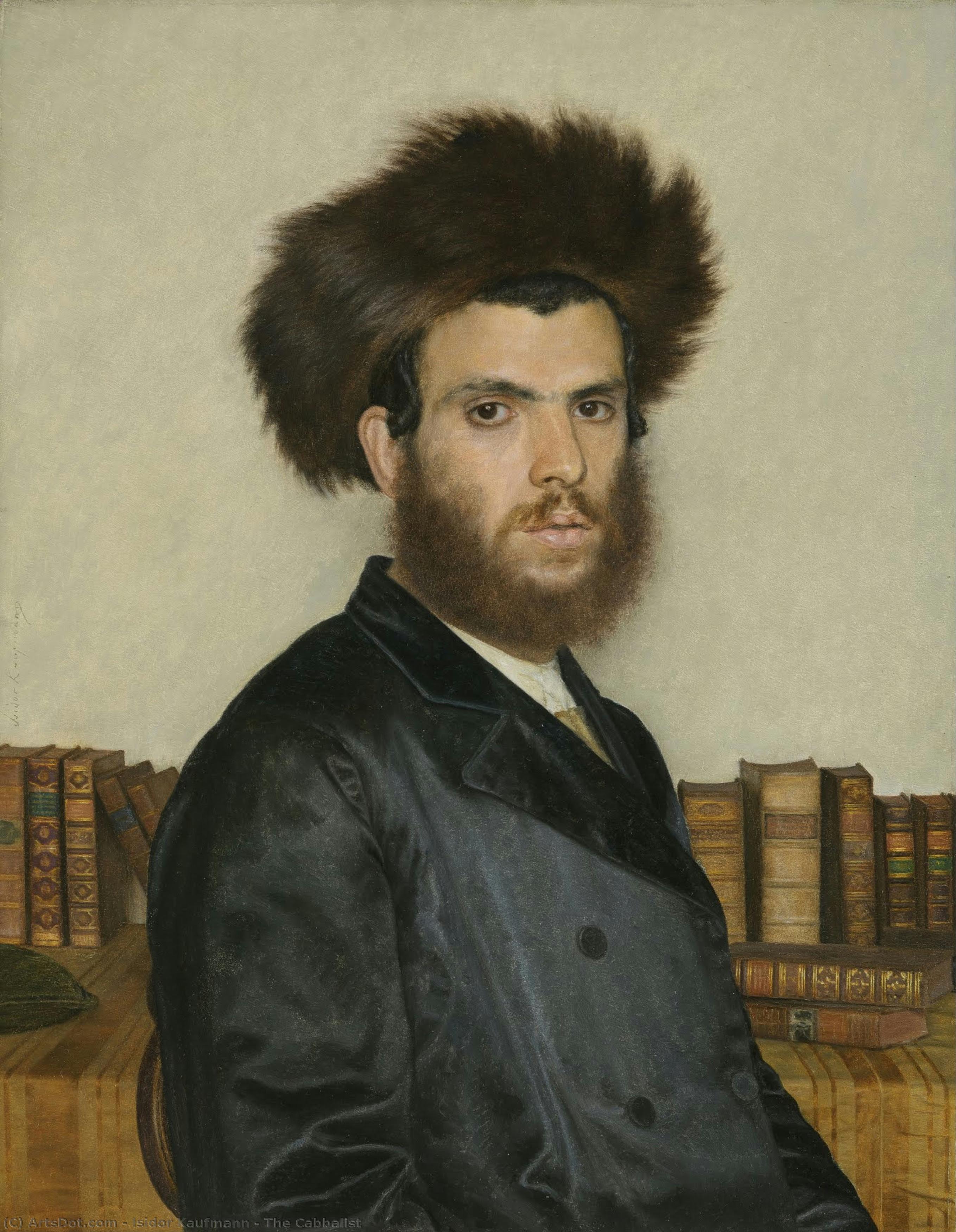
The Cabbalist
 Acrylic On Canvas
- WallArt
- Realism
 1910
1910- 19th Century
 44.0 x 35.0 cm
 The Jewish Museum
A poignant 1910 portrait by Isidor Kaufmann captures a Jewish scholar immersed in Cabbalistic studies, showcasing the artist’s masterful depiction of Hasidic life in Eastern Europe. Discover this evocative artwork and bring its rich history into your space.
 Tovább olvasom
Fedezze fel Isidor Kaufmann megható genre-festményeit Kelet-Európa zsidó életéről. Ismerje meg lenyűgöző műveit, amelyek haszid közösségeket és történelmi pillanatokat ábrázolnak.
Kézzel készített olajfestmény reprodukció
Kézzel festett olajvastú vászon, az Ön által választott méretben és keretben, művészeink készítik meglévőre. ( Váltás nyomtatványra Áttérés digitális képre)




P118B Ft10

P118H Ft10

P118W Ft10

P438Z Ft10

P508JH Ft12

P508YH Ft12

P805H Ft10

P805Z Ft10

P919BZ Ft10

P919G Ft10

P919XJ Ft10

P959ZH Ft10

P968JZ Ft12

W106C Ft8

W218G Ft10

W218JH Ft8

W218Y Ft10

W307PJ Ft10

W316G Ft10

W316PJ Ft8

W316Y Ft10

W398PJ Ft8

W4111J Ft10

W500HY Ft15

W500JH Ft15

W692G Ft12

W849H Ft8

W940BG Ft15

W953PJ Ft8




Standard méret
egyedi
CM
INCH
Válasszon előre meghatározott méreteink közül, amelyek megfelelnek a műalkotás eredeti arányainak.
Loading sizes...

szélesség
magasság
Írja be a kívánt szélességet és magasságot, hogy illeszkedjen a keretéhez vagy a falához. Mivel ez kézzel festett alkotás, egy eltérő formájú méret esetén a művész akár festhet is valamivel többet a kép körül, vagy korolathat is belőle — az Ön döntésének megfelelően. A festés megkezdése előtt küldünk egy digitális tervezetet jóváhagyásra. Az oldalon látható kép nem tartalmazza a végeredményt — csak a tervezet mutatja meg a valódi eredményt.
Példák arra, mit lehet módosítani: az arc kicserélése az ügyfél fotójára; háziállat hozzáadása (pl. macska helyett kutya); rejtett üzenet elhelyezése a háttérben; a háttér tájának vagy elemeinek megváltoztatása.
A rendelést követően a TopImpressionists.com csapata e-mailt küld az ügyfélnek az instrukciókért, és biztosít egy előnézeti képet (mockup).
A rendelést követően a TopImpressionists.com csapata e-mailt küld az ügyfélnek az instrukciókért, és biztosít egy előnézeti képet (mockup).
Világszerte elérhető szállítás () 3-4 hét alatt a szokásos 5 hét helyett. (21 október). A minőség nem kérdőjelezhető.

Ingyenes globális expressz szállítás

Prémium minőségű len vászon

Teljes körű szállítási biztosítás

Vámvisszatérítési Garancia

Tökéletes színarányosság garancia

100 napos visszaküldési garancia (csak gyártási hibás termékek esetén)

100% pénzvisszatérítési garancia

Több darab vásárlásakor kedvezmény
 Az üvegkeretes opció csak 110 cm alatti méretben érhető el

The Cabbalist
Reprodukciós technika
Reprodukció méretei
-


Összesített ár
Ft 84995
Isidor Kaufmann’s ‘The Cabbalist’: A Window into Eastern European Jewish Life
TopImpressionists presents a meticulously crafted hand-painted reproduction of Isidor Kaufmann's “The Cabbalist,” an arresting portrait painted in 1910 that offers a rare and intimate glimpse into the world of Hasidic scholarship. Measuring 44 x 35 cm, this work transcends a simple likeness; it’s a carefully constructed tableau brimming with symbolic weight and reflecting the profound spiritual life of a community largely untouched by the sweeping changes of the early 20th century.
- Subject & Composition: The painting centers on a man – presumably a ‘Cabbalist,’ as the title suggests – seated in what appears to be a study. His weathered face, framed by a neatly trimmed beard and a worn hat, speaks of years spent immersed in contemplation and learning. The arrangement of books surrounding him isn’t merely decorative; it's a deliberate composition that underscores his intellectual pursuits and connection to ancient wisdom.
- Artistic Style & Technique: Kaufmann’s style is firmly rooted in the traditions of Austro-Hungarian genre painting, characterized by its realism and attention to detail. The brushwork is precise yet imbued with a subtle warmth, suggesting a deep understanding of his subject's character and environment. He employs a muted color palette – predominantly browns, grays, and ochres – which contributes to the painting’s solemn and contemplative mood.
A Portrait of Faith: Historical Context & Kaufmann’s Vision
Painted in 1910, “The Cabbalist” captures a pivotal moment in the history of Hasidic Judaism. Isidor Kaufmann (1853-1921), born in Arad, Romania, dedicated his artistic career to documenting the lives and traditions of these communities, primarily in Poland and Romania. His work emerged during a period of significant social and religious change, as traditional Jewish life faced increasing pressure from modernity. Kaufmann’s portraits weren't simply representations; they were acts of preservation, meticulously recording a way of life on the verge of disappearing.
Born to Hungarian Jewish parents, Kaufmann initially pursued commerce before discovering his true calling in painting. His training at the Landes-Zeichenschule in Budapest and subsequent studies at the Vienna Academy of Fine Arts – though initially met with rejection – ultimately shaped his distinctive artistic voice. He was profoundly influenced by Professor Trenkwald, who guided him toward a more focused approach to depicting Jewish life.
Symbolism & Interpretation
The inclusion of numerous books is laden with symbolic meaning within the context of Kabbalah, the mystical branch of Judaism. These volumes represent not just knowledge but also a connection to generations of scholarship and spiritual tradition. The man’s posture – seated, absorbed in his studies – embodies the contemplative nature of this pursuit. The hat, a traditional Jewish head covering, further reinforces his identity and religious devotion. Kaufmann's ability to capture such nuanced details speaks volumes about his deep respect for his subject and his commitment to portraying authentic Jewish life.
Emotional Impact & Collecting
"The Cabbalist" is more than just a beautiful painting; it’s a poignant reminder of a vanishing world. This hand-painted reproduction offers collectors and interior designers alike the opportunity to own a piece of art history, imbued with spiritual significance and artistic merit. Its evocative depiction of scholarly devotion will undoubtedly add depth and character to any space, serving as a constant source of contemplation and appreciation for the rich tapestry of human culture.
Gyakran Ismételt Kérdések
Mely művészhez köthető a "The Cabbalist"?
A "The Cabbalist" alkotását Kaufmann Isidor készítette. Az ezen az oldalon található információk Kaufmann Isidor eredeti művészetét mutatják be.
„The Cabbalist”, Kaufmann Isidor alkotása színei tel愈tek vagy fakók?
A "The Cabbalist" színpalettájának telítettsége Subtle Color.
Milyen technika és stílus jellemzi „The Cabbalist”, Kaufmann Isidor alkotása alkotást?
A "The Cabbalist" alkotásban a Acrylic On Canvas technika találkozik a Realism irányzattal.
A művész életrajza
Egy eltűnt világ krónikása
Isidor Kaufmann egyedülálló alakként áll az osztrák-magyar művészettörténetben, hírneve a lengyel és románországi haszid közösségek mindennapi életét és spirituális hagyományait ábrázoló megható genre-festményeiben gyökerezik. 1853-ban született Aradon, Magyarországon – ma már Románia része – magyar zsidó szülőnek, művészete olyan szerencsés körülmények között indult el, amely végül arra késztette, hogy a 1rend évszázadának egyik legkiemelkedőbb zsidó kultúra-krónikása legyen. Bár kezdetben kereskedelmi pályát folytatott, valódi hivatása a budapesti Landes-Zeichenschule rövid ideig tartó tanulmányai során bukkant fel. Ez az early szikra élethosszig tartó szenvedélyt gyújtott benne, amely a rangos bécsi Képzőművészeti Akadémiára vezette, ahol az kezdeti nehézségek ellenére Professzor Trenkwald szigorú tanítása alatt csiszolta készségeit.
A bécs vibráló légkörében vált elismert portréfestővé, miközben olyan ragyogó művészek stilisztikai hatásait magába is fogta, mint Joseph Matthäus Aigner. Művészete egy kifinomult akadémikus hagyomány és az impresszionizmus által képviselt fejlődő realizmus ötvözetét tükrözte kezdeni. Ez az egyedülálló technikai alapmétód olyan lehetőséget nyújtott számára, hogy túlmutasson a puszta ábrázoláson, és képes legyen befogni alanyai mély pszichológiai rétegeit és spirituális súlyát is. A chiaroscuro – a fény és az árnyék drámai játéka – mesteri uralmasa stílusának jellegzetessé vált, szinte szent hangulatot kölcsönözve vallásos tanulmányainak és közösségi rituáléinak ábrázolásához.
Császári elismerés egyik remekműve
Kaufmann pályafutásának fordulópontját a monumentális jelentőségű „Der Besuch des Rabbi” (A rabbi látogatása) nevű alkotás jelentette, amely olyan fontos mű volt, hogy I. Ferenc József császár megbízásából készült a Kunsthistorisches Museum számára. Ez a festmény végleges bizonyítéka arra a képességére, amellyel aprmányos részleteket mély érzelmi rezonanciával tudott összefonni. Ezen a vásznon Kaufmann bebizonyította, hogy nem csupán a hagyományok megfigyelője, hanem egy olyan mester, aki képes megragadni az emberi tapasztalás lényegét specifikus kulturális kontextusokon belül is. Ennek a munkának sikere kitartós hírnevet biztosított Európa egészében, olyan művészként jegyzve be nevét, aki képes volt az etnográf témákat a magas művészet csúcspontjaira emelni.
Művészete egy intim tekintetként funkcionál az keleti európai zsidó élet szívébe. Legyen szó egy tudós kontemplatív csendjéről vagy a fiatalság halk intenzitásáról, Kaufmann festményei abba a világba nyitnak ablakot, amely alapvető történelmi változások alatt állt. Fontos alkotásai közé tartozik:
- Schachspieler (Sakkozók): Egy kontemplatív pillanat rituális játékának lenyűgöző ábrázolása, amely mutatja képességét a hétköznapi közösségi interakciók szépségének felfedezésében.
- A kabbalista (The Cabbalist): Egy 1910-es portré, amely egy misztikus tanulmányokba elmerült zsidó tudóst ábrázol, bemutatva az alkotó képességét a spirituális ágyazottság leképezésében.
- Portré egy fiatalemberről (Portrait of a Young Man): Egy 1901-es intim genre-festmény, amely intenzív tekintettel nyújt egy glimpset a kor kulturális identitásába.
- Isidor Gewitsch portréja (Portrait of Isidor Gewitsch): Az akadémikus realizmus mesteri példája, amely egy idős férfi méltóságát és halk gondolkodását örökíti meg időtlen eleganciával.
Örökség és történelmi jelentőség
Isidor Kaufmann történelmi jelentősége vizuális történelmészként töltött szerepében rejlik. Festményei létfontosságú, ébresztő feljegyzésekként szolgálnak a haszid életről és a zsidó hagyományokról Kelet-Európában, azok utolsó, vibráló éveiben, még a 20. század viharai előtt. Pincéjének erejével a nehéz fekete köntösök textúráit, az ősi szövegeken táncoló gyertyafény fényét és a vallási rituálék álenevétségét szinte tapintható tisztaságon keresztül őrizte meg. Kaufmann nem csupán jeleneteket festett; egy kultúra lelkét fogta meg, biztosítva, hogy ezeknek a közösségek méltósága, intellektusát és spirituális gazdagságát az művészettörténet krónikái örökre belevésve maradjon.

Kaufmann Isidor
1853 - 1921 , Románia
Gyors információk
- Artistic Movement Or Style: Genréfestészet
- Artists Or Movements Influenced By This Artist: ['Baron Königswarter Künstler-Preis']
- Artists Who Influenced This Artist: ['Joseph Matthäus Aigner']
- Date Of Birth: 1853
- Full Name: Isidor Kaufmann
- Nationality: Osztrák–magyar
- Notable Artworks:
- Isidor Gewitsch portréja
- Egy fiatal zsidó férfi portréja
- Place Of Birth: Arad, Románia
Kapcsolódó cikkek

TopImpressionists.com F.A.Q.: Discover the Vibrant Beauty of Our Premium Art Poster Prints
Explore the technical excellence of TopImpressionists.com's premium art poster prints. Discover how our 12-color pigment system and archival inks capture the luminous beauty of Impressionist masterpieces with unmatched color fidelity and museum-grade durability for the discerning collector.