


 Előnézet
 Megosztás
 Megosztás
 Részletek
 Útmutató

 Letöltés
 Hasonló darabok
 X-ray felvétel
 Diavetítés
 Statisztika
October
 Oil On Canvas
- WallArt
- Impressionism
 1878
1878- 19th Century
 53.0 x 116.0 cm
Capture the Impressionist mood of Tissot's October (1878) with its elegant woman in black against warm yellow leaves; discover this Parisian masterpiece reproduction today.
 Tovább olvasom
Tissot Jacques Joseph (1836-1902), francia festő, a viktorális társadalom és a bibliai jelenetek mesemestere. Édes fényekkel, részletesen ábrázolt ruhákkel és japán hatásokkal.
Giclée / Műnyomat
Múzeumi minőségű giclée vagy vászonnyomat, gyors gyártással és rugalmas finomítási lehetőségekkel. ( Kézzel festett másolat vásárlása Áttérés digitális képre)




P118B Ft10

P118H Ft10

P118W Ft10

P438Z Ft10

P508JH Ft12

P508YH Ft12

P805H Ft10

P805Z Ft10

P919BZ Ft10

P919G Ft10

P919XJ Ft10

P959ZH Ft10

P968JZ Ft12

W106C Ft8

W218G Ft10

W218JH Ft8

W218Y Ft10

W307PJ Ft10

W316G Ft10

W316PJ Ft8

W316Y Ft10

W398PJ Ft8

W4111J Ft10

W500HY Ft15

W500JH Ft15

W692G Ft12

W849H Ft8

W940BG Ft15

W953PJ Ft8




Standard méret
egyedi
CM
INCH
Válasszon előre meghatározott méreteink közül, amelyek megfelelnek a műalkotás eredeti arányainak.
Loading sizes...

szélesség
magasság
Írja be a keretének vagy a falának megfelelő szélességet és magasságot. A nyomatot csak le lehet vágni, soha nem tehető nagyobbá, mint az eredeti kép, így egy eltérő alakú méretnél a kép egy része elveszik. Mielőtt bármit kinyatintanánk, küldünk egy digitális próbamodellt jóváhagyásra. Az oldalon látható kép nem tartalmazza a valós levágást — ezt csak a próbamodell mutatja meg.
Világszerte történő kiszállítás területére mindössze 2 hét alatt, a szokásos 4-5 hét helyett. (23 október)

Ingyenes globális expressz szállítás

Prémium minőségű len vászon

Teljes körű szállítási biztosítás

Vámvisszatérítési Garancia

Tökéletes színarányosság garancia

100 napos visszaküldési garancia (csak gyártási hibás termékek esetén)

100% pénzvisszatérítési garancia

Több darab vásárlásakor kedvezmény
 Az üvegkeretes opció csak 110 cm alatti méretben érhető el

October
Giclée / Műnyomat
Reprodukció méretei
-


Összesített ár
Ft 22050
The Allure of Autumnal Grace in Tissot's "October"
To gaze upon James Jacques Joseph Tissot’s October is to step directly into a sun-dappled moment of late Parisian life, a scene imbued with the gentle melancholy that only the turning season can evoke. This oil on canvas, painted in 1878, transcends a mere depiction of autumn; it captures an atmosphere—a palpable sense of transition. At its heart stands a captivating figure: a woman clad in the somber elegance of black, her silhouette framed against the warm tapestry of falling foliage. Her downward gaze is not one of shyness, but rather a profound moment of introspection, drawing the viewer into the quiet narrative unfolding around her.
Mastery of Impressionistic Light and Color
Tissot’s technique here is a beautiful marriage between academic precision and the burgeoning spirit of Impressionism. While his training suggests classical structure, the handling of light in October speaks to the movement's core tenets—the celebration of fleeting color and atmospheric effect. The background explodes with yellows and ochres from the scattered leaves, creating a luminous warmth that contrasts exquisitely with the deep blacks of the central figure’s attire. This interplay between shadow and brilliant autumnal glow is what gives the painting its immediate visual poetry. One can almost feel the crisp air and smell the decay mingling with the lingering scent of late summer blooms.
A Glimpse into Parisian Society
Contextually, October serves as a quintessential example of Tissot’s lifelong fascination: the fashionable woman within the tapestry of everyday life. As an artist deeply attuned to the social currents of his time, Tissot chronicled the elegance and subtle dramas of Parisian society. The presence of other, less defined figures in the periphery suggests a bustling world continuing around this moment of quiet contemplation. It speaks to a specific era—the late 19th century—when fashion was an art form and public life unfolded with meticulous grace.
Symbolism and Emotional Resonance for the Modern Collector
The symbolism within the piece is rich, revolving around themes of change, beauty's passage, and introspection. The very title, October, anchors the work to the cyclical nature of existence—a beautiful decline that promises renewal. For the contemporary collector or interior designer, this painting offers more than mere decoration; it provides a focal point of sophisticated mood. Reproducing Tissot’s vision allows one to infuse a space with historical depth and emotional resonance, transforming a room into a gallery moment steeped in autumnal romance.
Acquiring a Piece of Enduring Artistry
To own a reproduction of October is to invite this masterful dialogue between light, fashion, and the seasons into your personal sanctuary. Whether displayed prominently or used as an intimate accent piece, the rich textures and vibrant narrative captured by Tissot ensure that the artwork remains captivating. It is an investment not just in paint and canvas, but in a tangible connection to the artistic heart of Belle Époque Paris.
Gyakran Ismételt Kérdések
Mely korszakban készült a „October”, Jacques Joseph Tissot alkotása?
„October”, Jacques Joseph Tissot alkotása történelmi korszaka 19th Century. Ez a klasszifikáció meghatározza a mű helyét a művészettörténetben.
Megtekinthetném a(z) „October”, Jacques Joseph Tissot alkotása röntgensugárzásos felvételét?
A „October” rétegről rétegre vizsgálható a mű alkotásának X-Ray felvétel oldalán, amely egy restaurátori fényasztal alapján készült interaktív néző, és tizenegyi optikai rétegben mutatja be a képet.
Milyen telítettséget és intenzitást mutat „October”, Jacques Joseph Tissot alkotása?
A "October" színe Balanced Soft telítettségű és Vivid intenzitású.
Hasonló műalkotások


A művész életrajza
Early Life and Artistic Beginnings
Jacques Joseph Tissot, született október 15., 1836-ban Nantes városában, Franciaországban, már a legkorai éveiben volt elkötelezett az művészet iránt. Apja, egy fodrászat kereskedő, nevelte a kézművesi tudást és részletekre való figyelmet – tulajdonságokat, amelyek mélyen befolyásolták művészi látását. Anyja, pedig egy szőnmellér, finomlásra és divatra adott teret, bevezette őt a párizsi társadalom vibráló világába. Bár családi kötelezettségei voltak, Tissot kitartóan követette művészi törekvéseit, felvételt nyert az École des Beaux-Arts Párizsban, ahol mesterei – Ingres, Flandrin és Lamothe – irányítása alatt fejlesztette képességeit. Ez a formáló időszak megerősítette elkötelezettségét a festészet iránt, ésมั่นคงভাবে helyezte őt be a befolyásos párizsi művészeti központba.A Salon Évek és Elismerés
Tissot első megjelenése a Párisi Szalonon 1861-ben jelentős pillanat volt – a “Faust és Margit találkozása” feltárulása, egy drámai tájképe, amely elnyerte közönség figyelmét és jelentősen kiemelkedett kritikákból. Az állam vásárolta fel, hogy bevonva legyen a luxembourgi galériában, ez az ambiciózus vállalkozás jelezte Tissot ápolt hírnevét egy olyan festőként, aki képes bonyolult történeteket megörvendezni és mély érzelmeket kifejezni. A későbbi Szalon kiállítások megerősítették helyzetét az művészi központban, bemutatva fejlődő stílusát és vonzva jelentős patronok támogatását. Korai sikerei bizalmat adtak és hajtották előre új témák és technikák felfedezését – egy olyan pályát, amely végül meghatározta hódítóját.Zsánerfestészet és Párizsi Társadalom
Tissot művészi áttörése a “La Femme à Paris” sorozattal érte el, melyet alaposan megfigyeltek a későbbi viktorián kori London demi-mondaine világának ábrázolása. Ezek a festmények kiemelkedő színpalettákkal és mesteri textúrák megjelenítésével – különösen a ruhák esetében – voltak jellemzőek, amelyek bemutatták a párizsi társadalmi élet dinamikus és vonzó aspektusát. Tissot precíz figyelme a részletekre kiterjedt nem csupán a vizuális reprezentációra, hanem pszichológiai nüanszok kifejezésére is, tükrözve társaik vágyait és ambícióit. Művve egyedülálló betekintést nyújt a Belle Époque társadalmi szokásairba és művészi érzéki világába.Bibliai Témák és Japánizmus
Tissot művészetének virágzásában számos művészi ihletet vett magozva, amely egyaránt spanyol történetekről szóló festményeket is tartalmazott, a bibliai témákról pedig. Képes volt magas szintű narratív képességeivel a vizuális mesét mélyebb kontemplációra emelni. A vallási témáinak ábrázolása – tele spirituális mélységekkel és érzelmi rézslettel – kiemelte képességét a vizuális történetmesélés magas szintű kifejezésére. Ugyanakkor elvarzott a japánizmus vonzályától – a viktorián korban Európában terjedt népszerű japán művészeti és esztétikai stílus – amely aszimmetrikus kompozíciókba és finom színharmonikusokba ötvözte, melyek emlékezetesek voltak a japán nyomatoknak. Ez a stilisztikai szférák összeolvadása kiemelte Tissot intellektuális kíváncsiságát és hajlandóságát innovatív művészi megközelítésekkel kísérletezni.Későbbi Évek és Örökség
Tissot életének fordulópontja volt, amikor a franciák oldalán részt vett a Pruszkággal való háborúban – egy tapasztalat, amely valószínűleg alakította világlátását. A háború befejezése után áttelepült Londonba, ahol etszést tanult Sir Seymour Haden mellett és finomította művészi képességeit portrék készítésével és karikaturákkal a Vanity Fairben. Kathleen Newton kapcsolata egy szenvedélyes barátság lett, ami inspirációt adott számos festményének. Tragikus módon Newton tüdőbetegségben halt meg 1882-ben – mély szomorúságot okozva Tissot kreatív tevékenységében. Bár ez a szomorú fejezet, továbbra is kiváló művészetet alkotott haláláig 1902-ben. Ma Jacques Joseph Tissot öröksége él a kontinens számos múzeumában – különösen a Jean-Jacques Henner Nemzeti Múzeumban Párizsban –, ahol híres festményei továbbra is inspirálnak az művészi kiválósságukra és a viktorián korszak életének és hitének évői ábrázolására. Hódító helye a zsánerfestészetben és az impresszionizmusban biztosítja, hogy ő legyen Franciaország egyik legkiemelkedőbb művésze a 19. században.
Jacques Joseph Tissot
1836 - 1902 , Francia
Gyors információk
- Artistic Movement Or Style: Zsánerfestészet
- Artists Or Movements Influenced By This Artist: ['Impressionizmus']
- Artists Who Influenced This Artist:
- Ingres
- Courbet
- Date Of Birth: 1836. október 15.
- Date Of Death: 1902. augusztus 8.
- Full Name: Jacques Joseph Tissot
- Nationality: Francia
- Notable Artworks:
- A Faust és Margit találkozása
- La Femme à Paris
- Place Of Birth: Nantes, Franciaország
Kapcsolódó cikkek

The Golden Hue: Exploring Symbolism & Emotion in Yellow Art
Explore the rich symbolism & emotional power of yellow in art history! From Van Gogh to Kandinsky, discover how artists used this vibrant hue. Expert analysis & high-quality reproductions at TopImpressionists.

Jacques Joseph Tissot: A Chronicle of Parisian Life & Narrative Evolution
Explore the captivating world of Jacques Joseph Tissot, a master painter of Belle Époque society. Discover his realism, Impressionistic style, and lasting influence on art history. Learn more at TopImpressionists.
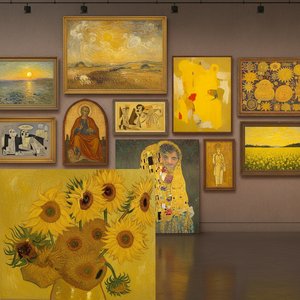
A 'króm sárga' tónusok 10 legikonikusabb mesterműve – Festmények, művészek és inspiráció otthonra
Fedezze fel a 'króm sárga' tónusok 10 leggyönyörűbb festményét! Van Gogh, Monet és más híres művészek remekművei inspiráló történetekkel. Múzeumminőségű reprodukciók otthonra – TopImpressionists.com.

A Fekete Szín Mesterei: 10 Híres Festmény, Amelyek Elvarázsolnak – TopImpressionists.com
Fedezze fel a 10 leghíresebb, fekete tónusú festményt! Rembrandt, Goya és Manet remekművei elvarázsolják. Művészettörténet, inspiráció otthonába – TopImpressionists.com kínálatából. Fedezze fel a teljes gyűjteményt online!

A benyomásosok mesterművei: 10 ikonikus festmény a művészetben és otthonában
Fedezze fel a 10 legikonikusabb impresszionista festményt! Monet, Renoir és más mesterek művészete életre kel TopImpressionists.com-on. Vászonképek, faliképek – inspirálja otthonát a benyomásosok színeivel és hangulatával! Explore the full collection online.