

 Megtekintés
 Küldés
 Megosztás
 Részletek
 Útmutató

 Letöltés
 Hasonló darabok
 X-ray felvétel
 Diavetítés
 Q&A
Q&A Statisztika
The Slum

- 91.0 x 71.0 cm


James Ferrier Pryde's "The Slum" (1916) captures a poignant Edinburgh alleyway scene, reflecting urban poverty and social commentary through atmospheric brushstrokes. Explore this evocative work of art.
 Összes részlet megjelenítése
James Pryde (1866-1941): A brit festő és a "Beggarstaffs" partnere. Forradalmi poszter terveivel, atmoszférikus épülettárgyakkal és színházak tervezésével formálta meg az évszázad eleji művészetet.
Giclée / Műnyomat
Múzeumi minőségű giclée vagy vászonnyomat, gyors gyártással és rugalmas finomítási lehetőségekkel. ( Kézzel festett másolat rendelése Áttérés digitális képre)




P118B Ft10

P118H Ft10

P118W Ft10

P438Z Ft10

P508JH Ft12

P508YH Ft12

P805H Ft10

P805Z Ft10

P919BZ Ft10

P919G Ft10

P919XJ Ft10

P959ZH Ft10

P968JZ Ft12

W106C Ft8

W218G Ft10

W218JH Ft8

W218Y Ft10

W307PJ Ft10

W316G Ft10

W316PJ Ft8

W316Y Ft10

W398PJ Ft8

W4111J Ft10

W500HY Ft15

W500JH Ft15

W692G Ft12

W849H Ft8

W940BG Ft15

W953PJ Ft8




Standard méret
egyedi méretű
CM
INCH
Válasszon előre meghatározott méreteink közül, amelyek megfelelnek a műalkotás eredeti arányainak.
Loading sizes...

szélesség
magasság
Írja be a keretének vagy a falának megfelelő szélességet és magasságot. A nyomatot csak le lehet vágni, soha nem tehető nagyobbá, mint az eredeti kép, így egy eltérő alakú méretnél a kép egy része elveszik. Mielőtt bármit kinyatintanánk, küldünk egy digitális próbamodellt jóváhagyásra. Az oldalon látható kép nem tartalmazza a valós levágást — ezt csak a próbamodell mutatja meg.
Világszerte történő kiszállítás területére mindössze 2 hét alatt, a szokásos 4-5 hét helyett. (31 október)

Ingyenes globális expressz szállítás

Prémium minőségű len vászon

Teljes körű szállítási biztosítás

Vámvisszatérítési Garancia

Hiteles színarányosság garancia

100 napos visszaküldési lehetőség (csak hibás termékek esetén)

100% pénzvisszatérítési garancia

Több darab vásárlásakor kedvezmény
 Az üvegkeretes opció csak 110 cm alatti méretben érhető el

The Slum
Giclée / Műnyomat
Reprodukció mérete
-


Összesített ár
Ft 22596
A Glimpse into Urban Decay: The Haunting Beauty of “The Slum”
James Ferrier Pryde’s “The Slum,” painted in 1916, isn't merely a depiction of a neglected corner of Edinburgh; it’s a profound meditation on poverty, social injustice, and the encroaching shadows of modernity. Born amidst the artistic ferment of Glasgow’s School of Art, Pryde developed a distinctive style—a masterful blend of atmospheric realism and subtle symbolism—that resonated deeply with the anxieties of his time. This painting, now housed in the Ashmolean Museum, offers a stark yet strangely beautiful portrayal of a working-class neighborhood grappling with hardship and neglect.
The scene unfolds within a narrow alleyway, dominated by a towering tenement building that seems to lean precariously towards the viewer. Pryde’s masterful use of light and shadow immediately establishes an unsettling mood. The muted palette—a symphony of grays, browns, and ochres—evokes a sense of dampness, decay, and oppressive gloom. Rain streaks down the walls, reflecting the weak light from unseen windows, while deep shadows conceal the lives within. The composition is deliberately claustrophobic, drawing the eye into the heart of the slum and emphasizing its suffocating atmosphere.
Technique and Artistic Influences
Pryde’s technique is characterized by a loose, expressive brushstroke—a hallmark of his work with the Beggarstaffs poster company. He eschews meticulous detail in favor of capturing the essence of the scene, prioritizing mood and atmosphere over photographic realism. The painting's texture is rich and layered, achieved through multiple thin applications of oil paint, creating a palpable sense of depth and physicality. There’s an undeniable influence from Whistler’s atmospheric style, particularly in Pryde’s ability to evoke emotion through color and light—a skill honed during his brief but formative time studying in Paris.
Furthermore, the painting subtly references classical architecture, most notably the Roman ruins of Pompeii. The building's form echoes the grandeur of ancient structures, suggesting a lost sense of order and beauty amidst the squalor. This juxtaposition—the crumbling tenements against the backdrop of classical imagery—serves as a poignant commentary on the decline of society and the erosion of values.
Symbolism and Social Commentary
“The Slum” is far more than a simple depiction of urban poverty; it’s a powerful social statement. Pryde wasn't simply documenting a physical space; he was exploring the human cost of industrialization and social inequality. The figures visible on the balcony—a small group of men, seemingly detached from the misery below—represent the indifference of the upper classes to the plight of their less fortunate neighbors. Their presence underscores the painting’s central theme: the isolation and marginalization experienced by those living in poverty.
The title itself is deliberately provocative, suggesting a deliberate confrontation with uncomfortable truths. Pryde's choice of "Slum" as the name for this work reflects his own artistic philosophy—a commitment to portraying the realities of life, even when they are unpleasant or challenging. It’s a stark reminder that beauty can be found in unexpected places, and that art has the power to expose injustice and provoke empathy.
A Timeless Masterpiece
“The Slum” remains a profoundly moving work of art—a testament to Pryde's artistic vision and his unwavering commitment to social justice. Its haunting atmosphere, evocative symbolism, and masterful technique continue to resonate with viewers today, prompting reflection on the enduring challenges of poverty, inequality, and the human condition. Reproductions of this powerful painting offer a unique opportunity to bring this poignant scene into your home or office, serving as a constant reminder of the importance of compassion and social responsibility.
Kérdések és válaszok
Hány éves volt James Pryde, amikor megalkotta a "The Slum" című alkotást?
Amikor a "The Slum" alkotása 1916-ben készült, James Pryde – aki 1866-ben született – 50 éves volt.
Ismertebb műalkotás a „The Slum”, James Pryde alkotása?
A "The Slum" mű a Recognized kategóriába sorolható.
A James Pryde alkotása, a "The Slum", a jogi szabadhasználatban (public domain) áll-e, és miért?
A "The Slum" szerzői jogi státusza – közösségi tulajdon – a szerzői jog lejártt – a művész 1941 évi halálából adódik.
A művész életrajza
A Life Etched in Atmosphere: The World of James Ferrier Pryde
James Ferrier Pryde, született 1866. március 30-án Edinburghban, egy művészetekkel gazdag családban – Robert Scott Lauder és James Eckford Lauder híres festőtestvérek unokaöcserei –, egy olyan utazásra indult, amely megmutatta a világot, és örök emléket hagyott maga után mind a festészetben, mind pedig a grafikus tervezésben. Életének korai évei szellemi környezetben teltek, apja, David Pryde tanító volt Edinburgh Ladies’ College igazgatója, ahol a kreativitás és az oktatás értékeinek otthont adták. Fiatal James formális művészi képzése 1885-től 1888-ig a Royal Scottish Academyban kezdődött, amely megalapozta pályáját, ami végül elkerült a könnyen kategorizálható kategóriákból. A Glasgow School vezetői, James Guthrie és Edward Arthur Walton is támogatták, akik befolyásolták azonosítását. Egy rövid időtartamú tartózkodása Párizsban, William-Adolphe Bouguereau tanítása alatt az Académie Julianban kevésbé volt formáló, Pryde hamar visszatért Skotlandba egy tisztább érzéssel a saját útja iránt.The Beggarstaffs és a Grafikus Tervezés Forradalma
Pryde legjelentősebb együttműködése 1893-ban kezdődött, amikor William Nicholsonnal csatlakozott a “Beggarstaffs”-hez. Ez a szövetség rendkívül termékeny volt, és újaknak tekintett grafikus stílust hozott létre, amely jelentősen kihívta a fennálló hagyományokat. A Beggarstaffs előtt a poszterek gyakran zsúfoltáknak és illusztráltak voltak; Pryde és Nicholson eltávolította az felesleges részleteket, beépítve merőleges kompozíciókat, lenyűgöző képeket és színházas érzéketlenséget. A poszterek nem csupán reklámok – hanem állítások voltak, emeltek státusszavarra a grafikus művészetet a kereskedelmi szükségletből való legitim művészeti kifejezetté. Szándékosan elutasították az elfogadott normákat, és olyan munkát hoztak létre, amely vizuálisan lenyűgöző és szellemileg felkeltő volt. A partnerség 1899-ben megszűnt, de hatása évtizedeken át élt, befolyásolva a grafikus tervezők következő generációit, és alapvetően megváltoztatta a vizuális kommunikáció nyelmezését. Innovatív megközelítésük nem korlátozta a posztereket – hanem más grafikát is készítettek, mindekor egyedi kombinációval a művészi látásmód és a kereskedelmi gyakorlat.Atmospherikus Vizuálok: Festészeti Nyelv
Bár kiemelten ismert a grafikus tervezési hozzájárulása miatt, Pryde valódi szenvedélye a festészet volt. Egy mélyen személyes stílust fejlesztett ki, amely az atmoszférával tarkított épületképekre összpontosít. Ezek nem egyszerű ábrázolások épületekről – hanem érzéki kifejezések voltak, gyakran tele vannak drámával és előrejelzett hangulattal. Festményei gyakran tartalmaznak építményeket, amelyek elnyomják az emberi alakokat, hangsúlyozva a halhatatlanságunk súlyát az idő előtt. A széles festékhasználat és a drámai világítás hatásai jellemezik technikáját, ami egy szinte érezhető légkört teremt, amely bevonja a nézőt a jelenbe. Giovanni Battista Piranesi etszeteinek befolyása látható Pryde épületi kompozícióiban és az épületek romlási iránti szenvedélyében. Nem volt érdeke a pontos ábrázolásnak; inkább az hely mélységének, történelmének és inherentes melankóliájának megfogalmazására törekedett. Festményei gyakran álomként érezhetők – szomorúan gyönyörűek és finoman nyugtalanítóak.Egy Többoldalú Művész: Színház és Elismerés
Pryde művészi tevékenysége nem korlátozta a festészetet és a tervezést. Rövid ideig színjátszót is gyakorolt 1894-től 1899-ig, ami valószínűleg befolyásolta színházas érzéketlenségét és térdinamikai képességeit. Ez az előadásba való bevonás kapcsolatot teremtett befolyásos alakokkal, mint Edward Gordon Craiggal, aki Pryde kiváló művészi tehetségét felismerte a festészetben, annak ellenére, hogy elismerte korlátait színjátszókban. Az International Sculptors, Painters and Gravers Társaság tagja lett 1901-ben és később a tisztségében 1921-ben. 1930-ban a Savoy Theatre színpadán tervezett díszleteket Paul Robeson *Othello* előadásához, ami bizonyította sokoldalúságát a vászonon túl. Bár csak két egyéni kiállítást tartott meg élete során – az egyik 1911-ben a Baillie Galériában és a másik 1933-ban a Leicester Galériákban –, Pryde elismerést kapott a nagykövetségtől, és kritikák, mint Frank Rutter, leírta őt „lenyűgözőnek”.Egy örökös hagyaték
James Ferrier Pryde 1941. február 24-én halt meg Londonban. Bár nem kapcsolódott konkrét művészeti mozgalomhoz, egyedi stílusa és korai 20. századi művészi hozzájárulásai egyre inkább elismerték. Egy emlékképes kiállítást tartottak 1949-ben, amely Edinburghban, Brightonban és Londonban forogult, ami felhívta a figyelmet munkájára. Bár a festményei ritkán kerülnek kiállításra, a művei egyre több nyilvános gyűjteménybe kerülnek, biztosítva ezzel, hogy atmoszférikus vizuálisai továbbra is vonzzák a közönséget. Pryde öröksége nem csupán az egyes műalkotások szépségében rejlik, hanem a Beggarstaffs innovatív grafikus tervezésének mély hatásában is, amely ma is inspirálja a művészeket és grafikusokat. Egy olyan figura maradt, aki merte kifejezni a művészet erejét az épületben, és egy tervező, aki alapvetően megváltoztatta a vizuális kommunikáció nyelmezését.
James Pryde
1866 - 1941 , Egyesült Királyság
Rövid információk
- Artistic Movement Or Style: Grafikai design, Atmoszférikus művészet
- Artists Or Movements Influenced By This Artist:
- Nicholson
- Grafikai design
- Artists Who Influenced This Artist:
- James Guthrie
- Edward Walton
- Whistler
- Date Of Birth: 1866. március 30.
- Date Of Death: 1941. február 24.
- Full Name: James Ferrier Pryde
- Nationality: Nagy-britanniai
- Notable Artworks:
- Ruina, A varázsló ház
- A holt kert
- Place Of Birth: Edinburgh, Nagy-Britannia
Kapcsolódó cikkek
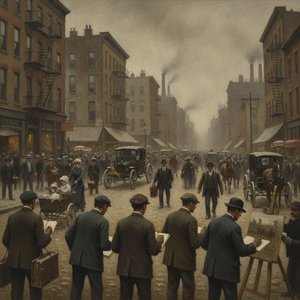
The Ashcan School: Capturing the Raw, Unfiltered Soul of Urban Life through American Realism
Discover the raw beauty of the Ashcan School. Explore how masters like Bellows and Henri captured the gritty, vibrant soul of early 20th-century New York through profound American Realism and evocative urban landscapes.
Fedezze fel a műalkotásokat témák, stílusok és jellemzők szerint csoportosítva.


