

 Előnézet
 Megosztás
 Megosztás
 Részletek
 Útmutató

 Letöltés
 Hasonló darabok
 X-ray felvétel
 Diavetítés
 Statisztika
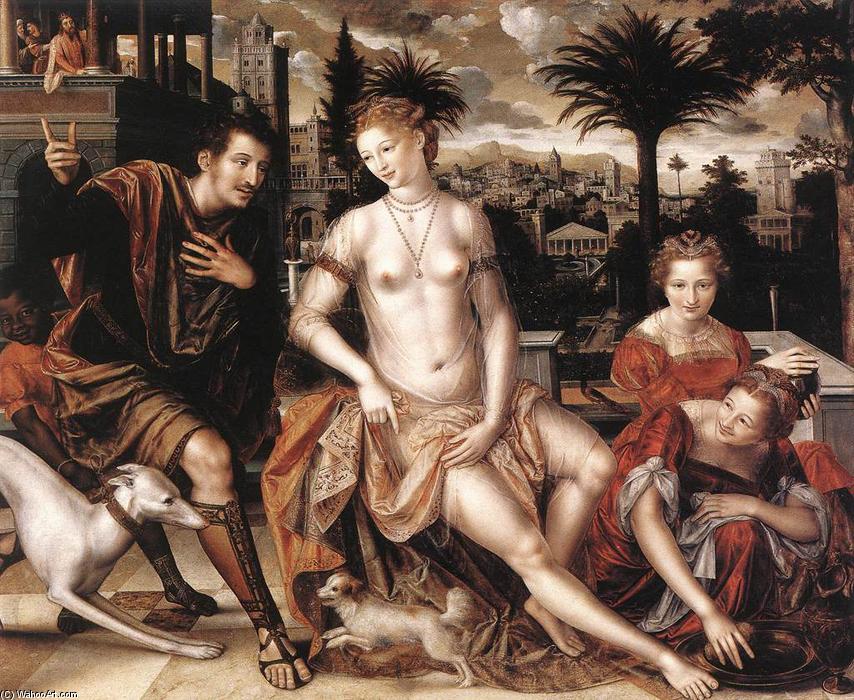
David and Bathsheba
 Oil On Canvas
- WallArt
- Baroque Renaissance Fusion
 1562
1562- Renaissance
 162.0 x 197.0 cm
 Louvre
Experience the dramatic chiaroscuro of Jan Massys's 1562 David and Bathsheba, a Renaissance masterpiece capturing an intimate biblical moment you will want to own.
 Tovább olvasom
Jan Massys életútja és művészete: a flamensú mester, aki a vallásos festészetet és a társadalmi szatírát ötvözte az Antverpi iskola alapjainak megteremtésében.
Kézzel készített olajfestmény reprodukció
Kézzel festett olajvastú vászon, az Ön által választott méretben és keretben, művészeink készítik meglévőre. ( Váltás nyomtatványra Áttérés digitális képre)




P118B Ft10

P118H Ft10

P118W Ft10

P438Z Ft10

P508JH Ft12

P508YH Ft12

P805H Ft10

P805Z Ft10

P919BZ Ft10

P919G Ft10

P919XJ Ft10

P959ZH Ft10

P968JZ Ft12

W106C Ft8

W218G Ft10

W218JH Ft8

W218Y Ft10

W307PJ Ft10

W316G Ft10

W316PJ Ft8

W316Y Ft10

W398PJ Ft8

W4111J Ft10

W500HY Ft15

W500JH Ft15

W692G Ft12

W849H Ft8

W940BG Ft15

W953PJ Ft8




Standard méret
egyedi
CM
INCH
Válasszon előre meghatározott méreteink közül, amelyek megfelelnek a műalkotás eredeti arányainak.
Loading sizes...

szélesség
magasság
Írja be a kívánt szélességet és magasságot, hogy illeszkedjen a keretéhez vagy a falához. Mivel ez kézzel festett alkotás, egy eltérő formájú méret esetén a művész akár festhet is valamivel többet a kép körül, vagy korolathat is belőle — az Ön döntésének megfelelően. A festés megkezdése előtt küldünk egy digitális tervezetet jóváhagyásra. Az oldalon látható kép nem tartalmazza a végeredményt — csak a tervezet mutatja meg a valódi eredményt.
Példák arra, mit lehet módosítani: az arc kicserélése az ügyfél fotójára; háziállat hozzáadása (pl. macska helyett kutya); rejtett üzenet elhelyezése a háttérben; a háttér tájának vagy elemeinek megváltoztatása.
A rendelést követően a TopImpressionists.com csapata e-mailt küld az ügyfélnek az instrukciókért, és biztosít egy előnézeti képet (mockup).
A rendelést követően a TopImpressionists.com csapata e-mailt küld az ügyfélnek az instrukciókért, és biztosít egy előnézeti képet (mockup).
Világszerte elérhető szállítás () 3-4 hét alatt a szokásos 5 hét helyett. (21 október). A minőség nem kérdőjelezhető.

Ingyenes globális expressz szállítás

Prémium minőségű len vászon

Teljes körű szállítási biztosítás

Vámvisszatérítési Garancia

Tökéletes színarányosság garancia

100 napos visszaküldési garancia (csak gyártási hibás termékek esetén)

100% pénzvisszatérítési garancia

Több darab vásárlásakor kedvezmény
 Az üvegkeretes opció csak 110 cm alatti méretben érhető el

David and Bathsheba
Reprodukciós technika
Reprodukció méretei
-


Összesített ár
Ft 84995
A Moment Frozen in Time: The Allure of Jan Massys’s David and Bathsheba
In the heart of Renaissance Antwerp, a period defined by both profound religious devotion and burgeoning worldly curiosity, Jan Massys captured a scene of unparalleled emotional and narrative tension. His 1562 masterpiece, David and Bathsheba, is far more than a mere biblical illustration; it is a window into the human psyche, capturing the exact moment where desire meets consequence. The painting recounts the clandestine encounter between King David and the Moabite woman, Bathsheba, a narrative of illicit passion that has captivated viewers for centuries. As we gaze upon this monumental canvas, we are drawn into an intimate tableau where every gesture and glance speaks of a secret shared between the figures and the observer.
The composition is masterfully orchestrated to guide the eye through a landscape of moral ambiguity. David, positioned with a commanding yet contemplative presence, gestures toward something unseen—perhaps a divine warning or a silent acknowledgment of the gravity of his transgression. Opposite him, Bathsheba lies in a state of palpable vulnerability, her upward gaze creating a powerful diagonal line of tension that connects the two protagonists. This intimacy is not solitary; Massys surrounds the central pair with supporting figures, including a servant attending to Bathsheba’s needs, which serves to remind us of the societal eyes and the inevitable repercussions that follow such private indiscretions. Even the small, quiet presence of a dog nestled near the edge of the scene adds a layer of symbolic depth, perhaps representing the lost innocence or the concept of fidelity amidst a moment of profound betrayal.
Mastery of Light and Texture in the Flemish Tradition
To behold this work is to witness the pinnacle of Renaissance oil technique. Massys utilized the medium of oil on canvas to achieve a level of realism that feels almost tactile. Through the meticulous application of paint, he renders the heavy, intricate folds of David’s robes with such precision that one can almost sense the weight of the fabric. This technical prowess extends to the delicate rendering of Bathsheba’s skin, where subtle glazing effects create a luminous, soft quality that contrasts beautifully with the more structured elements of the background.
Central to the painting's emotional impact is Massys’s use of chiaroscuro. By employing dramatic contrasts between deep shadows and brilliant highlights, the artist sculpts the figures out of the darkness, lending them a three-dimensional presence that commands the room. This manipulation of light does more than just define form; it heightens the atmospheric intensity, casting a somber, reflective mood over the entire scene. For the collector or the interior designer, such a piece offers a profound sense of drama and historical weight, making it an ideal centerpiece for spaces that value sophisticated storytelling and the timeless elegance of the Flemish masters.
Gyakran Ismételt Kérdések
Milyen színpaletta jellemzi a(z) „David and Bathsheba”, Jan Massys alkotása alkotást?
A „David and Bathsheba”, Jan Massys alkotása színek palettáját úgy írják, mint Earthy. Ez a mű színeinek tömör leírása.
A „David and Bathsheba”, Jan Massys alkotása művész honcountryban található?
Nem – a műtárgy külföldön található. Jan Massys Belgia-ban született, a „David and Bathsheba” eredeti darabja pedig France-ban található múzeum gyűjteményében.
Miről szól a "David and Bathsheba"?
A "David and Bathsheba" alkotás tárgyai: biblical narrative, royal intrigue, sensuality, allegory, human emotion, renaissance painting, religious iconography.
A művész életrajza
Úgy alakítva egy új utat: A flamensú mester
Jan Massys, más néven Jan Massijs, a 16. századi Flandria virágzó művészeti tájagának kulcsfontosságú alakjaként áll mūsų előtt. Belgiuma, Leuven környékén, 1466 körül született, életműve pedig a hagyomány és az innováció, a vallási ájtatozottság és a éles társadalmi kritikák lenyűgöző találkozását képviseli. Bár a legendák kezdetben egy vasöntőből lett művész képet festettek – egy olyan narratívát sugallva, amely szerint alázatos eredetű, szenvedély által hajtott ember volt –, a történelmi források jólutású családot mutatnak, ami arra utal, hogy Massys festészet iránti elkötelezettsége inkább művészi hajlamból, mintsem anyagi kényszerből fakadt. Karel van Mander szerint egy betegség váltotta le őt a kovácsi munka után, ami arra vezetett, hogy karnavalünnepetek alára díszítette a rajzokat, ez pedig korai kiadási lehetőséget nyújtott feltörekvő kreativitásának. Valószélleg Leuvenben kapta alapvető képzéseit, mielőtt 1491 körül Antwerpenbe költözött, ahol gyorsan feljutott a Szent Lukács Céh magasabb rangjai közé, mesterművészi hírnevet szerzett, és laid az alapot annak, ami később az antwerpi iskola néven ismertté vált. Úgy vélik, Joachim Patinir, aki lenyűgöző tájképeiről ismert, Massys tanítványként tanult, hozzájárulva azok légies háttérképének, amelyeket néhány művében találunk – ez a művész műhelyében zajló együttműködő szellem bizonyítéka.A hagyomány visszhangjai és egy feltörekvő hang
Massys művészeti stílusa mélyen gyökerezik a flamensú hagyományban, tudatosan felavatva olyan mesterek, mint Jan van Eyck és Rogier van der Weyden aprólékos részletességét és kifejező erejét. Bravúros módon ötvözte a határozott vonalakat a finom modellálással, lenyűgő tisztaságot és mélységet érve el kompozícióiban. Festményeit a transzparens pigmentekből fakadó ragyogó gazdag sáv jellemzi, amely égi minőséget kölcsönöz mind vallási jeleneteknek, mind világi portréknak. Massys azonban nem csupán másolt a múltat; egy egyéni, személyes vízióval töltötte meg azt. Kivételes képességgel rendelkezett az őszinte érzelmek és a legkisebb részletek megörökítésében, különös figyelmet szentelve az anyagok textúrájának – a ékszerek csillogásának, a ruhák bonyolult díszítésének –, ami műveit a puszta ábrázolaton túl is magasabb szintre emelte. Ez a precíz megközelítés kiterjedt a fény és az árnyék felfedezésére is, visszafogott, mégis lenyűgöző hatásokat keltve, amelyek a nézőt minden egyes jelenet szívébe vezetik. Nem félett a komplex témák kezelésétől, zökkenőmentesen ötvözve a vallási narratívákat az emberi természet és a társadalmi dinamika éles megfigyeléseivel.Antwerpenben kovácsolt örökség
Jan Massys befolyása messze túlmutatott saját életkorán, megszilárdítva helyét mint az elismert antwerpi iskola egyik alapítója, fiával, Quinten Massysszal és testvérével, Cornelis Massysssal együtt. Skilful módon szintetizálta a korábbi flamensú mesterek – Dirk Bouts, Hans Memling, Rogált van der Weyden és Jan van Eyck – hatásait, miközben egyidejűleg beépítette az olasz és más niderland területek elemeit is. Ez az ötvözet egy egyedi művészeti identitást teremtett, amely generációkon át meghatározta az antwerpi iskolát. Az egyéni karakterizálásra és az emberi érzelmek realista ábrázolására való fókuszus visszhangot váltott ki a későbbi művészekben, arra inspirálva őket, hogy új kifejező utakat keressenek. Életének későbbi szakaszában Massys nehézségekkel kellett szembennie, beleértve az Antwerpenből való kizarást vallási meggyőződése miatt, ami arra késztette, hogy Olaszországban és Franciaországban keressen menedéket, mielőtt végül hazatérhetett. Ezen kihívások ellenére továbbra is megrendeléseket kapott, bizonyítva tartós hírnevét és művészi tudását egészen haláláig, 1575-ig. Öröksége biztonságban maradt – egy olyan festő bizonyítéka, aki nemcsak elődei technikáit ovládta, hanem merészté is vált a konvenciókat thácholni és a körülötte lévő világ egyedülálló, mély látnokos ábrázolását nyújtani.Jan Massys világának felfedezése ma
- Jan Massys műhelye: Fedezze fel ezt a lenyűgöző 16. századi festményt, amely egy társas gyülekezést mutat be részletes alakokkal és gazdag hangulattal.
- A Szent Család: Fedezze fel ezt a csodálatos korai reneszánsz olajfestményt, csodálva realista alakjait, pompás részletességét, szimbolikáját és technikáját.
- Quinten Massys: Merüljön el Jan apjának munkásságában, a flamensú reneszánsz művészet kulcsfontosságú alakjában, aki vallási festményeiről és szátírizáló alkotásairól ismert.

Jan Massys
1466 - 1530 , Belgia
Gyors információk
- Artistic Movement Or Style: Reneszánsz
- Artists Or Movements Influenced By This Artist: ['Antverpi iskola']
- Artists Who Influenced This Artist:
- Dirk Bouts
- Jan van Eyck
- Rogier van der Weyden
- Date Of Birth: kb. 1466
- Date Of Death: 1530
- Full Name: Jan Massys
- Nationality: Flandriai
- Notable Artworks:
- Az csúnya hercegnő
- A pénzváltó és felesége
- A Cythera Vénusja
- Place Of Birth: Leuven, Belgium
Kapcsolódó cikkek

Drama and Light: Discover the Captivating Grandeur of Baroque Art
Immerse yourself in the dramatic splendor of Baroque art. Explore the profound impact of light, shadow, and the Counter-Reformation through an expert historical lens, celebrating the masters who defined an era of unparalleled grandeur and emotional intensity.
Fedezze fel a műalkotásokat témák, stílusok és jellemzők szerint csoportosítva.
