


 Megtekintés
 Küldés
 Megosztás
 Részletek
 Útmutató

 Letöltés
 Hasonló darabok
 X-ray felvétel
 Diavetítés
 Statisztika
Princess with a Monkey
 1913
1913 60.0 x 29.0 cm
 Összes részlet megjelenítése
Rozentals Janis (1866-1916): A nagyszerű litván, aki az impresszionizmus és az art nouveau stílusát a svétevény identitással ötvözte. Kiemelkedő portrék, tájak és szimbolikus művek gyűjteménye.
Giclée / Műnyomat
Múzeumi minőségű giclée vagy vászonnyomat, gyors gyártással és rugalmas finomítási lehetőségekkel. ( Kézzel festett másolat rendelése Áttérés digitális képre)




































Standard méret
egyedi méretű
CM
INCH
Válasszon előre meghatározott méreteink közül, amelyek megfelelnek a műalkotás eredeti arányainak.
Loading sizes...

szélesség
magasság
Írja be a keretének vagy a falának megfelelő szélességet és magasságot. A nyomatot csak le lehet vágni, soha nem tehető nagyobbá, mint az eredeti kép, így egy eltérő alakú méretnél a kép egy része elveszik. Mielőtt bármit kinyatintanánk, küldünk egy digitális próbamodellt jóváhagyásra. Az oldalon látható kép nem tartalmazza a valós levágást — ezt csak a próbamodell mutatja meg.
Világszerte történő kiszállítás területére mindössze 2 hét alatt, a szokásos 4-5 hét helyett. (25 október)

Ingyenes globális expressz szállítás

Prémium minőségű len vászon

Teljes körű szállítási biztosítás

Vámvisszatérítési Garancia

Hiteles színarányosság garancia

100 napos visszaküldési lehetőség (csak hibás termékek esetén)

100% pénzvisszatérítési garancia

Több darab vásárlásakor kedvezmény
 Az üvegkeretes opció csak 110 cm alatti méretben érhető el

Princess with a Monkey
Giclée / Műnyomat
Reprodukció mérete
-


Összesített ár
Ft 22116
Janis Rozentāls, a renowned Latvian artist, created the captivating painting 'Princess with a Monkey' in 1913. This oil on canvas masterpiece measures 60 x 29 cm and is a testament to Rozentāls' skillful blend of realism and mystique.
The Composition
The painting features a woman with long, fiery red hair, adorned in an elegant dress and holding a necklace. Her gaze is directed off-camera, suggesting she is lost in thought or contemplating something beyond the viewer's sight. A gold chain encircles her neck, adding a touch of luxury to her attire. The background of the painting is equally intriguing, with two monkeys present on either side of the princess. One monkey is situated on the left, while the other is positioned towards the right. Additionally, a chair and a handbag are visible in the lower part of the image, adding depth and context to the scene.Artistic Significance
Janis Rozentāls was known for his ability to capture the essence of his subjects with precision and emotion. In 'Princess with a Monkey', he masterfully combines elements of realism and symbolism, creating an enigmatic portrait that invites interpretation. The presence of the monkeys can be seen as a symbol of curiosity or mischief, while the princess's distant gaze may indicate a sense of longing or contemplation.Relevance in Modern Art
The 'Princess with a Monkey' painting is not only a reflection of Rozentāls' artistic prowess but also a representation of the early 20th-century art movement. It shares similarities with works by other notable artists, such as Edgar Degas and Henri Matisse, who also explored themes of realism and symbolism in their works.Preservation and Appreciation
The preservation of such masterpieces is crucial for the appreciation of art history. Museums like Musée Hébert in Paris, France, play a significant role in housing and showcasing these artworks. The museum's collection includes works by French artist Ernest Hébert and provides a platform for art enthusiasts to explore and learn about various artistic movements.Conclusion
Janis Rozentāls' 'Princess with a Monkey' is a captivating piece that blends realism with symbolic elements, making it a fascinating subject of study. The painting's intricate details and the artist's skillful execution make it a valuable addition to any art collection. For those interested in exploring more works by Rozentāls or similar artists, Janis Rozentāls: Princess with a Monkey is available for viewing on TopImpressionists.Kérdések és válaszok
Elérhető diákok számára egy „Princess with a Monkey”, Janis Rozentāls alkotása információs adatlap?
A „Princess with a Monkey”, Janis Rozentāls alkotása Útmutató oldala egy kinyomtatható, kétoldalas információs adatlapot kínál: magát a műalkotást az azonosító táblázattal, egy időrendi sávot, amely a művész életkorába helyezi a alkotást, a művész további treballatait, a megmért színpalettát, valamint négy különböző stílusban, azonnal másolható idézeteket.
Milyen formájú és méretű „Princess with a Monkey”, Janis Rozentāls alkotása?
A „Princess with a Monkey”, Janis Rozentāls alkotása egy 60 x 29 cm méretű, Tall formátumú alkotás.
Erős fény-árnyék kontrasztot mutat-e a "Princess with a Monkey"?
A „Princess with a Monkey”, Janis Rozentāls alkotása kontrasztját Balanced teszi.
A művész életrajza
A Pioneer of Latvian Painting: The Life and Art of Janis Rozentāls
Janis Rozentāls (1866-1916) stands as a monumental figure in the history of Latvian art, a painter who played a crucial role in forging a distinct national artistic identity during a period of profound cultural and political transformation. Born on March 18, 1866, in the modest surroundings of Bebri Farmstead in Courland Governorate – then part of the Russian Empire – Rozentāls’s journey from the son of a blacksmith to a celebrated artist is a testament to his unwavering dedication and exceptional talent. His early life was deeply intertwined with the rural Latvian landscape, an environment that would indelibly shape his artistic vision and serve as a constant source of inspiration throughout his career. He received his initial education at H. Krause’s Elementary School in Saldus, followed by studies at Kuldīga District School; however, it was a burning desire to express himself artistically that propelled him towards Riga at the age of fifteen, marking the beginning of his formal artistic training.Blending Tradition and Modernity: Artistic Development and Style
Rozentāls is rightfully recognized as one of the key founders of professional fine arts in Latvia. His work represents a fascinating synthesis of influences – primarily Impressionism and Art Nouveau – yet always filtered through a uniquely Latvian sensibility. He didn’t simply adopt these styles; he actively transformed them, imbuing them with a character that resonated deeply with the burgeoning national consciousness of his time. A defining characteristic of his compositions is an intentional asymmetry coupled with a flowing, wavelike rhythm – hallmarks of Art Nouveau. However, Rozentāls masterfully balanced this decorative quality with a subtle understanding of tonal variations and color relationships, preventing his work from becoming overly ornamental or losing its emotional depth. He skillfully combined flatness with soft transitions, creating images that were both visually striking and profoundly evocative. His subject matter was remarkably diverse, encompassing portraits that offered intimate glimpses into the inner lives of his subjects, landscapes celebrating the breathtaking beauty of Latvian nature – particularly vibrant spring scenes brimming with life and color – and symbolic works inspired by biblical narratives and mythological themes. In 1910, he undertook a significant commission to create decorative friezes for the Riga Latvian Society, showcasing his ability to work on a monumental scale while maintaining artistic integrity and a deep connection to his subject matter. Beyond painting, Rozentāls was also a prolific graphic artist, producing book designs, magazine illustrations, posters, and drawings – demonstrating the breadth of his creative talent and versatility.A Finnish Interlude: Marriage and Artistic Exchange
A pivotal moment in Rozentāls’s life unfolded in 1902 when he met Elli Forssell, a captivating Finnish singer, in Riga. Their marriage in 1903 proved to be more than just a personal union; it served as a catalyst for artistic exchange and broadened his horizons immeasurably. The connection with Finland profoundly influenced his interests, leading him to deeply appreciate the work of Finnish artists such as Gallen-Kallela, Järnefelt, Halonen, and Saarinen. He wrote extensively about their art, recognizing in them a kindred spirit – a shared commitment to expressing national identity through innovative artistic forms. From 1905 to 1916, the family resided in Helsinki, providing Rozentāls with an immersive experience of Finnish culture and further enriching his artistic perspective. This period was marked by continued artistic productivity; he seamlessly integrated his Latvian roots with the influences of his adopted environment, creating a truly unique and compelling body of work.Lasting Legacy: Major Works and Historical Significance
Rozentāls’s legacy is firmly established through a remarkable collection of works that continue to captivate audiences today. His portraits – including those of A. Dombrovskis, Rūdolfs Blaumanis, and his beloved wife Elli Forssell – are not merely likenesses but insightful studies of character and personality, capturing the essence of their subjects with remarkable sensitivity. Landscapes such as “From Church” (1894) and “Picnic” (1913) beautifully capture the serene beauty of the Latvian countryside, imbued with a sense of nostalgia and reverence for nature’s enduring spirit. His symbolic works – including "Temptation" and "Eve with the Apple" – explore universal themes of morality, desire, and spirituality with a unique blend of realism and symbolism, inviting viewers to contemplate profound questions about human existence. He also created altar pieces for Latvian churches, adapting his style to suit a broader audience while consistently maintaining artistic quality and a deep connection to his heritage. Janis Rozentāls died on December 26, 1916, in Helsinki, Finland, but was later reburied in Forest Cemetery, Riga, in 1920. His impact extends far beyond his paintings; the Janis Rozentāls Art High School in Riga stands as a lasting testament to his dedication to artistic education, and a memorial museum located in the building he designed in Saldus preserves his life and work for future generations. He remains a pivotal figure in Latvian art history, celebrated not only for his artistic achievements but also for his significant contribution to the development of a distinct national identity through art – truly a pioneer.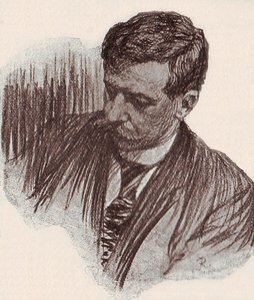
Janis Rozentāls
1866 - 1916 , Lettország
Rövid információk
- Artistic Movement Or Style: Impressionizmus, Art Nouveau
- Artists Or Movements Influenced By This Artist: ['Finnish art']
- Date Of Birth: 1866. március 18.
- Date Of Death: 1916. decz. 26.
- Full Name: Janis Rozentāls
- Nationality: Lettország
- Notable Artworks:
- Haladás
- Templomról
- Picnic
- Csábítás
- Place Of Birth: Saldus, Lettország