

 Megtekintés
 Küldés
 Megosztás
 Részletek
 Útmutató

 Letöltés
 Hasonló darabok
 X-ray felvétel
 Diavetítés
 Kérdések és válaszok
 Statisztika
Breakfast

- 26.0 x 22.0 cm


Vibrant early 20th-century scene of a social meal by Jean-Édouard Vuillard; explore the rich color and intimate atmosphere of this masterpiece today.
 Összes részlet megjelenítése
Vuillard, a Nabis festő, a francia modern művészet egyik legjelentősebb alakja. Intimista belsőépítészeti képeivel, innovatív színekkel és hatása a korai modernizmusra (pl. kubizmus) ismert.
Szerezzen be nyomtatásra kész fájlt, amely messze túlmutat a webes előnézeten. Minden általunk értékesített digitális kép az adatbázisunkban található nagy felbontású mesterfájlból származik – általában 5 000 és 15 000 pixel szélességű –, így magabiztosan nyomtathat nagy méretben, sokat vághat a képen, vagy reprodukálhatja a legfinomabb részleteket is.
Stúdiómból egyetlen fájl sem távozik feltartózkodás nélkül. Egy digitális szakértő az eredeti festménnyel összehasonlítja a színeket, és szükség esetén korrigálja azokat, majd professzionális retusználó eszközökkel javítja a tisztaságot és a részletgazdagságot — miközben mindig hű marad a művész vonalvezetéséhez és stílusához. Az eredmény egy olyan kép, amely úgy néz ki, mint egy festmény, és nem úgy, mint egy szűrőzött szkenn.
A végső munka befejezése előtt jóvá kell hagynia a képet: szakértőnk 72 órán belül elküldi azt e-mailben ellenőrzésre. Nem tetszett? Kérhet javításokat vagy korrekciókat, illetve visszatérítést kérhet, amennyiben a minőség nem felel meg az elvárásoknak.
Ez az a minőség, amelyre a kiadók, a design stúdiók, a galériák és a nyomdaték megbízhatnak.
Digitális kép
Töltsön le nagy felbontású fájlt személyes kiállításokhoz, nyomtatáshoz és kreatív projektekhez. ( Váltás nyomtatványra Kézzel festett másolat rendelése)
Minden digitális kép rendeléséhez tartozó extrák
Szakértői digitális kézbesítés, garantáltan
Amikor a TopImpressionists.com szolgáltatást választja, nem csupán egy képet kap – professzionálisan felmagasított digitális műalkotást kap, amely precizitással készült, és amelyet megelégsedési gwarancia tesz biztoslássá. Az alábbiakban automatikusan minden benne 】

Gyors e-mail teslimítés
A nagy felbontású digitális képmásolatát a megrendelést követő 72 órán belül e-mailben elküldjük Önnek – azonnal használható formátumban.

MI-alapú digitális fájljavítás
Műve professzionális módon kerül optimalizálásra fejlett mesterséges intelligencia eszközök és manuális szerkesztés segítségével, biztosítva a maximális részletességet, tisztaságot és színpontosságot.

Örök életű ingyenes újradelivery
Véletlenül törölted vagy elvesztetted a fájlodat? Ne aggódj – bármikor ingyen újra megküldjük neked.

Nincs importköltség – soha
Élvezze műalkotásait azonnal, vám, illeték vagy szállítási költség nélkül – a digitális letöltések mindig adamentesek.

Színpontosság garantálása
Professzionális eszközök és színkezelés segítségével garantáljuk, hogy digitális képe a lehető legpontosabban tükrözze az eredeti színeket.

100 napos elégedettségi garancia
Ha nemມີ elégedett a digitális képével, 100 napon belül felülvizsgáljuk vagy 100% visszatérítjük az amountot – kérdés बिना.

100% Pénzvisszatérítési garancia
Nem tetszett a vásárlás? 100 napon belül teljes visszatérítést garantálunk a digitális fájl megvételétől számítva – kérdés nélkül.

Tömegrendelési kedvezmények
Vásároljon 3 képet, spóroljon 10%-et - Vásároljon 5-öt, spóroljon 15%-et - Vásároljon 10+ képet, spóroljon 20%-at. Kiváló kreatív projektekhez, galériákhoz és ügynökségekhez.
A Moment Captured at the Table
Jean-Édouard Vuillard’s Breakfast, dating from 1894, invites us into an intimate tableau of domestic life. It is more than just a depiction of a meal; it is a carefully composed study in human connection and quiet afternoon ritual. The scene unfolds around a richly appointed dining table, laden with the artifacts of conviviality—cups, bowls, and two inviting cakes rest upon its surface. At the heart of this gathering sits the central female figure, her presence anchoring the composition while surrounding figures complete the sense of shared experience. The arrangement suggests a pause in time, a moment suspended between conversation and consumption.
The Influence of Les Nabis
To understand Breakfast, one must appreciate its context within the vibrant artistic ferment of late 19th-century Paris. Vuillard was a key member of Les Nabis, a group whose vision sought to infuse everyday subjects with spiritual resonance and decorative pattern. This movement steered art away from grand historical narratives toward the intimate, the domestic, and the subjective experience. In this painting, we see the Nabis influence manifest not through overt symbolism alone, but through the very structure of the space. Vuillard masterfully flattens planes of color and form, giving the interior a decorative rhythm that is both modern and deeply personal.
Technique and Atmosphere
Vuillard’s technique here is characterized by an almost tapestry-like richness. His application of paint emphasizes pattern—the patterns on the chairs, the textiles, and even the interplay of light across the table suggest a meticulous attention to surface detail. While the subject matter appears straightforward—a family or group enjoying breakfast—the emotional resonance comes from the way he handles shadow and light. The atmosphere is one of warm enclosure; the viewer feels as if they have slipped through an unseen doorway into this private gathering. It speaks to the quiet luxury of shared time, a feeling that transcends mere depiction.
A Touch for the Modern Collector
For those who appreciate art that whispers rather than shouts, Breakfast offers profound depth. Whether adorning a formal drawing-room or lending an intellectual patina to a contemporary space, this piece brings with it the sophisticated elegance of early modernism. It appeals equally to the collector seeking a tangible link to the avant-garde spirit and the designer who values art that enhances lived experience. Reproducing this work allows one to bring home not just paint on canvas, but a carefully curated echo of Parisian intellectual life at the turn of the century.
Kérdések és válaszok
Mely paletta és domináns szín határozza meg a "Breakfast" alkotást?
A „Breakfast”, Jean-Édouard Vuillard alkotása egy Dark színpalettát használ, melynek domináns színe a Rosy Brown (#d2a26f).
Milyen színtelítettséggel rendelkezik „Breakfast”, Jean-Édouard Vuillard alkotása?
A "Breakfast" színeinek telítettsége Clear Color Presence.
Hol találhatok olyan műalkotásokat, amelyek hasonlóak a(z) „Breakfast”, Jean-Édouard Vuillard alkotása alkotáshoz?
A „Breakfast”, Jean-Édouard Vuillard alkotása Hasonló alkotások oldala kapcsolódó műalkotásokat mutat be.
Hasonló műalkotások



Művész életrajza
**early life and artistic beginnings**
Jean-Édouard Vuillard, a luminary of French painting, was born on November 11, 1868, in the quaint village of Cuiseaux, nestled within the Saône-et-Loire region of France. His early years were marked by a quiet domesticity—his father, a retired ship captain, and his mother, a seamstress, provided a stable yet modest upbringing. The family’s relocation to Paris when he was just ten years old proved pivotal, thrusting him into the vibrant, often challenging, atmosphere of the capital city. This move, though initially difficult due to their limited resources, ultimately laid the foundation for his artistic journey. Vuillard's education began at the Condorcet Lycée, a prestigious institution where he encountered and forged friendships with future artistic figures like Pierre Roussel, destined to become a prominent photographer, and Maurice Denis, whose influence would resonate throughout Vuillard’s career. These early connections fostered a shared intellectual curiosity and a nascent appreciation for art that would shape his future direction. He enrolled at the École des Beaux-Arts, immersing himself in the traditional techniques of academic painting while simultaneously absorbing the burgeoning avant-garde currents circulating within Parisian artistic circles. It was during this period that Vuillard began to develop his distinctive style, characterized by an intuitive understanding of color and form—a departure from the rigid conventions of the time.**the nabis movement and its influence**
Vuillard’s artistic trajectory took a significant turn with his involvement in the Nabis group – a collective of young artists who sought to redefine the boundaries of painting in the late 1890s. The term “Nabis,” derived from the Hebrew word for prophet, reflected their ambition to forge a new path, one that moved beyond the constraints of Impressionism and Academic art towards a more symbolic and expressive language. Inspired by Japanese woodblock prints—their flattened perspectives, bold colors, and simplified forms—the Nabis embraced a radical approach to composition. Vuillard’s interiors, in particular, became canvases for exploring spatial relationships and the interplay of light and shadow. He meticulously rendered the textures of wallpaper, fabrics, and furniture, creating richly layered scenes that seemed to shimmer with an inner life. The group's philosophy, rooted in the positivist theories of Auguste Comte and Hippolyte Taine, emphasized observation and the representation of reality through a subjective lens—a belief that art should capture not just what was seen but also what was felt. This intellectual framework profoundly influenced Vuillard’s artistic practice, encouraging him to delve deeper into the emotional resonance of his subjects.**vuillard's later work and legacy**
Following the dissolution of the Nabis in 1900, Vuillard continued to paint with remarkable consistency, though his style evolved subtly over time. He moved away from the overtly experimental techniques of his earlier years, adopting a more grounded approach that emphasized detail and realism. During the 1920s and 30s, he produced a series of portraits of prominent figures in French industry and the arts—a testament to his ability to capture the essence of his subjects within their familiar surroundings. These portraits were not merely likenesses; they conveyed a sense of intimacy and understanding, revealing Vuillard’s keen eye for capturing character and personality. In his later years, Vuillard found renewed inspiration in landscapes and interiors, returning to the techniques that had defined his early work but imbued with a newfound maturity and sophistication. His paintings from this period are characterized by their luminous colors, delicate brushwork, and an almost dreamlike quality—a reflection of his profound sensitivity to the beauty of everyday life. Vuillard’s legacy extends far beyond his individual works; he is considered a pivotal figure in the development of modernism, influencing generations of artists with his innovative use of color, form, and space.**key works and exhibitions**
Vuillard's artistic output has been meticulously documented and exhibited throughout the world. His paintings are proudly displayed in prestigious museums such as the Musée de la Révolution Française (France), a repository of historical artifacts and artworks related to the French Revolution, offering a unique perspective on Vuillard’s artistic journey. Notable works include “La Patrie en Danger” (1893), a poignant depiction of a young man condemned to death for blasphemy during the Ancien Régime—a powerful commentary on social injustice; and "Jean de la Barre" (1894), portraying a young man facing execution for heresy, capturing the drama and tragedy of the event. Furthermore, Vuillard’s later portraits, including those of figures from French industry and the arts, are showcased in various galleries across France and beyond. These works provide valuable insights into the social and cultural landscape of his time.**conclusion**
Jean-Édouard Vuillard remains a captivating figure in the history of art—a master of intimacy, color, and form. His unique vision, born from a confluence of influences—from Japanese prints to the philosophical currents of the Nabis movement—continues to resonate with audiences today. As a pioneer of modernism, Vuillard’s legacy endures as an inspiration for artists seeking to explore the depths of human experience through their art. To further immerse yourself in his world, we encourage you to discover more about the *intimism* art movement and explore Vuillard's extensive body of work on TopImpressionists.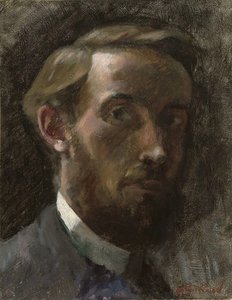
Jean-Édouard Vuillard
1868 - 1940 , Francia
Érmeradatok
- Artistic Movement Or Style: Nabis
- Artists Or Movements Influenced By This Artist:
- Cubism
- Fauvism
- Artists Who Influenced This Artist: ['Paul Gauguin']
- Date Of Birth: November 11, 1868
- Date Of Death: June 21, 1940
- Full Name: Jean-Édouard Vuillard
- Nationality: Francia
- Notable Artworks:
- Woman Sweeping
- Sunlit Interior
- Place Of Birth: Cuiseaux, Francia