

A képen: · A kerettel együtt:
 Megtekintés

 Küldés
 Megosztás
 Részletek
 Információs lap


 Letöltés
 Hasonló darabok
 X-ray felvétel
 Diavetítés
 Kérdések és válaszok

 Statisztika
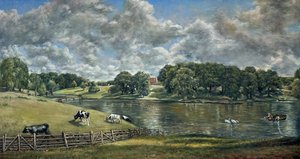
Flatford Mill (John Constable, 1817)

- 50.0 x 60.0 cm


Vászon- és fine art nyomatok Ft16556-tól, 28 x 36 cm méretben
Kézzel festett olajfestmény reprodukció, Ft65884-től
- Ingyenes világszinten történő szállítás 3-4 hét alatt
- A tubában szállított nyomtatványok kézbesítése 3-4 hét
- 100 napos visszaküldési garancia, pénz-visszatérítés
- 241 vásárló értékelése: 4.9/5 az ArtShopReviews.com oldalon
Ft 25678
Giclée / Műnyomat
Múzeumi minőségű giclée vagy vászonnyomat, gyors gyártással és rugalmas finomítási lehetőségekkel. ( Impressionista olajfestmény Digitális másolat vásárlása
)
Technika
 További információk
Költséghatékony nyomatunk: ugyanaz a kép, amelyet pamut vászon helyett 260 g/m² nyomtatási felületű poliészter vászonra nyomtatunk, csomagolva és feltekerve, hagyományos postai úton, 3-4 hét alatt szállítjuk. Csak feltekert formában (nincs vásznitartó, nincs keret) és nem sürgős gyártással, a 80 cm vagy annál kisebb, legalább egy oldali méretű vásznak. Kb. 30% olcsóbb, mint a pamut vászonnyomat.
Ez a méret nem elérhető: legalább az egyik oldal legyen 80 cm vagy annál kisebb.
Csak tekercsekben: válassza a cs tube-ban feltekercselt vásznét ehhez a nyomtatványhoz.
Elérhető olyan méretekben, amelyeknek mindkét oldala 110 cm vagy annál kisebb. A nagyobb méreteknél a nyomat matt pamut vászonra kerül.
A matt archív vászon nem elérhető ehhez a mérethez: mindkét oldalnak 110 cm vagy annál kisebbnek kell lennie. A nyomatot helyette matt pamut vászonra készítjük.
Az üvegkeretes opció csak 110 cm alatti méretben érhető el
Méret
·Válasszon előre meghatározott méreteink közül, amelyek megfelelnek a műalkotás eredeti arányainak.
Méretek betöltése...

szélesség
magasság
Írja be a keretének vagy a falának megfelelő szélességet és magasságot. A nyomatot csak le lehet vágni, soha nem tehető nagyobbá, mint az eredeti kép, így egy eltérő alakú méretnél a kép egy része elveszik. Mielőtt bármit kinyatintanánk, küldünk egy digitális próbamodellt jóváhagyásra. Az oldalon látható kép nem tartalmazza a valós levágást — ezt csak a próbamodell mutatja meg.
Standard méret
egyedi méretű
CM
INCH
Befejezés
·
Fehér Ft1

Elmosódott szélek Ft1

Kiterjesztett Ft1

P118B Ft10

P118H Ft10

P118W Ft10

P438Z Ft10

P508JH Ft12

P508YH Ft12

P805H Ft10

P805Z Ft10

P919BZ Ft10

P919G Ft10

P919XJ Ft10

P959ZH Ft10

P968JZ Ft12

W106C Ft8

W218G Ft10

W218JH Ft8

W218Y Ft10

W307PJ Ft10

W316G Ft10

W316PJ Ft8

W316Y Ft10

W398PJ Ft8

W4111J Ft10

W500HY Ft15

W500JH Ft15

W692G Ft12

W849H Ft8

W940BG Ft15

W953PJ Ft8
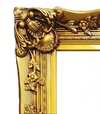
H24-GOLD Ft30
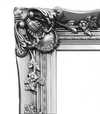
H24-SILVER Ft30
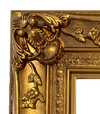
H36-GOLD Ft70
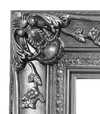
H36-SILVER Ft70
Védődobozban, feltekercselve szállítva, készen a saját keretbe helyezésre.
Extrák
opcionálisMit tartalmaznak a plusz szolgáltatások?
Világszerte történő kiszállítás területére mindössze 2 hét alatt, a szokásos 4-5 hét helyett. (27 december)
A gazdaságos poliester vászon nyomatoknál a sürgős gyártás és a gyorspostai kézbesítés nem választható ki, mivel ezek a termékek normál postai úton érkeznek meg.
Védőréteg (Lakk)
Névtábla
A gravírozott bronztábla részletei
Elegáns tábláján a művész neve és a mű címe finoman domborozott, időtlen megjelenést biztosítva.
Bronzból készült, finom, elegáns felülettel. A szöveg precíz lézergravírozású, így éles és tartós eredményt biztosít. A 9x2 cm-es méretű tábla kompakt, mégis könnyen olvasható. Tartós és karcolásmentes kialakításával professzionális, múzeumi minőségű megjelenést kölcsönöz. A rögzítés egyszerű a mellékelt ragasztós hátoldalnak köszönhetően.
Átlátszó akril tábla részletei
A táblán gravírozott részletek közé tartozik a művész neve, a mű címe, a készítés dátuma, a használt technika (például olajvászon vagy akvarell), a mű rövid leírása, valamint egy QR-kód, amely a teljes műalkotásról szóló információkhoz mutat.
Átlátszó akrilból készült, letisztult, modern megjelenést kölcsönözve. A szöveg UV-gravírozott fekete színnel készült a maximális vizuális kontraszt érdekében. A 10x15 cm-es méret optimális olvashatóságot biztosít. Két fémfűzős rögzítővel rendelkezik a biztonságos falra szereléshez. Az időjárásnak ellenálló kialakításnak köszönhetően különféle környezetben is megtartja esztétikai értékét, valamint interaktív funkciókkal rendelkezik, amelyek zökerségmentesen működnek a okostelefonnal történő beolvasás során.
Fekete akril tábla részletei
Ez az elegáns tábla gravírozott információkat tartalmaz, mint például a művész neve, a mű címe, a készítés dátuma, a használt technika (például olajvászon vagy akvarel), a mű rövid leírása, valamint egy QR-kód a további információk gyors eléréséhez.
A tábla prémium minőségű, finomított fekete akrilből készült. A szöveg fehérre égetett, így nagy kontrasztot és kiváló olvashatóságot biztosít. A 10x15 cm-es méretű kialakítás könnyen olvasható. A csomag tartalmaz két fém akasztót a professzionális rögzítéshez. A letisztult design bármilyen belsőépítészeti stílushoz illeszkedik. Emellett időjárásálló és tartós, valamint mobilkompatibilitás érdekében digitális integrációval rendelkezik.
Az üvegkeretes opció csak 110 cm alatti méretben érhető el
 Az üvegkeretes opció csak 110 cm alatti méretben érhető el
- Ingyenes világszinten történő szállítás 3-4 hét alatt
- Prémium minőségű len vászon
- Teljes körű szállítási biztosítás
- Vámvisszatérítési Garancia
- Hiteles színarányosság garancia
- 100 napos visszaküldési garancia, pénz-visszatérítés
- 100% pénzvisszatérítési garancia
- Több darab vásárlásakor kedvezmény


Flatford Mill: John Constable és a Romanticism pillanata
A tranquil river scene with boats and a horse by the water's edge, rendered with thick impasto to capture the shifting light of the Stour Valley.
John Constable: életrajz
Mária tbc-s halála arra késztette őt, hogy feketébe öltözik, és későbbi évek expresszív táblaképeit festse.
A műalkotásról
Identification of Flatford Mill by John Constable
Flatford Mill is an 1817 landscape painting by the British artist John Constable. This work offers a view of the mill located in East Bergholt on the River Stour. It is also known by the subtitle Scene on a Navigable River. The scene captures a specific moment in the rural landscape of the Stour Valley, focusing on the quiet activity surrounding the water's edge.
The painting was first presented to the public when it was displayed at the Royal Academy's Summer Exhibition at Somerset House in 1817. At that time, it established the artist's interest in the specific topography of his home region. The composition centers on the mill and the river, providing a detailed look at the relationship between the water and the surrounding land.
The Composition and Visual Elements
The composition pulls you into a world of lush greens and reflective waters. At the heart of the scene, the calm, reflective waters of the river act as a mirror to the lush, verdant banks. This interplay of light and liquid creates a sense of depth that draws the eye toward the center of the work. A moored boat and distant figures provide a gentle human connection to the vastness of the Suffolk countryside, grounding the landscape in a quiet, lived-in reality.
Several individuals stand near the water's edge, their presence adding a subtle layer of activity to the peaceful scene. On the left side of the image, a horse is positioned near the bank, its form integrated into the pastoral setting. Two boats are visible in the water; one is situated towards the center, while another rests slightly to the right. These elements, combined with the rhythmic presence of the river, establish a sense of harmony within the rural environment.
Technique and Artistic Materials
In this oil on canvas, one can sense the methodical preparation that preceded the final application of paint. Before committing to the large-scale composition, the artist relied on a foundation of oil sketches, graphite drawings, and watercolour studies. This disciplined approach allowed for a careful arrangement of the landscape's complexities. The resulting work possesses a physical weight, achieved through the use of thick impasto to build up texture across the surface. This tactile quality gives the river and the earth a sense of movement and life.
There is a particular luminosity in the way the light interacts with the water and the sky. This effect is achieved through the painstaking layering of thin glazes of paint. Such a technique allows light to penetrate the surface, creating an illusion of shimmering luminescence that mimics the shifting atmosphere of the Stour Valley. It is a quiet, deliberate mastery of light and shadow.
Historical Ownership and Collections
The provenance of this work is deeply connected to the artist's own legacy. It was eventually included as part of the Constable Bequest in 1888, ensuring its place within the public consciousness. This transition from private hands to a permanent collection secured its survival for future generations to study.
Today, the painting is held within the collection of Tate Britain. It is also part of the holdings at the Tate Gallery in London. These institutions maintain the work as a significant part of their English landscape holdings. Additionally, the National Trust holds a connection to the work through its stewardship of the surrounding landscapes and properties.
Related Works by John Constable
To understand the evolution of this artist, one might look toward his earlier explorations of the Stour Valley. In 1815, he produced Boat-building near Flatford Mill, a work that captures the rhythmic sounds of craftsmanship against a quiet river setting. This piece reflects his deep connection to the local landscape and the dignity of rural labor. It is a quiet study of the textures found in the Suffolk countryside.
His later compositions often expanded in scale and ambition. He moved toward larger canvases, such as The Hay Wain from 1821, which remains one of his most recognized depictions of the river. Other significant works include The Cornfield (1826) and The Lock (1824), both of which continue his investigation into the interplay of light and water. He also turned his attention to more architectural subjects, such as Salisbury Cathedral from the Meadows in 1831.
- Boat-building near Flatford Mill (1815)
- The Hay Wain (1821)
- The Lock (1824)
- The Cornfield (1826)
- Salisbury Cathedral from the Meadows (1831)
Where to See This Masterpiece Today
If you wish to experience the subtle shifts of light and the texture of the River Stour in person, you will find this work held within the collections of the Tate Gallery in London. It is part of the permanent collection at Tate Britain, where the painting is kept for public viewing. The work remains a significant part of the Tate Britain collection, allowing visitors to observe the specific impasto and the atmospheric perspective that Constable achieved in 1817.
The painting is situated in London, United Kingdom. It is housed within the Tate Gallery, London, providing a quiet space to study the relationship between the water and the sky. Being part of the Tate Britain collection, it is accessible to those who appreciate the nuances of the Romantic tradition in a museum setting.
Kérdések és válaszok
Ez a Flatford Mill című mű reprodukciója kézzel festett vagy nyomtatott?
Nyomtatva: Flatford Mill giclée-nyomtatásként készül pamut vászonra vagy Epson archív vászonpapírra.
Mekkora méretet válasszak a Flatford Mill című műhöz?
Az eredeti mű mérete 50 x 60 cm. A méretek 28.2 x 35.5 cm (Ft16556)-től 192.6 x 242.9 cm (Ft150014)-ig terjednek; az oldalon található táblázat tartalmazza a különböző átméretű lehetőségeket és azok árait.
Mennyi ideig tart a szállítás?
A tubában szállított nyomatok ingyen, normál postai úton 3–4 hét alatt érkeznek meg; a vászonra stretchelt vagy keretezett nyomatok szállítási ideje 4–5 hét. A futárszolgálat kizárólag az oldalon elérhető, fizetős Express Delivery opció esetén választható. A terméket 100 napon belül, bármely feltétel nélkül visszaküldhatja a teljes összeg visszatérítéséért.
Milyen technikát/anyagot használt John Constable a(z) Flatford Mill című műhöz?
Oil On Canvas
Gyors tények és művészeti kvíz
John Constable életrajza

John Constable
1776 - 1837, Egyesült Királyság
John Constable: élet, művek és biografia
Gyors információk John Constable művészről
- Artistic Movement Or Style: Romantika
- Artists Or Movements Influenced By This Artist: ['Barbizonok iskolája']
- Artists Who Influenced This Artist: ['Claude Lorrain']
- Date Of Birth: 1776
- Date Of Death: 1837
- Full Name: John Constable
- Nationality: Brit
- Notable Artworks:
- The Hay Wain
- Hadleigh Castle
- Salisbury Cathedral from the Meadows
- Netley Abbey
- Place Of Birth: East Bergholt, Egyesült Királyföld
Hasonló műalkotások
Hasonló hangulatú alkotások, amelyek visszaadják e mű fényét, színeit és atmoszféráját.


Fedezze fel a műalkotásokat témák, stílusok és jellemzők szerint csoportosítva.




John Constable
Flatford Mill
() ·
A kerettel együtt: ·
Összesen