

 Megtekintés
 Küldés
 Megosztás
 Részletek
 Útmutató

 Letöltés
 Hasonló darabok
 X-ray felvétel
 Diavetítés
 Kérdések és válaszok
 Statisztika
McSorley


Experience John Sloan's iconic 'McSorley’s Bar,' a vibrant 1912 oil painting capturing NYC nightlife & the Ashcan School movement. A timeless depiction of urban life, now available as a limited-edition print.
 Összes részlet megjelenítése
"Hungarian Meta Description": "John French Sloan (1871-1951) az Ashcan School egyik vezető alakja, a New York utcáit és munkások életét ábrázolta realista stílusban. Kiemelkedő művei a városi jelenetek, a szegények élete és a társadalmi igazságosság témái tükrözik."
Giclée / Műnyomat
Múzeumi minőségű giclée vagy vászonnyomat, gyors gyártással és rugalmas finomítási lehetőségekkel. ( Kézzel festett másolat rendelése Áttérés digitális képre)




P118B Ft10

P118H Ft10

P118W Ft10

P438Z Ft10

P508JH Ft12

P508YH Ft12

P805H Ft10

P805Z Ft10

P919BZ Ft10

P919G Ft10

P919XJ Ft10

P959ZH Ft10

P968JZ Ft12

W106C Ft8

W218G Ft10

W218JH Ft8

W218Y Ft10

W307PJ Ft10

W316G Ft10

W316PJ Ft8

W316Y Ft10

W398PJ Ft8

W4111J Ft10

W500HY Ft15

W500JH Ft15

W692G Ft12

W849H Ft8

W940BG Ft15

W953PJ Ft8




Standard méret
egyedi méretű
CM
INCH
Válasszon előre meghatározott méreteink közül, amelyek megfelelnek a műalkotás eredeti arányainak.
Loading sizes...

szélesség
magasság
Írja be a keretének vagy a falának megfelelő szélességet és magasságot. A nyomatot csak le lehet vágni, soha nem tehető nagyobbá, mint az eredeti kép, így egy eltérő alakú méretnél a kép egy része elveszik. Mielőtt bármit kinyatintanánk, küldünk egy digitális próbamodellt jóváhagyásra. Az oldalon látható kép nem tartalmazza a valós levágást — ezt csak a próbamodell mutatja meg.
Világszerte történő kiszállítás területére mindössze 2 hét alatt, a szokásos 4-5 hét helyett. (4 november)

Ingyenes globális expressz szállítás

Prémium minőségű len vászon

Teljes körű szállítási biztosítás

Vámvisszatérítési Garancia

Hiteles színarányosság garancia

100 napos visszaküldési lehetőség (csak hibás termékek esetén)

100% pénzvisszatérítési garancia

Több darab vásárlásakor kedvezmény
 Az üvegkeretes opció csak 110 cm alatti méretben érhető el

McSorley
Giclée / Műnyomat
Reprodukció mérete
-


Összesített ár
Ft 22729
A Glimpse into the Grit and Glamour of Chelsea
John French Sloan’s “McSorley’s Bar,” painted in 1912, isn’t merely a depiction of a New York City tavern; it's a meticulously observed snapshot of an era – the dawn of the Ashcan School movement and the burgeoning social consciousness of early 20th-century America. The painting captures a specific moment within McSorley’s Old Ale House, a Chelsea institution that remains remarkably unchanged today, offering a tangible link to the past. Sloan wasn't interested in romanticizing urban life; instead, he presented it with unflinching honesty, revealing the quiet dramas and everyday interactions unfolding within this working-class establishment.

(Image source: Wikimedia Commons)
The Ashcan School and a Realist Vision
Sloan’s work is inextricably linked to the Ashcan School, a group of American artists who rejected the idealized portrayals favored by academic art traditions. Instead, they focused on depicting the realities of urban life – poverty, labor, and the often-overlooked experiences of ordinary people. Sloan's meticulous attention to detail—the worn surfaces of the tables, the flickering gaslight, the expressions on the faces of the patrons—is a hallmark of this movement. He wasn’t aiming for grand narratives; he sought to capture the essence of a specific place and time through careful observation and skillful rendering.
The painting's composition is deliberately understated, yet powerfully evocative. Sloan employs a muted color palette – predominantly browns, grays, and ochres—to create a sense of realism and atmosphere. The lighting is dramatic, casting long shadows that emphasize the depth and texture of the scene. Notice how he uses loose brushstrokes to convey movement and energy, capturing the lively conversations and casual interactions among the men at the bar.
Symbolism in the Details
Beyond its immediate depiction of a bar scene, “McSorley’s Bar” is rich with symbolic details. The numerous clocks on the wall are not simply decorative; they represent the relentless passage of time and the pressures of urban life. The worn furniture and simple decor speak to the hardscrabble existence of many of the patrons. Even the arrangement of bottles and glasses suggests a sense of familiarity and routine. The inclusion of two books in the background hints at a desire for intellectual pursuits amidst the everyday hustle, suggesting that this bar was more than just a place for drinking; it was also a gathering spot for those seeking respite and conversation.
A Timeless Portrait of Chelsea
“McSorley’s Bar” remains remarkably relevant today. It's a poignant reminder of the enduring spirit of New York City, its vibrant neighborhoods, and the people who have shaped it. The painting offers a glimpse into a bygone era, inviting us to reflect on the complexities of urban life and the importance of preserving our cultural heritage. Reproductions of this iconic work continue to resonate with collectors and interior designers alike, offering a touch of authentic New York history and artistic brilliance to any space.
Kérdések és válaszok
Ki a "McSorley" mögött álló művész?
A „McSorley” műtémét John French Sloan alkotójának tulajdonítják.
Milyen hangulatot áraszt egy enteriőrben „McSorley”, John French Sloan alkotása?
A Calm hangulatával a "McSorley" című alkotás egy Living Room helyiségbe is javasolt.
Hogyan tölthetem le a(z) „McSorley”, John French Sloan alkotása képét?
A "McSorley" letölthető változatként is elérhető: a mű Letöltés oldala magas felbontású digitális kép letöltése lehetőséget kínál.
A művész életrajza
Early Life and Artistic Awakening
John French Sloan, született August 2, 1871-ben Lock Havenban, Pennszilvániában, a szegénység és a családi felelősség árnyékában nevelkedett. Édesapja mentális problémái miatt fiatalon jelentős feladatokat vállalt a család számára – nem egy luxus életre volttervezve. Ez a korai tapasztalat, a munkások világának közvetlen megélésének ismerete formálta mélyen művészi látásmódját, ami később meghatározta a festészetét. A családdal Philadelphia-ba költöztek, ahol a könyvesboltban, a Porter és Coates vállalatnál kezdte karrierjét, mint asszisztens pénzügyi főnök. Ez a helyszín volt az első találkozása a művészettel – itt tanulmányozhatta a mesterek, például Dürer és Rembrandt alkotásait, és elsajátította az óvatosságra és részletekre való figyelésre jellemző nyomtatott képtechnológiákat. A nyomatok világában, a nyers anyagok között kezdte el saját művészete alkotását, egy olyan stílust fejlesztve, amely a megfigyelés és a precizitás alapjául szolgált. Ez nem volt birtoklásuk vagy szabadidő eredménye, hanem szükségességből és a körülöttük világ iránti éles szemléléséből fakadóan született – egy olyan alapot, melyen később remekműveket építkezhetett.Az Ashcan School és Az Urbán Realizmus
Sloan pályafutása jelentős változást szenvedett el Robert Henri találkozásával, egy karizmatikus festővel, aki a művészi önállóságot és az hétköznapi élet ábrázolására való elköteleződést hirdette. Ez a kapcsolat vezette Sloan-t a Ashcan School szívehez – egy olyan művészeti csoporthoz, amely a századforduló New York Cityjének szürreális valóságát ábrázolta. William Glackens, George Luks, Everett Shinn és mások mellett Sloan is elutasította a kortársainak kedvét tevő idealizált tájakat és portrékat, ehelyett figyelmét a város népesebb utcáira, zsúfolt lakótelepeire és vibráló társadalmi életére fordította. Művei dokumentálták ezt gyakran elfeledett világot – egy olyan helyet, amelyet a művészeti elit általában elhanyagolt. Sloan nem csupán dokumentálta, hanem azokat a szegény polgárokat is ábrázolta, akiknek életét megörökítette, emelvé őket a vászonra, és méltóságot kölcsönözve nekik. A képzőművészet nem volt csupán esztétikai célból fontos; az elkötelezettségét a társadalmi igazságságosság iránt is formálta, bár mindig megkülönböztette művészetét és politikai nézeteit.Stílus és Hatások
Sloan művészi stílusa egyedülállóan ötvögezi a különböző hatásokat. Bár gyökerei a realisztikus művészetben vannak, munkái nem hiányoztak stilisztikai finomságokból sem. A sötét, gazdag árnyalatokat használt, gyakran hangsúlyozva a fény és árnyék közötti kontrasztot, hogy egy dramatikus és atmoszférikus képet hozzon létre. Képeinek kompozíciói alaposan megtervezettek voltak, gyakran erőteljes diagonálokat alkalmazva, hogy a néző figyelmét a képbe vonják. Az óvatosságra jellemző vonalalkotás és részletekre való odafigyelés az egyedi nyomtatott képtechnológiákból származik. Henri mellett Sloan inspirációt merített európai mesterekből, például Edgar Degas-tól és Honoré Daumier-től, akik képességüknek köszönhetően képesek voltak a mozgást és a társadalmi kommentárt ábrázolni. Azonban egyedi amerikai hangot formált, amely a New York City energiájával és dinamizmusaival rezonált. Művei nem voltak nagyszerű történetekről vagy történelmi eseményekről; azokra összpontosítottak, amelyek alkotják az urbanizmus szövetét – a kis pillanatokat, a mindennapi élmények, amelyek megtestesítik egy város és lakóit. Szemetet talált szépséget a hétköznapokban, átalakítva a megszokott jeleneteket lenyűgöző művekké. Wake of the Ferry című alkotása például képes arra, hogy egy szinte egyszerű jelenetet is érzelmi mélységre és szimbólumikus jelentésre emelje.Eredmények és Utóhatás
John French Sloan öröksége meghaladja a művészeti iskolába való beütést. Egy termékeny művész volt, aki különböző technikákkal dolgozott – festett, nyomott, litográfiát készített – és folyamatosan foglalkozott az urbanizmus, a társadalmi igazságosság és az emberi kapcsolatok témáival. Elkötelezettsége az amerikai munkások valóságának ábrázolásában előrehozta későbbi generációk művészeinek útját, akik arra törekedtek, hogy kihívják a művészeti hagyományokat és foglalkozzanak társadalmi kérdésekkel. Egy elkötelezett tanár volt, aki tudását és szenvedélyét számtalan diákhoz juttatta karrierje során. Művei nem csupán történelmi dokumentumok; az élet, a szerelem és a veszteség örök arcképei.
John French Sloan
1871 - 1951 , Egyesült Államok
Rövid információk
- Artistic Movement Or Style: Ashcan School, Realizmus
- Artists Or Movements Influenced By This Artist: ['Jövő generációk']
- Artists Who Influenced This Artist: ['Robert Henri']
- Date Of Birth: Augusztus 2, 1871
- Date Of Death: Szeptember 7, 1951
- Full Name: John French Sloan
- Nationality: Amerikai
- Notable Artworks:
- McSorley's Bar
- Fall Greenwich Village
- Ferry szél
- Place Of Birth: Lock Haven, USA
Kapcsolódó cikkek

The Unvarnished Truth: A Cultural Journey Through the Soul of American Realism
Explore the profound beauty of American Realism. From the Ashcan School's urban grit to intimate portraits, discover how artists captured the authentic soul of a nation through unvarnished truth and masterful observation.

Capturing the Light: A Journey Through the Soul of American Impressionism and the Hudson River School
Explore the luminous beauty of American Impressionism and the Hudson River School. Discover a curated journey through light, landscape, and history, celebrating the enduring legacy of masters through exquisite, hand-painted oil reproductions for the discerning art lover.
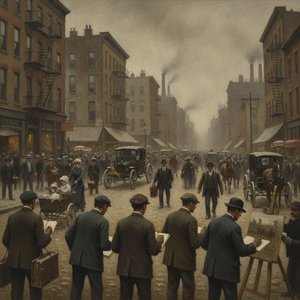
The Ashcan School: Capturing the Raw, Unfiltered Soul of Urban Life through American Realism
Discover the raw beauty of the Ashcan School. Explore how masters like Bellows and Henri captured the gritty, vibrant soul of early 20th-century New York through profound American Realism and evocative urban landscapes.
Fedezze fel a műalkotásokat témák, stílusok és jellemzők szerint csoportosítva.
