

 Megtekintés
 Küldés
 Megosztás
 Részletek
 Útmutató

 Letöltés
 Hasonló darabok
 X-ray felvétel
 Diavetítés
 Kérdések és válaszok
 Statisztika
Ca d

- 33.0 x 47.0 cm


A poignant 1845 depiction of the decaying Venetian Casa d'Oro by John Ruskin captures the tragic beauty of Gothic architecture during its restoration, inviting you to explore this evocative piece of history.
 Összes részlet megjelenítése
Érzékelő művészi szellemű és sokrétű tudós volt John Ruskin (1819-1900), aki megreformálta az angol művészetét és társadalmát. Érdemes megismerni a tájképeit, az építészet kritikáját és az őszinte természet szeretetét tükröző műalkotátait. Egy igazán nagy művészi teljesítményt ért el!
Giclée / Műnyomat
Múzeumi minőségű giclée vagy vászonnyomat, gyors gyártással és rugalmas finomítási lehetőségekkel. ( Kézzel festett másolat rendelése Áttérés digitális képre)




P118B Ft10

P118H Ft10

P118W Ft10

P438Z Ft10

P508JH Ft12

P508YH Ft12

P805H Ft10

P805Z Ft10

P919BZ Ft10

P919G Ft10

P919XJ Ft10

P959ZH Ft10

P968JZ Ft12

W106C Ft8

W218G Ft10

W218JH Ft8

W218Y Ft10

W307PJ Ft10

W316G Ft10

W316PJ Ft8

W316Y Ft10

W398PJ Ft8

W4111J Ft10

W500HY Ft15

W500JH Ft15

W692G Ft12

W849H Ft8

W940BG Ft15

W953PJ Ft8




Standard méret
egyedi méretű
CM
INCH
Válasszon előre meghatározott méreteink közül, amelyek megfelelnek a műalkotás eredeti arányainak.
Loading sizes...

szélesség
magasság
Írja be a keretének vagy a falának megfelelő szélességet és magasságot. A nyomatot csak le lehet vágni, soha nem tehető nagyobbá, mint az eredeti kép, így egy eltérő alakú méretnél a kép egy része elveszik. Mielőtt bármit kinyatintanánk, küldünk egy digitális próbamodellt jóváhagyásra. Az oldalon látható kép nem tartalmazza a valós levágást — ezt csak a próbamodell mutatja meg.
Világszerte történő kiszállítás területére mindössze 2 hét alatt, a szokásos 4-5 hét helyett. (9 november)

Ingyenes globális expressz szállítás

Prémium minőségű len vászon

Teljes körű szállítási biztosítás

Vámvisszatérítési Garancia

Hiteles színarányosság garancia

100 napos visszaküldési lehetőség (csak hibás termékek esetén)

100% pénzvisszatérítési garancia

Több darab vásárlásakor kedvezmény
 Az üvegkeretes opció csak 110 cm alatti méretben érhető el

Ca d
Giclée / Műnyomat
Reprodukció mérete
-


Összesített ár
Ft 22812
A Witness to Vanishing Splendor
In the delicate, precise lines of John Ruskin’s 1845 work, Ca d'Oro, we find more than just a depiction of Venetian architecture; we encounter a poignant eulogy for a fading era. Created during a transformative and turbulent period in Venice, this piece captures the Casa d’Oro at a moment of profound vulnerability. As Ruskin traversed the canals in 1845, he was not merely an observer of beauty but a witness to its systematic dismantling. The painting serves as a hauntingly beautiful record of the building's facade, capturing the intricate Gothic details and the subtle irregularities that spoke of a glorious, yet decaying, past. For the discerning collector, this work offers a rare window into the soul of 19th-century Venice, preserving the very textures that the era’s "restorations" sought to erase.
The composition is anchored by the magnificent, ornate architecture of the palace, where large, numerous windows create a rhythmic sense of grandeur and light. Ruskin’s technique, rooted in his deep commitment to truth in art, allows the viewer to perceive the weight and history of the stone. The prominent clock tower rises with a commanding presence, acting as a sentinel over the bustling scene below. Scattered throughout the foreground, small figures move through the space, providing a sense of scale that emphasizes the monumental nature of the structure. There is a palpable tension in the brushwork—a careful balance between the architectural precision required to document the Gothic carvings and a soft, atmospheric quality that evokes the humid, shimmering air of the Venetian lagoon.
Beyond its technical mastery, the emotional resonance of Ca d'Oro lies in its inherent melancholy. To look upon this piece is to feel the heartache of the artist, who famously lamented seeing the "noble pile" being hammered down by workmen. The painting captures a fleeting moment of existence before the loss of the red marble bases and the legendary interior staircase. For an interior designer or art enthusiast, this work brings a sense of historical depth and intellectual gravity to any space. It is not merely a decorative element but a conversation piece that invites contemplation on the themes of preservation, the passage of time, and the sanctity of original craftsmanship. Owning a reproduction of this masterpiece means hosting a fragment of history—a tribute to the enduring power of beauty even in the face of inevitable decay.
Kérdések és válaszok
Hol függene jól a „Ca d”, John Ruskin alkotása reprodukciója?
A „Ca d”, John Ruskin alkotása Landscape formátumú alkotása egy Living Room számára ajánlott. A formátum és a tér együtt segítik a reprodukció elhelyezését.
Milyen más neveken ismert John Ruskin?
A „Ca d” alkotójáról, John Ruskin nevű művészről ismert egyéb nevek között szerepel Sir John Everett Millais, Ruskin.
Melyik helyiségben javasolt a(z) "Ca d" kihelyezését a színei alapján?
A „Ca d”, John Ruskin alkotása Neutrals színei tökéletesen illeszkednek a javasolt helyiséghez: egy Living Room.
A művész életrajza
John Ruskin (1819–1900) – Egy Szellem Élete és Öröksége
John Ruskin, született 1819 februárjában Londonban, nem csak egy viktorián művészkritikus volt; ő egy igazán sokrétű tudós és alkotó személyiség volt, aki befolyással gyakorolt át hatalmas erővel az esztétika területén, valamint társadalmi reformokra, közgazdasági ismeretekre és környezetvédelmi gondolatokra. Élete különös kettősséget tükrözött – szülője, John James Ruskin, sikeres sherry kereskedő volt, és édesanyja, Margaret Cock egy intenzív evangélikus vallásosságú nő volt. Ez a kontrasztos felnövekedés mindkét szemében mély megfigyelési érzéket és egy igazán erkölcsös világtalanságot tanította meg, mely meghatározta egész művészi életét. Egy fiatal korában Ruskin oktatásának gondosan kiválasztották otthonában, melyet biblikus tanulmányokkal és az angol romantika irodalmával töltött el, különösen Byron és Walter Scott műveivel. Ezek a közös felnövekedési körülmények olyan elmét hoztak létre, amely szigorúan következetesen keresett kapcsolatokat a szépség, igazság és erkölcsös élet között. Egyetemi tanulmányait Oxford Egyetemen kezdte meg, ahol megfogalmazta saját művészi elképzeléseit és az alkotás szerepét társadalomban.A Művészkritikus Új Születés
Ruskin művészi karrierje elindult *Modern Painters* című monumentális öt évkönyvével (1843–1860), mely elsősorban J.M.W. Turner védelmére irányult és amelyet Ruskin igazságtalan kritikának tekintett. Az alkotás azonban gyorsan túlmutatott azon az egyszerű célön, hogy Turner művészetét megvédje – egy átfogó tanulmány lett az önmagában arról, mi az művészi szépség és hogyan kapcsolódik össze az igazsághoz és az erkölcsös élethez. Ruskin nem csak elemzett technikát; mélyén vizsgálta az alkotás szellemi és morális tulajdonságait, úgy gondolta bowiem, hogy egy művész valódi szépsége egy igazán jó lelke tükröződik vissza. Ez a megközelítés akkoriban forradalmas volt, kihívva fel az akkori akadémiai szabványokat és megnyitva utat új művészi érzékeléseknek. Ruskin nem csak azt kérdezte meg, hogyan lehet igazán jól festeni; hanem azt is vizsgálta, hogy milyen értékeket tükrözhet egy alkotás és milyen kapcsolatban állhat azzal a világgal körülötte. Az eredmény pedig egy olyan művészi felfedezés volt, amely nagyban befolyással gyakorolt át az európai művészet története során. Ráadásul Ruskin nem csak azt kérdezgette meg, hogy miért és milyen okból választják meg az alkotók bizonyos témákat – hanem azt is vizsgálta, hogy ezek milyen jelentéssel rendelkeznek és milyen kapcsolatban állnak össze egymással. Ez egy olyan művészi szemlélet volt, amely nagyban befolyással gyakorolt át az európai művészet története során.A Természet Szerelmese és Az Érzelem Szelleme
Ruskin művészi világtalansága alapvetően összefüggött a természet iránti mély szeretetével és megfigyelési érzékével. Egy különös képességű tudós volt, aki képes volt felfedezni az apró részleteket és ezek komplex együttállítását – egy olyan jelenséget, amely ma már a „fractal geometria” alapját képezi a Chaos Sziszegészethez tartozó elméletében. Együtt dolgozott William Holman Hunt-tal és Dante Gabriel Rossettivel, akik közös céljuk volt az akadémiai művészet kritikája és megújítása. Az ő művészei nem csak azt kérdezték meg, hogy miért és milyen okból választják meg bizonyos témákat – hanem azt is vizsgálták, hogy ezek milyen értékeket tükröznek és milyen kapcsolatban állnak össze egymással. Ez egy olyan művészi szemlélet volt, amely nagyban befolyással gyakorolt át az európai művészet története során. Ruskin számára nem csak a szépség számított – hanem az alkotás valódi értéke is azon múlott, hogy mennyire tükröződik vissza az alkotó lelke és milyen kapcsolatban áll azzal a világgal körülötte. Együtt dolgozott William Holman Hunt-tal és Dante Gabriel Rossettivel, akik közös céljuk volt az akadémiai művészet kritikája és megújítása. Az ő művészei nem csak azt kérdezték meg, hogy miért és milyen okból választják meg bizonyos témákat – hanem azt is vizsgálták, hogy ezek milyen értékeket tükröznek és milyen kapcsolatban állnak össze egymással. Ez egy olyan művészi szemlélet volt, amely nagyban befolyással gyakorolt át az európai művészet története során.A Sztéta Érzék És Az Együttműködés Ünnepélye
Ruskin számára nem csak a szépség számított – hanem az alkotás valódi értéke is azon múlott, hogy mennyire tükröződik vissza az alkotó lelke és milyen kapcsolatban áll azzal a világgal körülötte. Együtt dolgozott William Holman Hunt-tal és Dante Gabriel Rossettivel, akik közös céljuk volt az akadémiai művészet kritikája és megújítása. Az ő művészei nem csak azt kérdezték meg, hogy miért és milyen okból választják meg bizonyos témákat – hanem azt is vizsgálták, hogy ezek milyen értékeket tükröznek és milyen kapcsolatban állnak össze egymással. Ez egy olyan művészi szemlélet volt, amely nagyban befolyással gyakorolt át az európai művészet története során. Ruskin számára nem csak a szépség számított – hanem az alkotás valódi értéke is azon múlott, hogy mennyire tükröződik vissza az alkotó lelke és milyen kapcsolatban áll azzal a világgal körülötte. Együtt dolgozott William Holman Hunt-tal és Dante Gabriel Rossettivel, akik közös céljuk volt az akadémiai művészet kritikája és megújítása. Az ő művészei nem csak azt kérdezték meg, hogy miért és milyen okból választják meg bizonyos témákat – hanem azt is vizsgálták, hogy ezek milyen értékeket tükröznek és milyen kapcsolatban állnak össze egymással. Ez egy olyan művészi szemlélet volt, amely nagyban befolyással gyakorolt át az európai művészet története során. ## Egy Új Szemmel Néző Művészkritikus És Tudós Ruskin művészkritikusa és tudósa egyben egy igazán különleges személyiség volt – aki nem csak azt kérdezgette meg, hogy miért és milyen okból választják meg bizonyos témákat – hanem azt is vizsgálta, hogy ezek milyen értékeket tükröznek és milyen kapcsolatban állnak össze egymással. Ez egy olyan művészi szemlélet volt, amely nagyban befolyással gyakorolt át az európai művészet története során. Együtt dolgozott William Holman Hunt-tal és Dante Gabriel Rossettivel, akik közös céljuk volt az akadémiai művészet kritikája és megújítása. Az ő művészei nem csak azt kérdezték meg, hogy miért és milyen okból választják meg bizonyos témákat – hanem azt is vizsgálták, hogy ezek milyen értékeket tükröznek és milyen kapcsolatban állnak össze egymással. Ez egy olyan művészi szemlélet volt, amely nagyban befolyással gyakorolt át az európai művészet története során. Együtt dolgozott William Holman Hunt-tal és Dante Gabriel Rossettivel, akik közös céljuk volt az akadémiai művészet kritikája és megújítása. Az ő művészei nem csak azt kérdezték meg, hogy miért és milyen okból választják meg bizonyos témákat – hanem azt is vizsgálták, hogy ezek milyen értékeket tükröznek és milyen kapcsolatban állnak össze egymással. Ez egy olyan művészi szemlélet volt, amely nagyban befolyással gyakorolt át az európai művészet története során. Együtt dolgozott William Holman Hunt-tal és Dante Gabriel Rossettivel, akik közös céljuk volt az akadémiai művészet kritikája és megújítása. Az ő művészei nem csak azt kérdezték meg, hogy miért és milyen okból választják meg bizonyos témákat – hanem azt is vizsgálták, hogy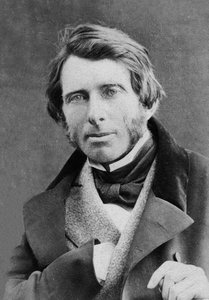
John Ruskin
1819 - 1900 , Egyesült Királyság
Rövid információk
- Artistic Movement Or Style: Victorian Art
- Artists Or Movements Influenced By This Artist: ['Pre-Raphaelites']
- Artists Who Influenced This Artist: ['J.M.W. Turner']
- Date Of Birth: Feb 8, 1819
- Date Of Death: Jan 20, 1900
- Full Name: John Ruskin
- Nationality: British
- Notable Artworks:
- Dawn, Coniston
- Fors Clavigera
- Place Of Birth: London, UK
Kapcsolódó cikkek

Shadows & Splendor: A Journey Through the Soul of Gothic Art and Architectural Grandeur
Embark on a profound journey through the spiritual intensity of Gothic art. Explore the architectural marvels, luminous stained glass, and sacred sculptures that define this era of grandeur and human devotion.