


 Megtekintés
 Küldés
 Megosztás
 Részletek
 Útmutató

 Letöltés
 Hasonló darabok
 X-ray felvétel
 Diavetítés
 Q&A
Q&A Statisztika
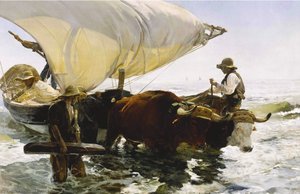
Toros
José Navarro Llorens (1867-1923) was a Spanish painter known for vibrant Orientalist scenes, captivating genre paintings, local landscapes & portraits. Discover his impressionistic style and connection to the Valencian School.
 Összes részlet megjelenítése
Giclée / Műnyomat
Múzeumi minőségű giclée vagy vászonnyomat, gyors gyártással és rugalmas finomítási lehetőségekkel. ( Kézzel festett másolat rendelése Áttérés digitális képre)




































Standard méret
egyedi méretű
CM
INCH
Válasszon előre meghatározott méreteink közül, amelyek megfelelnek a műalkotás eredeti arányainak.
Loading sizes...

szélesség
magasság
Írja be a keretének vagy a falának megfelelő szélességet és magasságot. A nyomatot csak le lehet vágni, soha nem tehető nagyobbá, mint az eredeti kép, így egy eltérő alakú méretnél a kép egy része elveszik. Mielőtt bármit kinyatintanánk, küldünk egy digitális próbamodellt jóváhagyásra. Az oldalon látható kép nem tartalmazza a valós levágást — ezt csak a próbamodell mutatja meg.
Világszerte történő kiszállítás területére mindössze 2 hét alatt, a szokásos 4-5 hét helyett. (31 október)

Ingyenes globális expressz szállítás

Prémium minőségű len vászon

Teljes körű szállítási biztosítás

Vámvisszatérítési Garancia

Hiteles színarányosság garancia

100 napos visszaküldési lehetőség (csak hibás termékek esetén)

100% pénzvisszatérítési garancia

Több darab vásárlásakor kedvezmény
 Az üvegkeretes opció csak 110 cm alatti méretben érhető el

Toros
Giclée / Műnyomat
Reprodukció mérete
-


Összesített ár
Ft 22561



A művész életrajza
José Navarro Llorens: A Valencian Master of Light and Exotic Landscapes
José Navarro Llorens (1867-1923) stands as a significant, yet often underappreciated, figure in late 19th and early 20th century Spanish art. Born in Godella, near Valencia, his life was inextricably linked to the vibrant cultural landscape of his homeland, particularly the artistic traditions of the Valencian School. While he initially trained at the prestigious San Carlos Academy in Valencia, Navarro’s true artistic journey led him beyond the familiar shores of Spain, ultimately establishing him as a master of Orientalist painting and a keen observer of local life. His work is characterized by a distinctive impressionistic style, infused with warmth, color, and a deep appreciation for light – qualities that cemented his place within the broader context of European art movements.Early Life and Artistic Influences
Navarro’s early years were shaped by the artistic currents circulating in Valencia at the time. The Valencian School, known for its focus on capturing the essence of local life – particularly the city's architecture, festivals, and everyday scenes – provided a crucial foundation for his development. However, Navarro quickly demonstrated an inclination towards subjects that extended beyond the purely regional. His travels, beginning in his youth, proved pivotal to his artistic evolution. Notably, he spent considerable time in Morocco, immersing himself in its culture, landscapes, and people. This experience profoundly impacted his style, introducing him to the exoticism of the East and inspiring a fascination with subjects like bustling marketplaces, desert scenes, and the lives of nomadic communities. The influence of Mariano Fortuny is particularly evident in Navarro’s approach to color and composition – a deliberate choice that contributed significantly to the evocative quality of his paintings. Furthermore, he admired Joaquín Sorolla's work, incorporating elements of its dynamic brushwork and focus on capturing fleeting moments of light.A Palette of Exoticism: Key Themes and Techniques
Navarro’s oeuvre is remarkably diverse, encompassing a range of subjects that reflect his multifaceted artistic interests. He excelled at depicting scenes from Morocco – the vibrant chaos of souks (markets), the vastness of the desert landscapes, and the faces of its inhabitants. These works are characterized by a masterful use of color, employing warm hues to create a sense of heat and atmosphere. His paintings frequently feature strong contrasts between light and shadow, further enhancing their dramatic effect. Beyond his Orientalist subjects, Navarro also produced captivating genre paintings that captured the essence of Valencian life – scenes of rural landscapes, bustling town squares, and portraits of local people. His technique involved loose, expressive brushstrokes—a hallmark of Impressionism—allowing him to convey both the immediacy of a scene and its underlying emotional resonance. He skillfully utilized broken color techniques, layering hues to achieve luminous effects and capturing the shimmering quality of light on water or sand.Notable Works and Recognition
Several of Navarro’s paintings stand out as particularly noteworthy examples of his artistic skill and vision. “Jitanos” (Gypsies), a vibrant depiction of a group of traveling Romani people, exemplifies his ability to capture the dignity and resilience of marginalized communities. "La Plaza Redonda" (The Round Square) offers a captivating glimpse into a bustling Mediterranean town square, brimming with life and color. “Escena En La Playa” (Beach Scene), showcases his talent for capturing the drama of the sea and the interaction between people and their environment. His work was exhibited both in Spain and abroad, garnering recognition at prestigious venues such as the Prado Museum in Madrid and the Musée d’Orsay in Paris. In 1908, he traveled to Rio de Janeiro, where his paintings were met with considerable acclaim.Legacy and Historical Significance
José Navarro Llorens's contribution to Spanish art is often overshadowed by more celebrated contemporaries, yet his distinctive style and thematic concerns deserve greater recognition. He represents a crucial link between the Valencian School’s focus on local life and the broader European movement of Orientalism. His paintings offer valuable insights into the cultural exchange that characterized late 19th-century Spain, reflecting both a deep appreciation for his homeland and an openness to the exotic allure of distant lands. His legacy endures through his captivating works, which continue to resonate with viewers today, offering a glimpse into a vibrant era of artistic innovation and cultural exploration. His work is now housed in several prominent museums, ensuring that his unique vision will be appreciated for generations to come.
José Navarro Llorens
1867 - 1923 , Spain
Rövid információk
- Artistic Movement Or Style: Orientalist, Impressionism, Valencian School
- Artists Or Movements Influenced By This Artist: ['Joaquin Sorolla']
- Artists Who Influenced This Artist: ['Mariano Fortuny']
- Date Of Birth: 1867
- Date Of Death: 1923
- Full Name: José Navarro Llorens
- Nationality: Spanish
- Notable Artworks:
- Jitanos
- La plaza redonda
- Jitanillos
- Place Of Birth: Valencia, Spain