


 Előnézet
 Megosztás
 Megosztás
 Részletek
 Útmutató

 Letöltés
 Hasonló darabok
 X-ray felvétel
 Diavetítés
 Statisztika
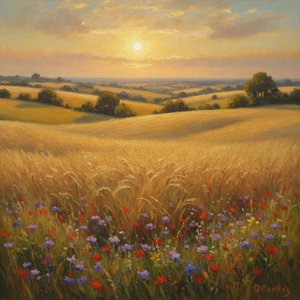
Mowing

Discover Laureano Barrau’s ‘Mowing,’ an Impressionistic masterpiece capturing rural Spain’s beauty. Explore warm colors, loose brushstrokes & nostalgic scenes of harvest life.
Discover Laureano Barrau’s Impressionist paintings of Ibiza & Spain. Explore serene landscapes, portraits, and iconic works from this Spanish master.
 Tovább olvasom
Az ezen az oldalon megjelenített műalkotások szerzői jogi védelem alatt állnak, ami azt jelenti, hogy törvényileg nem készíthetünk és nem adhatunk el belőlük pontos másolatokat. Ez a védelem olyan nemzetközi megállapodások alapján érvényesül, mint például a Berni Egyezmény és a nemzeti törvények által, beleértve azokat is, amelyeket meghatározott Az USA szerzői jogi törvénye – 17. cím.
Mint tiszteletes és törvényes alternatívát, olyan egyedi, kézzel festett alkotásokat kínálunk, amelyek az eredetiből merítnek inspirációt. Tapasztalt és professzionális művészeink alaposan tanulmányozzák az eredeti stílusát, hangulatát és művészeti esszenciáját, hogy egy olyan új, egyedi alkotást hozzunk létre, amely ugyanazt az érzést kelti – miközben önálló, eredeti alkotásként létezik.
Ez a módszer teljes mértékben megfelel a szerzői jogi szabályozásnak, mivel nem tartalmazza a védett műalkotás másolását vagy duplikálását. Ehelyett ez egy kreatív újinterpretáció – egy új festmény, amely az eredetivel való összefüggései miatt hatással van rá, de nem az az.
Kézzel készített olajfestmény reprodukció
Kézzel festett olajvastú vászon, az Ön által választott méretben és keretben, művészeink készítik meglévőre. ( Váltás nyomtatványra Áttérés digitális képre)




































Standard méret
egyedi
CM
INCH
Válasszon előre meghatározott méreteink közül, amelyek megfelelnek a műalkotás eredeti arányainak.
Loading sizes...

szélesség
magasság
Írja be a kívánt szélességet és magasságot, hogy illeszkedjen a keretéhez vagy a falához. Mivel ez kézzel festett alkotás, egy eltérő formájú méret esetén a művész akár festhet is valamivel többet a kép körül, vagy korolathat is belőle — az Ön döntésének megfelelően. A festés megkezdése előtt küldünk egy digitális tervezetet jóváhagyásra. Az oldalon látható kép nem tartalmazza a végeredményt — csak a tervezet mutatja meg a valódi eredményt.
Példák arra, mit lehet módosítani: az arc kicserélése az ügyfél fotójára; háziállat hozzáadása (pl. macska helyett kutya); rejtett üzenet elhelyezése a háttérben; a háttér tájának vagy elemeinek megváltoztatása.
A rendelést követően a TopImpressionists.com csapata e-mailt küld az ügyfélnek az instrukciókért, és biztosít egy előnézeti képet (mockup).
A rendelést követően a TopImpressionists.com csapata e-mailt küld az ügyfélnek az instrukciókért, és biztosít egy előnézeti képet (mockup).
Világszerte elérhető szállítás () 3-4 hét alatt a szokásos 5 hét helyett. (23 október). A minőség nem kérdőjelezhető.

Ingyenes globális expressz szállítás

Prémium minőségű len vászon

Teljes körű szállítási biztosítás

Vámvisszatérítési Garancia

Tökéletes színarányosság garancia

100 napos visszaküldési garancia (csak gyártási hibás termékek esetén)

100% pénzvisszatérítési garancia

Több darab vásárlásakor kedvezmény
 Az üvegkeretes opció csak 110 cm alatti méretben érhető el

Mowing
Reprodukciós technika
Reprodukció méretei
-


Összesített ár
Ft 110588
Hasonló műalkotások


A művész életrajza
The Radiant Soul of Spanish Impressionism
Laureano Barrau Buñol stands as a luminous figure in the history of Spanish Impressionism, an artist whose brush possessed the rare ability to capture not just the light of the Mediterranean, but the very soul of the landscapes he inhabited. Born in Barcelona in 1863, Barrau’s artistic journey was one of profound movement and cultural immersion. His early years were rooted in the classical traditions of his homeland, beginning with studies under Antonio Caba in Barcelona before moving to Madrid. It was in the Spanish capital that he first encountered the weight and majesty of the old masters, absorbing the stylistic nuances of legends like Velázquez and Zurbarán. This rigorous foundation in anatomical precision and tonal depth would later serve as the structural skeleton upon which he draped his more fluid, impressionistic visions.
The trajectory of Barrau’s life changed irrevocably when, at the age of twenty, he ventured to Paris. This relocation proved to be the most decisive chapter of his development. Enrolling at the prestigious Académie des Beaux-Arts, he came under the tutelage of Jean-Léon Gérôme, a master of academic precision. While this training instilled in him a disciplined hand, the vibrant, revolutionary atmosphere of Paris simultaneously beckoned him toward a new way of seeing. The city’s intellectual ferment allowed him to bridge the gap between classical rigor and the burgeoning Impressionist movement. His talent was soon recognized on a grand scale; winning the Prix de Rome in Barcelona granted him the invaluable opportunity to spend three years studying the great Italian Renaissance masters, an experience that infused his work with a timeless, classical grace even as he embraced modern light.
A Mastery of Light and Atmosphere
As Barrau matured, his work transitioned from the structured academicism of his youth toward a breathtaking celebration of atmosphere and color. By the age of twenty-eight, he had achieved significant professional prestige, becoming a member of the Société Nationale des Beaux-Arts in Paris. His presence at the annual Paris Salon was marked by critical acclaim; notably, the critic Paul Adam once remarked that Barrau’s canvases captured the truth of strong sunlight so effectively that they seemed to illuminate the entire gallery. This ability to embody radiance became his signature. Whether depicting the gentle movement of a stream or the sun-drenched fields of rural Spain, his technique utilized loose, expressive brushstrokes and a warm palette to evoke the sensory experience of heat, wind, and light.
His repertoire was remarkably diverse, ranging from intimate portraits to sweeping landscapes. As a portraitist, he was highly sought after by European nobility and intellectuals, capturing the likenesses of figures such as the Comte and Comtesse de Lastours with a sophisticated touch. Yet, it was in his landscapes that his heart truly resided. His works often captured:
- The nostalgic, golden hues of Spanish harvests, as seen in masterpieces like Mowing.
- The shimmering, sensual charm of coastal scenes, exemplified by the evocative After The Swim.
- The vibrant, rhythmic life of the Mediterranean, where light and shadow dance across the canvas.
The Ibiza Years and Eternal Legacy
Perhaps the most transformative period of Barrau’s life began at age forty-seven, when he and his wife, Berta Vallier, moved to the picturesque island of Ibiza. Settling in the town of Santa Eulària del Río, Barrau found himself in a landscape that felt like a revelation. The unique light, the distinct customs, and the rugged beauty of the Balearic Islands became the primary muses for what many consider his finest work. In Ibiza, the Impressionist spirit reached its zenith; his paintings became more deeply intertwined with the local essence, capturing the island's tranquil beauty with an almost spiritual sensitivity.
Throughout his long life, which spanned until 1957, Barrau’s influence radiated far beyond the borders of Spain. His paintings earned medals in major European cities and found homes in prestigious museums across the globe, from Paris and Brussels to Buenos Aires, Montevideo, and Rio de Janeiro. He remains a pivotal figure for those studying the evolution of Spanish art, representing a perfect synthesis of classical training and Impressionist innovation. Today, his legacy lives on through canvases that continue to breathe with the warmth of the sun and the enduring peace of the Mediterranean coast, reminding us of a time when paint could truly capture the radiance of existence.

Laureano Barrau
1863 - 1957 , Spain
Gyors információk
- Artistic Movement Or Style: Impressionism
- Artists Or Movements Influenced By This Artist: ['Old Masters']
- Artists Who Influenced This Artist: ['Gerome']
- Date Of Birth: 1863
- Date Of Death: 1957
- Full Name: Laureano Barrau Buñol
- Nationality: Spanish
- Notable Artworks:
- Mowing
- After The Swim
- Place Of Birth: Barcelona, Spain
Kapcsolódó cikkek
Golden Fields & Sun-Drenched Meadows: Capturing the Soul of Impressionist Landscapes
Immerse yourself in the luminous world of Impressionist landscapes. Discover how masters like Monet and Gauguin captured ephemeral light through plein air painting, and learn to bring the soul of sun-drenched meadows into your home with exquisite, hand-painted oil reproductions.

Harvesting Light: Exploring the Eternal Soul of the Farmer in Impressionist Masterpieces
Immerse yourself in the soulful landscapes of Impressionism. From Van Gogh’s rural toil to Renoir’s sun-drenched fields, discover the beauty of the harvest through our exquisite, hand-painted oil reproductions. Expertly crafted for true art lovers at TopImpressionists.com.

Capturing the Soul: The Most Emotionally Moving Impressionist and Post-Impressionist Masterpieces
Discover the profound emotional depth of Impressionist and Post-Impressionist masterpieces. Explore how legends like Monet, Van Gogh, and Gauguin captured light and soul through evocative landscapes and vibrant brushwork for a timeless connection to art history.

Modern Soul, Timeless Light: Bringing the Magic of Impressionist Masterpieces into Contemporary Interiors
Discover how to infuse contemporary spaces with the luminous magic of Impressionism. From Monet's light to Renoir's warmth, learn expert tips for styling hand-painted masterpieces and custom art reproductions in your modern home.

Capturing Contemplation: The Most Thoughtful Impressionist Masterpieces
Explore the profound emotional depth of Impressionist and Post-Impressionist masterpieces. From Renoir's tranquil landscapes to Van Gogh's vibrant soul, discover how these legendary artists captured the essence of contemplation through light, color, and texture.