

 Megtekintés
 Küldés
 Megosztás
 Részletek
 Útmutató

 Letöltés
 Hasonló darabok
 X-ray felvétel
 Diavetítés
 Kérdések és válaszok
 Statisztika
A la gloire de Rubens


Explore 'A la gloire de Rubens' by Louis Beroud – a vibrant Baroque masterpiece inspired by Rubens! Capturing opulent revelry & sensual energy, this oil painting offers a glimpse into 19th-century Parisian art.
 Összes részlet megjelenítése
Ismerje meg Louis Beroudot (1852-1930), a francia festőt, aki párizsi interiórok és nevezetességek, többek között a Louvre és az Opera Garnier részletes ábrázolásáról ismert.
Giclée / Műnyomat
Múzeumi minőségű giclée vagy vászonnyomat, gyors gyártással és rugalmas finomítási lehetőségekkel. ( Kézzel festett másolat rendelése Áttérés digitális képre)




P118B Ft10

P118H Ft10

P118W Ft10

P438Z Ft10

P508JH Ft12

P508YH Ft12

P805H Ft10

P805Z Ft10

P919BZ Ft10

P919G Ft10

P919XJ Ft10

P959ZH Ft10

P968JZ Ft12

W106C Ft8

W218G Ft10

W218JH Ft8

W218Y Ft10

W307PJ Ft10

W316G Ft10

W316PJ Ft8

W316Y Ft10

W398PJ Ft8

W4111J Ft10

W500HY Ft15

W500JH Ft15

W692G Ft12

W849H Ft8

W940BG Ft15

W953PJ Ft8




Standard méret
egyedi méretű
CM
INCH
Válasszon előre meghatározott méreteink közül, amelyek megfelelnek a műalkotás eredeti arányainak.
Loading sizes...

szélesség
magasság
Írja be a keretének vagy a falának megfelelő szélességet és magasságot. A nyomatot csak le lehet vágni, soha nem tehető nagyobbá, mint az eredeti kép, így egy eltérő alakú méretnél a kép egy része elveszik. Mielőtt bármit kinyatintanánk, küldünk egy digitális próbamodellt jóváhagyásra. Az oldalon látható kép nem tartalmazza a valós levágást — ezt csak a próbamodell mutatja meg.
Világszerte történő kiszállítás területére mindössze 2 hét alatt, a szokásos 4-5 hét helyett. (6 november)

Ingyenes globális expressz szállítás

Prémium minőségű len vászon

Teljes körű szállítási biztosítás

Vámvisszatérítési Garancia

Hiteles színarányosság garancia

100 napos visszaküldési lehetőség (csak hibás termékek esetén)

100% pénzvisszatérítési garancia

Több darab vásárlásakor kedvezmény
 Az üvegkeretes opció csak 110 cm alatti méretben érhető el

A la gloire de Rubens
Giclée / Műnyomat
Reprodukció mérete
-


Összesített ár
Ft 22867
À la gloire de Rubens – A Celebration of Baroque Grandeur
Louis Béroud’s “À la gloire de Rubens” is more than just a depiction of a painting; it's an embodiment of the artistic spirit of its time—the fervent embrace of academic tradition alongside a keen observation of modern life that characterized Parisian art in the early 20th century. Painted in 1905, this monumental canvas captures the atmosphere of the Louvre Museum during a period marked by significant cultural renewal and intellectual curiosity. The artwork’s subject matter is deceptively simple: a young woman diligently sketching “The Coronation” by Peter Paul Rubens from his celebrated Marie de Medici cycle—a masterpiece that embodies the Baroque ideal of dramatic grandeur and emotional intensity.- Composition & Style: Béroud adheres to the stylistic conventions of the École de Beaux-Arts, prioritizing clarity of form and meticulous detail. The scene unfolds within a richly ornamented interior space reminiscent of Rubens’s own studio, emphasizing architectural perspective and creating a sense of spatial depth. However, unlike Rubens's canvases which aim for idealized beauty, Béroud presents a realistic portrayal of artistic practice—a testament to the artist’s commitment to capturing the essence of his subject matter.
- Technique: Employing oil paint on canvas with visible brushstrokes, Béroud utilizes impasto – thick application of pigment – particularly noticeable in areas depicting drapery and skin tones. This technique lends texture and luminosity to the painting, mirroring the dramatic chiaroscuro employed by Rubens himself. The artist’s careful attention to light and shadow contributes significantly to the overall theatrical quality of the composition.
- Historical Context: Béroud's work emerged during a period of artistic debate following Impressionism’s dominance. Artists like Béroud sought to reaffirm classical principles while acknowledging the influence of contemporary life—a dynamic tension that reflects broader cultural shifts occurring in France at the time. The painting’s inclusion within the Louvre’s collection underscores its significance as an exemplar of academic art and a celebration of Rubens's legacy.
- Symbolism: The central figure, sketching “The Coronation,” symbolizes the dedication to artistic craft and the pursuit of excellence—values deeply ingrained in the Beaux-Arts tradition. The inclusion of Rubens’s monumental painting serves as a visual reminder of the Baroque aesthetic’s ambition to inspire awe and convey profound emotion.
- Emotional Impact: “À la gloire de Rubens” evokes a feeling of reverence for artistic heritage combined with an appreciation for meticulous observation. It invites viewers to contemplate the role of art in capturing beauty, conveying emotion, and preserving cultural memory—themes that resonate powerfully across generations.
Detailed Description & Artistic Considerations
The painting’s palette is dominated by muted earth tones – ochre, umber, Sienna – reflecting the subdued lighting of the Louvre’s galleries. Béroud skillfully renders textures with remarkable precision, capturing the folds of fabric and the subtle nuances of skin tone. The artist's meticulous brushwork contributes to a palpable sense of movement—suggesting the dynamism inherent in artistic creation itself. Careful attention is paid to architectural elements – moldings, arches – reinforcing the spatial illusion and enhancing the grandeur of the setting. Béroud’s masterful technique elevates the depiction beyond mere representation, transforming it into an evocative meditation on art history and artistic practice.Provenance & Acquisition
“À la gloire de Rubens” entered the Louvre's collection in 1993 as a bequest from Micheline Héblot (1930-1990), honoring her parents’ memory. The painting was originally exhibited at the Salon of Société des Artistes français in 1905 and subsequently reproduced as prints during that era. Its inclusion in Musée Carnavalet's permanent collection provides invaluable insight into Parisian artistic culture at the turn of the century.Further Research & Artistic Influences
Louis Béroud’s artistic trajectory was profoundly shaped by his training at the École Supérieure des Beaux-Arts, where he absorbed the precepts of classical art and technique. His unwavering devotion to realism combined with an artist's sensitivity distinguishes him as a pivotal figure in late 19th-century French painting—a legacy that continues to inspire artists today. References: Musée Carnavalet; Louvre éditions / Somogy, 2008, p. 149, coul. n°178; Bresc-Bautier, Geneviève ; Foucart, Jacques, « Le tableau du mois n° 9 : trois nouveaux tableaux pour l’histoire du Louvre : Louis Béroud, Henri Coroënne », Tableau du mois, 9, du 7 septembre au 3 octobre 1994, 1994, 1-4, p. 1-4, n&b, p. 1, B; Musée du Louvre, Département des Peintures; Bresc-Bautier, Geneviève ; Foucart, Jacques, « Le tableau du mois n° 9 : trois nouveaux tableaux pour l’histoire du Louvre : Louis Béroud, Henri Coroënne », Tableau du mois, 9, du 7 septembre au 3 octobre 1994, 1994, 1-4, p. 1-4, n&b, p. 1, B; Musée Carnavalet; Louvre éditions / Somogy, 2008, p. 149, coul. n°178; Musée du Louvre, Département des Peintures; Bresc-Bautier, Geneviève ; Foucart, Jacques, « Le tableau du mois n° 9 : trois nouveaux tableaux pour l’histoire du Louvre : Louis Béroud, Henri Coroënne », Tableau du mois, 9, du 7 septembre au 3 octobre 1994, 1994, 1-4, p. 1-4, n&b, p. 1, B; Musée Carnavalet; Louvre éditions / Somogy, 2008, p. 149, coul. n°178Kérdések és válaszok
Hogyan találhatok olyan műalkotásokat, amelyek stílusában hasonlítanak a(z) „A la gloire de Rubens”, Louis Beroud alkotása alkotásra?
A "A la gloire de Rubens" alkotással hasonló művek a festmény Hasonló alkotások oldalán találhatók.
Mennyire intenzívek a "A la gloire de Rubens" színei?
A „A la gloire de Rubens”, Louis Beroud alkotása színei Balanced Soft telítettséget és Balanced intenzitást mutatnak be.
Mit ábrázol a „A la gloire de Rubens”, Louis Beroud alkotása?
„A la gloire de Rubens”, Louis Beroud alkotása a következőket ábrázolja: mythological feast, nude figures, baroque revelry, sensual celebration, opulent interior, venus mythology, dynamic composition.
A művész életrajza
Louis Beroud: A párizsi vízionárius, aki korának szellemét örökítette meg
Louis Beroud (1852-1930) a 19. század végi és a 20. század eleji francia művészet meghatározó alakjának számít, aki párizsi interiórok és nevezetességek – különösen a Louvre Múzeum és az Opera Garnier – aprólékos ábrázolásáról vált híressé. A franciaországi Lyonban született Beroud művészi útja az impresszionizmus lankadó hatása mellett bontakozott ki, amelyben szilárdan rögzült az akadémikus hagyományokban, ugyanakkor képes volt befogadni a modern élet finom árnyalatait is. Vászonai egy pompás, részletgazdag és pszichológiai megfigyelésekkel teli világba nyująltak bele, ami művészének elkötelezettségét igazolja a realizmus iránt, amelyet egy érzékeny művészi érzékkel ötvölt.- Korai élet és művészeti képzés: Beroud első művészeti oktatását a párizsi École Supérieure des Beaux-Arts intézményben kapta, ahol olyan befolyásos mesterek alatt csiszolhatta tudását, akik a kompozíció és a technika klasszikamiseks elveit hívdék fel. Ez a formálódó időszak mély tiszteletet ébresztett benne a hagyomány iránt, ugyanakkor olyan kíváncsi szellemet is fostolt, amely később arra késztette, hogy különféle témákat és stílusokat fedezzen fel.
- Jelentős alkotások és művészeti stílus: Beroud életműve lenyűgöző témaválasztást fed lên, a monumentális építészeti ábrázolásoktól – mint például a Louvre és az Opera Garnier híres ábrázolásai – egészen a párizsi élet lényegét megörökítő intime portrékig. Festményeiket a részletek iránti rendíthetetlen figyelme, a fény és árnyék mesteri használata, valamint a légkör rendkívüli pontossággal való átadása jellemzi. Képes volt az akadémikus realizmust kifejező ecsettel ötvözni, olyan képeket alkotva, amelyek egyszerre sugároznak intellektuális szigorúságot és érzelmi mélységet.
A Louvre-incidens: A szürreális humor pillanata
Talán Beroud tartós hírneve a 1911 augusztusában a Louvre Múzeumban tett látogatása során kialakult felejthetetlen eseményből fakad. A múzeum centenáriumának megemlékeztetésére készült festmény ihletét keresve Beroud megérkezett, hogy felrajzolja a „Mona Lisa au Louvre”-t, csak hogy felfedezze: Leonardo da Vinci ikonikus portréja hiányzik – helyét négy vascsavar töltötte ki, amellyel a falhoz rögzítették. Ez a különös körülmény nyomozást indított a mestermű lopásának ügyében, és lenyűgözte a párizsi közvéleményt. Az eset a művészeti hitelesség körüli aggályok és a modernitás venerable intézményekbe való behatolásának szimbólumává vált.- Múzeumi megrendelések és művészeti elismerés: Beroud festőként szerzett hírneve jelentős lendületet kapott számos kulturális szervezettől érkező megrendelésnek köszönhetően, beleértve magát a Louvre-ot is. Ezek a projektek lehetővé tették számára, hogy hatalmas skálán mutasson be tehetségét, és megszilárdítsák pozícióját korának egyik legkiemelkedőbb francia művészének szerepét. < मद्देनző 10px;">Hatás és örökség: Beroud művészeti stílusa – amelyet aprólékos realizmus és pszichológiai betekintés jellemzít – befolyásolta a későbbi festőgenerációkat, különösen azokat, akik az urbanitás összetettségének megörökítésében voltak érdeklődtek. Művei ma is csodálatos technikai brillanciájuk és a Belle Époque párizsi társadalmának evokáló ábrázolása miatt éltek, rögzítve örökségét a francia művészettörténet kulcsfontosságú alakjaként.
Párizsi terek felfedezése: A monumentális csarnokoktól a csendes sarkokig
Beroud művészi fókuszát a párizsi környezet – mind monumentális, mind háztartási jellegű – aprólékos dokumentálása jelentette. A memasuki pontossággal örökítette meg az olyan építészeti monumentumok pompáját, mint az Opera Garnier vagy a Louvre, olyan technikákat alkalmazva, amelyek idejének akadémikus festői stílusát tükrözték. Ezzel egy időben a mindennapi élet finomságait is feltárta intime portrékon és jeleneteken keresztül, amelyek átlagos párizsiakat ábrázolják napi rutinjaik közepette. Ezek a vásznon megjelenő pillanatok felbecsülhetetlen betekintést nyújtanak a Belle Époque társadalmi és kulturális tájat – egy olyan korszakot, amelyet a gyors iparosodás, a művészeti innováció és a modernitás iránti növekvő vonzalom jellemzett.Jelentős festmények és múzeumi kiállítások
Beroud leghíresebb alkotásai közé tartozik az „Avenue de la Gare in Nice” és a „Le dôme central de la galerie des machines à l'exposition universelle de 1889”, amelyek példaként szolgálnak korának szellemének megörökítésére irányuló törekvésenek. Festményei Franciaország tekintélyes múzeumaiban megtalálhatóak, beleértve a Louvre Múzeumot és a Saint Louis Art Museumot is, ahol művészeti értékükkel és történelmi jelentőségükkel továbbra is inspirációt nyújtanak a nézők számára.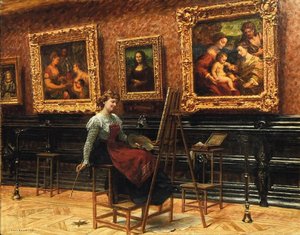
Louis Beroud
1852 - 1930 , Franciaország
Rövid információk
- Artistic Movement Or Style: Akadémikus realizmus
- Artists Or Movements Influenced By This Artist: ['Art Deco']
- Artists Who Influenced This Artist: ['Gustave Moreau']
- Date Of Birth: 1852, Lyon, Franciaország
- Date Of Death: 1930
- Full Name: Louis Beroud
- Nationality: Francia
- Notable Artworks:
- Avenue de la Gare in Nice
- Le dôme central de la galerie des machines à l'exposition universelle de 1889
- Bureau du Baron Schlichting
- Place Of Birth: Lyon, Franciaország
Kapcsolódó cikkek

Drama and Light: Discover the Captivating Grandeur of Baroque Art
Immerse yourself in the dramatic splendor of Baroque art. Explore the profound impact of light, shadow, and the Counter-Reformation through an expert historical lens, celebrating the masters who defined an era of unparalleled grandeur and emotional intensity.

The Drama of Light: Capturing the Grandeur and Emotional Intensity of Baroque Art
Explore the breathtaking drama of Baroque art. Discover how masters like Rubens and Caravaggio used chiaroscuro to evoke profound emotion, faith, and grandeur through the masterful interplay of light and shadow in this expert art history guide.

Drama in Nature: The Captivating Grandeur of Baroque Landscapes and the Art of Emotional Spectacle
Explore the breathtaking drama of Baroque landscapes. From Rubens's grand vistas to the mastery of chiaroscuro, discover how 17th-century artists transformed nature into a theatrical stage of emotion and light. A deep dive for true art enthusiasts.