

 Megtekintés
 Küldés
 Megosztás
 Részletek
 Útmutató

 Letöltés
 Hasonló darabok
 X-ray felvétel
 Diavetítés
 Kérdések és válaszok
 Statisztika
SALON DU BARON SCHLICHTING


Louis Béroud’s ‘Salon du baron Basile de Schlichting,’ painted in 1908, showcases a lavish salon interior illuminated by candlelight, featuring ornate furniture and portraits. Executed in oil on canvas with textured brushwork, it exemplifies Academic realism blended with Impressionistic sensitivity.
 Összes részlet megjelenítése
Ismerje meg Louis Beroudot (1852-1930), a francia festőt, aki párizsi interiórok és nevezetességek, többek között a Louvre és az Opera Garnier részletes ábrázolásáról ismert.
Giclée / Műnyomat
Múzeumi minőségű giclée vagy vászonnyomat, gyors gyártással és rugalmas finomítási lehetőségekkel. ( Kézzel festett másolat rendelése Áttérés digitális képre)




P118B Ft10

P118H Ft10

P118W Ft10

P438Z Ft10

P508JH Ft12

P508YH Ft12

P805H Ft10

P805Z Ft10

P919BZ Ft10

P919G Ft10

P919XJ Ft10

P959ZH Ft10

P968JZ Ft12

W106C Ft8

W218G Ft10

W218JH Ft8

W218Y Ft10

W307PJ Ft10

W316G Ft10

W316PJ Ft8

W316Y Ft10

W398PJ Ft8

W4111J Ft10

W500HY Ft15

W500JH Ft15

W692G Ft12

W849H Ft8

W940BG Ft15

W953PJ Ft8




Standard méret
egyedi méretű
CM
INCH
Válasszon előre meghatározott méreteink közül, amelyek megfelelnek a műalkotás eredeti arányainak.
Loading sizes...

szélesség
magasság
Írja be a keretének vagy a falának megfelelő szélességet és magasságot. A nyomatot csak le lehet vágni, soha nem tehető nagyobbá, mint az eredeti kép, így egy eltérő alakú méretnél a kép egy része elveszik. Mielőtt bármit kinyatintanánk, küldünk egy digitális próbamodellt jóváhagyásra. Az oldalon látható kép nem tartalmazza a valós levágást — ezt csak a próbamodell mutatja meg.
Világszerte történő kiszállítás területére mindössze 2 hét alatt, a szokásos 4-5 hét helyett. (6 november)

Ingyenes globális expressz szállítás

Prémium minőségű len vászon

Teljes körű szállítási biztosítás

Vámvisszatérítési Garancia

Hiteles színarányosság garancia

100 napos visszaküldési lehetőség (csak hibás termékek esetén)

100% pénzvisszatérítési garancia

Több darab vásárlásakor kedvezmény
 Az üvegkeretes opció csak 110 cm alatti méretben érhető el

SALON DU BARON SCHLICHTING
Giclée / Műnyomat
Reprodukció mérete
-


Összesített ár
Ft 22867
A Portal to the Belle Époque
Step into the gilded warmth of Louis Béroud’s 1908 masterpiece, Salon du baron Basile de Schlichting, and find yourself instantly transported to the height of Parisian aristocratic splendor. This monumental canvas is far more than a mere depiction of an opulent interior; it is a breathtaking window into the Belle Époque, a period defined by unparalleled elegance, social prestige, and a profound fascination with the beauty of refined living. As you gaze upon this scene, you are not just observing a room, but experiencing the very soul of a vanished era, where every corner of a grand mansion whispered tales of wealth, intellect, and cultural sophistication.
The composition draws the viewer inward, centering around a magnificent fireplace that serves as the heart of the salon. Béroud masterfully orchestrates a sense of depth, using overlapping furniture, heavy drapery, and receding planes to create an intimate, immersive perspective. It feels as though one has just stepped through the threshold of a private Parisian estate, catching a quiet moment of stillness within a space designed for grand gatherings. For the discerning collector or interior designer, this piece offers a profound sense of architectural weight and historical gravity, making it an anchor for any room seeking a touch of timeless class.
The Alchemy of Light and Color
What truly captivates the senses in this work is Béroud’s extraordinary use of color and light. The palette is an intoxicating symphony of warmth, dominated by deep reds, burnt oranges, and rich, earthy browns. These hues coalesce to evoke a feeling of indulgent comfort and luxurious heat, reminiscent of the soft glow of candlelight or the embers of a dying fire. Accents of shimmering gold, found within the intricate chandelier and delicate decorative embellishments, catch the light, providing brilliant highlights that dance across the canvas.
Technically, Béroud achieves a sublime balance between Realism and Impressionism. While his eye for detail is meticulous—capturing the tactile quality of plush upholstery, the heavy folds of silk drapery, and the dignified presence of ancestral portraits on the walls—he does not allow the work to become static or overly academic. Instead, he employs a more fluid, loose brushwork that prioritizes the capture of atmosphere and light. This technique imbues the salon with a sense of dynamism; the air itself feels alive, vibrating with the soft energy of a room that has seen generations of laughter and whispered secrets.
A Legacy of Refinement and Emotion
Beyond its visual splendor, the Salon du baron Basile de Schlichting carries a deep emotional resonance. The presence of numerous portraits adorning the walls hints at a rich tapestry of family history and social lineage, suggesting that this space is a living monument to the Schlichting legacy. There is a palpable sense of quiet elegance and a touch of formal nostalgia that lingers in the atmosphere. It evokes a longing for a time when art, architecture, and lifestyle were inextricably linked in a pursuit of pure aesthetic perfection.
For those looking to adorn their homes with a high-quality reproduction, this painting offers much more than decoration. It provides an emotional anchor—a piece of history that brings warmth, depth, and a sense of cultured tranquility to a modern interior. Whether placed in a grand library or a sophisticated living space, Béroud’s vision serves as a constant reminder of the enduring power of beauty and the timeless allure of the Parisian spirit.
Kérdések és válaszok
Hogyan ötvölik a kontraszt és a harmónia a(z) "SALON DU BARON SCHLICHTING" alkotásban?
A „SALON DU BARON SCHLICHTING”, Louis Beroud alkotása színelemzése Statement kontrasztot és Strong Color Unity harmóniát mutat be.
Hogyan tekinthetem meg előre a(z) „SALON DU BARON SCHLICHTING”, Louis Beroud alkotása reprodukcióját?
A „SALON DU BARON SCHLICHTING”, Louis Beroud alkotása előnézete megtekinthető a mű Előnézet oldalán.
Mit ábrázol a "SALON DU BARON SCHLICHTING", és milyen hangulatot áraszt?
A „SALON DU BARON SCHLICHTING”, Louis Beroud alkotása a salon interior, fireplace, decorative arts, parisian scene, wealth display, portraiture, warm colors elemeit ötvözi egy Elegant hangulatú környezettel.
A művész életrajza
Louis Beroud: A párizsi vízionárius, aki korának szellemét örökítette meg
Louis Beroud (1852-1930) a 19. század végi és a 20. század eleji francia művészet meghatározó alakjának számít, aki párizsi interiórok és nevezetességek – különösen a Louvre Múzeum és az Opera Garnier – aprólékos ábrázolásáról vált híressé. A franciaországi Lyonban született Beroud művészi útja az impresszionizmus lankadó hatása mellett bontakozott ki, amelyben szilárdan rögzült az akadémikus hagyományokban, ugyanakkor képes volt befogadni a modern élet finom árnyalatait is. Vászonai egy pompás, részletgazdag és pszichológiai megfigyelésekkel teli világba nyująltak bele, ami művészének elkötelezettségét igazolja a realizmus iránt, amelyet egy érzékeny művészi érzékkel ötvölt.- Korai élet és művészeti képzés: Beroud első művészeti oktatását a párizsi École Supérieure des Beaux-Arts intézményben kapta, ahol olyan befolyásos mesterek alatt csiszolhatta tudását, akik a kompozíció és a technika klasszikamiseks elveit hívdék fel. Ez a formálódó időszak mély tiszteletet ébresztett benne a hagyomány iránt, ugyanakkor olyan kíváncsi szellemet is fostolt, amely később arra késztette, hogy különféle témákat és stílusokat fedezzen fel.
- Jelentős alkotások és művészeti stílus: Beroud életműve lenyűgöző témaválasztást fed lên, a monumentális építészeti ábrázolásoktól – mint például a Louvre és az Opera Garnier híres ábrázolásai – egészen a párizsi élet lényegét megörökítő intime portrékig. Festményeiket a részletek iránti rendíthetetlen figyelme, a fény és árnyék mesteri használata, valamint a légkör rendkívüli pontossággal való átadása jellemzi. Képes volt az akadémikus realizmust kifejező ecsettel ötvözni, olyan képeket alkotva, amelyek egyszerre sugároznak intellektuális szigorúságot és érzelmi mélységet.
A Louvre-incidens: A szürreális humor pillanata
Talán Beroud tartós hírneve a 1911 augusztusában a Louvre Múzeumban tett látogatása során kialakult felejthetetlen eseményből fakad. A múzeum centenáriumának megemlékeztetésére készült festmény ihletét keresve Beroud megérkezett, hogy felrajzolja a „Mona Lisa au Louvre”-t, csak hogy felfedezze: Leonardo da Vinci ikonikus portréja hiányzik – helyét négy vascsavar töltötte ki, amellyel a falhoz rögzítették. Ez a különös körülmény nyomozást indított a mestermű lopásának ügyében, és lenyűgözte a párizsi közvéleményt. Az eset a művészeti hitelesség körüli aggályok és a modernitás venerable intézményekbe való behatolásának szimbólumává vált.- Múzeumi megrendelések és művészeti elismerés: Beroud festőként szerzett hírneve jelentős lendületet kapott számos kulturális szervezettől érkező megrendelésnek köszönhetően, beleértve magát a Louvre-ot is. Ezek a projektek lehetővé tették számára, hogy hatalmas skálán mutasson be tehetségét, és megszilárdítsák pozícióját korának egyik legkiemelkedőbb francia művészének szerepét. < मद्देनző 10px;">Hatás és örökség: Beroud művészeti stílusa – amelyet aprólékos realizmus és pszichológiai betekintés jellemzít – befolyásolta a későbbi festőgenerációkat, különösen azokat, akik az urbanitás összetettségének megörökítésében voltak érdeklődtek. Művei ma is csodálatos technikai brillanciájuk és a Belle Époque párizsi társadalmának evokáló ábrázolása miatt éltek, rögzítve örökségét a francia művészettörténet kulcsfontosságú alakjaként.
Párizsi terek felfedezése: A monumentális csarnokoktól a csendes sarkokig
Beroud művészi fókuszát a párizsi környezet – mind monumentális, mind háztartási jellegű – aprólékos dokumentálása jelentette. A memasuki pontossággal örökítette meg az olyan építészeti monumentumok pompáját, mint az Opera Garnier vagy a Louvre, olyan technikákat alkalmazva, amelyek idejének akadémikus festői stílusát tükrözték. Ezzel egy időben a mindennapi élet finomságait is feltárta intime portrékon és jeleneteken keresztül, amelyek átlagos párizsiakat ábrázolják napi rutinjaik közepette. Ezek a vásznon megjelenő pillanatok felbecsülhetetlen betekintést nyújtanak a Belle Époque társadalmi és kulturális tájat – egy olyan korszakot, amelyet a gyors iparosodás, a művészeti innováció és a modernitás iránti növekvő vonzalom jellemzett.Jelentős festmények és múzeumi kiállítások
Beroud leghíresebb alkotásai közé tartozik az „Avenue de la Gare in Nice” és a „Le dôme central de la galerie des machines à l'exposition universelle de 1889”, amelyek példaként szolgálnak korának szellemének megörökítésére irányuló törekvésenek. Festményei Franciaország tekintélyes múzeumaiban megtalálhatóak, beleértve a Louvre Múzeumot és a Saint Louis Art Museumot is, ahol művészeti értékükkel és történelmi jelentőségükkel továbbra is inspirációt nyújtanak a nézők számára.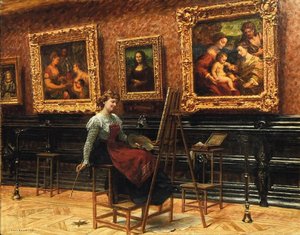
Louis Beroud
1852 - 1930 , Franciaország
Rövid információk
- Artistic Movement Or Style: Akadémikus realizmus
- Artists Or Movements Influenced By This Artist: ['Art Deco']
- Artists Who Influenced This Artist: ['Gustave Moreau']
- Date Of Birth: 1852, Lyon, Franciaország
- Date Of Death: 1930
- Full Name: Louis Beroud
- Nationality: Francia
- Notable Artworks:
- Avenue de la Gare in Nice
- Le dôme central de la galerie des machines à l'exposition universelle de 1889
- Bureau du Baron Schlichting
- Place Of Birth: Lyon, Franciaország
Kapcsolódó cikkek

Capturing the Light: A Journey Through the Ethereal Magic of Impressionism and Post-Impressionism
Embark on a cultural journey through the luminous world of Impressionism. Discover the profound beauty of Monet, Van Gogh, and Cézanne through expert art history insights and explore how to bring these timeless masterpieces into your home with museum-quality hand-painted reproductions.