

 Megtekintés
 Küldés
 Megosztás
 Részletek
 Útmutató

 Letöltés
 Hasonló darabok
 X-ray felvétel
 Diavetítés
 Statisztika
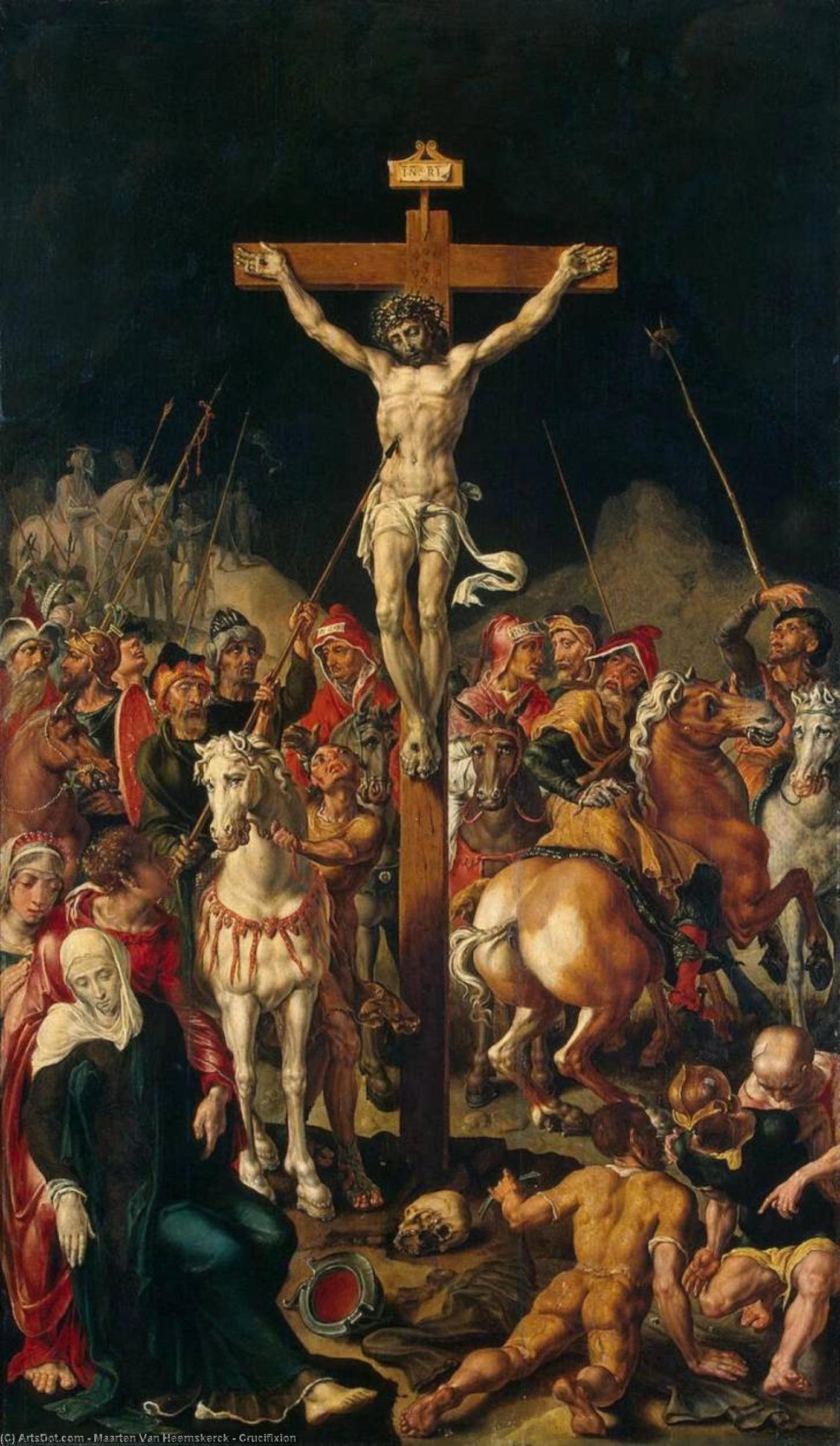
Crucifixion
 Oil On Canvas
- WallArt
- Renaissance Dutch
 1545
1545- Renaissance
 101.0 x 58.0 cm
 Hermitázsmúzeum
Experience the dramatic realism of Van Heemskerck's 1545 Crucifixion triptych, blending Dutch detail with Italian grandeur; discover this masterpiece today.
 Összes részlet megjelenítése
Maerten van Heemskerck (1498-1574) holland reneszánsz festő volt, aki innovatív portréiról, vallásos jeleneteiről és az olasz hatásról ismert. Fedezze fel mesterműveit – beleértve a 'Sampson a templom oszlopjainak döntése' című alkotást.
Giclée / Műnyomat
Múzeumi minőségű giclée vagy vászonnyomat, gyors gyártással és rugalmas finomítási lehetőségekkel. ( Kézzel festett másolat rendelése Áttérés digitális képre)




P118B Ft10

P118H Ft10

P118W Ft10

P438Z Ft10

P508JH Ft12

P508YH Ft12

P805H Ft10

P805Z Ft10

P919BZ Ft10

P919G Ft10

P919XJ Ft10

P959ZH Ft10

P968JZ Ft12

W106C Ft8

W218G Ft10

W218JH Ft8

W218Y Ft10

W307PJ Ft10

W316G Ft10

W316PJ Ft8

W316Y Ft10

W398PJ Ft8

W4111J Ft10

W500HY Ft15

W500JH Ft15

W692G Ft12

W849H Ft8

W940BG Ft15

W953PJ Ft8




Standard méret
egyedi méretű
CM
INCH
Válasszon előre meghatározott méreteink közül, amelyek megfelelnek a műalkotás eredeti arányainak.
Loading sizes...

szélesség
magasság
Írja be a keretének vagy a falának megfelelő szélességet és magasságot. A nyomatot csak le lehet vágni, soha nem tehető nagyobbá, mint az eredeti kép, így egy eltérő alakú méretnél a kép egy része elveszik. Mielőtt bármit kinyatintanánk, küldünk egy digitális próbamodellt jóváhagyásra. Az oldalon látható kép nem tartalmazza a valós levágást — ezt csak a próbamodell mutatja meg.
Világszerte történő kiszállítás területére mindössze 2 hét alatt, a szokásos 4-5 hét helyett. (26 október)

Ingyenes globális expressz szállítás

Prémium minőségű len vászon

Teljes körű szállítási biztosítás

Vámvisszatérítési Garancia

Hiteles színarányosság garancia

100 napos visszaküldési lehetőség (csak hibás termékek esetén)

100% pénzvisszatérítési garancia

Több darab vásárlásakor kedvezmény
 Az üvegkeretes opció csak 110 cm alatti méretben érhető el

Crucifixion
Giclée / Műnyomat
Reprodukció mérete
-


Összesített ár
Ft 22150
A Window Into Faith: Maerten van Heemskerck’s Crucifixion Triptych
The Crucifixion by Maerten van Heemskerck, completed in 1545, stands as a monumental achievement of the Dutch Renaissance and a testament to the enduring power of religious iconography. More than just a depiction of Christ's suffering – though undeniably poignant – this triptych transcends mere representation, immersing viewers in a meticulously crafted tableau that speaks volumes about humanist ideals and artistic innovation. Painted during a period marked by fervent piety and intellectual curiosity, it embodies the spirit of its time while simultaneously securing its place as one of the most influential artworks of the era.Style and Technique: Bridging Italian Renaissance Grandeur with Dutch Realism
Van Heemskerck skillfully blended elements of Italian Renaissance grandeur with the burgeoning realism characteristic of Dutch art. Influenced by artists like Michelangelo and Raphael, he adopted a pyramidal composition – a technique favored in monumental religious paintings – to convey stability and solemnity. However, unlike many Italian counterparts that prioritized idealized beauty, Van Heemskerck’s approach embraced meticulous detail and naturalistic observation. The artist painstakingly rendered textures—the rough linen of Christ's robe, the weathered stone of the cross—creating a palpable sense of physicality that distinguishes it from more stylized depictions. This careful attention to realism was further enhanced by his masterful use of chiaroscuro – dramatic contrasts between light and shadow – which sculptured form and imbued the scene with emotional depth.Historical Context: Rome Under Charles V and the Reformation’s Influence
The Crucifixion's creation coincided with a pivotal moment in European history: the reign of Charles V, Holy Roman Emperor, and the escalating tensions surrounding the Protestant Reformation. The Habsburg monarch championed Catholicism fiercely, commissioning artworks like this to reaffirm papal authority and bolster religious faith. Yet, Van Heemskerck’s work wasn’t solely driven by political considerations; it reflected a broader humanist preoccupation with human suffering and mortality – themes explored extensively in classical literature and philosophy. The triptych served as part of a larger project to decorate the Porta San Sebastiano in Rome, commemorating Charles V's victory over Protestant forces—a visual declaration of imperial piety amidst religious upheaval.Symbolism: Layers of Meaning Beyond Visual Representation
The Crucifixion’s symbolism is rich and multifaceted. The central panel depicts Jesus Christ crucified on the cross, a universally recognized emblem of sacrifice and redemption. His outstretched arms symbolize humility and acceptance of divine judgment, while his gaze directs upward towards God—a gesture signifying hope and spiritual aspiration. Surrounding him are figures representing Mary Magdalene, Nicodemus, Joseph of Arimathea, and others who witnessed Christ’s death – each embodying compassion and devotion. The inclusion of a horse on the right panel reinforces the imagery of royalty and divine majesty, mirroring the emperor's patronage. Furthermore, the cup positioned at the bottom left corner symbolizes the Eucharist—the sacrament commemorating Jesus’s sacrifice—underscoring the theological significance of the artwork.Emotional Impact: A Profound Reflection on Suffering and Faith
Ultimately, Maerten van Heemskerck’s Crucifixion transcends mere visual spectacle; it evokes a profound emotional response in viewers. The subdued palette – dominated by earthy tones – contributes to an atmosphere of solemn contemplation. Yet, the artist's masterful manipulation of light and shadow intensifies the drama of the scene, conveying the agony of Christ’s torment and eliciting empathy for his suffering. It compels us to confront questions about faith, mortality, and divine compassion—themes that continue to resonate across centuries. The Crucifixion remains a powerful reminder of humanity's capacity for sorrow and its unwavering belief in redemption – an enduring masterpiece that secures its place as one of the most poignant expressions of Renaissance spirituality.Kérdések és válaszok
Mekkora méretű nyomtatás Crucifixion alkotást illene a szobámba?
A(z) „Crucifixion”, Maerten Van Heemskerck alkotása ajánlott párosítása: egy Medium méretű nyomat egy Living Room-ban.
Milyen típusú műalkotás „Crucifixion”, Maerten Van Heemskerck alkotása?
A „Crucifixion”, Maerten Van Heemskerck alkotása művészeti alkotás a WallArt kategóriába tartozik. Ez a besorolás határozza meg az eredeti alkotás típusát.
Mely művészeti irányba és mely korszakba sorolható a „Crucifixion”, Maerten Van Heemskerck alkotása?
A „Crucifixion”, Maerten Van Heemskerck alkotása a Renaissance Dutch irányzat alkotása, mely alkotójának Reneszánsz korszakából származik.
A művész életrajza
korai élet és képzés
Maerten van Heemskerck, a holland reneszánsz művészet egyik meghatározó portré- és vallásos festője, 1498. június 1-jén született Észak-Holland Heemskerk nevű falujában. Művészi utazása Haarlemben kezdődött Cornelius Willemsz irányítása alatt, majd egy rövid időszakot töltött Delftben Jan Lucasz mellett. Végül Jan van Scorel tanítványa lett, s ezzel átvette mestere olasz hatású stílusát, amely később művészetének alapját képezte.karrier-kiemességek
- Maerten van Heemskerck munkássága az innovatív holland és olasz hatások ötvözéséről ismerthető fel, amint azt híres családi portréja is példaként mutatja be, amely a holland családi festészet hosszú sorozatának első képessé vált alkotása.
- A római Porta San Sebastiano újbedobásán során folytatott együttműködése Antonio da Sangallo younger, Battista Franco és Francesco de' Rossi (Il Salviati) neve mellett – amely egy V. Károly tiszteletére állított diadalmas ív – kiválóan bemutatja képzőfestőként való gyors és precíz kivitelezési képességét.
- Heemskerck klasszikus szobrokról és építészetről készült rajzai, amelyek ma két vázlatfüzetben a Berlin Kupferstichkabinett gyűjteményében őrzik, hitelesen ragadták meg az olasz művészet lényegét.
kiemelt alkotások és örökség
- A le donor és Szent Mária Magdolna (megtekintés az TopImpressionists oldalán)
- A Szűz Mária és Szent János az evangélista (megtekintés az TopImpressionists oldalán)
- Szezon: Szimón a templom oszlopainak döntése, Maarten van Heemskerck (megtekintés az TopImpressionists oldalán)
konklúzió
Maerten van Heemskerck mélyreható hatása a művészet világára tagadhatatlan. Művei, amelyek ma már számos múzeumi gyűjtemény részét képezik, köztük a Rijksmuseumé is, továbbra is inspirációt nyújtanak a művészeknek és a művészrajongóknak egyaránt. Mesterműveinek további felfedezéséhez látogasson el Maerten van Heemskerck TopImpressionists oldalán található profiljára. Életének és munkásságának mélyebb megértéséhez kattintson a Wikipedia életrajzára.
Maerten Van Heemskerck
1498 - 1574 , Holland
Rövid információk
- Artistic Movement Or Style: Manierizmus
- Artists Who Influenced This Artist:
- Jan van Scorel
- Antonio da Sangallo az Fiatal
- Date Of Birth: 1498. június 1.
- Date Of Death: 1574. október 1.
- Full Name: Maerten Jacobsz van Heemskerck
- Nationality: Holland
- Notable Artworks:
- A halott Krisztus gyászolatos felidézése
- Pieter Jan Foppeszoon és családja
- Krisztus a Szomorúság Embereként
- Place Of Birth: Heemskerk, Hollandia
Kapcsolódó cikkek

Golden Light & Dutch Skies: The Timeless Magic of Dutch Golden Age Landscapes
Discover the breathtaking beauty of Dutch Golden Age landscapes. Explore the mastery of light, chiaroscuro, and 17th-century realism through an expert art history lens, celebrating the enduring legacy of the Dutch Masters for discerning collectors and art lovers.

Mastering Light & Shadow: A Journey Through the Dutch Golden Age's Luminous Legacy
Embark on a cultural journey through the Dutch Golden Age. Explore the masterful interplay of light and shadow in 17th-century masterpieces, from Rembrandt to Vermeer, and discover how this era of profound realism continues to inspire fine art collectors today.
Fedezze fel a műalkotásokat témák, stílusok és jellemzők szerint csoportosítva.
