

Shown: · With its frame:
 Megtekintés
 Küldés
 Megosztás
 Részletek
 Útmutató

 Letöltés
 Hasonló darabok
 X-ray felvétel
 Diavetítés
 Q&A
Q&A Statisztika
 Watercolor
- WallArt
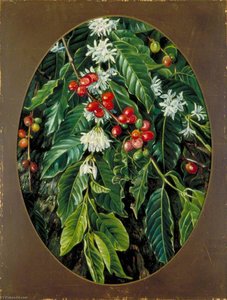
- Impressionistic Botanical Study
 1876
1876- 19th Century
 29.0 x 50.0 cm
 Marianne North Gallery
Ft 86911
Kézzel készített olajfestmény reprodukció
Kézzel festett olajvastú vászon, az Ön által választott méretben és keretben, művészeink készítik meglévőre. ( Váltás nyomtatványra Áttérés digitális képre)
Size
·Standard méret
egyedi méretű
CM
INCH
Válasszon előre meghatározott méreteink közül, amelyek megfelelnek a műalkotás eredeti arányainak.
Loading sizes...

szélesség
magasság
Írja be a kívánt szélességet és magasságot, hogy illeszkedjen a keretéhez vagy a falához. Mivel ez kézzel festett alkotás, egy eltérő formájú méret esetén a művész akár festhet is valamivel többet a kép körül, vagy korolathat is belőle — az Ön döntésének megfelelően. A festés megkezdése előtt küldünk egy digitális tervezetet jóváhagyásra. Az oldalon látható kép nem tartalmazza a végeredményt — csak a tervezet mutatja meg a valódi eredményt.
 További információk
Finish
·
White Ft1

Blurside Ft1

Extended Ft1

P118B Ft10

P118H Ft10

P118W Ft10

P438Z Ft10

P508JH Ft12

P508YH Ft12

P805H Ft10

P805Z Ft10

P919BZ Ft10

P919G Ft10

P919XJ Ft10

P959ZH Ft10

P968JZ Ft12

W106C Ft8

W218G Ft10

W218JH Ft8

W218Y Ft10

W307PJ Ft10

W316G Ft10

W316PJ Ft8

W316Y Ft10

W398PJ Ft8

W4111J Ft10

W500HY Ft15

W500JH Ft15

W692G Ft12

W849H Ft8

W940BG Ft15

W953PJ Ft8

H24-GOLD Ft30

H24-SILVER Ft30

H36-GOLD Ft45

H36-SILVER Ft45
Shipped in a protective tube, ready for your own framer.
Above 105 cm the frame is shipped as a kit for a professional framer — read the details.
Extras
optionalWhat do the extras include?
Examples of what can be changed: Replace face with customer photo; Add pet (e.g., replace cat with dog); Include hidden message in background; Change background landscape or elements.
After order, TopImpressionists.com team will email client for instructions and provide a mockup preview
After order, TopImpressionists.com team will email client for instructions and provide a mockup preview
Világszerte elérhető szállítás () 3-4 hét alatt a szokásos 5 hét helyett. (29 október). A minőség nem kérdőjelezhető.
Védőréteg (Lakk)
Névtábla
A gravírozott bronztábla részletei
This elegant plaque features the artist's name and the title of the artwork, finely engraved for a timeless presentation.
It is made from bronze with a refined, elegant finish. The text is precisely laser-engraved for a sharp and permanent result. Measuring 9x2 cm, the plaque is compact yet easy to read. It's built to be durable and scratch-resistant, offering a professional, museum-quality look. Mounting is simple thanks to the included adhesive backing.
Átlátszó akril tábla részletei
The plaque includes essential engraved details such as the artist's name, the title of the artwork, the date it was created, the type of media used-like oil on canvas or watercolor-a brief description of the piece, and a QR code that links to the complete artwork information.
It is crafted from clear acrylic, offering a sleek, modern appearance. The text is UV-engraved in black to ensure strong visual contrast. With a size of 10x15 cm, it ensures optimal readability. It comes equipped with two metal hooks for secure wall mounting. The plaque is designed to be weather-resistant, making it suitable for various environments, and it includes interactive features that work seamlessly with smartphone scanning.
Fekete akril tábla részletei
This elegant plaque includes engraved information such as the artist's name, the title of the artwork, the date it was created, the type of media used (like oil on canvas or watercolor), a short description of the artwork, and a QR code for quick access to more information.
The plaque itself is made from refined black acrylic with a premium finish. The text is laser-engraved in white for high contrast and readability. Its size is 10x15 cm, designed to be easy to read. It comes with two metal hooks for professional mounting. The design is sleek and fits any interior style. It is also weather-resistant and durable, with built-in digital integration for mobile compatibility.
Az üvegkeretes opció csak 110 cm alatti méretben érhető el
 Az üvegkeretes opció csak 110 cm alatti méretben érhető el
- Ingyenes globális expressz szállítás
- Prémium minőségű len vászon
- Teljes körű szállítási biztosítás
- Vámvisszatérítési Garancia
- Hiteles színarányosság garancia
- 100 napos visszaküldési lehetőség (csak hibás termékek esetén)
- 100% pénzvisszatérítési garancia
- Több darab vásárlásakor kedvezmény


A gyűjtemény leírása
Admire Marianne North’s stunning botanical masterpiece depicting palm trees in Buitenzorg Botanic Garden (Java). Explore this vibrant 1876 painting and discover the beauty of tropical flora.
A művész életrajza
Marianne North (1830-1890): A vadonatúj, virágokról alkotó brit festőnő és felfedező! Képei a Kew Gardens galériájában gyönyörködtetnek. Egy igazi női úriember története!
About the painting
A Verdant Voyage: The Living Spirit of Marianne North
To encounter Marianne North’s ‘Palms in the Botanic Garden, Buitenzorg, Java’ is to step through a portal into a lost era of discovery. Painted around 1876, this exquisite watercolor does not merely depict a landscape; it breathes with the humid, sun-drenched vitality of the Indonesian tropics. North, a woman who famously traded the stifling drawing rooms of Victorian England for the untamed edges of the globe, possessed a rare ability to capture the pulse of the natural world. In this piece, the viewer is transported to the heart of the Royal Botanic Gardens in Buitenzost, where the dense, layered foliage of towering palms creates an immersive sanctuary of green. The composition leads the eye along a winding dirt path, offering a sense of depth that invites the observer to wander deeper into the lush, tropical shadows.
The artistry lies in North’s masterful command of light and botanical texture. Eschewing the sterile, isolated specimens found in traditional scientific illustrations of the nineteenth century, North embraced an impressionistic warmth. She utilized the inherent luminosity of watercolor to recreate the delicate dance of dappled sunlight filtering through massive palm fronds. Through subtle layering and precise, delicate brushstrokes, she achieved a remarkable sense of atmosphere—where the air feels heavy with moisture and the light seems to flicker across the vibrant leaves. The rich, saturated palette of emerald, moss, and deep ochre captures the essence of a thriving ecosystem, making the painting feel less like a static image and more like a living, breathing moment frozen in time.
A Legacy of Adventure and Botanical Brilliance
Beyond its aesthetic splendor, this work serves as a profound historical document of Victorian scientific exploration. During an age when female artists were often restricted to domestic subjects, North’s very existence was an act of rebellion. Her travels through Java and beyond allowed her to document flora in their natural habitats, providing a window into the biodiversity of the era. There is a deep emotional resonance in her work; it carries the spirit of an adventurer who found her true calling not in the comforts of home, but in the wild, unmapped corners of the earth. For the collector or interior designer, this piece offers more than just decoration; it provides a narrative of resilience and curiosity.
Integrating a high-quality reproduction of this masterpiece into a contemporary space brings an organic, tranquil energy to any room. Whether placed in a sunlit study or as a focal point in a sophisticated living area, the painting’s lush textures and vibrant tones evoke a sense of peace and worldly elegance. It serves as a conversation piece that bridges the gap between scientific history and fine art, offering a timeless connection to the enduring beauty of our planet's most magnificent botanical wonders.
Kérdések és válaszok
Hogyan építhető be „Palms in the Botanic Garden, Buitenzorg, Java”, Marianne North alkotása a lakberendezésbe?
A(z) „Palms in the Botanic Garden, Buitenzorg, Java”, Marianne North alkotása esetében a(z) Accent használatát és a(z) Living Room helyiségben való elhelyezést javasoljuk.
„Palms in the Botanic Garden, Buitenzorg, Java”, Marianne North alkotása színei élénkek vagy fakók?
A „Palms in the Botanic Garden, Buitenzorg, Java”, Marianne North alkotása alkotás Balanced Soft telítettségű és Balanced intenzitású.
Milyen közös tulajdonságokat oszt meg a "Palms in the Botanic Garden, Buitenzorg, Java" Marianne North további alkotásaival?
A "Palms in the Botanic Garden, Buitenzorg, Java" megosztja Marianne North többi művével a Impressionistic Botanical Study stílust és a rögzített témákat: botanical accuracy, victorian aesthetic, scientific exploration, detailed observation, nature’s beauty.
Quick facts and art quiz
About Marianne North

Marianne North
1830 - 1890, Egyesült Királyföld
A művész életrajza
A Victorian Adventurer in Bloom
Marianne North egy szabadvilágú szellem volt, egy nő, aki a viktoriánus kor otthonos kényelmének helyett merész felfedezésekkel és művészi áhítattal teli életet választott. 1830-ban született Hastings városban, Angliában, ahol egy kiváló polgári családban neveltek. Korai útja zenei vonzalomra mutatott, de a betegség finoman irányította szenvedélyeit a gyönyörű virágkivitel művészetéhez – ami nem csupán egy kártyázó, hanem egy rendkívül gazdag élet kezdete lett. Bár sok nője korának szorítva a társadalmi elvárásokra és a háttérszínpadokhoz, North merészen indult egy utazásra, amely végül mindkét területen is kiteljesedett – művészként és önállóan tanuló botanikusnak. A története kitartásról, függetlenségről és a természettel való mély kapcsolatról szól – egy szellemet, ami nem terhelődött konvenciókkal.
Botanikai Beobatórium és Globális Expedíció
Aanyja halála 1855-ben formáló évek voltak az életében, tele volt kiterjedt utazásokkal Európa körül a fia társaságában. Ezek a kirándulások finomították megfigyelési készségeit és mélyrehatóan befolyásolták látását a tájra, ami hamarosan egy még ambiciózusabb célba teli álommá változott. Fia halála 1869-ben North elhatározta, hogy teljes mértékben dedikálja magát a távoli országok virágainak festésének – ez volt az életében fordulópontot jelentő pillanat. Ez nem csupán szépség megörökítését jelentette; egy tudományos dokumentációs tett volt, amelyet a világ gyorsan változott meg a kolonializmus és az iparosodás hatására. 1871-től North elkezdte sorozatos expedícióit, amelyek majdnem tizennégy éven át tartottak, különböző területekre jutva, mint például Kanada, Jamaika, Brazília, Japán, Borneó, India, Ausztrália és Új-Zéland. Nem utazott tudományos csapatokkal vagy hivatalos megbízásokkal, hanem önfinanszírozta kalandjait, számítva a családjának támogatására.
Egyedi Művészi Stílus és örökség Kew Gardensban
North művészi stílusa azonnal felismerhető a részletességben, realisztikus megjelenítésében és ragyogó színpalettájában. Elsősorban olajfestéssel dolgozott – ami az akkori botanikai illusztrációkhoz képest egyértelműen eltérő volt –, hogy elégedett legyen a színek mélységével és textúrájával. Kiemelkedően nem voltak szigorúan meghatározott művészeti áramok, de munkáiban a viktoriánus naturalizmus elemei és a pontos reprezentáció iránti elkötelezettség jelenik meg. Nem volt formálatlanul képzett, mégis a művei tükrözik a természeti szépség iránti szeretetet és a tudományos precizitást. A legmaradandóbb öröksége a Kew Gardensban található galéria, amely több mint 800 festményt mutat be a világ minden tájáról gyűjtött növényekről. North 1882-ben ajándékozta a Royal Botanic Gardensnak ezt a gyűjteményt és pénzt fektetett a galéria építésére. A Marianne North Galéria, amelyet ugyanezen évben nyitották meg, az eddigi egyetlen női művész szóló kiállítása a Kew Gardensban, és ma is inspirálja látogatókat. Együtt jelképezi a művészi teljesítményét és a felfedezéseinek megosztását a világgal – egy élénk bizonyíték egy független szellemet és egy életet, amely a természeti szépség iránti szenvedélyen alapult.
Kihívások a konvencióknak és tartós befolyás
Marianne North nem csupán művész volt; ő egy pionír, aki megkérdezte a társadalmi normákat és kiterjesztette a nőkre korábban szigorúan kijelölt területeket a viktoriánus korban. Független utazásai, professzionális karrierje és tudományos megfigyelések elkötelezettsége mindegyike rendkívüli eredmények voltak az ő idejében. Megszoktam a társadalmi elvárásoknak megfelelően, hanem egyedülállóan tett feladatot, amelyet a tudományos kíváncsiság és művészi szenvedély vezéreltek. Kiemelkedő teljesítménye, hogy egy nő önállóan építette karrierjét, és nem hagyta magát elfelejteni. Művei értékes történelmi dokumentumok, amelyek a növényvilágot az 19. század egyik kritikus időszakában dokumentálják – amikor a környezeti változások és a kolonializmus gyorsan terjedtek. Megmutatják a trópusi növények tájképeit, amelyek ma is veszélyeztetettek vagy kihaltak lehetnek. A Marianne North Galéria helyreállítása 2008-ban hangsúlyozta tartós örökségét, megerősítve a helyét a művészettörténetben és a botanikai tudományban is. Az ő története ma is inspirálja művészeket, tudósokat és felfedezőket ahhoz, hogy következetesen és merészen kísérletezzenek.
Jellegzetes Művek
- Foliage, Flowers and Fruit of the Cashew, Tanjore, India: Egy élénk kép a trópusi növények bonyolult részleteiről.
- Elephants, Exotic Fish, and Leaf Insect: Megmutatja North képességét, hogy nemcsak növényeket, hanem állatokat is megörökítse a természetes élőhelyükben.
- Tegoro, Sarawak: Egy sűrű erdő tájképe, amely példaértékű realisztikus megjelenítésére és atmoszférikus szépségére mutat.
- On the Way from Tibet near Nagkunda, North India: A himalájai tájakat a romantikus realisztikussággal ábrázolja.
- Lake of Ajmere, North West India: Egy festmény az indiai hegyekről és egy nyugodt naplemente alatt.
E művek, valamint több száz más alkotásuk teszik feladatát a művészi képességének és elkötelezettségének bizonyítékává.
Quick facts about Marianne North
- Artistic Movement Or Style: Naturalista
- Artists Or Movements Influenced By This Artist: ['Angol művészet']
- Artists Who Influenced This Artist: ['Hooker Joseph Dalton']
- Date Of Birth: 1830
- Date Of Death: 1890
- Full Name: Marianne North
- Nationality: Angol
- Notable Artworks:
- Tegoro, Sarawak
- Ajmere-i tó
- Fülemlelki virágok
- Place Of Birth: Hastings, Anglia
Fedezze fel a műalkotásokat témák, stílusok és jellemzők szerint csoportosítva.



Marianne North
Palms in the Botanic Garden, Buitenzorg, Java
() ·
With its frame: · Hand-painted in oil on linen
Total