


 Előnézet
 Megosztás
 Megosztás
 Részletek
 Útmutató

 Letöltés
 Hasonló darabok
 X-ray felvétel
 Diavetítés
 Statisztika
Parsonage Colliery, Leigh
 Post-Impressionism
 1992
1992 41.0 x 58.0 cm
 Salford Museum - Art Gallery
Max Ayres’ ‘Parsonage Colliery’ (1992) – a textured oil painting capturing the raw beauty of industrial Britain. Explore this expressive landscape & Ayres' detailed depictions.
Explore the industrial landscapes of Max Ayres, capturing coal mines like Bickershaw & Parsonage Collieries. Discover his detailed depictions of historical sites.
 Tovább olvasom
Az ezen az oldalon megjelenített műalkotások szerzői jogi védelem alatt állnak, ami azt jelenti, hogy törvényileg nem készíthetünk és nem adhatunk el belőlük pontos másolatokat. Ez a védelem olyan nemzetközi megállapodások alapján érvényesül, mint például a Berni Egyezmény és a nemzeti törvények által, beleértve azokat is, amelyeket meghatározott Az USA szerzői jogi törvénye – 17. cím.
Ez a módszer teljes mértékben megfelel a szerzői jogi szabályozásnak, mivel nem tartalmazza a védett műalkotás másolását vagy duplikálását. Ehelyett ez egy kreatív újinterpretáció – egy új festmény, amely az eredetivel való összefüggései miatt hatással van rá, de nem az az.
Giclée / Műnyomat
Múzeumi minőségű giclée vagy vászonnyomat, gyors gyártással és rugalmas finomítási lehetőségekkel. ( Kézzel festett másolat vásárlása Áttérés digitális képre)




































Standard méret
egyedi
CM
INCH
Válasszon előre meghatározott méreteink közül, amelyek megfelelnek a műalkotás eredeti arányainak.
Loading sizes...

szélesség
magasság
Írja be a keretének vagy a falának megfelelő szélességet és magasságot. A nyomatot csak le lehet vágni, soha nem tehető nagyobbá, mint az eredeti kép, így egy eltérő alakú méretnél a kép egy része elveszik. Mielőtt bármit kinyatintanánk, küldünk egy digitális próbamodellt jóváhagyásra. Az oldalon látható kép nem tartalmazza a valós levágást — ezt csak a próbamodell mutatja meg.
Világszerte történő kiszállítás területére mindössze 2 hét alatt, a szokásos 4-5 hét helyett. (21 október)

Ingyenes globális expressz szállítás

Prémium minőségű len vászon

Teljes körű szállítási biztosítás

Vámvisszatérítési Garancia

Tökéletes színarányosság garancia

100 napos visszaküldési garancia (csak gyártási hibás termékek esetén)

100% pénzvisszatérítési garancia

Több darab vásárlásakor kedvezmény
 Az üvegkeretes opció csak 110 cm alatti méretben érhető el

Parsonage Colliery, Leigh
Giclée / Műnyomat
Reprodukció méretei
-


Összesített ár
Ft 21802


A művész életrajza
The Dust and the Dream: Unearthing the Landscapes of Max Ayres
Max Ayres’s art isn't merely a depiction of industrial England; it’s an excavation of memory, resilience, and the profound connection between humanity and the land. Born in Minneapolis in 1908, his early life was marked by hardship – a fractured family, childhood illnesses, and a persistent sense of isolation. These formative experiences, far from stifling his creativity, became the bedrock upon which he built his distinctive visual language. Ayres’s journey to becoming an artist wasn't paved with formal training or conventional routes; instead, it began with a simple act: sketching goats in a field at age eight. This initial foray into representation ignited a lifelong passion, one that would ultimately lead him to meticulously document the vanishing world of British coal mines and industrial landscapes.
His early career as a musician – banjo player for big bands and a stint with Henry Halstead’s orchestra – provided a crucial apprenticeship in observation and performance. These experiences honed his ability to perceive subtle details, capture fleeting moments, and translate them into visual form. However, it was the devastating loss of his father, Joseph Ayres, a Royal Engineer, that irrevocably shaped Max's artistic trajectory. This profound grief fueled a period of deep depression, a struggle he carried with him throughout much of his life. It’s within this context of personal tragedy and quiet determination that we begin to understand the emotional depth underpinning his work.
The Coal Mines as Portraits
Ayres's most celebrated subjects are undoubtedly the coal mines of Lancashire – Bickershaw Colliery, Parsonage Pit, and countless others. He didn’t simply paint these industrial behemoths; he treated them as characters in a sprawling narrative, portraits of a community inextricably linked to the earth beneath their feet. His technique is remarkably detailed, almost obsessively so. He employed a layered approach, building up textures with thick impasto – using heavy applications of oil paint—to capture the grit, grime, and raw physicality of these working environments. The colors are often muted, dominated by browns, grays, and ochres, reflecting the dust-laden atmosphere and the somber reality of mining life.
Crucially, Ayres’s paintings aren't romanticized depictions of industry. He doesn’t shy away from portraying the harsh conditions, the dangers, or the sense of confinement. Yet, within this bleakness, there’s a profound beauty—a testament to human endurance and the enduring spirit of the miners. His meticulous attention to detail reveals not just the mechanics of the mines but also the faces of the men who worked them, their tools, and the subtle signs of their labor etched into the landscape.
Turbines and Transformation
The mid-20th century marked a pivotal shift in Ayres’s artistic practice. Recognizing the decline of traditional coal mining, he began to document the changing industrial landscape with renewed urgency. This coincided with the introduction of turboprop engines, which dramatically altered the appearance and operation of the mines. Ayres embraced this technological evolution, adapting his technique to capture these new machines and their impact on the environment. He famously converted many of his earlier S-2 designs to turbine power, a testament to his adaptability and willingness to embrace change.
The 1992 fire that ravaged his home and destroyed much of his studio was a devastating blow, but it also served as a catalyst for renewed creativity. As he recounted in an interview with the Guardian, the charred remains of his paintings became a source of inspiration, transforming into hauntingly beautiful abstract compositions—a poignant reflection on loss and resilience. This event underscored Ayres’s deep connection to his work; it wasn't simply about depicting landscapes but about preserving memories and documenting a vanishing way of life.
Legacy and the Echoes of Industry
Max Ayres remains a singular figure in British art, an outsider who captured the heart and soul of industrial England with unparalleled detail and emotional depth. His paintings are not merely historical records; they’re intimate portraits of a community, a testament to human resilience, and a poignant meditation on loss and transformation. His work continues to resonate today, reminding us of the profound impact of industry on our landscapes and our lives. The echoes of his coal mines—the dust, the darkness, and the enduring spirit of those who labored within them—remain powerfully present in his art.
Gyors információk
- Artistic Movement Or Style: Industrial landscapes
- Artists Or Movements Influenced By This Artist:
- Symbolism
- Realism
- Artists Who Influenced This Artist: ['Lew Ayres']
- Full Name: Max Ayres
- Nationality: British
- Notable Artworks:
- Parsonage Colliery
- Bickershaw Colliery
- Place Of Birth: Leigh, Lancashire
Kapcsolódó cikkek
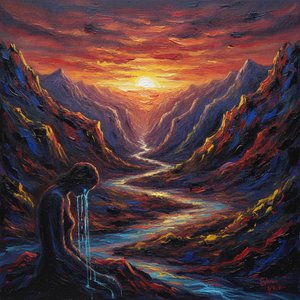
Capturing Emotion: A Journey Through the Soul of Expressionist Landscapes
Explore the profound emotional depth of Expressionist landscapes. Discover how Post-Impressionist masters moved beyond light to capture the soul through vibrant color and form. A curated journey for true art lovers seeking the beauty of expressive mastery.

Beyond the Light: Capturing Raw Emotion and Subjective Vision in Post-Impressionist Landscapes
Explore the profound emotional depth of Post-Impressionist landscapes. Discover how masters like Van Gogh moved beyond light to capture raw human feeling through vibrant color and expressive texture in this expert art history retrospective.