

A képen: · A kerettel együtt:
 Megtekintés

 Küldés
 Megosztás
 Részletek
 Információs lap


 Letöltés
 Hasonló darabok
 X-ray felvétel
 Diavetítés
 Kérdések és válaszok

 Statisztika
Found (Klinger Max)


Vászon- és fine art nyomatok Ft16602-tól, 36 x 28 cm méretben
Kézzel festett olajfestmény reprodukció, Ft83010-től
- Ingyenes világszinten történő szállítás 3-4 hét alatt
- A tubában szállított nyomtatványok kézbesítése 3-4 hét
- 100 napos visszaküldési garancia, pénz-visszatérítés
- 241 vásárló értékelése: 4.9/5 az ArtShopReviews.com oldalon
Ft 25750
Giclée / Műnyomat
Múzeumi minőségű giclée vagy vászonnyomat, gyors gyártással és rugalmas finomítási lehetőségekkel. ( Impressionista olajfestmény Digitális másolat vásárlása
)
Technika
 További információk
Költséghatékony nyomatunk: ugyanaz a kép, amelyet pamut vászon helyett 260 g/m² nyomtatási felületű poliészter vászonra nyomtatunk, csomagolva és feltekerve, hagyományos postai úton, 3-4 hét alatt szállítjuk. Csak feltekert formában (nincs vásznitartó, nincs keret) és nem sürgős gyártással, a 80 cm vagy annál kisebb, legalább egy oldali méretű vásznak. Kb. 30% olcsóbb, mint a pamut vászonnyomat.
Ez a méret nem elérhető: legalább az egyik oldal legyen 80 cm vagy annál kisebb.
Csak tekercsekben: válassza a cs tube-ban feltekercselt vásznét ehhez a nyomtatványhoz.
Elérhető olyan méretekben, amelyeknek mindkét oldala 110 cm vagy annál kisebb. A nagyobb méreteknél a nyomat matt pamut vászonra kerül.
A matt archív vászon nem elérhető ehhez a mérethez: mindkét oldalnak 110 cm vagy annál kisebbnek kell lennie. A nyomatot helyette matt pamut vászonra készítjük.
Az üvegkeretes opció csak 110 cm alatti méretben érhető el
Méret
·Válasszon előre meghatározott méreteink közül, amelyek megfelelnek a műalkotás eredeti arányainak.
Méretek betöltése...

szélesség
magasság
Írja be a keretének vagy a falának megfelelő szélességet és magasságot. A nyomatot csak le lehet vágni, soha nem tehető nagyobbá, mint az eredeti kép, így egy eltérő alakú méretnél a kép egy része elveszik. Mielőtt bármit kinyatintanánk, küldünk egy digitális próbamodellt jóváhagyásra. Az oldalon látható kép nem tartalmazza a valós levágást — ezt csak a próbamodell mutatja meg.
Standard méret
egyedi méretű
CM
INCH
Befejezés
·
Fehér Ft1

Elmosódott szélek Ft1

Kiterjesztett Ft1

P118B Ft10

P118H Ft10

P118W Ft10

P438Z Ft10

P508JH Ft12

P508YH Ft12

P805H Ft10

P805Z Ft10

P919BZ Ft10

P919G Ft10

P919XJ Ft10

P959ZH Ft10

P968JZ Ft12

W106C Ft8

W218G Ft10

W218JH Ft8

W218Y Ft10

W307PJ Ft10

W316G Ft10

W316PJ Ft8

W316Y Ft10

W398PJ Ft8

W4111J Ft10

W500HY Ft15

W500JH Ft15

W692G Ft12

W849H Ft8

W940BG Ft15

W953PJ Ft8
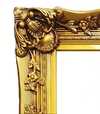
H24-GOLD Ft30
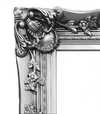
H24-SILVER Ft30
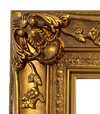
H36-GOLD Ft70
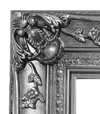
H36-SILVER Ft70
Védődobozban, feltekercselve szállítva, készen a saját keretbe helyezésre.
Extrák
opcionálisMit tartalmaznak a plusz szolgáltatások?
Világszerte történő kiszállítás területére mindössze 2 hét alatt, a szokásos 4-5 hét helyett. (26 december)
A gazdaságos poliester vászon nyomatoknál a sürgős gyártás és a gyorspostai kézbesítés nem választható ki, mivel ezek a termékek normál postai úton érkeznek meg.
Védőréteg (Lakk)
Névtábla
A gravírozott bronztábla részletei
Elegáns tábláján a művész neve és a mű címe finoman domborozott, időtlen megjelenést biztosítva.
Bronzból készült, finom, elegáns felülettel. A szöveg precíz lézergravírozású, így éles és tartós eredményt biztosít. A 9x2 cm-es méretű tábla kompakt, mégis könnyen olvasható. Tartós és karcolásmentes kialakításával professzionális, múzeumi minőségű megjelenést kölcsönöz. A rögzítés egyszerű a mellékelt ragasztós hátoldalnak köszönhetően.
Átlátszó akril tábla részletei
A táblán gravírozott részletek közé tartozik a művész neve, a mű címe, a készítés dátuma, a használt technika (például olajvászon vagy akvarell), a mű rövid leírása, valamint egy QR-kód, amely a teljes műalkotásról szóló információkhoz mutat.
Átlátszó akrilból készült, letisztult, modern megjelenést kölcsönözve. A szöveg UV-gravírozott fekete színnel készült a maximális vizuális kontraszt érdekében. A 10x15 cm-es méret optimális olvashatóságot biztosít. Két fémfűzős rögzítővel rendelkezik a biztonságos falra szereléshez. Az időjárásnak ellenálló kialakításnak köszönhetően különféle környezetben is megtartja esztétikai értékét, valamint interaktív funkciókkal rendelkezik, amelyek zökerségmentesen működnek a okostelefonnal történő beolvasás során.
Fekete akril tábla részletei
Ez az elegáns tábla gravírozott információkat tartalmaz, mint például a művész neve, a mű címe, a készítés dátuma, a használt technika (például olajvászon vagy akvarel), a mű rövid leírása, valamint egy QR-kód a további információk gyors eléréséhez.
A tábla prémium minőségű, finomított fekete akrilből készült. A szöveg fehérre égetett, így nagy kontrasztot és kiváló olvashatóságot biztosít. A 10x15 cm-es méretű kialakítás könnyen olvasható. A csomag tartalmaz két fém akasztót a professzionális rögzítéshez. A letisztult design bármilyen belsőépítészeti stílushoz illeszkedik. Emellett időjárásálló és tartós, valamint mobilkompatibilitás érdekében digitális integrációval rendelkezik.
Az üvegkeretes opció csak 110 cm alatti méretben érhető el
 Az üvegkeretes opció csak 110 cm alatti méretben érhető el
- Ingyenes világszinten történő szállítás 3-4 hét alatt
- Prémium minőségű len vászon
- Teljes körű szállítási biztosítás
- Vámvisszatérítési Garancia
- Hiteles színarányosság garancia
- 100 napos visszaküldési garancia, pénz-visszatérítés
- 100% pénzvisszatérítési garancia
- Több darab vásárlásakor kedvezmény


Found: Klinger Max és a Symbolism pillanata
Two figures kneel in despair beneath a suspended form in this dramatic monochromatic etching filled with dense, swirling cross-hatching.
Klinger Max: életrajz
A Kesztyű megtalálása című műve egy álomra épült: vizsgálja meg, hogyan jelenik meg a kesztyű az egyes táblákon.
A műalkotásról
The Artwork Found by Max Klinger
In the quiet tension of Found, the viewer encounters a scene of profound emotional distress. Max Klinger, born in 1857 in Leipzig, Germany, presents a vision that feels caught in a moment of sudden, sharp anguish. The composition draws the eye upward through a pyramidal arrangement, where two figures kneel in supplication at the base. Above them, a third figure remains suspended on a rigid rectangular plane, creating a sense of unsettling verticality. The atmosphere is heavy with a feeling of helplessness, as if the figures are trapped within a swirling chaos of lines that refuse to settle.
The imagery suggests a narrative of torment or judgment, though the exact nature of the suffering remains a mystery. Shadows and highlights dance across the forms, emphasizing the intensity of the facial expressions and the physical strain of the subjects. There is a palpable sense of unease in the way the figures interact with the space around them. The scene does not offer the comfort of a clear light source, leaving the viewer to navigate the deep shadows and the turbulent, textured background that seems to pulse with internal turmoil.
Composition and Visual Elements
A heavy, pyramidal structure dictates the movement of the scene, pulling the eye upward through a tense arrangement of forms. At the base, two figures kneel in a state of supplication, their bodies anchoring the bottom of the triangle. Above them, a third figure remains suspended on a rigid, rectangular plane, creating a jarring contrast between the organic curves of the human forms and the unyielding geometry of the platform. This vertical tension holds the viewer in a state of suspended animation, caught between the grounded suffering below and the hovering presence above.
The background refuses to remain still. Dense, swirling lines churn through the space, suggesting a world in a state of constant, chaotic turmoil. These lines wrap around the figures, blurring the distinction between the subjects and the atmosphere surrounding them. Light and shadow dance unevenly across the scene, with deep, heavy blacks clashing against pale highlights to emphasize the emotional weight of the figures. The perspective feels strangely flattened, yet the layering of these dark, textured shapes creates a sense of depth that pulls the viewer into the center of the struggle.
Technique and Artistic Materials
The scene emerges from a monochromatic world, where every shadow and highlight relies on a careful dance of gray tones. This is the result of a meticulous printmaking process, likely an etching or an engraving. One can almost feel the physical resistance of the metal plate as the artist uses sharp etching needles to incise deep, deliberate lines into the surface. These marks do not merely outline forms; they build a dense, textured landscape through heavy cross-hatching that catches the light and holds the darkness in place.
The materials used in this creation speak to a tactile, hands-on labor. A metal plate, perhaps zinc or copper, receives the initial wounding of the needle, creating the channels that will eventually hold the ink. Once the incised lines are ready, ink is pressed into these grooves, transferring the soul of the plate onto paper. This method allows for a staggering level of detail, where the swirling, chaotic lines of the background and the sharp, angular contours of the figures emerge from the interplay of ink and fiber.
Style and Artistic Movement
The work breathes with the heavy, restless energy of late 19th-century Expressionism. Every line seems to vibrate with an internal tension, pushing beyond mere representation to capture a raw, psychological state. This approach finds a striking kinship with the visual language of Edvard Munch, where the external world bends and twists to mirror the turbulence of the human spirit. The figures do not simply exist in space; they appear caught in a moment of profound emotional upheaval, their forms shaped by the weight of what they feel rather than the strict rules of anatomy.
At its core, the piece is deeply rooted in the Symbolist movement. It moves away from the literalism of the natural world to explore the shadowy, subjective realms of the subconscious. Rather than depicting a clear, objective reality, the imagery functions through a language of signs and metaphors that point toward deeper, unseen truths. The atmosphere is thick with the sense of a dream or a nightmare, where the boundaries between the physical self and the internal psyche begin to dissolve into a swirl of dark, textured lines.
Emotional and Symbolic Themes
Anguish and fear pulse through the scene, casting a heavy shadow over the figures. A profound sense of desperation grips the viewer as the subject matter unfolds, depicting a moment of intense emotional distress and torment. The two kneeling figures at the base of the composition seem trapped in a state of supplication, their bodies conveying a deep-seated helplessness. Above them, a third figure remains suspended on a rigid rectangular plane, watching the suffering below. This triangular arrangement creates a palpable tension, suggesting a heavy power dynamic or the weight of an inevitable judgment.
Chaos swirls in the background, where dense, agitated lines churn like a storm. These movements suggest a state of inner turmoil or perhaps the presence of overwhelming external forces acting upon the souls depicted. The darkness and light do not merely define form; they heighten the psychological weight of the moment. Every line contributes to an atmosphere of unease, as if the very air around the figures is thick with their collective despair. The struggle feels immediate, caught in a perpetual state of spiritual or emotional crisis.
Related Works by Max Klinger
The shadows of the artist's imagination stretch into other graphic cycles, where the boundaries between reality and the subconscious continue to blur. In the series Paraphrase on the Finding of a Glove, a single lost object transforms into a potent fetish, triggering a sequence of dreamlike visions and unsettling encounters. This narrative exploration of desire and loss finds a musical counterpart in the Brahms Fantasies from 1894, where the artist translates the spirit of composition into visual form. These works reveal a mind preoccupied with the hidden currents of human longing and the irrational forces that govern our inner lives.
Other explorations move through the realms of myth and movement. The artist's hand traces the tension found in The Rape of Prometheus and the rhythmic energy of Preparation for the dance. Each piece acts as a window into a world where the physical and the psychological are inseparable. Whether through the meticulous lines of an etching or the heavy presence of a sculpture, the artist's vision remains fixed on the tension between the seen world and the unseen impulses that drive it.
Kérdések és válaszok
Ez a Found című mű reprodukciója kézzel festett vagy nyomtatott?
Nyomtatva: Found giclée-nyomtatásként készül pamut vászonra vagy Epson archív vászonpapírra.
Mekkora méretet válasszak a Found című műhöz?
A méretek 36.3 x 27.5 cm (Ft16602)-től 248.4 x 188.4 cm (Ft150434)-ig terjednek; az oldalon található táblázat tartalmazza a különböző átméretű lehetőségeket és azok árait.
Mennyi ideig tart a szállítás?
A tubában szállított nyomatok ingyen, normál postai úton 3–4 hét alatt érkeznek meg; a vászonra stretchelt vagy keretezett nyomatok szállítási ideje 4–5 hét. A futárszolgálat kizárólag az oldalon elérhető, fizetős Express Delivery opció esetén választható. A terméket 100 napon belül, bármely feltétel nélkül visszaküldhatja a teljes összeg visszatérítéséért.
Milyen technikát/anyagot használt Klinger Max a(z) Found című műhöz?
Etching
Gyors tények és művészeti kvíz
Klinger Max életrajza

Klinger Max
1857 - 1920, Németország
Klinger Max: élet, művek és biografia
Gyors információk Klinger Max művészről
- Artistic Movement Or Style: Szimbolizmus
- Artists Or Movements Influenced By This Artist: ['Inspection Medical Hermeneutics']
- Artists Who Influenced This Artist:
- Menzel
- Goya
- Date Of Birth: 1857. 2. 18.
- Date Of Death: 1920. 7. 5.
- Full Name: Max Klinger
- Nationality: Német
- Notable Artworks:
- Paraphrase...
- Beethoven sz.
- A Báléna
- Place Of Birth: Lipcse, Németország
Fedezze fel a műalkotásokat témák, stílusok és jellemzők szerint csoportosítva.


Klinger Max
Found
() ·
A kerettel együtt: ·
Összesen