

Shown: · With its frame:
 Megtekintés
 Küldés
 Megosztás
 Részletek
 Útmutató

 Letöltés
 Hasonló darabok
 X-ray felvétel
 Diavetítés
 Q&A
Q&A Statisztika
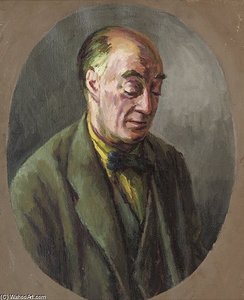
Bust Selfportrait in Paiting Overall


Ft 87026
Kézzel készített olajfestmény reprodukció
Kézzel festett olajvastú vászon, az Ön által választott méretben és keretben, művészeink készítik meglévőre. ( Váltás nyomtatványra Áttérés digitális képre)
Size
·Standard méret
egyedi méretű
CM
INCH
Válasszon előre meghatározott méreteink közül, amelyek megfelelnek a műalkotás eredeti arányainak.
Loading sizes...

szélesség
magasság
Írja be a kívánt szélességet és magasságot, hogy illeszkedjen a keretéhez vagy a falához. Mivel ez kézzel festett alkotás, egy eltérő formájú méret esetén a művész akár festhet is valamivel többet a kép körül, vagy korolathat is belőle — az Ön döntésének megfelelően. A festés megkezdése előtt küldünk egy digitális tervezetet jóváhagyásra. Az oldalon látható kép nem tartalmazza a végeredményt — csak a tervezet mutatja meg a valódi eredményt.
 További információk
Finish
·
White Ft1

Blurside Ft1

Extended Ft1

P118B Ft10

P118H Ft10

P118W Ft10

P438Z Ft10

P508JH Ft12

P508YH Ft12

P805H Ft10

P805Z Ft10

P919BZ Ft10

P919G Ft10

P919XJ Ft10

P959ZH Ft10

P968JZ Ft12

W106C Ft8

W218G Ft10

W218JH Ft8

W218Y Ft10

W307PJ Ft10

W316G Ft10

W316PJ Ft8

W316Y Ft10

W398PJ Ft8

W4111J Ft10

W500HY Ft15

W500JH Ft15

W692G Ft12

W849H Ft8

W940BG Ft15

W953PJ Ft8

H24-GOLD Ft30

H24-SILVER Ft30

H36-GOLD Ft45

H36-SILVER Ft45
Shipped in a protective tube, ready for your own framer.
Above 105 cm the frame is shipped as a kit for a professional framer — read the details.
Extras
optionalWhat do the extras include?
Examples of what can be changed: Replace face with customer photo; Add pet (e.g., replace cat with dog); Include hidden message in background; Change background landscape or elements.
After order, TopImpressionists.com team will email client for instructions and provide a mockup preview
After order, TopImpressionists.com team will email client for instructions and provide a mockup preview
Világszerte elérhető szállítás () 3-4 hét alatt a szokásos 5 hét helyett. (29 október). A minőség nem kérdőjelezhető.
Védőréteg (Lakk)
Névtábla
A gravírozott bronztábla részletei
This elegant plaque features the artist's name and the title of the artwork, finely engraved for a timeless presentation.
It is made from bronze with a refined, elegant finish. The text is precisely laser-engraved for a sharp and permanent result. Measuring 9x2 cm, the plaque is compact yet easy to read. It's built to be durable and scratch-resistant, offering a professional, museum-quality look. Mounting is simple thanks to the included adhesive backing.
Átlátszó akril tábla részletei
The plaque includes essential engraved details such as the artist's name, the title of the artwork, the date it was created, the type of media used-like oil on canvas or watercolor-a brief description of the piece, and a QR code that links to the complete artwork information.
It is crafted from clear acrylic, offering a sleek, modern appearance. The text is UV-engraved in black to ensure strong visual contrast. With a size of 10x15 cm, it ensures optimal readability. It comes equipped with two metal hooks for secure wall mounting. The plaque is designed to be weather-resistant, making it suitable for various environments, and it includes interactive features that work seamlessly with smartphone scanning.
Fekete akril tábla részletei
This elegant plaque includes engraved information such as the artist's name, the title of the artwork, the date it was created, the type of media used (like oil on canvas or watercolor), a short description of the artwork, and a QR code for quick access to more information.
The plaque itself is made from refined black acrylic with a premium finish. The text is laser-engraved in white for high contrast and readability. Its size is 10x15 cm, designed to be easy to read. It comes with two metal hooks for professional mounting. The design is sleek and fits any interior style. It is also weather-resistant and durable, with built-in digital integration for mobile compatibility.
Az üvegkeretes opció csak 110 cm alatti méretben érhető el
 Az üvegkeretes opció csak 110 cm alatti méretben érhető el
- Ingyenes globális expressz szállítás
- Prémium minőségű len vászon
- Teljes körű szállítási biztosítás
- Vámvisszatérítési Garancia
- Hiteles színarányosság garancia
- 100 napos visszaküldési lehetőség (csak hibás termékek esetén)
- 100% pénzvisszatérítési garancia
- Több darab vásárlásakor kedvezmény


A gyűjtemény leírása
This artwork showcases Max Liebermann's self-portrait in 1922, executed in oil on canvas. It exemplifies Impressionism’s focus on capturing fleeting moments of light and color, featuring a contemplative gaze and attire reflecting the artist's era.
A művész életrajza
Max Liebermann (1847-1935): A német impresszionista festő, aki a modern élet, arcképek és a csendes kertek lenyűgöző képeivel hódított el. Fedezze fel örökségét!
About the painting
A Gaze Into the Self: Max Liebermann's Bust Selfportrait
To stand before this selfportrait is to encounter not merely a likeness, but a carefully considered meditation on identity itself. Painted in 1922 by Max Liebermann, this bust portrait captures the artist at a moment of profound introspection. The subject gazes out from the canvas with an undeniable seriousness, his mustache and beard lending him an air of intellectual gravitas. Every element—from the precise knot of his bow tie to the thoughtful set of his glasses—contributes to a persona that is both intimately familiar and strikingly composed. It speaks volumes about the artist's self-perception during this pivotal time in his life, offering us a direct line into the mind of a master.
Technique and Tonal Drama
Liebermann’s handling of paint here showcases his mastery of tonal contrast. The deliberate use of a black and white color scheme is not a limitation, but rather a powerful artistic choice that heightens the drama and focuses all attention squarely on the nuances of the sitter's expression. Observe how the light seems to sculpt the planes of his face, giving dimension to the subtle contours around his eyes and mouth. The technique employed suggests an Impressionist foundation—a sensitivity to fleeting moments—but channeled through a more formal, almost psychological portraiture lens. This stark palette strips away the distractions of color, leaving only the essential architecture of character.
Historical Echoes in Berlin
Created in 1922, this work emerges from a period when Germany was navigating immense social and artistic upheaval. Liebermann, an artist deeply connected to the vibrant cultural pulse of Berlin, captured a moment that feels both timeless and acutely contemporary. While his earlier works celebrated everyday life with Impressionistic joy, this selfportrait suggests a more internalized dialogue—a necessary turning inward amidst the roaring changes of the early 20th century. It is a testament to an artist who remained keenly observant, even when looking at himself.
Symbolism and Emotional Resonance
The act of painting a selfportrait has always been fraught with symbolic weight; it is both documentation and declaration. Here, the direct address to the viewer creates an immediate, almost confrontational intimacy. The seriousness in his eyes invites us to question: what is being observed? Is it the artist, or the enduring spirit that survives the passage of time? For collectors and those seeking art for a sophisticated interior space, this piece offers depth. It doesn't merely decorate; it prompts conversation, encouraging contemplation on self-image, intellect, and the weight of experience.
Bringing Liebermann Home
Owning a reproduction of "Bust Selfportrait in Paiting" allows one to integrate a piece of this rich artistic dialogue into your own sanctuary. The dramatic contrast inherent in the original composition translates beautifully into any setting, providing a focal point that is both intellectually stimulating and visually arresting. It serves as a sophisticated anchor for a room, echoing the thoughtful elegance of early 20th-century European portraiture while maintaining a modern, stark power.
Kérdések és válaszok
Milyen érzést kelt „Bust Selfportrait in Paiting Overall”, Max Liebermann alkotása színe?
A „Bust Selfportrait in Paiting Overall”, Max Liebermann alkotása Earthy palettája harmonikában összhangban van a Reflective érzelmi hangulatával. A szín az egyik eszköze annak, ahogyan egy mű érzéseket közvetít.
Hogyan ötvöli a technika és a stílus magát a "Bust Selfportrait in Paiting Overall" alkotást?
A "Bust Selfportrait in Paiting Overall" alkotásban a Oil On Canvas technika találkozik a Impressionism irányzattal.
Ki a "Bust Selfportrait in Paiting Overall" szerzője, és mely művészeti irányból származik?
Max Liebermann a Impressionism irányzatban alkototta meg a "Bust Selfportrait in Paiting Overall" című művét.
Quick facts and art quiz
About Max Liebermann

Max Liebermann
1847 - 1935, Németország
A művész életrajza
A Life Immersed in Light: The World of Max Liebermann
Max Liebermann (1847. július 20. – 1935. február 8.) német festő és grafikus, a német impresszionizmus egyik legjelentősebb képviselője. Életpályája egy gazdag zsidó családban kezdődött Berlinben, ahol a Brandenburgi kapu mellett magasodó toronyházaiban nevelkedett. Elsőként jogi és filozófiai tanulmányokat folytatott a Berlini Egyetemen, majd később festészetet és rajzot tanult Weimarban 1869-ben, Párizsban 1872-ben és Hollandiában 1876-1877 között. A porosz–francia háború alatt (1870-1871 között) önkéntes egészségügyi katonaként szolgált a Metzhez közeli Szent János rend kórházában. 1871-ben Düsseldorfban találkozott Munkácsy Mihállyal, akinek festészete nagy hatást gyakorolt Liebermannra. Georg testvére anyagi támogatásával Amszterdamba és Scheveningenbe utazott. A táj, az emberek és a fény elkápráztatták Liebermannt. Olykor Münchenben tartózkodott, majd visszatért Berlinbe, 1884-ben, s itt maradt élete végéig. 1884-ben feleségül vette Martha Marckwaldot (1857-1943); a 1885-ös nyáron született lányuk, Käthe (1885-1952). Örökségét arra használta fel, hogy egy lenyűgöző kollekciót állítson össze a francia impresszionisták munkáiból, hiszen csodálta e teljesítményeket. Idővel maga is elkezdte festeni a tehetősebb körökből való emberek hétköznapjait, majd – bár csak az 1910-es évektől – motívumokat merített a későbbi Wannsee-tóhoz közeli kertjéből is. Berlinben azonban rengeteg portrét is festett, már-már a Manet-éhoz hasonló felfogásban. Készített vallásos tárgyú képeket is, gondolva itt például „A tizenkét éves Jézus a templomban a tudósokkal” című képre (1879) – e festmény egy vitát jelenít meg, amely a zsidó-küllemmel ábrázolt Jézus és a zsidó tudósok között zajlik. Ez a jelenet a müncheni Nemzetközi Művészeti Bemutatón nagy vihart kavart – egy kritikus leírása szerint ezen az ábrázoláson Jézus a lehető legcsúnyább, legszemtelenebb zsidó fiú, akit csak elképzelni lehet.Embracing Impressionism in a German Context
Liebermann művészi fejlődései mélyen befolyásolták a francia realizmhoz való kapcsolódását és különösen a virágzó impresszionista mozgalmat. Édouard Manet szelleme – bájtossága, az akadémiai hagyományok elutasítása, a kortárs élet fókuszálása – mélyen megérintette Liebermannot. Azonban nem egyszerűen másolta mindent, amit Párizsban látott; ehelyett alkalmazta ezeket a principiókat egy német érzékenységhez, létrehozva egyedi impresszionizmust. Palettája lett világosabb, festőtechnikája laza és spontánabb, míg témái változtak a bécsi szabadidős szcenékre és a Wannsee-tó melletti kertjének csendes szépségére. Ez utóbbi különösen vált meghatározó motívummá pályáján, egy menedéket nyújtva a gyorsan változó világban valóban távolabb, végtelen ihletet adva a fény és az atmoszféra felfedezéséhez. Nem csak festette, amit látta; hanem a tapasztalat lényegét ábrázolta vászonon. Liebermann korai művei gyakran ábrázolták hétköznapi jeleneteket, különösen a munkások életét, melyek természetes stílusukkal kihívták az időben uralkodó romantikus esztétikát. Ezek a festmények nem voltak szándékos társadalmi kommentárok, hanem őszinte emberi létezés ábrázolásai, méltósággal és tisztelettel telve.A Művészi Szabadságért Küzdő
Liebermann nem volt hajlandó csupán festeni; aktívan támogatta az művészi innovációt és önállóságot. Azonban felismerte a hagyományos művészeti établissement szorító szabályait, ezért vezető szerepet töltött be a berlini Secession alapításában 1898-ban, melynek elnöke több mint tíz évig volt. A Secession kihívta a konvenciókat, platformot biztosítva olyan művészek számára, akik az akadémiai hagyományok határain kívül dolgoztak. Ez a művészi szabadság iránti elkötelezettség nem korlátozódott egyéni munkájára; Liebermann szívvel-lélekkel hitte, hogy a művészek szabadon kifejezhetik látásmódjukat zavarás nélkül. A Prusi Akadémia taggá választása 1909-ben és az elnöksége 1920-ban tanúságot tettek növekvő befolyásáról a német művészeti világban, de ezek a pozíciók is szembeállították őt a gyűlölet és nacionalizmus emelkedő hullámával.A Változó Világ Nyomai: Örökség és Kitartás
A nácis rezsim felállása árnyékot vetett Liebermann későbbi éveire. A diszkrimináció elleni őszinte álláspontja miatt lemondott a Prusi Akadémia tagjaként 1933-ban, ami merész cselekedet volt, amely jelképezte elállását a kompromisszumoktól. Bár növekvő üldözésnek tett felelőtlenül, továbbra is festett, találva menedéket és célt művészetében. 1935-ben halt meg Berlinben, gazdag örökséget elhagyva – képeket, nyomatokat és mélyen gyökerező művészi szabadság iránti elkötelezettséget. Felesége, Martha tragikusan véget ért az 1943-ban, hogy elkerülje a deportálást, ami szörnyű bizonyítéka volt a holokauszt horrorságának. A háború után sokáig Liebermann művei elmaradtak Németországban, mint egy feledésbe merült emlék. Csak a 1970-es évek végén kezdődött meg az érdeklődés újra felélesztése.Főbb Sikerei és Tartós Hatása
- „A tizenkét éves Jézus a templomban a tudósokkal”: Ez a korai mű darabja nagy vitát váltott ki, mivel nemkonvencionális módon ábrázolta a zsidó származású Jézussal, kihívva a hagyományos vallási ikonográfiát.
- A berlini Secession vezetője: A csoport elnökeinek kulcsfontosságú szerepe a modern művészet útjait megnyitotta Németországban.
- A Prusi Akadémia elnöksége: Jelentős elismerés Liebermann művészi értékének, bár ez a náci emelkedéssel kompromittálódott.
- Művésznői portrék: Képes volt megfogalmazni a társaik lényegét több mint 200 megbízású portréban, ami megerősítette hírnevét vezető portréfestőként.
- A német impresszionizmusra gyakorolt hatás: Liebermann sikeresen átrendezte az impresszionista principiókat egyedi német kontextusba, inspirálva a következő generációk művészeit.
Rövid információk
- Artistic Movement Or Style: German impresszionizmus
- Artists Or Movements Influenced By This Artist: ['Német impresszionizmus']
- Artists Who Influenced This Artist: ['Édouard Manet']
- Date Of Birth: 20. július 1847
- Date Of Death: 8. február 1935
- Full Name: Max Liebermann
- Nationality: Német
- Notable Artworks:
- A tizenkét éves Jézus
- Holland tanya
- Einstein portré
- Place Of Birth: Berlin, Németország
Hasonló műalkotások



Fedezze fel a műalkotásokat témák, stílusok és jellemzők szerint csoportosítva.


Bust Selfportrait in Paiting Overall
·