


 Előnézet
 Megosztás
 Megosztás
 Részletek
 Útmutató

 Letöltés
 Hasonló darabok
 X-ray felvétel
 Diavetítés
 Statisztika
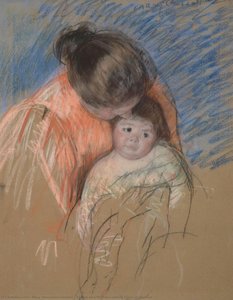
Child with Doll


Discover Milton Avery’s ‘Child with Doll’ (1944), a vibrant folk art piece featuring a stylized mother & child. Bold lines, orange hues, & expressive form evoke protection & nurture.
 Tovább olvasom
Avery Milton (1885-1965): amerikai modern festő, aki a fényes színvilágával és egyszerű formáival hódított el. A fauve és expresszionista vonások hatását éppúgy érezhetjük, mint a tájak és emlékezetek lírais ábrázolásában.
Az ezen az oldalon megjelenített műalkotások szerzői jogi védelem alatt állnak, ami azt jelenti, hogy törvényileg nem készíthetünk és nem adhatunk el belőlük pontos másolatokat. Ez a védelem olyan nemzetközi megállapodások alapján érvényesül, mint például a Berni Egyezmény és a nemzeti törvények által, beleértve azokat is, amelyeket meghatározott Az USA szerzői jogi törvénye – 17. cím.
Mint tiszteletes és törvényes alternatívát, olyan egyedi, kézzel festett alkotásokat kínálunk, amelyek az eredetiből merítnek inspirációt. Tapasztalt és professzionális művészeink alaposan tanulmányozzák az eredeti stílusát, hangulatát és művészeti esszenciáját, hogy egy olyan új, egyedi alkotást hozzunk létre, amely ugyanazt az érzést kelti – miközben önálló, eredeti alkotásként létezik.
Ez a módszer teljes mértékben megfelel a szerzői jogi szabályozásnak, mivel nem tartalmazza a védett műalkotás másolását vagy duplikálását. Ehelyett ez egy kreatív újinterpretáció – egy új festmény, amely az eredetivel való összefüggései miatt hatással van rá, de nem az az.
Kézzel készített olajfestmény reprodukció
Kézzel festett olajvastú vászon, az Ön által választott méretben és keretben, művészeink készítik meglévőre. ( Váltás nyomtatványra Áttérés digitális képre)




P118B Ft10

P118H Ft10

P118W Ft10

P438Z Ft10

P508JH Ft12

P508YH Ft12

P805H Ft10

P805Z Ft10

P919BZ Ft10

P919G Ft10

P919XJ Ft10

P959ZH Ft10

P968JZ Ft12

W106C Ft8

W218G Ft10

W218JH Ft8

W218Y Ft10

W307PJ Ft10

W316G Ft10

W316PJ Ft8

W316Y Ft10

W398PJ Ft8

W4111J Ft10

W500HY Ft15

W500JH Ft15

W692G Ft12

W849H Ft8

W940BG Ft15

W953PJ Ft8




Standard méret
egyedi
CM
INCH
Válasszon előre meghatározott méreteink közül, amelyek megfelelnek a műalkotás eredeti arányainak.
Loading sizes...

szélesség
magasság
Írja be a kívánt szélességet és magasságot, hogy illeszkedjen a keretéhez vagy a falához. Mivel ez kézzel festett alkotás, egy eltérő formájú méret esetén a művész akár festhet is valamivel többet a kép körül, vagy korolathat is belőle — az Ön döntésének megfelelően. A festés megkezdése előtt küldünk egy digitális tervezetet jóváhagyásra. Az oldalon látható kép nem tartalmazza a végeredményt — csak a tervezet mutatja meg a valódi eredményt.
Példák arra, mit lehet módosítani: az arc kicserélése az ügyfél fotójára; háziállat hozzáadása (pl. macska helyett kutya); rejtett üzenet elhelyezése a háttérben; a háttér tájának vagy elemeinek megváltoztatása.
A rendelést követően a TopImpressionists.com csapata e-mailt küld az ügyfélnek az instrukciókért, és biztosít egy előnézeti képet (mockup).
A rendelést követően a TopImpressionists.com csapata e-mailt küld az ügyfélnek az instrukciókért, és biztosít egy előnézeti képet (mockup).
Világszerte elérhető szállítás () 3-4 hét alatt a szokásos 5 hét helyett. (17 október). A minőség nem kérdőjelezhető.

Ingyenes globális expressz szállítás

Prémium minőségű len vászon

Teljes körű szállítási biztosítás

Vámvisszatérítési Garancia

Tökéletes színarányosság garancia

100 napos visszaküldési garancia (csak gyártási hibás termékek esetén)

100% pénzvisszatérítési garancia

Több darab vásárlásakor kedvezmény
 Az üvegkeretes opció csak 110 cm alatti méretben érhető el

Child with Doll
Reprodukciós technika
Reprodukció méretei
-


Összesített ár
Ft 92971
A Quiet Revolution in Color
In the landscape of American Modernism, few works capture the profound intimacy of domestic life with as much poetic restraint as Milton Avery’s 1944 masterpiece, Child with Doll. This painting is far more than a mere depiction of maternal tenderness; it is a masterful exploration of how color and form can bypass literal representation to touch the very soul of the viewer. At first glance, the eye is immediately drawn into a vibrant dialogue between warm and cool tones. A bold, sun-drenched palette of orange and pink dances against a grounding, somber expanse of grey, creating a chromatic harmony that feels both modern and timeless. Avery, deeply influenced by the colorist traditions of Matisse, uses these hues not just to decorate the canvas, but to evoke an atmosphere of serene stillness and emotional depth.
The composition itself is a study in elegant simplicity. Eschewing the complex perspectives of classical realism, Avery presents a frontal view that brings the figures into an immediate, almost confrontational closeness with the observer. The subjects—a mother and child—are rendered through simplified geometric shapes, where rectangles and ovals become the building blocks of human connection. Thick, confident outlines delineate these forms, providing a sense of structural stability and warmth. This stylistic choice leans toward a beautiful, naive aesthetic, stripping away the unnecessary noise of the world to focus entirely on the essence of the bond being portrayed. It is a visual language that speaks of protection and nurturing, turning a private moment into a universal symbol of care.
The Tactile Poetry of Technique
To look closely at Child with Doll is to witness the physical labor of the artist’s hand. Avery employed a technique involving the application of oil paint via a palette knife, a method that lends the surface a distinctive, palpable texture. This deliberate roughness breaks the flatness of the modern shapes, adding a layer of materiality that grounds the abstraction in reality. The visible, broad brushstrokes and the slight impasto effect create a rhythmic energy across the canvas, ensuring that even within its minimalist structure, the painting feels alive and breathing.
<For the discerning collector or interior designer, this artwork offers a rare opportunity to introduce a sense of sophisticated tranquility into a space. The way the light interacts with the textured surface—even in a high-quality reproduction—promises a dynamic visual experience that changes with the time of day. Whether placed in a contemporary gallery setting or as a focal point in a curated living space, Avery’s work provides a bridge between the bold experimentation of the mid-century avant-garde and the timeless human need for beauty and connection. It is an investment in a piece of history that continues to offer a quiet, colorful revolution to all who behold it.
Gyakran Ismételt Kérdések
Child with Doll színei erőteljesnek vagy lágynak tűnnek?
A „Child with Doll”, Avery Milton alkotása Vivid szín intenzitást mutat be.
Mely korszakból származik a "Child with Doll"?
„Child with Doll”, Avery Milton alkotása történelmi korszaka Modern. Ez a klasszifikáció meghatározza a mű helyét a művészettörténetben.
Menny amountnyi fényt tűnik úgy vissza a "Child with Doll" színei?
A "Child with Doll" színei Gentle Luminance fényerővel rendelkeznek.
Hasonló műalkotások




A művész életrajza
A Quiet Revolution in Color: The Life and Art of Milton Avery
Milton Clark Avery, born March 7, 1885, in the small hamlet of Altmar, New York, wasn’t a painter who stormed the art world with manifestos or radical pronouncements. Instead, his revolution unfolded quietly, through a subtle yet profound exploration of color and form that would deeply influence generations of American artists. His early life was steeped in practicality; as the son of a tanner, Avery began working at sixteen to support his family after his father’s untimely death, taking on various blue-collar jobs while nurturing a burgeoning passion for art. This period instilled in him a grounded sensibility, a connection to everyday life that would permeate his work.
Early Life and Influences
Avery's formative years were marked by hardship and resilience. Following the tragic loss of his father, he shouldered considerable responsibility for caring for his family—nine female relatives—and pursued education diligently while balancing demanding employment responsibilities. His fascination with art began during his youth, fueled by exposure to European avant-garde movements like Fauvism and Expressionism. Artists such as Henri Matisse and Ernst Ludwig Kirchner profoundly impacted his artistic vision, encouraging him to embrace bold color palettes and expressive distortions.
Formal Training and Artistic Development
Avery honed his skills at the Connecticut League of Art Students and later at the Art Students League of New York, prioritizing self-directed study alongside formal instruction. He deliberately simplified subjects—landscapes, figures, still lifes—focusing on color relationships and emotional resonance rather than meticulous detail. This stylistic choice reflected a deep conviction that art could convey profound feelings without resorting to photographic realism.
Career Highlights: Neuberger’s Patronage and Recognition
Despite initial obscurity, Avery achieved considerable acclaim thanks to the unwavering support of Roy Neuberger, an influential New York art dealer who recognized his artistic merit. Neuberger purchased over 100 of Avery's paintings—including *Gaspé Landscape*, a seminal work—and championed his cause by lending them extensively to museums across America. This strategic collaboration ensured that Avery’s distinctive style and evocative imagery reached a wider audience, establishing him as a pivotal figure in American Modernism.
Legacy: An Enduring Influence on Abstract Expressionism
Milton Avery's artistic legacy extends far beyond his own oeuvre. He served as an indispensable bridge between representational painting and the burgeoning abstract expressionist movement of the 1940s and 50s, inspiring artists like Mark Rothko and Adolph Gottlieb to explore the expressive potential of color and form. His paintings—characterized by luminous palettes, simplified shapes, and serene compositions—continue to captivate viewers today, demonstrating that art can transcend literal depiction to communicate universal emotions and experiences.
Key Characteristics & Lasting Impact
- Simplified Forms: Avery deliberately reduced subjects to their essential shapes, prioritizing color and composition over detailed representation.
- Luminous Color Palettes: His paintings are characterized by a vibrant yet harmonious use of color, creating a sense of light and atmosphere.
- Emotional Resonance: Avery’s work is deeply evocative, conveying a range of emotions—serenity, melancholy, joy—through subtle nuances of color and form.
- Influence on Abstract Expressionism: He served as a crucial link between representational painting and the abstract expressionist movement, inspiring artists like Rothko and Gottlieb.
- A Quiet Innovator: Avery’s artistic revolution was not one of grand gestures but rather a subtle yet profound exploration of color and form that continues to resonate with audiences today.
Milton Avery's art remains a testament to the power of quiet contemplation, the beauty of simplicity, and the enduring legacy of an artist who dared to forge his own path. His paintings invite us to slow down, to look closely, and to experience the world in a new light—a light infused with color, emotion, and a profound sense of harmony.

Avery Milton
1885 - 1965 , Egyesült Államok
Gyors információk
- Artistic Movement Or Style: Modernista, Fauvista
- Artists Or Movements Influenced By This Artist: ['Abstr. ekspresz']
- Artists Who Influenced This Artist:
- Matisse
- Kirchner
- Date Of Birth: March 7, 1885
- Date Of Death: Jan 3, 1965
- Full Name: Milton Clark Avery
- Nationality: Amerikai
- Notable Artworks:
- Gaspé táj
- Centr Park
- Madárrepülés
- Place Of Birth: Altmar, USA
Kapcsolódó cikkek

The Pure Charm of Naïve Art: Finding Beauty in Simplicity, Soul, and the Unfiltered Vision
Discover the profound beauty of Naïve Art. Explore how self-taught masters bypass academic tradition to capture raw emotional truth through vibrant color and soulful simplicity. A cultural journey for the true art lover seeking depth beyond convention.