

Shown: · With its frame:
 Megtekintés
 Küldés
 Megosztás
 Részletek
 Útmutató

 Letöltés
 Hasonló darabok
 X-ray felvétel
 Diavetítés
 Q&A
Q&A Statisztika

Ft 86911
Kézzel készített olajfestmény reprodukció
Kézzel festett olajvastú vászon, az Ön által választott méretben és keretben, művészeink készítik meglévőre. ( Váltás nyomtatványra Áttérés digitális képre)
Size
·Standard méret
egyedi méretű
CM
INCH
Válasszon előre meghatározott méreteink közül, amelyek megfelelnek a műalkotás eredeti arányainak.
Loading sizes...

szélesség
magasság
Írja be a kívánt szélességet és magasságot, hogy illeszkedjen a keretéhez vagy a falához. Mivel ez kézzel festett alkotás, egy eltérő formájú méret esetén a művész akár festhet is valamivel többet a kép körül, vagy korolathat is belőle — az Ön döntésének megfelelően. A festés megkezdése előtt küldünk egy digitális tervezetet jóváhagyásra. Az oldalon látható kép nem tartalmazza a végeredményt — csak a tervezet mutatja meg a valódi eredményt.
 További információk
Finish
·
White Ft1

Blurside Ft1

Extended Ft1

P118B Ft10

P118H Ft10

P118W Ft10

P438Z Ft10

P508JH Ft12

P508YH Ft12

P805H Ft10

P805Z Ft10

P919BZ Ft10

P919G Ft10

P919XJ Ft10

P959ZH Ft10

P968JZ Ft12

W106C Ft8

W218G Ft10

W218JH Ft8

W218Y Ft10

W307PJ Ft10

W316G Ft10

W316PJ Ft8

W316Y Ft10

W398PJ Ft8

W4111J Ft10

W500HY Ft15

W500JH Ft15

W692G Ft12

W849H Ft8

W940BG Ft15

W953PJ Ft8

H24-GOLD Ft30

H24-SILVER Ft30

H36-GOLD Ft45

H36-SILVER Ft45
Shipped in a protective tube, ready for your own framer.
Above 105 cm the frame is shipped as a kit for a professional framer — read the details.
Extras
optionalWhat do the extras include?
Examples of what can be changed: Replace face with customer photo; Add pet (e.g., replace cat with dog); Include hidden message in background; Change background landscape or elements.
After order, TopImpressionists.com team will email client for instructions and provide a mockup preview
After order, TopImpressionists.com team will email client for instructions and provide a mockup preview
Világszerte elérhető szállítás () 3-4 hét alatt a szokásos 5 hét helyett. (30 október). A minőség nem kérdőjelezhető.
Védőréteg (Lakk)
Névtábla
A gravírozott bronztábla részletei
This elegant plaque features the artist's name and the title of the artwork, finely engraved for a timeless presentation.
It is made from bronze with a refined, elegant finish. The text is precisely laser-engraved for a sharp and permanent result. Measuring 9x2 cm, the plaque is compact yet easy to read. It's built to be durable and scratch-resistant, offering a professional, museum-quality look. Mounting is simple thanks to the included adhesive backing.
Átlátszó akril tábla részletei
The plaque includes essential engraved details such as the artist's name, the title of the artwork, the date it was created, the type of media used-like oil on canvas or watercolor-a brief description of the piece, and a QR code that links to the complete artwork information.
It is crafted from clear acrylic, offering a sleek, modern appearance. The text is UV-engraved in black to ensure strong visual contrast. With a size of 10x15 cm, it ensures optimal readability. It comes equipped with two metal hooks for secure wall mounting. The plaque is designed to be weather-resistant, making it suitable for various environments, and it includes interactive features that work seamlessly with smartphone scanning.
Fekete akril tábla részletei
This elegant plaque includes engraved information such as the artist's name, the title of the artwork, the date it was created, the type of media used (like oil on canvas or watercolor), a short description of the artwork, and a QR code for quick access to more information.
The plaque itself is made from refined black acrylic with a premium finish. The text is laser-engraved in white for high contrast and readability. Its size is 10x15 cm, designed to be easy to read. It comes with two metal hooks for professional mounting. The design is sleek and fits any interior style. It is also weather-resistant and durable, with built-in digital integration for mobile compatibility.
Az üvegkeretes opció csak 110 cm alatti méretben érhető el
 Az üvegkeretes opció csak 110 cm alatti méretben érhető el
- Ingyenes globális expressz szállítás
- Prémium minőségű len vászon
- Teljes körű szállítási biztosítás
- Vámvisszatérítési Garancia
- Hiteles színarányosság garancia
- 100 napos visszaküldési lehetőség (csak hibás termékek esetén)
- 100% pénzvisszatérítési garancia
- Több darab vásárlásakor kedvezmény


A gyűjtemény leírása
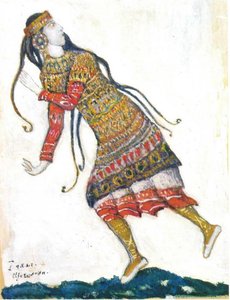
Fedezd fel Roerich Nicholas 'Shchegolikha' művét! Virágzó színek, áramló vonalak – egy lenyűgöző Art Nouveau kép indiai táncosról, spirituális és kulturális szépségben. #Roerich #Shchegolikha #ArtNouveau
A művész életrajza
Roerich: szimbolista festő, a Balett Russe tervezője, a Himalája és a spirituális művészet mestere. Kulturális örökség védelmezője, a Roerich Paktum kezdeményezője.
About the painting
Nicholas Roerich – Shchegolikha: Egy Szellem tánca
A Nicholas Roerich 1912-ben festett "Shchegolikha" (Szellemtáncos) egy lenyűgöző műalkotás, mely a kor virágzó Art Nouveau stílusának tökéletes megtestesítője. A kép nem csupán egy tájfestés vagy portré; ez egy spirituális utazás, egy ősi rituálé leképezése, melyben a hindu nőről van szó. Roerich, aki élete nagy részét kutatásnak, írásnak és művészetnek szentelte, ebben a festményben megmutatta a világ szégyellhetetlen csodáit, a kultúra és a vallás mélységét.
A kép egy táncos nőt ábrázol, aki a hinduizmusban fontos rituális táncot végz. A ruhája, a szivárvány színű selyemből készült, a gyöngyökkel és kincsekkel díszített, a festmény dinamikus mozgását hangsúlyozza. A nők fején található fejpánt, a virágok és a szarvak szimbólumokkal teli, ami a természet és az isteni erő kapcsolatát jelképezi. A festmény színei – a mély zöldek, sárgák, kékek és vörösek – nem csupán esztétikailag vonzóak, hanem spirituális jelentéssel is rendelkeznek.
Art Nouveau Eleganciája: Formák és Mozgalom
Roerich a festészetben a formák és a mozgás közötti összhangra törekedett. A "Shchegolikha" esetében ez különösen jól látható, hiszen a táncos nőről nem egy statikus képet kapjuk, hanem egy élénk, dinamikus jelenetet. A festmény vonalak a festő kezeiből áramlanak, és a ruhák mozgását, a test pózát követik. A festő a festés technikájával is játszik: a vastag ecsetvonásokkal a festő a formákat kiemeli, a finomabb ecsetvonásokkal pedig a ruhák textúráját jeleníti meg.
Az Art Nouveau stílus jellemzői – a természetes formák, a virágok és állatok motívumai, a folyós vonalak – itt is megtalálhatóak. A festmény egyfajta szimbiózisban van a művész és a természet között, ami Roerich egyik legfontosabb elképzelése volt.
Történeti Kontekstus és Spirituális Utazás
Roerich festményeit gyakran értelmezik spirituális utazásoknak. A művész nem csupán a világot látta meg, hanem próbált megérteni az ott rejlő titkokat. "Shchegolikha" esetében ez különösen fontos, hiszen a kép egy ősi rituálét ábrázol, melynek célja a spirituális ébredés lehetett. A festményt a művész saját életével és gondolataival is gazdagította.
A festmény készítésekor Roerich Oroszországban dolgozott, de a művészet iránti szenvedélye nem korlátozta őt. Azonban a festményben megjelenő témák és motívumok a világ minden táján megtalálhatók, ami azt mutatja, hogy a művész szellemi horizontja nem korlátozódott Oroszország határain.
Érvelés és Hangulat
"Shchegolikha" egy festmény, amely elvarázsol. A festő a festés technikájával is játszik, és a képben megjelenő mozgás, a színek és a formák mind hozzájárulnak ahhoz, hogy a néző elmerüljön a festmény világában. A festmény egyfajta spirituális élményt nyújt, ami a nézőt magába vonja.
A kép egyfajta emlékeztető a művészet erejére, a kreativitásra és az isteni szépségre. Egy olyan festmény, amely örökké élni fog a néző szívében.
Kérdések és válaszok
Milyen nemzetiség áll a „Shchegolikha” Art Nouveau-ének hátterében?
A "Shchegolikha" alkotását Roerich, Nicholas készítette, aki Oroszország-ban született, a Art Nouveau irányzat keretein belül. A művész származása összeköti a művet a Art Nouveau stílussal, amelyet Oroszország művészei gyakoroltak.
Megtekinthetném „Shchegolikha”, Roerich, Nicholas alkotása alkotást más megvilágítás mellett is?
A „Shchegolikha”, Roerich, Nicholas alkotása X-ray felvétel oldala egy interaktív nézegető, amely lehetővé teszi a mű alkotásának eleven optikai rétegei közötti görgetést, beleértve az röntgenszerű felvételt is.
Milyen érzelmet közvetít a „Shchegolikha”, Roerich, Nicholas alkotása?
A „Shchegolikha”, Roerich, Nicholas alkotása művészeti alkotás érzelmi tónusa Rejtélyes. Ez foglalja össze a mű által kifejezett érzést.
Quick facts and art quiz
About Roerich, Nicholas

Roerich, Nicholas
1874 - 1947, Oroszország
A művész életrajza
A Life Immersed in Art and Spirit
Nicholas Roerich, born October 9, 1874, in the vibrant cultural heart of Saint Petersburg, Russia, was a figure whose life transcended the boundaries of artistic expression. He wasn’t merely a painter; he was an archaeologist, a writer, a philosopher, and a tireless advocate for peace and cultural preservation. His upbringing, steeped in both intellectual rigor – his father was a notary public – and artistic appreciation thanks to his mother, laid the foundation for a remarkably multifaceted career. Roerich simultaneously pursued studies in law and art at St. Petersburg University and the Imperial Academy of Arts beginning in 1893, demonstrating an early commitment to a broad understanding of the world. This dual path wasn’t contradictory for him; rather, it reflected a belief that artistic vision needed grounding in historical context and intellectual discipline. He received his artist designation in 1897 and completed his law degree the following year, setting the stage for a life dedicated to both creative exploration and reasoned action.The Allure of Symbolism and Theatrical Innovation
Roerich’s artistic development was profoundly shaped by the currents of Russian Symbolism, a movement that sought to evoke emotional and spiritual depths through evocative imagery and suggestive forms. He quickly became involved with Sergei Diaghilev's influential “World of Art” society, eventually assuming its presidency from 1910 to 1916. This association proved pivotal, exposing him to a network of innovative artists, composers, and thinkers who were redefining the landscape of Russian art. His early work revealed a fascination with archaeology and stage design, leading to groundbreaking collaborations with Diaghilev’s Ballets Russes. Roerich's designs for productions like Alexander Borodin's *Prince Igor* (1909) and, most famously, Igor Stravinsky’s revolutionary *The Rite of Spring* (1913), were not simply backdrops; they were integral components of the theatrical experience. He blended meticulous historical research with a bold imaginative vision, creating visually stunning environments that amplified the emotional power of the music and choreography. These designs weren't merely decorative; they were attempts to evoke primordial forces and ancient rituals, reflecting the Symbolist interest in myth and spirituality. His work was also influenced by apocrypha and medieval sectarian writings like the Dove Book, adding layers of esoteric meaning to his artistic creations.A Journey Towards Mysticism and Himalayan Visions
As Roerich’s career progressed, his paintings underwent a significant transformation, increasingly embracing mystical and spiritual themes. This shift was fueled by his growing interest in Theosophy and Eastern religions, philosophies that emphasized the interconnectedness of all things and the pursuit of inner wisdom. His *Architectural Studies* series (1904–1905) showcased not only his architectural skill but also a deep commitment to preserving cultural heritage, foreshadowing his later advocacy for protecting art during times of conflict. Recurring motifs began to emerge in his work: majestic landscapes, ancient cities shrouded in mystery, and figures imbued with spiritual significance like St. Panteleimon and Kuan Yin. He embarked on extensive travels throughout Central Asia, conducting archaeological research and documenting ancient cultures, experiences that deeply informed his artistic vision and reinforced his belief in the importance of cultural understanding. The Himalayas became a central subject in his paintings, representing not just a geographical location but a realm of profound spiritual power and enlightenment.Key Works & Continuing Relevance
- Saint Nicholas: A detailed monochrome mural showcasing medieval art and heraldic symbolism.
- City: Evocative depictions of ancient urban landscapes, reflecting his archaeological interests.
- Lake of the Nagas: A tempera painting blending symbolism and nature, exemplifying his unique artistic vision.
A Pioneer of Cultural Preservation
Beyond his artistic achievements, Nicholas Roerich was a passionate advocate for the protection of cultural treasures. Recognizing the devastating impact of war on art and architecture, he dedicated much of his life to promoting international cooperation in safeguarding these invaluable legacies. He spearheaded the creation of the Roerich Pact in 1935 – an international treaty designed to prevent the destruction of cultural objects during armed conflicts. This initiative garnered him widespread recognition and numerous nominations for the Nobel Peace Prize, underscoring his profound humanitarianism and commitment to a world where culture is valued and protected. His tireless efforts stand as a testament to the belief that art and heritage are essential components of human civilization, deserving of our utmost care and respect.Quick facts about Roerich, Nicholas
- Artistic Movement Or Style: Szimbolizmus, Spirituális művészet
- Artists Or Movements Influenced By This Artist: ['Orosz szimbolizmus']
- Artists Who Influenced This Artist:
- Diaghilev
- Stasov
- Date Of Birth: 1874. okt. 9.
- Date Of Death: 1947. dec. 13.
- Full Name: Nicholas Roerich
- Nationality: Orosz
- Notable Artworks:
- Szent Miklós
- Város
- Nagas-tavaszi tó
- Place Of Birth: Szentpétervár, Oroszország
Fedezze fel a műalkotásokat témák, stílusok és jellemzők szerint csoportosítva.


Roerich, Nicholas
Shchegolikha
() ·
With its frame: · Hand-painted in oil on linen
Total