

A képen: · A kerettel együtt:
 Megtekintés
 Küldés
 Megosztás
 Részletek
 Útmutató

 Letöltés
 Hasonló darabok
 X-ray felvétel
 Diavetítés
 Kérdések és válaszok
 Statisztika
- 121.0 x 180.0 cm


Ft 87918
Kézzel készített olajfestmény reprodukció
Kézzel festett olajvastú vászon, az Ön által választott méretben és keretben, művészeink készítik meglévőre. ( Váltás nyomtatványra Áttérés digitális képre)
Méret
·Standard méret
egyedi méretű
CM
INCH
Válasszon előre meghatározott méreteink közül, amelyek megfelelnek a műalkotás eredeti arányainak.
Méretek betöltése...

szélesség
magasság
Írja be a kívánt szélességet és magasságot, hogy illeszkedjen a keretéhez vagy a falához. Mivel ez kézzel festett alkotás, egy eltérő formájú méret esetén a művész akár festhet is valamivel többet a kép körül, vagy korolathat is belőle — az Ön döntésének megfelelően. A festés megkezdése előtt küldünk egy digitális tervezetet jóváhagyásra. Az oldalon látható kép nem tartalmazza a végeredményt — csak a tervezet mutatja meg a valódi eredményt.
 További információk
Befejezés
·
Fehér Ft1

Elmosódott szélek Ft1

Kiterjesztett Ft1

P118B Ft10

P118H Ft10

P118W Ft10

P438Z Ft10

P508JH Ft12

P508YH Ft12

P805H Ft10

P805Z Ft10

P919BZ Ft10

P919G Ft10

P919XJ Ft10

P959ZH Ft10

P968JZ Ft12

W106C Ft8

W218G Ft10

W218JH Ft8

W218Y Ft10

W307PJ Ft10

W316G Ft10

W316PJ Ft8

W316Y Ft10

W398PJ Ft8

W4111J Ft10

W500HY Ft15

W500JH Ft15

W692G Ft12

W849H Ft8

W940BG Ft15

W953PJ Ft8

H24-GOLD Ft30

H24-SILVER Ft30

H36-GOLD Ft45

H36-SILVER Ft45
Védődobozban, feltekercselve szállítva, készen a saját keretbe helyezésre.
Extrák
opcionálisMit tartalmaznak a plusz szolgáltatások?
Példák a módosíthatóságra: Az arc kicserélése a vásárló fotójára; háziállat hozzáadása (pl. macska kicserélése kutyára); rejtett üzenet elhelyezése a háttérben; a háttér tájéképének vagy elemeinek megváltoztatása.
A megrendelést követően a TopImpressionists.com csapat e-mailt küld a vásárlónak az instrukciókkal, és biztosítja a tervezeti előnézetet
A megrendelést követően a TopImpressionists.com csapat e-mailt küld a vásárlónak az instrukciókkal, és biztosítja a tervezeti előnézetet
Világszerte elérhető szállítás () 3-4 hét alatt a szokásos 5 hét helyett. (10 november). A minőség nem kérdőjelezhető.
Védőréteg (Lakk)
Névtábla
A gravírozott bronztábla részletei
This elegant plaque features the artist's name and the title of the artwork, finely engraved for a timeless presentation.
It is made from bronze with a refined, elegant finish. The text is precisely laser-engraved for a sharp and permanent result. Measuring 9x2 cm, the plaque is compact yet easy to read. It's built to be durable and scratch-resistant, offering a professional, museum-quality look. Mounting is simple thanks to the included adhesive backing.
Átlátszó akril tábla részletei
The plaque includes essential engraved details such as the artist's name, the title of the artwork, the date it was created, the type of media used-like oil on canvas or watercolor-a brief description of the piece, and a QR code that links to the complete artwork information.
It is crafted from clear acrylic, offering a sleek, modern appearance. The text is UV-engraved in black to ensure strong visual contrast. With a size of 10x15 cm, it ensures optimal readability. It comes equipped with two metal hooks for secure wall mounting. The plaque is designed to be weather-resistant, making it suitable for various environments, and it includes interactive features that work seamlessly with smartphone scanning.
Fekete akril tábla részletei
This elegant plaque includes engraved information such as the artist's name, the title of the artwork, the date it was created, the type of media used (like oil on canvas or watercolor), a short description of the artwork, and a QR code for quick access to more information.
The plaque itself is made from refined black acrylic with a premium finish. The text is laser-engraved in white for high contrast and readability. Its size is 10x15 cm, designed to be easy to read. It comes with two metal hooks for professional mounting. The design is sleek and fits any interior style. It is also weather-resistant and durable, with built-in digital integration for mobile compatibility.
Az üvegkeretes opció csak 110 cm alatti méretben érhető el
 Az üvegkeretes opció csak 110 cm alatti méretben érhető el
- Ingyenes globális expressz szállítás
- Prémium minőségű len vászon
- Teljes körű szállítási biztosítás
- Vámvisszatérítési Garancia
- Hiteles színarányosság garancia
- 100 napos visszaküldési lehetőség (csak hibás termékek esetén)
- 100% pénzvisszatérítési garancia
- Több darab vásárlásakor kedvezmény


A gyűjtemény leírása
Experience Nicolas Poussin's poignant 'Orpheus & Eurydice'! This Baroque masterpiece captures a timeless myth of love, loss, and the power of music. A stunning reproduction awaits.
A művész életrajza
A francia klasszicizmus mestere, aki az Et in Arcadia Ego művészéről híres. Fedezze fel szellemi remekműveit a TopImpressionists-on!
A festményről
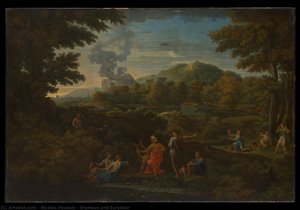
A Lament in Laurel Green: Unpacking Poussin’s ‘Landscape with Orpheus and Eurydice’
Nicolas Poussin's “Landscape with Orpheus and Eurydice,” painted around 1650, isn’t merely a depiction of a classical myth; it’s a profound meditation on loss, longing, and the bittersweet beauty of remembrance. Initially attributed to Poussin himself, though now generally believed to be by a skilled follower, this work embodies the artist's signature blend of Italianate sensuality with rigorous Classical structure – a harmonious marriage that defined his artistic legacy. The painting resides within the Louvre’s collection, a testament to its enduring power and aesthetic merit. It’s a landscape saturated not just with color, but with an atmosphere of poignant melancholy, inviting viewers into a world where earthly beauty is inextricably linked to sorrow.The Myth Unveiled: A Story of Love and Loss
The narrative at the heart of “Landscape with Orpheus and Eurydice” is one of enduring tragedy. The myth recounts the tale of Orpheus, the legendary musician whose lyre possessed the power to move even the gods. He fell deeply in love with Eurydice, a nymph who tragically died after being bitten by a snake. Driven by grief, Orpheus descended into the underworld to retrieve her, using his music to persuade Hades and Persephone to allow him to take her back to the world of the living. However, blinded by hope and fear, he prematurely turned to look at his beloved as they neared the exit, causing Eurydice to vanish forever from his sight. Poussin masterfully captures this pivotal moment – not the triumphant return, but the agonizing realization of irrevocable loss.A Symphony of Light and Shadow: Technique and Composition
Poussin’s technical prowess is immediately evident in the painting's masterful use of light and shadow. The composition is carefully orchestrated, drawing the eye towards Orpheus and Eurydice as they stand close together, a small beacon of intimacy amidst the vastness of the landscape. He employs *chiaroscuro*, a technique borrowed from Caravaggio, to create dramatic contrasts between illuminated areas – primarily focused on the couple – and deep, enveloping shadows that suggest both the mystery of the underworld and the weight of grief. The trees, rendered with meticulous detail, frame the scene like a natural stage, while the distant castle, partially obscured by smoke, hints at the ruined world beyond. Notice how Poussin uses atmospheric perspective—distant objects appear paler and less distinct—to create a sense of depth and spatial recession, drawing the viewer into the painted realm. The brushstrokes are smooth and controlled, contributing to the painting’s overall sense of serenity and refinement, despite its underlying sadness.Symbolism and Emotional Resonance: Beyond the Myth
Beyond the literal depiction of the myth, “Landscape with Orpheus and Eurydice” is rich in symbolic meaning. The forest itself represents the unknown, a space of both beauty and danger – mirroring the emotional landscape of grief. The smoke rising from the ruined castle symbolizes the destruction caused by loss and the fading of earthly pleasures. Orpheus’s lyre isn't just an instrument; it’s a conduit for his sorrow, a symbol of his desperate attempt to transcend death and reunite with his beloved. Eurydice’s posture—a gentle acceptance of her fate—suggests a quiet dignity in the face of tragedy. The painting speaks not only to the specific story of Orpheus and Eurydice but also to universal themes of love, loss, and the enduring power of memory. It's a poignant reminder that beauty can coexist with sorrow, and that even in darkness, there is still light to be found.Reproductions: Bringing Poussin’s Vision Home
TopImpressionists offers meticulously crafted hand-painted reproductions of “Landscape with Orpheus and Eurydice,” allowing you to experience the full depth and beauty of this iconic masterpiece in your own space. Our skilled artists faithfully recreate Poussin's nuanced techniques, capturing the subtle gradations of light, the delicate textures of the foliage, and the profound emotional resonance of the scene. Available in a range of sizes, from intimate wall pieces to grand statement artworks, our reproductions provide an authentic connection to this timeless work of art – a perfect addition for any discerning collector or admirer of classical beauty.Kérdések és válaszok
Hol vásárolható „Orpheus and Eurydice”, Poussin Nicolas alkotása kézzel festett másolata?
A „Orpheus and Eurydice”, Poussin Nicolas alkotása kézzel festett reprodukcióját közvetlenül a(z) Kézzel festett másolat oldalon is megrendelheti: kézzel festett olajfesték reprodukció lino vászonon, egyedi igény szerinti gyártással.
Van-e rozšíngtott valóság (AR) előnézete a(z) "Orpheus and Eurydice" alkotásnak?
A(z) "Orpheus and Eurydice" kiterjesztett valóság (AR) előnézettel rendelkezik: a mű Kiterjesztett valóság előnézet oldalán kompatibilis eszközön megtekinthető saját környezetében.
Milyen összefüggésben áll a "Orpheus and Eurydice" témája Poussin Nicolas megszokott motíveivel?
A "Orpheus and Eurydice" a mythology, orpheus, eurydice, landscape, forest, loss, love, classical ábrázol, míg Poussin Nicolas dokumentált témái a classical antiquity, roman landscape, mythological narrative, emotional depth, poussin’s style, harmonious balance, love, loss. A kettő összevetése megmutatja, hogyan kapcsolódik ez a mű a művész megszokott motívumaihoz.
Gyors tények és művészeti kvíz
Poussin Nicolas életrajza

Poussin Nicolas
1594 - 1665, Franciaország
A művész életrajza
Korai élet, család és képzés
Poussin Nicolas szigorú fegyelmezett szemléletének megértéséhez vissza kell tértenünk a normandiai Les Andelys tájára, ahol a művész származása gyökerezik. 1594 júniusában született, korai fejlődése nem a hirtelen jövőből fakadó ihlet terméke volt, hanem a strukturált, módszeres képzés eredménye. Technikai oktatását Rouen városában kezdte, egy olyan kezdőpép, amely megadta a szükséges alapmechanikát a későbbi, sokkal összetettebb kompozícióihoz. Ez a korai időszak olyan szigorú előkészítés mögött állt, amely később egész karrierjét meghatározta.
1612-re Poussin Nicolas már Párizsba költözött, ahol 1623-ig maradt. A francia fővárosban töltött évtized jelentős fejlődési szakaszot jelentett számára, távolabb repíztetve őt a fiatalkorai alapoktól. Oktatása nem korlátozódott csupán a vizuális érzékelésre; latin nyelvet is tanult, ami olyan nyelvi eszközt biztosított számára, amely lehetővé tette a klasszikus szövegek közvetlen értelmezését, amelyeket később képi formában fordított le. Az ősi nyelv és szerkezet ismerete biztosította, hogy művészete ne csupán vizuális érzéki hatásokra, hanem a logika szilárd alapjaira épüljön.
A római évek és a művészeti fejlődés
Poussin Nicolas 1624-ben érkezett Rómába, útját Venedégen keresztül véve. Ebben az időszakban még egy formálatlan festő volt, aki hiányolta azt a határozott irányt, amely később meghatározta pályáját. Nem Franciaországban próbálta meg megtalálni belső hangját; helyette pályamunkájának nagy részét Rómában töltötte, egy olyan városban, amely biztosította a szükséges intellektuális és fizikai környezetet fejlődéséhez. Ez nem csupán tartózkodás volt egy helyen, hanem alapvető fordulat művészeti pályájában. Távolodott a fiatalkorai, a vénuszi hatású, érzéki stílustól, és egy fegyelmezettebb, strukturáltabb megközelítés felé mozdult el. Ezt a átmenetet a klasszikus romok iránti mély elhivatottság és az Örök Város tudományos körének folyamatos tanulmányozása vezette.
Római fejlődése a kortán elterjedt pompás, teatroszkus barokk ízlések elutasításával jegyezhető meg. Ahelyett, hogy az azonnali szenviális hatásra vagy a drámai gesztusokra helyezte volna a hangsúlyt, a rend és a logika érzését kereste. Antik maradványokat és Raphael műveit tanulmányozta, hogy egy tisztaságre és egyensúlyra alapozott vizuális nyelvet alkosson meg. Ezen időszak alatt láttuk őt áttransformálódni az érkezését követő, kísérletező, szinte megformálatlan művekből egy rendkívül kontrollált kompozíciós módszer felé. Végül olyan stílust alakított ki, amely a vonalat a szín felett részesítette előnyben, a felszínbeli látványosságok helyett témái intellektuális súlyára összpontosítva. 1665-ig Rómában maradt, és azóta egy formálatlan bevándorozótól a klasszikus hagyomány központi alakjává változott meg.
Mecénások, műhely és megrendelések
Poussin Nicolas pályafutását nem a motívumok szerte szóló, teatroszkultúrával teli ellenreformációi igényei határozták meg, hanem egy szelektív, intellektuális mecénáskör. Rómában legfontosabb kapcsolata Cassiano dal Pozzo volt, a tudós és arkeológus, akinek befolyása Poussin Nicolas munkásságát egy specifikus, magaslatú társadalmi rétegbe igazította. Ez a kapcsolat biztosította számára az egyetlen pápalai megrendelését is 1628-ban. Az ilyen típusú feladatok távolállást igényeltek az a városban akkoriban népszerű, pompás és érzelmektől dübörögő stílustól; helyette azokat a strukturált tisztaságokat részesítette előnyben, amelyeket mecénásai elvártak. Képesége, hogy megfelegyen ezen kritikus gyűjtők igényeinek, tartós hírnevet biztosított számára, mint tartalmat ragasztó művész.
Művészeti státusza végül a francia állam legmagasabb szintjét is elérte. Párizsba való rövid visszatérése alatt a király, XIII.的学习, valamint Kardinal Richelieu udvarában nevezték meg a király első festőjének. Ez a tisztség jelentős súllyal járt, azonban az adminisztratív és udvari nyomások nem egyeztek meg művészi munkálati módszereivel. Bár megtartotta a király első festőjének címét, a udvar követelményei arra késztették, hogy elhagyja a posztot, és visszatérjen Rómába. A palota intrigái helyett a tudósok társaságát választotta, ami rávilágít a szakmai életének fegyelmezett, szinte visszahúzódó jellegére.
- The Martyrdom of Saint Erasmus (1628)
Technika és stílus
Poussin Nicolas kompozíciós megközelítése a geometria és a logika fegyelmezett gyakorlata volt. Elvetette a barokk kaotikus, érzelmi spontanitását, a tisztaság és a rend ígérete fogadása ellenében. Ezt az célt elérve nem csupán festőként, hanem inkább építészként működött. Egy speciális, a falán lévő nyílásokon keresztül megvilágított dobozt alkalmazott vászalmai tervezéséhez, ami lehetővé tette számára, hogy a fények és árnyékok játékát tanulmányozza, még mielőtt egyetlen ecsettartás is feltenne a végső felületre. Ez a módszeres előkészítés biztosította, hogy minden egyes alak és tájalközép pontos, racionális helyet foglaljon el a művészeti kompozícióban.
Munkálata egyfajta fizikai, szinte teatrerális színborkozást igényelt a témái megalkotásához. Kis színpadokat, viaszfigurákat és rendezett textíliákat használt a komplex elrendezések átformálására. Ez a taktilist módszer lehetővé tette számára, hogy uralkodjon a fény és a forma közötti kölcsönhatás felett. A chiaroscuro technikáját alkalmazta alakjai megsculptálására, a fényt és az árnyékot olyan mélység és érzelmi súly megteremtésére használva, amely nem a kortánjáró művészek felszínes drámájára, hanem a lényegre épít. Esztétikáját a vonal előnye a szín felett álló preferenciája határozta meg; a jelenet strukturális integritását helyezte előtérbe, meg biztosítva, hogy a kompozíció zuglólogikája a néző számára maradjon a primus focus.
Főbb művei és témái
Poussin Nicolas alkotásait a szerkezethez való szigorú hűség határozta meg, gyakran használva a történelmi és mitológiai narratívákat az emberi morál felfedezésére. Gyakran ábrázolta az ókori történelem jeleneteit, a vásznat egyfajta színpadként kezelve a stoisztikus méltóság megmutatására. Ez az intellektuális megközelítés látható vallásos műveiben is, mint például az Szent Erasmus mártírsága című alkotásban, amelyet a Szent Péter-bazilika számára festett. Még korábbi, érzéki stílusú korszakában is, mint például a The Nurture of Bacchus című mű, jól látható az áttetszetés a velencei ihletésű színekből a fegyelmezett vonalvezetés felé, amely később érett stílusát meghatározta.
Témái rendkívül széles spektrumot övert vonó, mély filozófiai tartalommal, aminek legkiemelkedőbb példája az Et in Arcadia Ego. Ez a mű egy tájképi környezetet használ fel, amely a halandóságra való gondolkodásra készteti a nézőt. Az 1630-as évek végén a szentség felé fordult a Hét szentség sorozattal. Ezek a festmények demonstrálják azt a képességét, hogy klasszikus tartozékosságot őrizzen meg még akkor is, amikor súlyos teológiai témákat dolgoz fel. Nem az érzelmi túlzásra, hanem a tiszta, logikus elrendezésekre támaszkodott a spirituális jelentés átadásához.
- The Martyrdom of Saint Erasmus
- The Nurture of Bacchus
- Et in Arcadia Ego
- The Seven Sacraments
Örökség és hatás
Poussin Nicolas művészeti öröksége nem csupán stilisztikai kérdés volt, hanem alapvetően strukturális hatású a francia művészetben. A rend és a tisztaság mintáként állva a francia klasszicizmus egyik legfontosabb alapkövevé vált. Tagasága a Académie Royale de Peinture et de Sculpture testületben megszilárdította azt a szigorú kompozíciós megközelítést, amely az egész korszakot meghatározta. Nem csupán festett; egy olyan keretrendszert alkotott meg, amely meghatározta, hogyan kell a történelmi és mitológiai narratívákat egy vásznon megrendezni. Ez a fegyelmezett szemlélet biztosította, hogy művészete és befolyása római halála után is hosszú ideig fennmaradjon.
Módszerének hatástartama átnyúlta a következő évszázadokat is, alakítva a nagyobb művészeti irányzatok útját. Olyan művészek, mint Jacques-Louis David vagy Paul Cézanne, is elismerték tartozásukat az alkotó intellektuális mélysége és a vonal előzetes szerepért a színnel szemben. Míg David ezen elveket a neoklasszicizmus keretein belül alkalmazta, Cézanne egy másfajta rezonanciát talált Poussin Nicolas strukturált tájképeiben. Az alkotó képessége, hogy logikát ruházzon meg egy jelenetet, ma is alapvető referenciapontot jelent minden olyan számára, aki a nyugati kompozíció fejlődését tanulmányozza.
- Et in Arcadia Ego
- A hét szentség
- The Death of Germanicus
- Orion Blinded Searching for the Sun
Gyors információk Poussin Nicolas művészről
- Artistic Movement Or Style: Francia barokk, francia klasszicizmus
- Artists Or Movements Influenced By This Artist:
- Jacques-Louis David
- Paul Cézanne
- Artists Who Influenced This Artist:
- Titian
- Raphael
- Date Of Birth: 1594
- Date Of Death: 1665
- Full Name: Poussin Nicolas
- Nationality: Francia
- Notable Artworks:
- Germanicus halála
- A hét szentség
- Egy római út
- Orion, aki a Nap keresésekor megveszett
- Az évszakok
- Place Of Birth: Le Havre, Franciaország
Fedezze fel a műalkotásokat témák, stílusok és jellemzők szerint csoportosítva.


Poussin Nicolas
Orpheus and Eurydice
() ·
A kerettel együtt: · Kézzel festve, olajfesték, vászonon
Összesen